
Keeping your brackish tank clean is key to a healthy and thriving environment for your fish. But finding the right cleaning tools can feel overwhelming.
You want something effective, easy to use, and safe for your unique tank conditions. You’ll discover the best cleaning tools designed specifically for brackish tanks. By the end, you’ll have everything you need to maintain crystal-clear water and a happy aquatic home.
Ready to make tank maintenance simple and stress-free? Let’s dive in!
Choosing The Right Brushes
Cleaning brackish tanks requires the right brushes. Using the correct tools helps keep your tank healthy and clear.
Picking brushes depends on the type of algae, material, and surface area. This guide explains the key points to consider.
Types Of Brushes For Algae Removal
Different brushes work better for certain algae types. Soft brushes suit light algae, while stiff brushes help remove tough layers.
- Soft-bristle brushes for delicate surfaces and light algae
- Stiff-bristle brushes to remove hard algae buildup
- Sponges with scrubbers for flat glass or acrylic walls
- Specialized brushes for corners and tight spots
Material Matters: Nylon Vs. Stainless Steel
Nylon brushes are gentle and safe for most tank surfaces. Stainless steel brushes are stronger but can scratch glass or acrylic.
| Material | Use Case | Pros | Cons |
| Nylon | General cleaning | Gentle, flexible, non-scratching | Less effective on tough algae |
| Stainless Steel | Heavy-duty scrubbing | Strong, removes hard algae | Can scratch surfaces, use carefully |
Brush Sizes For Different Surfaces
Brush size affects cleaning efficiency. Large brushes cover wide areas. Small brushes reach narrow spaces.
- Large brushes for tank walls and floors
- Medium brushes for rocks and decorations
- Small brushes for corners and tubes

Credit: www.amazon.com
Effective Gravel Cleaning Tools
Cleaning gravel in brackish tanks keeps the environment safe for fish. Dirt and waste can build up in the substrate. Choosing the right tools helps keep the gravel clean without harming tank life.
There are many types of gravel cleaning tools. Some work by siphoning water and debris. Others use manual or electric power. Each tool type has pros and cons to consider.
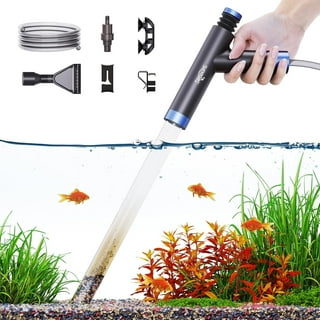
Siphon Vacuums And Gravel Cleaners
Siphon vacuums use water flow to remove dirt from gravel. You start the water flow and debris is sucked out. These tools help clean without removing gravel itself.
- Easy to use with a simple tube and pump system
- Remove waste without disturbing fish too much
- Good for regular tank maintenance
- Require manual starting of the siphon
Manual Vs. Electric Gravel Cleaners
| Type | Advantages | Disadvantages |
| Manual | Affordable, easy to control | Needs physical effort, slower cleaning |
| Electric | Fast cleaning, less effort | More expensive, needs power source |
Manual cleaners give you control over cleaning speed. Electric cleaners work faster but can be noisy. Choose based on tank size and personal preference.
Tips For Preventing Substrate Disturbance
- Clean small sections at a time to avoid stirring up too much dirt
- Use a gentle flow when vacuuming to keep gravel in place
- Avoid deep digging that can harm plant roots or fish
- Regular cleaning prevents heavy buildup and reduces disturbance
Filters And Pumps For Water Clarity
Keeping water clear in brackish tanks is important for fish health. Filters and pumps help remove dirt and keep water moving.
Good filtration and circulation reduce harmful substances. This helps create a clean and safe environment for your tank inhabitants.
Mechanical Filters And Their Importance
Mechanical filters catch solid waste like uneaten food and fish waste. They stop particles from floating in the water.
These filters keep the water clear and prevent clogging in the tank. They work by trapping debris in sponges or filter pads.
- Remove visible waste
- Prevent water cloudiness
- Protect biological filters from clogging
Biological Filters In Brackish Tanks
Biological filters help break down harmful chemicals like ammonia. They use good bacteria to clean the water naturally.
These filters support the tank’s nitrogen cycle. They keep water safe by turning waste into less harmful substances.
- Host beneficial bacteria
- Break down fish waste
- Maintain water chemistry balance
Choosing The Right Pump For Circulation
Pumps move water through filters and around the tank. Good circulation helps oxygen spread and keeps the water clean.
Pick a pump that matches your tank size. It should move water fast enough but not stress the fish.
- Check pump flow rate for your tank
- Look for quiet operation
- Ensure it fits your filter system
Scrapers And Algae Pads
Cleaning brackish tanks requires special tools to keep the environment safe. Scrapers and algae pads help remove algae and dirt efficiently. Using the right tools protects your tank glass and maintains clear water.
This guide covers magnetic scrapers, safe use of algae pads, and tips to avoid scratches on the tank glass. Follow these tips to keep your tank clean and damage-free.
Magnetic Scrapers For Easy Cleaning
Magnetic scrapers clean tank walls without putting your hands in the water. They have two parts: one inside the tank and one outside. The magnets hold both parts together. Move the outside part to clean algae from inside the tank.
- Choose the right size for your tank thickness
- Use gentle pressure to avoid damage
- Clean the scraper regularly to remove debris
- Replace worn pads or blades promptly
Using Algae Pads Safely
Algae pads remove slimy algae from tank glass and decorations. Use pads made for aquarium use to avoid chemicals or rough surfaces. Always wet the pad before cleaning to reduce scratches.
| Type of Algae Pad | Use | Caution |
| Soft Foam | Light algae removal | Safe for glass and acrylic |
| Rough Sponge | Thick algae | Test on small area first |
| Magnetic Pad | Continuous cleaning | Check magnets strength |
Preventing Scratches On Tank Glass
Scratches can weaken tank glass and spoil its look. Use tools with soft edges and avoid harsh scrubbing. Test any new cleaning tool on a small spot first. Clean the glass often to avoid hard algae buildup.
- Never use metal blades on glass tanks
- Use only aquarium-safe scrapers and pads
- Rinse tools before and after use
- Keep sand and grit away from cleaning tools
Water Testing And Maintenance Tools
Keeping a brackish tank healthy requires the right tools. Water testing and maintenance ensure the perfect environment for your aquatic life.
Regular checks on water quality prevent problems. Using the right tools helps maintain balance and harmony in your tank.
Essential Water Test Kits
Water test kits are key for monitoring tank health. They help check levels of ammonia, nitrites, and nitrates.
These kits also test for salinity, pH, and hardness. Accurate readings keep your tank stable and safe for fish.
- Ammonia test kits for detecting toxic levels
- Nitrite and nitrate kits for checking pollution
- Salinity and pH kits for balance
- Hardness kits for water quality
Adjusting Salinity And Ph Levels
Salinity and pH levels are crucial in brackish tanks. They affect fish health and well-being.
Use hydrometers or refractometers to measure salinity. Adjust pH with safe products designed for tanks.
- Hydrometers for easy salinity checks
- Refractometers for precise salinity readings
- pH buffers to maintain correct levels
- Regular monitoring to avoid sudden changes
Routine Maintenance Checklists
Routine maintenance keeps your tank in top shape. Create a checklist to ensure all tasks are completed.
Checklists help organize cleaning and testing. They remind you of important tasks to keep your tank healthy.
- Weekly water testing for key parameters
- Monthly cleaning of tank and equipment
- Regular filter checks and replacements
- Observation of fish behavior and health
Credit: www.walmart.com
Additional Accessories For Tank Care
Keeping a brackish tank clean takes more than water changes. Special tools help keep the tank healthy and neat. These accessories make tank care easier and more effective.
Using the right tools helps you reach tight spots and control algae growth. Proper storage keeps your gear ready to use and lasts longer.
Tweezers And Aquascaping Tools
Tweezers help place plants and remove debris in hard-to-reach areas. Aquascaping tools like scissors and spatulas shape the tank’s layout.
These tools let you clean without disturbing the tank too much. They keep plants healthy and the tank looking good.
- Long tweezers for picking small debris
- Curved scissors for trimming plants
- Spatulas to clean gravel and rocks
- Brushes for detailed cleaning
Lighting And Its Effect On Algae Growth
Lighting affects algae growth in brackish tanks. Too much light makes algae grow fast. Too little light can harm plants.
Using the right light helps control algae and supports healthy plants. Timer settings keep light consistent.
- Use LED lights with adjustable brightness
- Limit light exposure to 8-10 hours daily
- Choose lights suitable for brackish water plants
- Monitor algae growth under different light settings
Storage Solutions For Cleaning Gear
Organizing your cleaning tools keeps them safe and easy to find. Proper storage stops tools from getting damaged or dirty.
Use containers or racks to store tools like tweezers, brushes, and sponges. Label storage for quick access.
- Plastic bins with lids keep tools dry
- Wall-mounted racks save space
- Separate compartments prevent tool mix-ups
- Clean tools before storing to avoid mold

Credit: www.amazon.ca
Frequently Asked Questions
What Are Essential Cleaning Tools For Brackish Tanks?
Essential tools include algae scrapers, gravel vacuums, soft brushes, and water testing kits. These tools help maintain water quality and tank cleanliness efficiently.
How Often Should Brackish Tanks Be Cleaned?
Clean your brackish tank every 2 to 4 weeks. Regular maintenance prevents algae buildup and keeps fish healthy.
Can I Use Freshwater Tools For Brackish Tanks?
Yes, freshwater tools are suitable but must be thoroughly rinsed. Avoid cross-contamination to maintain the brackish environment’s balance.
Why Use A Gravel Vacuum In Brackish Tanks?
Gravel vacuums remove debris and uneaten food from substrate. This prevents harmful bacteria growth and improves water clarity.
Conclusion
Keeping your brackish tank clean helps fish stay healthy and happy. Use the right tools like algae scrapers, siphons, and soft brushes. Regular cleaning stops dirt and harmful buildup. It also keeps water clear and safe. Simple tools make the job easier and faster.
Remember, small efforts lead to a beautiful tank. Clean tanks create a better home for your aquatic pets. Choose tools that fit your tank size and needs. Routine care protects your tank’s balance and your fish’s life.