
If you want your fish to thrive and live a long, healthy life, what you feed them matters more than you might think. Feeding your fish the right way isn’t just about filling their tank; it’s about giving them the nutrients they need to stay strong, vibrant, and active.
Imagine watching your fish swim with energy and color that lights up your entire aquarium. This isn’t just luck—it starts with what’s on their plate. Keep reading to discover simple, effective feeding tips that will transform your fish’s health and keep your underwater friends happy every day.
Choosing The Right Fish Food
Feeding fish well helps keep them healthy and active. Picking the right food is key for their growth and color.
Different fish need different types of food. Learning about these options makes feeding easier and more effective.
Types Of Fish Food
Fish food comes in many forms. Each type serves a special purpose for fish diets.
- Flakes: Good for small fish and surface feeders.
- Pellets: Sink slowly, ideal for mid-level swimmers.
- Freeze-dried: Keeps nutrients, great as a treat.
- Frozen: Close to natural food, often used for carnivores.
- Live Food: Brings variety and stimulates natural hunting.
Nutritional Needs By Species
Each fish species needs a special mix of nutrients. Some need more protein, while others need more plants.
| Fish Type | Main Nutrient Need | Common Food Type |
| Goldfish | Vegetables and protein | Flakes and pellets |
| Cichlids | High protein | Pellets and frozen food |
| Tetras | Small protein and plants | Flakes and freeze-dried |
| Betta | Animal protein | Pellets and live food |
| Catfish | Bottom feeding nutrients | Sinking pellets |
Quality Indicators
Good fish food looks fresh and smells natural. Avoid food that is dusty or smells bad.
- Check expiration date on the package.
- Look for foods with natural colors and no fillers.
- Choose brands that list all ingredients clearly.
- Pick food that matches your fish’s size and type.
- Store food in a cool, dry place to keep it fresh.
Credit: animal-pedia.org
Feeding Techniques
Feeding fish properly helps keep them healthy and active. Using the right techniques supports their growth and well-being.
This guide covers portion sizes, feeding frequency, and avoiding overfeeding to improve fish health.
Proper Portion Sizes
Feeding the correct amount of food prevents waste and keeps water clean. Fish should get only what they can eat in a few minutes.
- Feed small amounts several times a day
- Observe fish eating habits for portion adjustments
- Use a measuring tool to avoid guessing
- Start with less food and add if needed
Feeding Frequency
Regular feeding helps fish get steady nutrition. Most fish do well with one to three feedings per day.
| Fish Type | Feedings Per Day |
| Small Tropical Fish | 2 to 3 |
| Goldfish | 1 to 2 |
| Large Cichlids | 1 to 2 |
Avoiding Overfeeding
Overfeeding causes health problems and dirty water. Remove any uneaten food after feeding time.
Tips to avoid overfeeding:
- Feed only during scheduled times
- Check for leftover food after 5 minutes
- Use sinking or slow-release foods if needed
- Keep a feeding log to track amounts
Special Dietary Requirements
Feeding fish properly is important for their health. Each type of fish has unique needs. Knowing these needs helps you provide the best care.
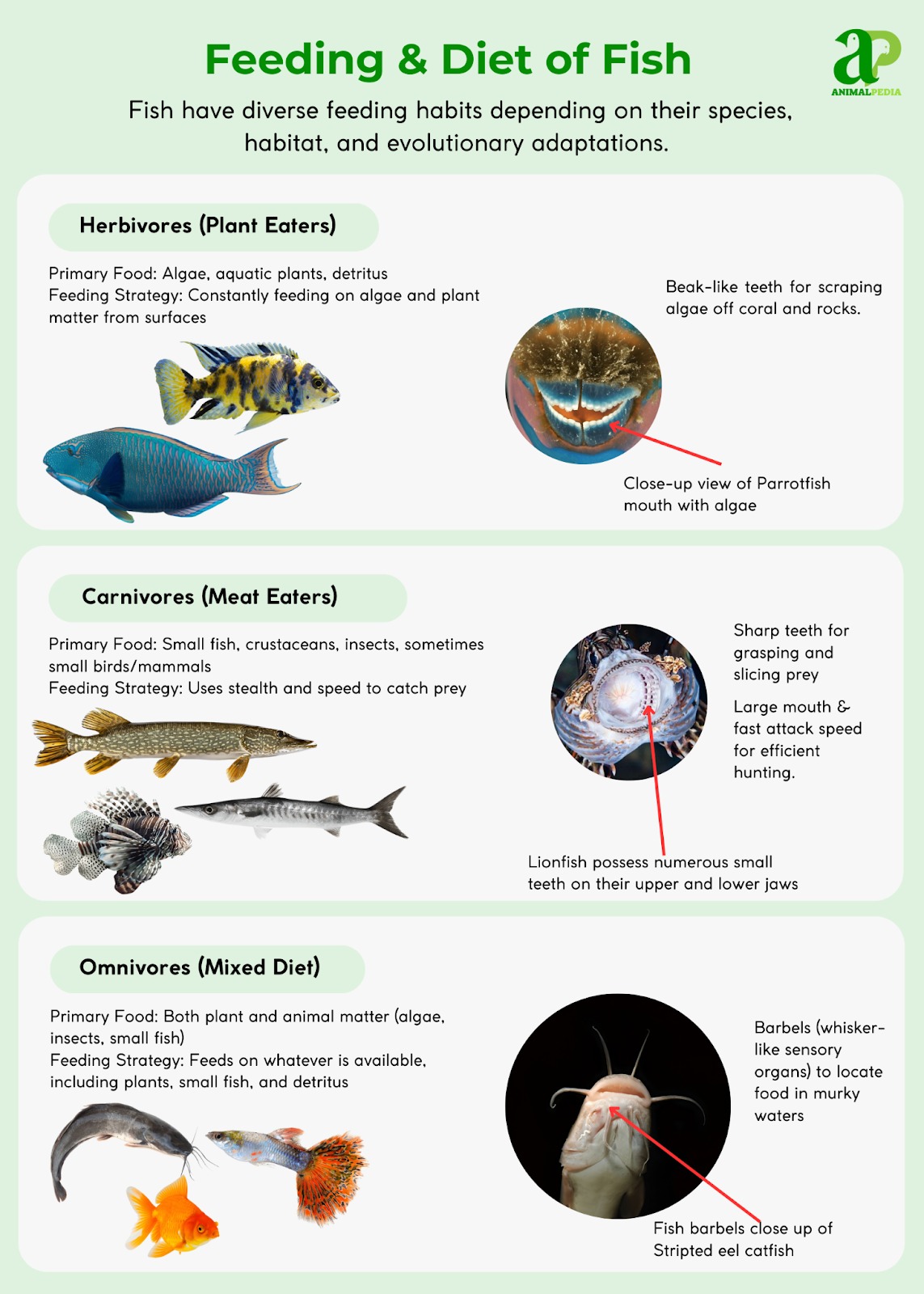
Fish diets vary by species. They can be herbivores, carnivores, or omnivores. Each group requires different foods to thrive.
Herbivorous Fish Diets
Herbivorous fish eat mostly plants. They need diets rich in fiber and vitamins. Their food includes algae, seaweed, and vegetables.
- Fresh leafy greens like spinach and lettuce
- Algae sheets or spirulina flakes
- Vegetable slices like zucchini or cucumber
- Special herbivore pellets with plant nutrients
Carnivorous Fish Diets
Carnivorous fish eat mostly meat. They need protein to build muscle and stay active. Their diets include live, frozen, or prepared foods.
| Food Type | Examples |
| Live Food | Brine shrimp, bloodworms |
| Frozen Food | Mysis shrimp, krill |
| Prepared Food | High-protein pellets, flakes |
Omnivorous Fish Diets
Omnivorous fish eat plants and meat. Their diet must be balanced for good health. They enjoy a mix of foods from both groups.
Common foods for omnivores:
- Pellets with both plant and animal ingredients
- Vegetables like peas and spinach
- Protein sources like bloodworms and brine shrimp
- Occasional fruits or algae treats
Supplements And Enhancers
Fish need proper nutrition to stay healthy. Supplements and enhancers can help. They provide extra nutrients that fish might miss in their regular diet.
Using the right supplements can boost fish health. They can improve color, boost immunity, and provide essential vitamins and minerals.
Vitamins And Minerals
Vitamins and minerals are key for fish growth. They help in bone development and improve overall health.
Fish need vitamins like A, B, C, D, and E. Minerals like calcium and phosphorus are also important for strong bones.
- Vitamin A helps with vision and growth.
- Calcium strengthens fish bones.
- Vitamin C boosts immune systems.
Color Enhancers
Color enhancers make fish look vibrant. They improve the natural colors of fish, making them more appealing.
These enhancers contain natural pigments. Carotenoids are common and safe for fish.
- Carotenoids give fish a red or orange tint.
- Spirulina is a natural color booster.
- Astaxanthin enhances red tones.
Immune Boosters
Immune boosters help fish fight diseases. They strengthen the fish’s natural defenses.
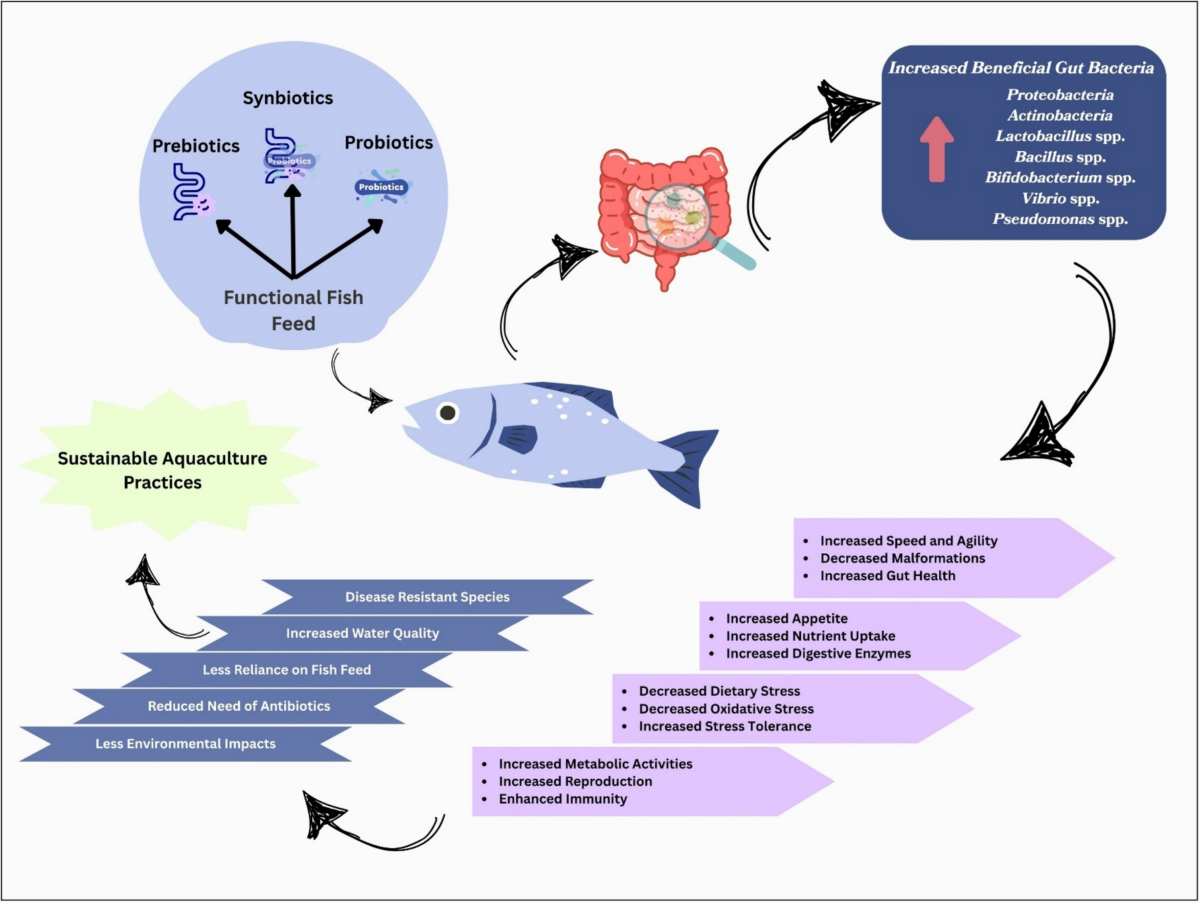
These supplements often contain probiotics and vitamins. They keep fish healthy and reduce sickness.
- Probiotics improve gut health.
- Beta-glucans enhance immune response.
- Vitamin E supports immune function.
Monitoring Fish Health Through Diet
Feeding fish the right diet is important for their health. Their food affects how well they grow and fight sickness.
Watching what fish eat helps spot health problems early. A good diet keeps fish strong and active.
Signs Of Nutritional Deficiencies
Fish may show signs if they lack important nutrients. These signs help identify diet problems fast.
- Slow growth or weight loss
- Faded or dull colors
- Weak fins or fin damage
- Swollen belly or bloating
- Loss of appetite
- Abnormal swimming or lethargy
Adjusting Diet For Growth
Young and growing fish need more nutrients. Adjust their diet to support strong bones and muscles.
Feed fish high-quality food with proteins and vitamins. Change portions to match their size and activity.
- Increase protein for faster growth
- Add vitamins A, C, and D for health
- Feed smaller amounts multiple times a day
- Use specially made growth formulas if available
Diet And Disease Prevention
A good diet helps fish fight off infections. Healthy fish recover faster and resist illness better.
Include immune-boosting foods in their meals. Avoid overfeeding to keep water clean and reduce stress.
- Feed foods rich in antioxidants
- Use probiotics to support gut health
- Keep feeding schedules regular
- Remove uneaten food promptly
Feeding Fresh And Live Foods
Feeding fish fresh and live foods helps keep them healthy. These foods provide natural nutrients fish need to grow strong.
Fresh and live foods can improve fish activity and color. They also support better digestion compared to processed foods.
Benefits Of Live Food
Live food offers many benefits for fish health. It mimics what fish eat in the wild, making it easy to digest.
Fish get more energy from live food. It also encourages natural hunting behavior, which keeps fish active.
- Provides essential nutrients and vitamins
- Improves fish immunity and resistance
- Stimulates natural feeding instincts
- Enhances fish color and growth
Safe Fresh Food Options
Choose fresh foods that are safe and healthy for your fish. Avoid foods with chemicals or pesticides.
Good fresh food options include vegetables and some fruits. These provide fiber and vitamins fish need.
- Blanched spinach or lettuce
- Peas without skin
- Cucumber slices
- Small amounts of fruits like apple or melon
- Fresh frozen bloodworms or brine shrimp
Preparation And Storage
Prepare fresh and live foods carefully to keep fish safe. Wash vegetables and remove any harmful parts.
Store foods in clean containers. Keep live foods in proper water conditions to keep them alive and fresh.
- Rinse vegetables before feeding
- Cut food into small, fish-sized pieces
- Store live foods in aerated containers
- Use fresh foods within a few days
- Freeze extras if needed to prevent waste
Maintaining A Clean Feeding Environment
Fish need a clean environment to stay healthy. It is important to manage feeding practices to prevent pollution and disease.
By keeping the feeding area tidy, you ensure your fish live in a safe habitat. This involves careful monitoring of food and waste.
Removing Uneaten Food
Leftover food can cause problems in a fish tank. It decays and makes the water dirty, which can harm your fish.
To prevent this, check for uneaten food after feeding. Remove it with a net to keep the tank clean.
- Feed fish small amounts at a time
- Observe feeding to see what is left
- Use a net to remove leftovers
Preventing Water Pollution
Polluted water is bad for fish health. It can lead to diseases and stress for your fish.
Keep the water clean by changing it regularly. This helps remove harmful substances and keeps fish healthy.
- Change part of the water weekly
- Use a good filter in your tank
- Monitor water quality often
Feeding Tools And Practices
Using the right tools makes feeding easier and cleaner. They help you give the right amount of food to your fish.
Feeding rings or automatic feeders can be helpful. They keep food in one place and reduce waste.
- Try using feeding rings
- Consider an automatic feeder
- Measure food before feeding
Credit: link.springer.com

Credit: jungleaquatics.com
Frequently Asked Questions
What Is The Best Diet For Fish Health?
A balanced diet with proteins, vitamins, and minerals promotes fish health. Include pellets, flakes, and live foods. Avoid overfeeding to prevent water pollution and disease.
How Often Should I Feed My Fish?
Feed fish once or twice daily in small amounts they consume within 2-3 minutes. Frequent small feedings improve digestion and reduce waste buildup in tanks.
Can Homemade Fish Food Improve Fish Health?
Yes, homemade fish food can boost nutrition. Use fresh ingredients like vegetables, shrimp, and spirulina. Avoid harmful additives and ensure food suits fish species.
Why Is Feeding Variety Important For Fish?
Varied diets supply essential nutrients and prevent dietary deficiencies. Mixing dry, frozen, and live foods supports immune function and vibrant coloration in fish.
Conclusion
Feeding fish the right food helps keep them healthy and happy. Fresh, balanced meals give fish energy and support growth. Avoid overfeeding to prevent water problems and fish stress. Watch your fish’s behavior to know if they are eating well.
Regular feeding routines create a stable environment for your fish. Healthy fish live longer and show brighter colors. Small changes in feeding can make a big difference. Careful feeding makes your aquarium a lively, beautiful place. Take time to learn what your fish need each day.