
If you manage large water tanks, you know how crucial it is to keep the water clean and safe. Poor water quality can cause serious problems, from equipment damage to health risks.
But how do you ensure your tanks stay in top condition without wasting time or money? This article will guide you through the best water treatment methods designed specifically for large tanks. By the end, you’ll have clear, easy steps to protect your water and your investment.
Ready to take control of your water quality? Let’s dive in.
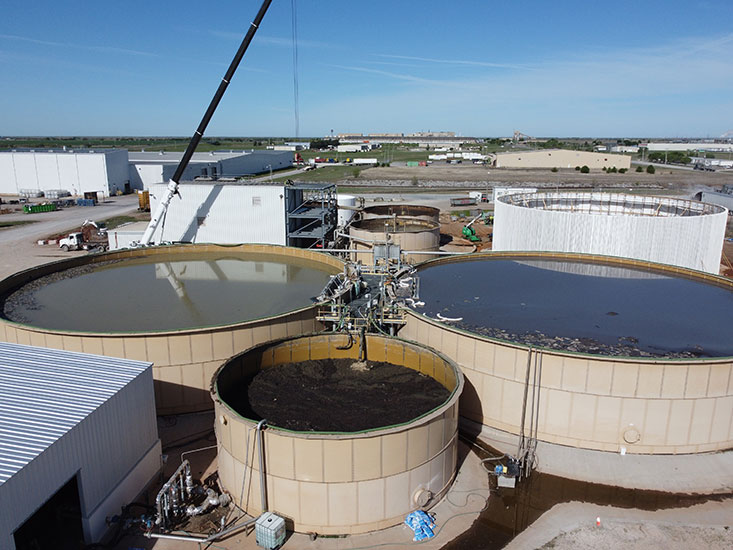
Credit: ecologixsystems.com
Common Challenges In Large Tank Water Treatment
Large tanks hold a lot of water used in industries and communities. Treating this water keeps it clean and safe. Many problems can happen during the treatment process.
Understanding these challenges helps keep water quality high. It also protects the tanks and systems that store the water.
Contaminant Types And Sources
Contaminants come from many places and can harm water quality. They include dirt, chemicals, and tiny living things. These make the water unsafe for use.
- Dirt and sediments enter from rain and wind.
- Industrial chemicals may leak into the tanks.
- Organic matter from plants and animals can pollute water.
- Metals like iron and manganese cause staining and taste issues.
- Microbes such as bacteria and algae grow in untreated water.
Scaling And Corrosion Issues
Scaling happens when minerals build up on tank surfaces. It blocks pipes and reduces water flow. Corrosion wears down metal parts and causes leaks.
Both scaling and corrosion damage tanks and treatment equipment. They raise maintenance costs and reduce system life.
- Calcium and magnesium cause hard water scale.
- Iron and steel parts corrode from water acidity.
- Corrosion leads to rust and weak tank walls.
- Scaling can clog valves and reduce efficiency.
Microbial Growth Concerns
Microbes like bacteria and algae grow fast in large tanks. They create slime layers that harm water quality. Some bacteria can cause health problems.
Microbial growth also speeds up corrosion and clogs the system. Regular cleaning and disinfection are needed to control it.
- Bacteria form biofilms that protect them from treatment chemicals.
- Algae growth causes bad taste and odors in water.
- Some microbes cause diseases if not controlled.
- Microbes can block filters and pipes.

Credit: cen.acs.org
Key Treatment Methods
Water treatment for large tanks needs careful planning. Clean water keeps tanks safe and extends their life.
There are several key methods used to treat water in large tanks. These methods remove impurities and kill harmful organisms.
Filtration Techniques
Filtration removes particles and debris from water. Large tanks often use sand or cartridge filters to clean water.
- Sand filters trap dirt and suspended solids.
- Cartridge filters remove smaller particles.
- Activated carbon filters reduce odors and chemicals.
- Multi-media filters combine layers for better cleaning.
Chemical Treatment Options
Chemicals help control bacteria and other microorganisms in water. They also adjust water pH and hardness.
| Chemical | Purpose | Common Use |
| Chlorine | Disinfectant | Kills bacteria and viruses |
| Algaecides | Algae control | Prevents algae growth |
| pH Adjusters | Balance pH | Maintains water stability |
| Coagulants | Particle removal | Helps sedimentation |
Ultraviolet And Ozone Systems
UV and ozone systems use light and gas to clean water without chemicals. They kill germs and break down pollutants.
- UV systems pass water through UV light to destroy microbes.
- Ozone systems inject ozone gas to oxidize contaminants.
- Both methods reduce chemical use and improve water safety.
Designing An Efficient Treatment System
Large tanks need good water treatment to keep water clean and safe. A well-designed system helps save money and energy.
Careful planning is important. It ensures the system works well for the tank size and water type.
Assessing Water Quality Needs
Check the water’s current condition before designing the system. Test for chemicals, dirt, and microbes.
Know what the water will be used for. Different uses need different water quality levels.
- Measure pH level and hardness
- Test for bacteria and viruses
- Check for heavy metals and pollutants
- Understand daily water volume and flow
Choosing Appropriate Equipment
Pick equipment that fits the tank size and water quality needs. Use filters, pumps, and disinfectants wisely.
Choose durable materials that resist corrosion. This reduces maintenance and replacement costs.
- Use sediment filters for dirt removal
- Select UV lights or chlorinators for disinfection
- Install pumps with suitable power and capacity
- Consider tanks with mixing systems for even treatment
Automation And Monitoring Tools
Automation helps run the system smoothly and saves time. Use sensors to track water quality in real-time.
Monitoring tools alert operators to problems early. This helps avoid damage and keeps water safe.
- Install flow meters to monitor water volume
- Use pH and turbidity sensors for quality checks
- Set alarms for unusual readings
- Automate chemical dosing for consistent treatment
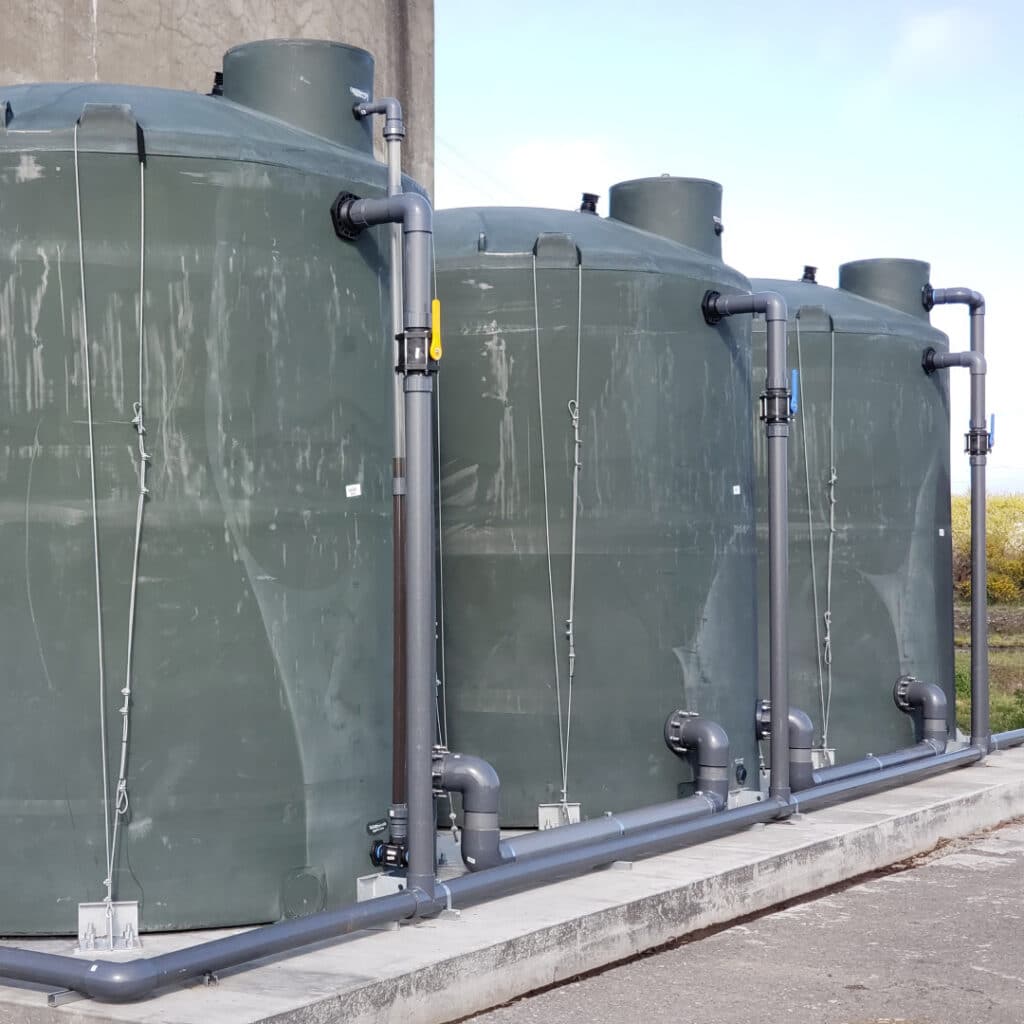
Credit: watsonwell.com
Maintenance And Monitoring Practices
Maintaining large water tanks is key to keeping water clean and safe. Regular checks and proper cleaning stop problems early.
Monitoring the tank’s condition helps catch issues before they grow. This keeps water quality high and tanks lasting longer.
Routine Inspection Procedures
Inspect tanks at least once a month to find leaks, cracks, or rust. Check all valves, pipes, and seals for damage.
- Look for any signs of corrosion or wear.
- Ensure all fittings are tight and secure.
- Check water levels and pressure readings.
- Test sensors and alarms for proper function.
Cleaning And Disinfection Protocols
Cleaning should happen every six months or as needed. Use safe disinfectants to kill bacteria and algae.
| Cleaning Step | Description |
|---|---|
| Drain Tank | Remove all water before cleaning |
| Scrub Walls | Use brushes to clean all surfaces |
| Rinse Thoroughly | Flush out loosened dirt and debris |
| Disinfect | Apply approved disinfectant and let sit |
| Flush Again | Remove disinfectant before refilling |
Performance Tracking Metrics
Keep records of water quality and tank condition. Track changes to spot trends and fix issues fast.
- Measure water pH and turbidity weekly.
- Record inspection and cleaning dates.
- Log any repairs or replacements done.
- Review sensor data daily for irregularities.
Cost-effective Solutions
Water treatment for large tanks needs smart choices to save money. Using cost-effective solutions helps keep tanks clean without high expenses.
Efficient water treatment lowers energy use, reduces chemical waste, and extends tank life. These steps make large tank management easier and cheaper.
Energy-saving Technologies
Saving energy cuts costs in water treatment. Using energy-saving pumps and motors reduces electricity bills. Automated controls help run systems only when needed.
Solar power can also help power treatment equipment. LED lighting inside tanks uses less energy than older lights. These technologies reduce overall power use.
- High-efficiency pumps use less power
- Automated systems avoid wasteful running
- Solar panels provide clean energy
- LED lights save electricity
Material Selection For Durability
Choosing strong materials helps tanks last longer. Materials like stainless steel resist rust and corrosion. Durable tanks need fewer repairs and replacements.
Plastic liners or coatings protect tanks from chemicals. These materials reduce leaks and damage. Long-lasting tanks lower maintenance costs over time.
- Stainless steel resists corrosion
- Plastic liners protect from chemicals
- Coatings prevent leaks and damage
- Durable tanks reduce repair costs
Optimizing Chemical Usage
Using the right amount of chemicals saves money and protects the environment. Overuse wastes chemicals and raises costs. Proper dosing keeps water clean and safe.
Regular testing helps adjust chemical levels. Using automatic chemical feeders improves accuracy. Optimizing chemical use cuts waste and keeps tanks healthy.
- Test water regularly to adjust chemicals
- Use automatic feeders for precise dosing
- Avoid overusing chemicals to save costs
- Proper chemical use protects the tank
Case Studies And Success Stories
Water treatment for large tanks is vital for many sectors. This process ensures clean and safe water for various uses. Here, we explore successful implementations in different fields.
These examples showcase effective water treatment solutions. They highlight strategies that meet specific needs in industry, municipal use, and agriculture.
Industrial Tank Treatment Examples
Industries need reliable water treatment for efficient operations. Clean water is crucial for manufacturing, cooling, and cleaning processes.
- Reduction in chemical use by 30%
- Improved water quality standards
- Decrease in maintenance costs by 15%
Municipal Water Storage Solutions
Municipalities must store large volumes of water safely. Proper treatment ensures this water is safe for public consumption.
| City | Population Served | Treatment Method |
| Springfield | 150,000 | Filtration and UV |
| Greenwood | 95,000 | Chlorination |
| Mapleton | 60,000 | Reverse Osmosis |
Innovative Approaches In Agriculture
Agriculture benefits from treated water for irrigation. This practice helps in growing healthier crops and conserving resources.
Frequently Asked Questions
What Are The Key Methods For Water Treatment In Large Tanks?
Common methods include filtration, chlorination, UV treatment, and sedimentation. These processes remove impurities and pathogens, ensuring clean water in large storage tanks. Proper maintenance and regular monitoring are essential for effective treatment.
How Often Should Large Water Tanks Be Treated?
Large water tanks should be treated at least quarterly. Regular treatment prevents algae, bacteria buildup, and sediment accumulation. Frequency may increase depending on water quality and tank usage to maintain safe and clean water.
Why Is Water Treatment Important For Large Storage Tanks?
Water treatment prevents contamination, improves water quality, and extends tank lifespan. It ensures safe water for consumption or industrial use by removing harmful microorganisms and pollutants. Proper treatment reduces health risks and maintenance costs.
What Chemicals Are Commonly Used In Large Tank Water Treatment?
Chlorine, bromine, and ozone are common disinfectants. Coagulants like alum help remove suspended solids. These chemicals effectively kill bacteria and clarify water, making it safe and clean for large tank storage.
Conclusion
Proper water treatment keeps large tanks clean and safe. It stops dirt, bacteria, and chemicals from building up. Regular checks and cleaning help maintain water quality. Using the right methods saves money and extends tank life. Clean water protects health and equipment.
Choose simple, effective steps for best results. Remember, good care makes a big difference. Keep your tanks working well for a long time.