
Are you tired of looking at cloudy water every time you turn on your tap? Cloudy water can be frustrating and even make you question the safety of your drinking water.
But what if there was an easy way to clear it up and enjoy clean, sparkling water right from your home? A water conditioner for cloudy water removal might be the simple solution you’ve been searching for. You’ll discover how this powerful tool works and how it can transform your water quality, giving you peace of mind and refreshing clarity with every sip.
Keep reading to find out how to bring crystal-clear water back into your life.
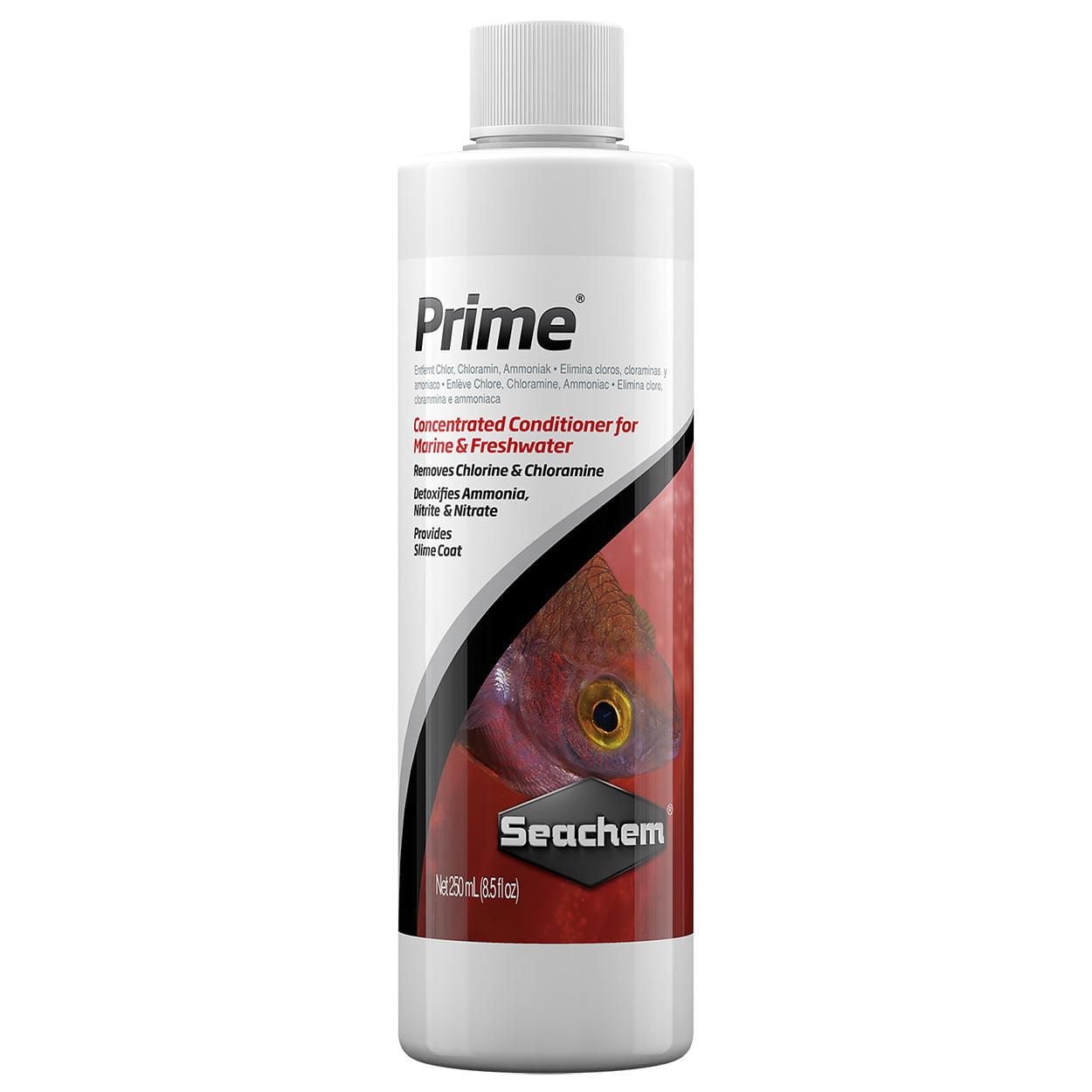
Credit: www.walmart.ca
Causes Of Cloudy Water
Cloudy water is a common problem in many homes. It looks dirty and can worry people about water quality.
There are several reasons why water becomes cloudy. Understanding these causes helps find the right solution.
Common Contaminants
Cloudy water often contains tiny particles that do not dissolve. These particles make water look murky or milky.
Common contaminants include dirt, sand, and rust. These come from natural sources or old pipes.
- Dirt and clay from soil
- Sand and silt from water sources
- Rust particles from corroded pipes
- Algae or other tiny plants
Water Source Issues
Water can become cloudy before it reaches your home. This happens if the source water has problems.
Sources like wells, rivers, or lakes may carry dirt or organic matter. Heavy rain can wash more dirt into the water.
- Well water can have sediment or minerals
- Surface water may contain algae or debris
- Nearby construction can increase dirt in water
- Seasonal changes affect water clarity
Pipe And Plumbing Factors
Cloudy water can come from inside your home’s plumbing. Old or damaged pipes release particles into the water.
Air bubbles trapped in pipes also cause water to look cloudy. This clears up after water stands for a short time.
- Rust and scale from old pipes
- Loose pipe fittings causing leaks
- Air bubbles from water pressure changes
- Build-up of minerals inside pipes

Credit: www.amazon.com
How Water Conditioners Work
Water conditioners help remove cloudiness from water. They improve water clarity and quality.
These devices use different methods to clean water. They target particles and impurities that cause cloudiness.
Filtration Mechanisms
Filtration removes tiny particles from water. It traps dirt, sand, and debris in filters.
Filters have small holes that catch impurities. Clean water passes through, leaving cloudiness behind.
- Mechanical filters block large particles
- Activated carbon filters absorb chemicals and odors
- Micron filters remove very small particles
Chemical Treatment
Chemicals help clear cloudy water by changing particles. They make particles stick together.
These larger clumps settle at the bottom or get filtered out easily. Common chemicals include coagulants and flocculants.
- Coagulants neutralize particle charges
- Flocculants form clumps from tiny particles
- Disinfectants kill bacteria and algae
Physical Processes
Physical processes use force to clean water. They separate particles by size, weight, or movement.
Examples include sedimentation and aeration. These help remove cloudiness without chemicals.
- Sedimentation lets heavy particles settle down
- Aeration adds air to remove gases and odors
- UV light kills microorganisms
Types Of Water Conditioners
Water conditioners help improve water quality by removing minerals and impurities. They reduce cloudy water and protect pipes and appliances.
There are different types of water conditioners. Each type works in a unique way to treat hard or cloudy water.
Salt-based Softeners
Salt-based softeners use salt to remove minerals like calcium and magnesium. These minerals cause water hardness and cloudiness.
The system swaps hard minerals with sodium or potassium ions. This process is called ion exchange. It makes water softer and clearer.
- Requires regular salt refilling
- Effective for hard water removal
- Improves water taste and clarity
- Needs maintenance to avoid salt buildup
Salt-free Conditioners
Salt-free conditioners use different methods to prevent mineral buildup. They do not remove minerals but change how minerals behave.
These systems use template-assisted crystallization to turn minerals into harmless crystals. The crystals stay in water without causing cloudiness.
- No salt or chemicals needed
- Low maintenance and eco-friendly
- Does not soften water, only conditions it
- Good for people on low-sodium diets
Magnetic And Electronic Systems
Magnetic and electronic water conditioners use magnets or electric fields. They change mineral particles so they do not stick to surfaces.
These systems are easy to install. They do not add chemicals or salt to the water. Their effectiveness can vary depending on water type.
- Simple and chemical-free solution
- Reduces scale and cloudiness
- Works best with certain water conditions
- Low maintenance and no salt use
Choosing The Right Conditioner
Cloudy water can affect your home’s water quality. A water conditioner helps clear the cloudiness. Choosing the right conditioner depends on several factors.
Understanding these factors will help you pick the best solution for your needs. This guide covers key points to consider before buying a water conditioner.
Water Quality Testing
Testing your water shows what causes the cloudiness. It may be minerals, sediments, or bacteria. Knowing the cause helps find the right conditioner type.
- Check for hardness and iron levels
- Look for sediment and particles
- Test pH and chlorine content
- Consider bacterial contamination
System Capacity And Size
Your water system size affects the conditioner choice. Larger homes need bigger systems. Smaller homes can use compact units.
| Home Size | Water Usage (Gallons per Day) | Recommended Conditioner Size |
|---|---|---|
| Small (1-2 people) | 50-100 | Small Capacity |
| Medium (3-4 people) | 100-200 | Medium Capacity |
| Large (5+ people) | 200+ | Large Capacity |
Budget Considerations
Water conditioners come in many price ranges. You should balance cost with system features and size.
- Set a budget before shopping
- Compare installation costs
- Check maintenance and running costs
- Look for warranty and service options
Installation Tips And Maintenance
Water conditioners help clear cloudy water by removing impurities. Proper installation and regular care keep them working well. Follow these tips for best results.
This guide covers setup steps, cleaning advice, and fixes for common problems. Use it to maintain your water conditioner easily.
Proper Setup Guidelines
Set up your water conditioner in a clean, dry place near the main water line. Make sure to turn off water before installation. Use proper tools and follow instructions carefully.
- Turn off the main water supply.
- Cut the pipe where the conditioner will be installed.
- Attach the conditioner using the correct fittings.
- Check all connections for leaks.
- Turn water back on and test the system.
Regular Cleaning And Servicing
Cleaning your water conditioner keeps it efficient. Remove sediment and check filters often. Replace parts as recommended by the manufacturer.
| Task | Frequency | Notes |
| Clean filter screen | Monthly | Use soft brush and water |
| Flush system | Every 6 months | Follow manual instructions |
| Replace cartridges | Yearly | Depends on water quality |
| Check for leaks | Monthly | Tighten fittings if needed |
Troubleshooting Common Issues
If cloudy water returns, check if the conditioner needs cleaning or parts replacement. Make sure water pressure is normal. Look for leaks or blockages in the pipes.
- Inspect filter for dirt or damage.
- Clean or replace clogged parts.
- Check water pressure gauge.
- Look for leaks around the unit.
- Contact a professional if problems persist.

Credit: www.amazon.com
Benefits Of Clear Water
Clear water is important for many reasons. It impacts taste, safety, and the lifespan of appliances.
Using a water conditioner can make cloudy water clear. This helps in many aspects of daily life.
Improved Taste And Odor
Clear water tastes better. It also smells fresher, making it more pleasant to drink.
- Enhances the flavor of beverages
- Improves the smell of cooked foods
- Makes drinking water more enjoyable
Health And Safety Advantages
Clear water is safer. It reduces the risk of harmful bacteria and contaminants.
| Contaminant | Health Risk |
| Bacteria | Infections |
| Lead | Developmental Issues |
| Chlorine | Respiratory Problems |
Extended Appliance Lifespan
Clear water helps appliances last longer. It prevents scale buildup and damage.
Using a water conditioner can result in fewer repairs and replacements. This saves money over time.
Frequently Asked Questions
What Causes Cloudy Water In Home Water Systems?
Cloudy water usually results from air bubbles, sediment, or high mineral content. Water conditioners help reduce minerals causing cloudiness, improving clarity and quality.
How Does A Water Conditioner Remove Cloudy Water?
Water conditioners soften hard water by neutralizing minerals like calcium and magnesium. This prevents cloudiness and sediment buildup, making water clearer and safer for use.
Can Water Conditioners Improve Water Taste And Smell?
Yes, water conditioners reduce minerals and impurities causing bad taste and odor. This results in fresher, cleaner-tasting water suitable for drinking and household use.
Are Water Conditioners Easy To Install And Maintain?
Most water conditioners are user-friendly, with simple installation steps. Regular maintenance includes replacing filters or salt, ensuring continuous cloud-free water quality.
Conclusion
Clear water means a healthier home and happier life. A good water conditioner removes cloudiness fast and keeps water fresh. Clean water feels better for drinking, cooking, and bathing. Choosing the right conditioner helps protect your pipes and appliances too.
Simple steps can make big changes in water quality. Trust the process and enjoy clear, clean water every day. No more cloudy water worries. Just pure, clear water for you and your family.