
Are you tired of watching your fish chase floating food all over the tank or pond? Fish feeding rings for floating food might be just what you need.
These simple tools help keep food in one place, making feeding time cleaner and less stressful for both you and your fish. Imagine spending less time cleaning up scattered food and more time enjoying your vibrant aquatic friends. You’ll discover how fish feeding rings can transform your feeding routine and create a healthier environment for your fish.
Keep reading to find out how to choose the right ring and get the most out of it.

Credit: www.amazon.ca
Benefits Of Fish Feeding Rings
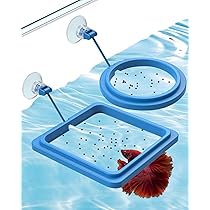
Fish feeding rings keep floating food in one place. They help make feeding easier and cleaner.
Using feeding rings improves your aquarium’s health and saves food from being wasted.
Preventing Food Waste
Feeding rings stop food from spreading all over the tank. This keeps food where fish can eat it.
Less food waste means less leftover food that can rot or pollute the water.
- Concentrates food in one spot
- Reduces uneaten food in the tank
- Saves money by using only needed food
Maintaining Water Quality
Leftover food can cause water to get dirty fast. Feeding rings help keep water clean longer.
Clean water keeps fish healthy and lowers the chance of disease.
- Limits food particles in water
- Reduces algae growth from excess food
- Helps maintain stable tank conditions
Simplifying Feeding Routine
Feeding rings make it easy to feed fish in the same spot every time. This helps you feed on schedule.
It also allows quick checks to see if all food is eaten and if fish are healthy.
- Feeds fish in one controlled area
- Helps track feeding amounts
- Makes tank maintenance easier
Credit: www.amazon.ca
Types Of Feeding Rings
Feeding rings help keep fish food in one place on the water surface. They make feeding easier and cleaner. Different types of feeding rings suit different pond and aquarium setups.
Here are three common types of feeding rings: floating, weighted, and magnetic. Each type has unique features and benefits for feeding fish.
Floating Rings
Floating rings sit on top of the water and hold food inside their boundaries. They move slightly with the water but stay mostly in place. These rings are simple and easy to use.
- Made from buoyant materials like foam or plastic
- Visible on the water surface for easy feeding
- Help prevent food from spreading too far
- Good for outdoor ponds and large tanks
Weighted Rings
Weighted rings sink to the bottom or hover just below the surface. They stay steady even if the water moves. These rings are useful for feeding fish that eat near the bottom.
| Feature | Advantage | Best Use |
| Weight added to ring | Stays in place in moving water | Ponds with currents or streams |
| Sits below or on bottom | Feeds bottom-dwelling fish | Aquariums with mixed fish species |
| Material durable and heavy | Long-lasting and stable | Outdoor ponds exposed to wind |
Magnetic Rings
Magnetic rings attach to metal surfaces like pond edges or tank walls. They do not float or sink. These rings stay firmly in one spot and are easy to remove for cleaning.
- Use magnets to stick to metal
- Keep food contained in one area
- Do not move with water currents
- Ideal for small tanks or controlled feeding
Choosing The Right Feeding Ring
Feeding rings help keep floating fish food in one place. They make feeding cleaner and easier.
Picking the right feeding ring depends on several factors. This guide covers key points to consider.
Material Considerations
Feeding rings come in different materials like plastic, foam, and rubber. Each has its pros and cons.
- Plastic rings are durable and easy to clean.
- Foam rings float well but may wear out faster.
- Rubber rings are flexible and gentle on tank surfaces.
Size And Shape Options
Size and shape affect how well the ring holds food and fits your tank.
| Shape | Best Use | Notes |
| Round | Most tanks | Easy to place and clean |
| Square | Corner feeding | Fits tank edges well |
| Oval | Wide surface area | Holds more food |
Compatibility With Tank Setup
Check if the ring works with your tank’s size and decoration. Some rings attach to glass or plastic surfaces.
- Make sure the ring floats freely without hitting decorations.
- Choose rings with suction cups for tanks with smooth walls.
- Consider the fish type; some prefer smaller or larger feeding areas.

Credit: www.amazon.com
Setting Up Feeding Rings
Fish feeding rings help organize feeding time. They keep food in one area and reduce waste.
Proper setup ensures all fish get their share. Let’s explore how to set up feeding rings.
Placement Tips
Pick a spot with little water movement. This keeps food from drifting away.
Place the ring where your fish often swim. This helps them find the food easily.
- Keep away from filters
- Avoid strong currents
- Choose a spot with good lighting
Securing The Ring
Ensure the ring stays in place. This helps keep food within the ring’s boundary.
Use suction cups or clips to secure it. This prevents it from floating away.
- Attach with suction cups
- Use clips for extra hold
- Check regularly for a secure fit
Adjusting For Different Fish Types
Different fish have different needs. Adjust the feeding ring for each type.
Smaller fish may need a lower ring. Larger fish might need more space.
| Fish Type | Ring Height | Ring Size |
| Small Fish | Low | Small |
| Medium Fish | Medium | Medium |
| Large Fish | High | Large |
Feeding Techniques With Rings
Fish feeding rings help keep floating food in one place. This makes feeding easier and cleaner.
Using rings can control how much food fish get. It also reduces waste in ponds or tanks.
Measuring Food Portions
Feed fish the right amount to avoid leftovers. Overfeeding can pollute the water and harm fish.
Use the ring size to help measure food portions. Start with small amounts and adjust as needed.
- Fill the ring with floating pellets or flakes
- Watch how quickly fish eat the food
- Reduce or increase food based on eating speed
Timing And Frequency
Feed fish at regular times each day to build a routine. This helps fish stay healthy and active.
Use the feeding ring to concentrate food during set feeding times. Avoid feeding too often to prevent overeating.
- Feed fish two to three times daily
- Keep feeding sessions short, about 5-10 minutes
- Observe fish behavior to adjust timing
Encouraging Healthy Eating Habits
Use feeding rings to help fish eat in a calm and orderly way. This reduces stress and fights over food.
Place food evenly inside the ring. This gives all fish a chance to eat and stay healthy.
- Keep the feeding ring clean to avoid mold or bacteria
- Do not overcrowd the ring with too much food
- Watch for signs of illness or poor eating habits
Cleaning And Maintenance
Fish feeding rings for floating food need regular care. This ensures they work well and last long.
Proper cleaning and maintenance help prevent problems. It keeps the feeding rings in good condition.
Regular Cleaning Methods
Cleaning the feeding rings every week is important. It removes leftover food and dirt.
- Rinse the ring with warm water
- Use a soft brush to scrub gently
- Dry the ring completely before reuse
Preventing Algae Growth
Algae can grow on feeding rings if not cared for. It is important to prevent this for the health of the fish.
| Action | Frequency |
| Remove rings from water | Daily |
| Clean with vinegar solution | Weekly |
| Inspect for algae | Every 3 days |
Replacing Worn Rings
Over time, feeding rings can wear out. Replacing them ensures the fish get their food properly.
Common Issues And Solutions
Fish feeding rings help keep floating food in one place. They make feeding easier and cleaner. Sometimes, users face problems with these rings.
We will explore common issues with fish feeding rings and simple solutions to fix them.
Rings Floating Away
Feeding rings may drift away from the feeding spot. Wind or water currents often push them off course. This makes feeding less effective.
To stop rings from floating away, add small weights to the bottom. Use clips or anchors to keep the ring in place. Choose rings designed for stability in moving water.
- Add small weights like stones or sinkers
- Secure rings with clips to pond edges
- Use rings made with stable, heavy material
Food Sinking Outside The Ring
Sometimes food sinks outside the ring, making fish hard to feed. This can happen if food breaks apart or if the ring is too small.
Use larger rings to hold more food. Choose floating food that stays intact longer. Check the ring size matches your fish’s feeding habits.
- Pick rings big enough for your food amount
- Use high-quality floating food pellets
- Feed smaller amounts to avoid spillage
Fish Avoiding The Feeding Area
Fish may avoid the feeding ring area. New rings or feeding spots can make fish nervous. Loud noises or sudden changes can scare them.
Place the ring where fish feel safe. Feed at the same time daily to build trust. Avoid loud sounds near the feeding spot.
- Choose a calm, sheltered area for feeding
- Feed fish at regular times each day
- Keep the area quiet and free from sudden movements
Enhancing Fish Health With Feeding Rings
Feeding rings help keep fish food in one place on the water surface. This stops food from spreading and sinking too fast.
Using feeding rings makes feeding easier and supports fish health by improving feeding habits.
Reducing Stress During Feeding
Feeding rings create a calm feeding area for fish. Fish gather calmly without chasing food all over the pond or tank.
This lowers stress because fish do not compete wildly or waste energy searching for food.
Monitoring Fish Behavior
Feeding rings let you watch how fish eat in one spot. You can see if fish are healthy or if some are not eating well.
Watching fish during feeding helps catch problems early, like illness or injury.
Promoting Balanced Diet
Feeding rings keep food together so fish can eat the right amount. This stops overfeeding and food waste.
- Control food portions easily
- Feed different types of food in one place
- Ensure all fish get food evenly
Frequently Asked Questions
What Are Fish Feeding Rings Used For?
Fish feeding rings keep floating food contained in one spot. This prevents food from scattering and reduces waste. They help fish find their food easily. Using rings maintains a cleaner tank or pond environment.
How Do Fish Feeding Rings Improve Feeding Efficiency?
Feeding rings concentrate floating food, making it easier for fish to find. This reduces competition and stress among fish. It also minimizes food loss and water pollution. Overall, feeding becomes more controlled and effective.
Can Fish Feeding Rings Prevent Food Waste?
Yes, feeding rings limit food spread on water surfaces. This containment stops food from sinking and rotting. It helps maintain water quality by reducing uneaten food. Thus, feeding rings are eco-friendly and economical.
Are Feeding Rings Suitable For All Fish Tanks?
Feeding rings work well in most freshwater and saltwater tanks. They are ideal for ponds and large aquariums with surface-feeding fish. However, they may not suit tanks with strong water currents. Choose the right size for your tank.
Conclusion
Fish feeding rings help keep food floating and easy to find. They reduce waste and keep the water clean. Fish enjoy feeding in a clear, calm spot. Using feeding rings makes feeding time simple and neat. Choose the right ring for your pond size.
Your fish will benefit from better feeding habits. Try fish feeding rings to improve your pond care. Small changes can make a big difference for your fish. Enjoy watching your fish eat happily and healthily.