
Keeping a medium aquarium healthy and beautiful can be easier than you think. But to do it right, you need the right tools at your fingertips.
Imagine having everything you need to keep your fish happy and your tank sparkling clean without the hassle. You’ll discover the essential tools that make maintaining your medium aquarium simple and stress-free. Ready to turn your aquarium into a thriving underwater world?
Keep reading, and you’ll find out exactly what you need to get there.
Choosing The Right Tank
Selecting the right aquarium tank is key for a healthy medium aquarium. The tank size and material affect fish health and maintenance.
Think about space, tank shape, and material before buying. These choices help your aquarium thrive.
Ideal Size For Medium Aquariums
Medium aquariums usually hold between 20 and 55 gallons of water. This size fits well in many rooms.
Choose a size that fits your space and the fish you want to keep. Bigger tanks are easier to maintain for beginners.
- 20 to 30 gallons: good for small groups of fish
- 40 to 55 gallons: allows more fish and plants
- Check tank dimensions to fit your room space
Material Options
Most medium tanks are made from glass or acrylic. Each has benefits and drawbacks.
Glass is clear and scratch-resistant. Acrylic is lighter and stronger but can scratch easily.
- Glass: heavy, clear, and durable
- Acrylic: lighter, flexible, but scratches
- Consider cost and where you place the tank
Placement Tips
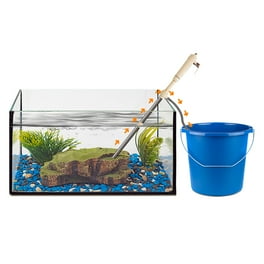
Place your aquarium on a flat, sturdy surface. Avoid direct sunlight to prevent algae growth.
Keep the tank away from heaters, air conditioners, and busy areas to reduce stress for fish.
- Use a stand that can hold the tank weight
- Choose a quiet spot with stable temperature
- Keep away from windows and vents
Credit: www.walmart.com
Filtration Systems
Filtration systems keep medium aquariums clean and healthy. They remove waste, debris, and harmful substances from the water.
Good filtration helps fish stay healthy and water clear. Choosing the right filter is important for aquarium care.
Types Of Filters
There are several types of filters for medium aquariums. Each type works in a different way to clean the water.
- Mechanical filters remove particles from the water.
- Biological filters use beneficial bacteria to break down waste.
- Chemical filters remove toxins and odors with activated carbon or resin.
- Canister filters sit outside the tank and use all three methods.
- Hang-on-back filters hang on the tank edge and are easy to maintain.
- Sponge filters are gentle and good for small fish or shrimp.
Filter Maintenance
Regular filter maintenance keeps the system working well. Clean or replace parts as needed to avoid clogging.
Rinse filter media in tank water to keep bacteria alive. Avoid using tap water that can kill helpful bacteria.
- Check the filter weekly for debris buildup.
- Clean mechanical parts gently to prevent damage.
- Replace chemical media monthly or as recommended.
- Watch water flow and noise for signs of problems.
Choosing The Right Filter
Pick a filter that matches your aquarium size and fish type. The filter should handle your tank’s water volume efficiently.
Consider noise level, ease of cleaning, and space around the tank. Some filters fit better in small or tight spaces.
- Choose a filter rated for at least your tank’s size.
- Look for easy maintenance to save time.
- Match filter flow speed to your fish’s needs.
- Check if you need extra features like UV sterilizers.
Heating And Lighting
Maintaining a medium aquarium needs the right heating and lighting. These tools keep fish healthy and plants growing well.
Good heating and lighting create a balanced environment in your tank. This helps fish stay active and plants stay green.
Aquarium Heaters
Aquarium heaters keep water at a steady temperature. Fish need warm water to live comfortably.
There are submersible and external heaters. Submersible heaters go inside the tank. External heaters stay outside.
- Choose heater size by tank volume
- Use a thermostat to control heat
- Check heater regularly for safety
Lighting Options
Lighting helps plants grow and shows fish colors. Different lights give different effects in the tank.
Common lights are LED, fluorescent, and incandescent. LEDs use less energy and last longer.
- LED lights save energy and stay cool
- Fluorescent lights are bright and affordable
- Incandescent lights produce more heat
Balancing Temperature And Light
Too much heat or light can harm fish and plants. Balance keeps the tank healthy.
Use timers for lights and thermostats for heaters. This keeps conditions stable and safe.
- Set heater to the right temperature for your fish
- Use a timer to give plants 8-12 hours of light
- Watch fish behavior to spot problems early
Water Testing Tools
Maintaining a medium aquarium requires regular water testing. Testing helps keep fish healthy and the tank clean.
Using the right tools lets you check water quality easily at home. This keeps your aquarium safe for aquatic life.
Essential Test Kits
Essential test kits check important water parameters. These include pH, ammonia, nitrite, and nitrate levels.
Choose kits that are easy to use and give clear results. Most kits come with color charts for comparison.
- pH test kit: measures acidity or alkalinity
- Ammonia test kit: detects harmful ammonia levels
- Nitrite test kit: shows toxic nitrite presence
- Nitrate test kit: tracks nitrate build-up
Monitoring Water Quality
Check water quality at least once a week. Frequent testing helps spot problems early.
Record your results to track changes over time. This helps you keep the aquarium stable and healthy.
- Test water before and after water changes
- Look for sudden changes in test results
- Keep testing tools clean and ready to use
Interpreting Test Results
Understanding test results is key to good aquarium care. Each parameter has a safe range for fish.
If results are outside safe levels, take action quickly. Adjust water or add treatments as needed.
| Parameter | Safe Range | Action if Out of Range |
|---|---|---|
| pH | 6.5 – 7.5 | Adjust with pH stabilizers or water changes |
| Ammonia | 0 ppm | Perform immediate water change, check filter |
| Nitrite | 0 ppm | Increase aeration, do partial water changes |
| Nitrate | < 40 ppm | Regular water changes, reduce feeding |
Cleaning Equipment
Keeping a medium aquarium clean helps fish stay healthy. Good tools make cleaning easier and more effective. This guide covers key equipment to maintain your tank.
Proper cleaning tools remove waste, algae, and old water. Each tool has a specific use for aquarium care. Using the right equipment protects your aquatic environment.
Gravel Vacuums
Gravel vacuums clean debris from the tank bottom. They suck up dirt without removing gravel. Regular use prevents harmful waste buildup.
- Easy to use with a siphon action
- Removes uneaten food and fish waste
- Keeps the substrate clean and healthy
- Helps during water changes
Algae Scrapers
Algae scrapers remove algae from glass and decorations. They keep the tank clear and bright. Different scrapers fit different tank surfaces.
| Type | Best For | Notes |
| Magnetic Scraper | Glass walls | Easy to use without getting hands wet |
| Blade Scraper | Stubborn algae | Use carefully to avoid scratches |
| Pad Scraper | Acrylic tanks | Gentle on soft surfaces |
Water Change Tools
Water change tools help replace old water with clean water. They improve water quality and fish health. Using the right tools saves time and effort.
- Siphon hoses for easy water removal
- Buckets designed for aquarium use
- Water conditioners to remove chlorine
- Thermometers to match water temperature
Aquarium Decorations And Substrate
Maintaining a medium aquarium needs the right tools and knowledge. Decorations and substrate play important roles in creating a healthy environment for fish.
Decorations add beauty and make fish feel at home. Substrate covers the tank floor and supports plant life. Choose both carefully to ensure safety and comfort for your fish.
Choosing Safe Decorations
Safe decorations are vital for fish health. Avoid sharp objects that can harm fish. Use only non-toxic materials.
- Choose decorations labeled as aquarium-safe
- Rinse all items before placing them in the tank
- Avoid painted decorations that can chip
Substrate Types
Substrate choices affect water quality and plant growth. Different fish need different substrate types.
- Sand is soft and good for bottom-dwellers
- Gravel is common and easy to clean
- Soil substrates support plant roots
Arranging For Fish Comfort
Arrange decorations and substrate to mimic natural habitats. This makes fish feel safe and reduces stress.
Provide hiding spots and open swimming areas. Balance is key for a harmonious aquarium.
- Place rocks to create caves
- Use plants to offer shelter
- Leave space for free swimming
Feeding Tools
Feeding your medium aquarium fish needs care and the right tools. Good tools help keep fish healthy and happy.
This guide covers key feeding tools and tips for medium-sized tanks. Learn about feeders, schedules, and fish food types.
Automatic Feeders
Automatic feeders release food at set times. They help feed fish when you are busy or away.
These devices keep feeding consistent, which reduces overfeeding and water problems.
Feeding Schedules
Feeding schedules keep your fish on a regular eating plan. This helps maintain tank cleanliness and fish health.
- Feed small amounts twice a day.
- Remove leftover food after 5 minutes.
- Adjust feeding based on fish size and type.
- Use automatic feeders for steady timing.
- Observe fish to avoid over or underfeeding.
Types Of Fish Food
| Food Type | Description | Best For |
|---|---|---|
| Flakes | Thin pieces that float or sink slowly. | Most tropical fish |
| Pellets | Compact and nutrient-rich pellets. | Bottom feeders and larger fish |
| Frozen | Frozen bloodworms or brine shrimp. | Fish needing protein boost |
| Live | Small live insects or worms. | Predatory and picky eaters |
| Vegetable | Plant-based flakes or pellets. | Herbivore fish species |

Credit: www.amazon.com
Monitoring And Maintenance Accessories
Maintaining a medium aquarium requires the right tools. These tools help keep your aquatic environment healthy.
Regular monitoring and maintenance ensure the well-being of fish and plants. Let’s explore some essential accessories.
Thermometers
Thermometers are crucial for keeping water temperature in check. Consistent temperature is vital for fish health.
| Type | Features |
| Digital | Accurate readings, easy to read |
| Stick-on | Simple installation, affordable |
| Floating | Versatile, no installation needed |
Aquarium Timers
Timers automate lighting and feeding schedules. They help maintain a consistent environment for your aquarium.
- Set regular light cycles
- Automate feeding times
- Ensure energy efficiency
Maintenance Checklists
Checklists help you track routine tasks. They ensure nothing is overlooked in your aquarium care.
- Test water weekly
- Clean filters monthly
- Check equipment regularly
- Trim plants as needed

Credit: www.amazon.com
Frequently Asked Questions
What Essential Tools Are Needed For Medium Aquariums?
Essential tools include a reliable filter, heater, water test kits, and a good quality aquarium vacuum. These ensure clean water, stable temperature, and a healthy environment for fish and plants.
How Often Should I Clean My Medium Aquarium?
Cleaning should occur weekly to maintain water quality and fish health. Partial water changes, gravel vacuuming, and filter maintenance keep the tank balanced.
Which Tools Help Monitor Aquarium Water Quality?
Water test kits measuring pH, ammonia, nitrites, and nitrates are crucial. They help detect harmful changes early, ensuring a safe habitat for aquatic life.
What Tools Improve Aquarium Plant Growth?
LED grow lights and nutrient-rich substrates support healthy plant growth. CO2 systems also enhance photosynthesis for vibrant, thriving aquarium plants.
Conclusion
Maintaining a medium aquarium becomes easier with the right tools. These tools help keep water clean and fish healthy. Regular use saves time and avoids problems. Simple tools like filters, heaters, and test kits make a big difference. Stay consistent and check your aquarium often.
Small efforts lead to a happy, thriving tank. Enjoy watching your fish grow in a healthy space. Choose tools that fit your needs and budget well. Good care brings beautiful results every day.