
Keeping your aquarium clean is key to a healthy and beautiful underwater world. But you might be wondering, how do you tackle all that algae, dirt, and grime without harming your fish or plants?
That’s where the right cleaning brushes come in. Choosing the best brushes can make your maintenance routine easier, faster, and more effective. You’ll discover which brushes are must-haves for your aquarium and how to use them like a pro. Ready to transform your tank cleaning experience?
Let’s dive in!
Choosing The Right Brushes
Cleaning an aquarium keeps your fish healthy and the tank clear. Using the right brush makes cleaning easier.
Different brushes work best for different parts of the tank. Choose brushes that fit your tank’s needs.
Types Of Aquarium Brushes
Aquarium brushes come in many types. Some clean glass, others scrub decorations or plants.
Common types include sponge brushes, nylon brushes, and pipe cleaners. Each type has a special use.
- Sponge brushes:Soft, good for delicate surfaces.
- Nylon brushes:Firm bristles for tough algae.
- Pipe cleaners:Thin and flexible for narrow spots.
- Magnetic brushes:Clean glass without getting hands wet.
Materials And Bristle Types
Brush bristles come in different materials. Soft bristles protect fragile surfaces. Hard bristles remove strong dirt.
Common materials include nylon, silicone, and natural fibers. Each material cleans differently and lasts different times.
- Nylon:Durable and good for most cleaning jobs.
- Silicone:Gentle and easy to clean.
- Natural fibers:Soft but wear out faster.
Brush Size And Shape
Brush size affects how well you clean. Large brushes cover big areas fast. Small brushes reach tight spots.
Brush shape matters too. Round brushes clean curved surfaces. Flat brushes work well on flat glass walls.
- Large brushes:Quick cleaning of big surfaces.
- Small brushes:Detailed cleaning in corners.
- Round shape:Fits curved decorations.
- Flat shape:Good for tank walls and flat surfaces.
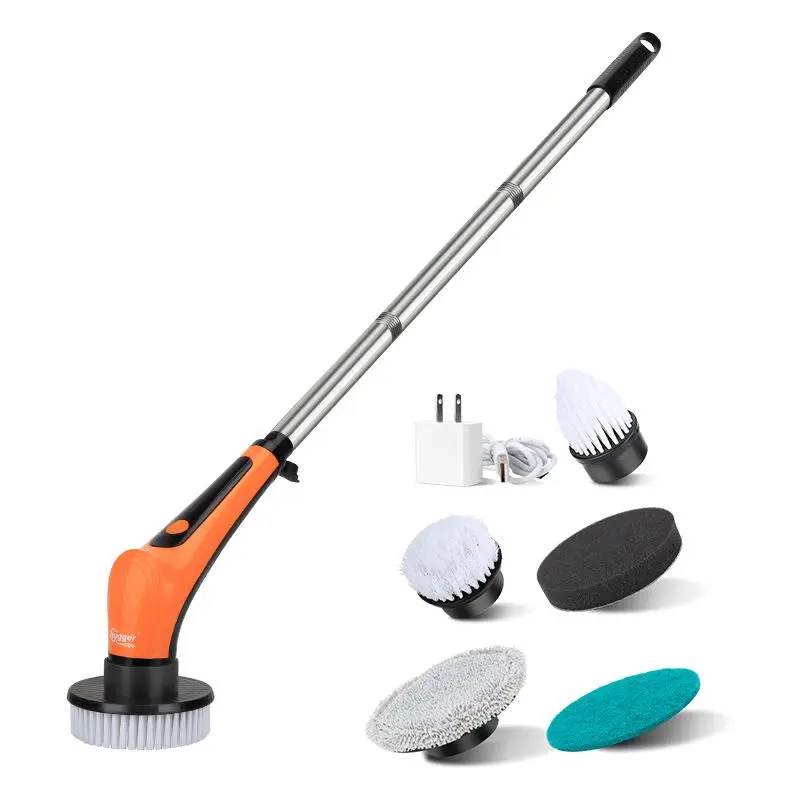
Credit: www.hygger-online.com
Cleaning Different Aquarium Surfaces
Keeping your aquarium clean is important for healthy fish and plants. Different surfaces need different cleaning brushes.
Using the right brush helps remove dirt without damaging the tank or decorations.
Glass And Acrylic Walls
Glass and acrylic walls collect algae and water stains. Cleaning them regularly keeps the tank clear.
Use soft brushes or scrapers made for aquarium glass. Avoid hard brushes on acrylic to prevent scratches.
- Soft sponge brushes work well on glass
- Magnetic scrubbers clean walls without getting wet
- Acrylic needs gentle brushes or cloths
- Scrapers remove tough algae but use carefully
Decorations And Ornaments
Decorations can get slimy from algae and fish waste. Clean them to keep the tank looking nice.
Use small brushes to reach tight spots on ornaments. Soft bristles avoid damaging paint or finish.
- Use toothbrush-sized brushes for detailed cleaning
- Soft nylon brushes prevent damage
- Rinse decorations in tank water, not tap water
- Clean decorations regularly but gently
Substrate And Gravel
Gravel and substrate collect debris and leftover food. Cleaning keeps water clean and fish healthy.
Use gravel vacuum brushes to clean substrate without removing it. This removes waste and dirt easily.
- Gravel vacuums suck up debris and clean substrate
- Brushes with stiff bristles help loosen dirt
- Clean substrate during water changes for best results
- Avoid over-cleaning to keep beneficial bacteria
Tips For Effective Brush Cleaning
Cleaning brushes help keep your aquarium safe and clean. Using the right tips makes cleaning easier.
Learn how often to clean, how to brush properly, and how to protect your aquatic life.
Frequency Of Cleaning
Clean your aquarium brushes regularly to avoid algae build-up. This keeps your tank clear and healthy.
Brushes used often may need cleaning after each use. Less used brushes can be cleaned weekly.
- Rinse brushes after every use
- Deep clean brushes at least once a week
- Replace brushes if bristles wear out
Proper Brushing Techniques
Use gentle strokes to avoid scratching the glass or decorations. Clean all surfaces evenly.
Focus on corners and hard-to-reach spots. Move the brush in circular motions for better cleaning.
- Hold the brush firmly but gently
- Brush slowly to remove algae and dirt
- Rinse brush in clean water often
Avoiding Damage To Aquatic Life
Remove fish and plants before cleaning to keep them safe. Avoid stirring up too much debris.
Use brushes made for aquarium use. Avoid harsh chemicals that can harm your aquatic pets.
- Clean brushes outside the tank
- Do not use soap or detergent
- Keep fish away during cleaning
Maintaining Your Aquarium Brushes
Cleaning brushes are essential tools for aquarium care. They help keep tanks free from algae and debris. Proper maintenance of these brushes ensures they last longer and work well.
Taking time to clean and store your brushes correctly can prevent contamination. It also protects your fish from harmful bacteria and keeps the aquarium environment healthy.
Cleaning And Sanitizing Brushes
After each use, rinse the brushes under warm water to remove any dirt or algae. Avoid using soap as it can leave harmful residues. Instead, soak the brushes in a solution of water and white vinegar for 10 minutes to disinfect them.
- Rinse brushes with warm water immediately after use
- Soak brushes in vinegar solution for deep cleaning
- Use a soft brush to scrub bristles gently if needed
- Rinse again thoroughly before drying
- Do not use harsh chemicals or soap
Storage And Replacement Guidelines
Store brushes in a dry, well-ventilated area to prevent mold and bacteria growth. Keep them separate from other aquarium tools to avoid cross-contamination. Check the brushes regularly for wear and tear.
| Condition | Action |
|---|---|
| Bristles bent or frayed | Replace the brush immediately |
| Brush has a foul smell | Clean or replace to avoid bacteria |
| Brush handle cracked or loose | Replace for safety and ease of use |
| Brush used for over 6 months | Consider replacement to maintain hygiene |
Alternative Tools For Aquarium Maintenance
Keeping an aquarium clean is important for fish health. Many tools help with cleaning, but some alternatives work well too. These tools can make aquarium maintenance easier and safer.
This guide covers three alternative tools: magnetic scrubbers, foam pads and sponges, and DIY cleaning tools. Each has its own benefits for aquarium care.
Magnetic Scrubbers
Magnetic scrubbers clean aquarium glass without putting your hands in the water. They have two parts with magnets inside.
One part goes inside the tank, the other stays outside. Move the outside part to scrub the glass inside.
- Works well for hard-to-reach spots
- Prevents scratches on the glass
- Easy and quick to use
- Safe for fish and plants
Foam Pads And Sponges
Foam pads and sponges are gentle tools to clean aquarium surfaces. They remove algae and dirt without harming glass or acrylic.
Use clean, soft foam to avoid scratches. These tools can also clean decorations and filters outside the tank.
- Soft texture protects delicate surfaces
- Can be used wet or dry
- Affordable and easy to find
- Good for small cleaning tasks
Diy Cleaning Tools
You can make your own cleaning tools with simple household items. This saves money and customizes tools for your tank.
Examples include using a toothbrush for corners or a soft cloth on a stick for glass cleaning. Always clean these tools before use.
- Toothbrush for small spots and corners
- Soft cloth wrapped on a stick for glass
- Plastic scrapers made from old credit cards
- Pipe cleaners for tubing and filters

Credit: www.amazon.com

Credit: www.walmart.com
Frequently Asked Questions
What Types Of Brushes Are Best For Aquarium Maintenance?
Soft-bristle brushes clean glass without scratching. Nylon brushes remove algae effectively. Small brushes help clean decorations and plants precisely. Choosing the right brush depends on tank size and cleaning needs.
How Often Should I Clean My Aquarium Brushes?
Clean brushes after every use to avoid bacterial growth. Rinse thoroughly with warm water. Regular cleaning ensures brushes remain effective and safe for aquarium use.
Can Cleaning Brushes Harm My Aquarium Fish?
Properly used brushes do not harm fish. Avoid aggressive scrubbing near fish. Use soft brushes gently to prevent stress or injury during maintenance.
What Materials Are Aquarium Cleaning Brushes Made From?
Aquarium brushes typically use nylon or silicone bristles. Handles are often plastic or wood. These materials resist water damage and provide effective cleaning without harming the tank.
Conclusion
Cleaning brushes keep your aquarium clear and healthy. They reach spots other tools cannot clean well. Regular use stops algae and dirt buildup fast. Choose brushes that fit your tank size and needs. Simple care tools help your fish live better.
Clean tanks show off your fish’s true colors. Keep your aquarium fresh with the right brushes. Small effort, big difference.