
If you keep brackish fish, you know how tricky it can be to maintain the perfect water conditions. Your fish need just the right balance between fresh and saltwater to stay healthy and vibrant.
But how do you make sure your water is always safe and clean? The answer lies in choosing the best water treatments designed specifically for brackish environments. You’ll discover simple, effective solutions that protect your fish and keep your tank thriving.
Keep reading to find out how to make your brackish water tank a healthy home for your aquatic friends.

Credit: www.pond-planet.co.uk
Brackish Water Basics
Brackish water is a mix of fresh and saltwater. It is found where rivers meet the sea.
Many fish live in brackish water. Keeping the water healthy is key for their survival.
What Is Brackish Water
Brackish water has more salt than fresh water but less than seawater. Its salt levels vary by location and tide.
This water type often appears in estuaries, mangroves, and coastal marshes. It creates a unique habitat for many species.
Common Brackish Fish Species
Several fish species thrive in brackish water. They can handle changes in salt levels.
- Figure Eight Puffer
- Scat Fish
- Green Spotted Puffer
- Molly Fish
- Archerfish
Water Parameters To Monitor
Monitoring water parameters is vital to keep brackish fish healthy. It helps avoid stress and disease.
| Parameter | Ideal Range | Importance |
| Salinity | 1.005 – 1.015 specific gravity | Maintains proper salt balance |
| pH | 7.5 – 8.5 | Supports fish metabolism |
| Temperature | 74°F – 82°F (23°C – 28°C) | Ensures comfort and activity |
| Ammonia | 0 ppm | Prevents toxicity |
| Nitrite | 0 ppm | Avoids poisoning |
| Nitrate | < 20 ppm | Keeps water clean |
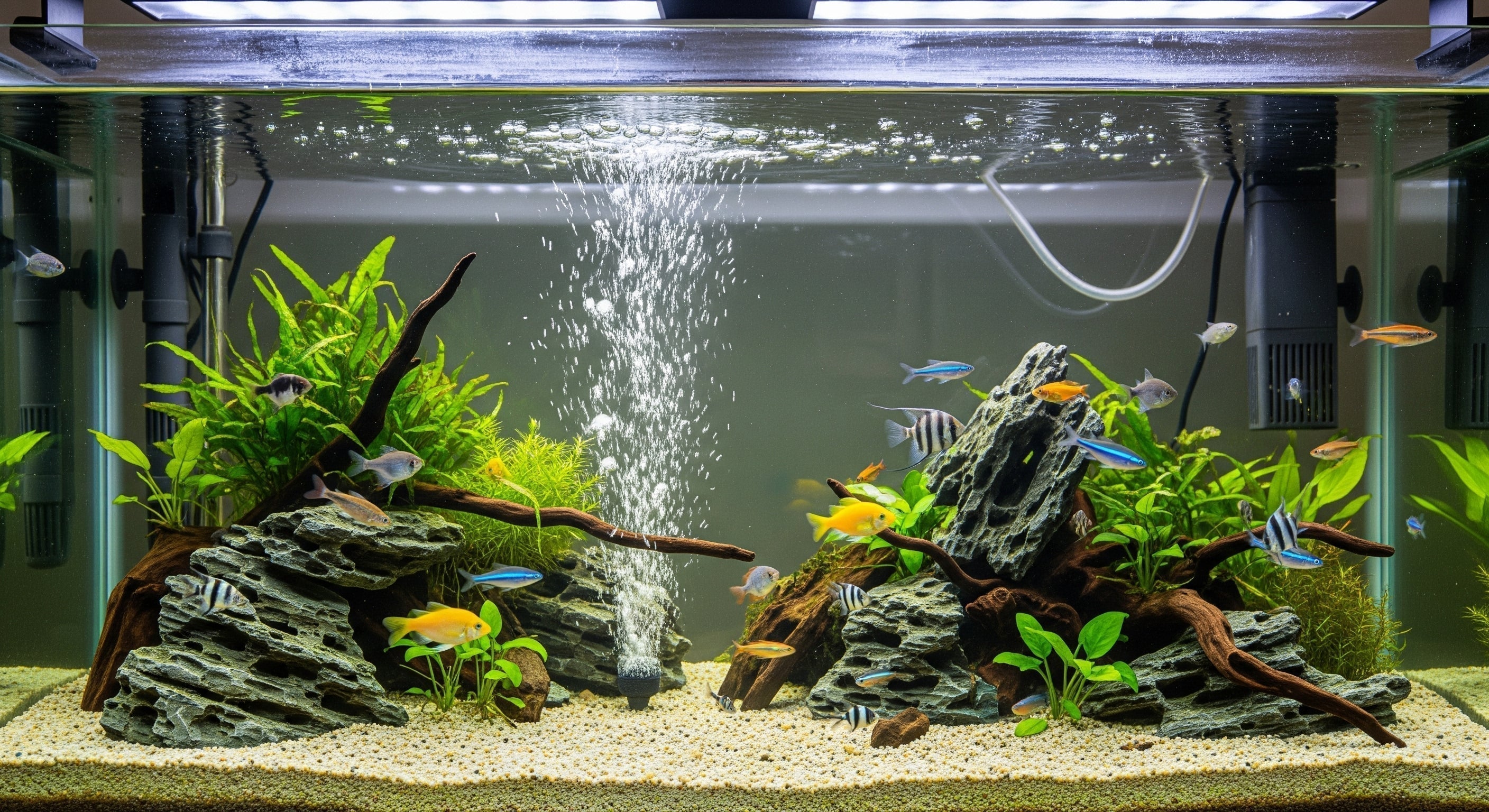
Credit: www.pond-planet.co.uk
Essential Water Treatments
Brackish fish need special water care to stay healthy. Treating the water helps keep fish safe and happy.
Good water treatments balance salt, pH, and remove harmful chemicals. These steps protect your fish.
Salinity Adjustment Techniques
Brackish water has salt levels between fresh and seawater. Adjusting salinity is key for these fish.
Use marine salt mix to raise salt levels. Add fresh water to lower salinity. Test water often.
- Measure salinity with a hydrometer or refractometer
- Add salt mix slowly to avoid shocking fish
- Keep salinity stable to reduce stress
- Change water gradually during water changes
Ph Stabilization Methods
Brackish fish need a steady pH to stay healthy. Sudden changes can harm them.
Use buffers to keep pH stable. Test water regularly to track pH levels.
- Add crushed coral or aragonite to raise pH naturally
- Use commercial pH stabilizers if needed
- Avoid mixing water with very different pH
- Monitor pH weekly for best results
Ammonia And Nitrite Control
Ammonia and nitrite are toxic to brackish fish. Remove them quickly to prevent harm.
Use biological filters to break down toxins. Test water to check levels often.
- Perform regular water changes to reduce toxins
- Use ammonia removers during high levels
- Keep filter media clean but not sterile
- Do not overfeed fish to reduce waste
Filtration Systems
Filtration systems keep water clean for brackish fish. They remove waste and harmful substances.
Choosing the right filtration helps fish stay healthy and the tank clear.
Choosing The Right Filter
Select a filter that fits your tank size and water type. Brackish water needs filters that handle salt levels.
- Consider flow rate suitable for your fish species
- Look for filters that combine mechanical and biological filtration
- Ensure easy maintenance and cleaning
- Choose filters that can handle saltwater corrosion
Biological Filtration Benefits
Biological filtration uses good bacteria to break down fish waste. This process helps keep ammonia and nitrite low.
– Converts harmful toxins to less harmful nitrate.
– Supports a stable and healthy tank environment.
– Requires a surface where beneficial bacteria can grow.
– Works best with proper oxygen levels in the water.
Mechanical And Chemical Filtration
Mechanical filtration removes solid waste like uneaten food and debris. Chemical filtration removes dissolved toxins.
| Filtration Type | Function | Common Materials |
| Mechanical | Traps particles | Foam, sponge, filter floss |
| Chemical | Removes toxins | Activated carbon, zeolite |
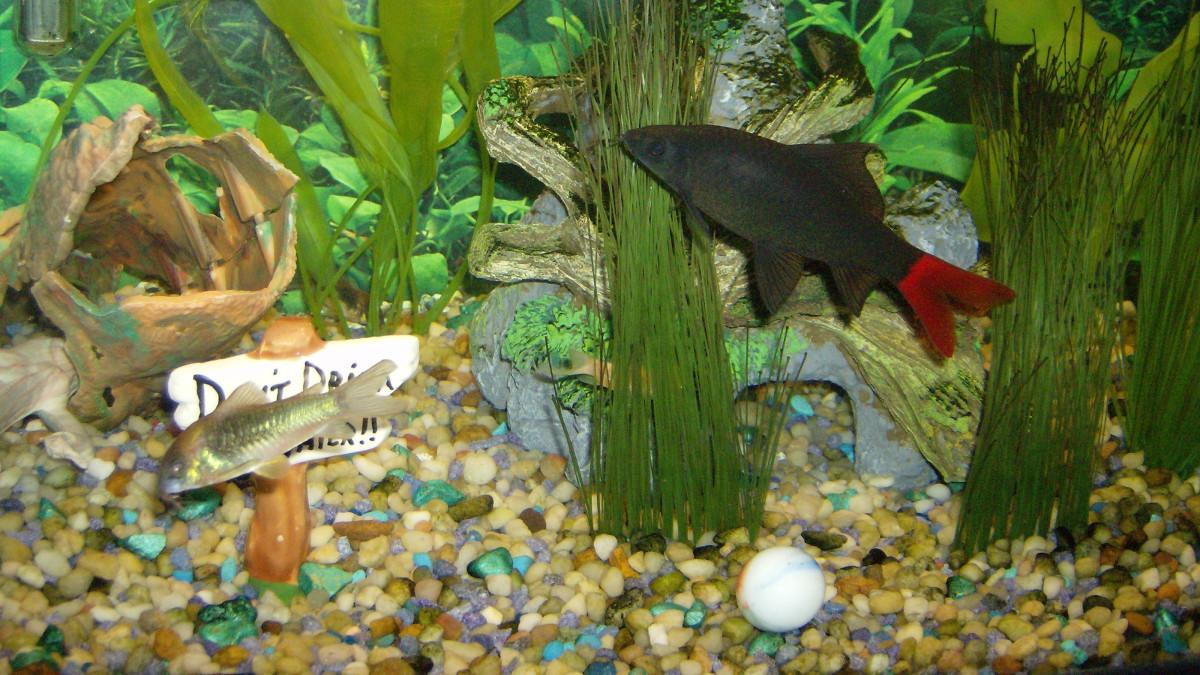
Credit: pethelpful.com
Water Conditioning Products
Water treatment is key for keeping brackish fish healthy. Proper products adjust water quality for their unique needs.
Using the right conditioners helps remove harmful chemicals and improve fish wellbeing in brackish tanks.
Dechlorinators And Detoxifiers
Tap water contains chlorine and chloramine, which harm fish. Dechlorinators remove these chemicals safely.
- Neutralize chlorine and chloramine
- Detoxify heavy metals like copper and lead
- Protect fish gills and skin
- Make water safe quickly for new tanks
Beneficial Bacteria Supplements
Good bacteria help break down fish waste. Adding supplements speeds up the nitrogen cycle.
| Benefit | Effect |
| Ammonia reduction | Stops toxic buildup |
| Nitrite conversion | Protects fish health |
| Nitrate control | Improves water clarity |
Mineral Additives For Brackish Fish
Brackish fish need minerals like calcium and magnesium. Additives keep these levels balanced.
Common mineral additives include:
- Calcium chloride for bone and scale health
- Magnesium sulfate for muscle function
- Trace elements for color and growth
Maintenance And Testing
Brackish fish need special water care. Regular maintenance keeps them healthy. Testing and cleaning are key steps.
Understanding these steps helps keep your fish happy. Let’s explore how to do this effectively.
Regular Water Testing Routines
Testing water quality is important. It ensures a safe environment for your fish. Test for salinity, pH, and ammonia.
Use test kits regularly. They help you monitor the water condition. This keeps your fish safe from harmful changes.
- Check salinity weekly
- Test pH every two weeks
- Monitor ammonia levels weekly
Partial Water Changes
Partial water changes remove toxins. They help maintain stable water conditions. Change about 25% of the water weekly.
This process dilutes waste and chemicals. Fresh water is essential for fish health. Remember to match the new water’s salinity.
- Replace 25% of water weekly
- Match salinity of new water
- Use dechlorinated water
Cleaning And Tank Upkeep Tips
Cleaning the tank prevents disease. It also keeps the environment pleasant for fish. Regular cleaning is necessary.
Remove algae and scrub tank walls gently. Clean the filter every month. This ensures effective filtration.
- Scrub tank walls weekly
- Clean the filter monthly
- Remove uneaten food daily
Preventing Common Issues
Keeping brackish fish healthy needs careful water treatment. Problems often come from salt changes, algae, and diseases. Taking steps to avoid these issues helps fish live longer and happier.
Good water care means watching salt levels, controlling algae, and treating diseases fast. Each part needs its own plan to keep the tank safe and clean.
Avoiding Salt Fluctuations
Salt changes can stress brackish fish and cause health issues. Keep salt levels steady by testing water often. Use a reliable hydrometer or refractometer for accuracy.
- Change water slowly over several hours
- Mix new water to the right salinity before adding
- Keep salt levels within the recommended range for your fish
- Avoid using tap water without treating it first
- Check salt levels at least twice a week
Managing Algae Growth
Algae can grow fast in brackish tanks. Too much algae harms water quality and blocks light. Control algae by limiting light and feeding fish properly.
| Method | Description |
| Lighting | Keep light on 8-10 hours daily to slow algae |
| Feeding | Feed fish only what they eat in 3 minutes |
| Cleaning | Remove algae from glass and decorations weekly |
| Plants | Add live plants to compete with algae for nutrients |
Treating Common Diseases
Brackish fish can get diseases like ich, fin rot, and fungal infections. Early treatment stops illness from spreading. Quarantine new fish to prevent disease entry.
Common Treatments:
- Use salt baths for mild parasite infections
- Apply antibacterial medicines for fin rot
- Keep water clean and stable during treatment
- Raise temperature slightly to speed healing, if safe
Frequently Asked Questions
What Is The Best Water Treatment For Brackish Fish?
The best water treatment for brackish fish is using a mix of freshwater and marine salt. This maintains the right salinity level. Regular water changes and filtration help keep the environment healthy and stable for the fish.
How Often Should I Treat Brackish Aquarium Water?
Treat brackish aquarium water during every water change, typically every 1-2 weeks. Consistent treatment controls salinity, removes toxins, and supports fish health. Regular testing ensures water parameters stay within safe ranges.
Can I Use Freshwater Conditioners For Brackish Fish?
Freshwater conditioners can be used but must be combined with marine salt. They remove chlorine and harmful chemicals but don’t adjust salinity. Use brackish-specific products for best results.
What Role Does Salinity Play In Water Treatment?
Salinity is crucial as brackish fish need moderate salt levels. Proper salinity supports fish osmoregulation and immune health. Water treatment must maintain stable salinity to prevent stress and disease.
Conclusion
Choosing the right water treatment helps brackish fish stay healthy. Clean water reduces stress and prevents disease. Use treatments that balance salt and minerals carefully. Test water regularly to keep conditions stable. Remember, healthy fish need good water habits daily.
Simple steps make a big difference in your tank. Keep learning and adjusting for the best results. Your fish will thank you with vibrant colors and active swimming. Healthy water equals happy brackish fish.