
If you want your aquarium fish to thrive, the water quality must be just right. One key factor is water hardness—too hard or too soft, and your fish could get stressed or sick.
But don’t worry, adjusting your aquarium’s water hardness is easier than you think. You’ll discover simple, effective ways to treat your aquarium water and create the perfect environment for your aquatic friends. Keep reading to learn how to make your tank a healthy, happy home for your fish.
Types Of Water Hardness
Water hardness is important for aquarium health. It affects fish, plants, and water quality.
Two main types of hardness are General Hardness (GH) and Carbonate Hardness (KH). Both affect water differently.
General Hardness (gh)
General Hardness measures the amount of calcium and magnesium in water. These minerals are good for fish bones and plants.
GH affects fish health and helps keep water stable. Too low or too high GH can stress fish.
- Low GH means soft water, less minerals
- High GH means hard water, more minerals
- Most tropical fish prefer moderate GH levels
Carbonate Hardness (kh)
Carbonate Hardness shows the level of carbonates and bicarbonates in water. It controls water pH stability.
KH acts as a buffer to stop sudden pH changes. Stable pH keeps fish healthy and happy.
- Low KH means weak buffering, pH can change fast
- High KH means strong buffering, pH stays steady
- Most aquariums need moderate KH for balance
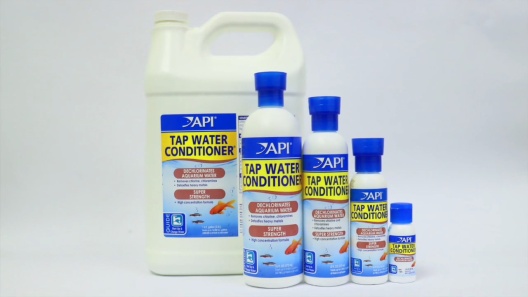
Credit: www.chewy.com
Effects Of Hard Water On Aquatic Life
Hard water contains high levels of minerals like calcium and magnesium. These minerals affect the water quality in aquariums.
Aquatic life can react differently to hard water. Some species handle it well, while others may face problems.
Impact On Fish Health
Hard water changes the balance of minerals fish need. It can cause stress and affect their immune system.
Some fish may develop skin and gill problems in hard water. Others might have trouble with reproduction.
- Hard water can raise pH levels, causing discomfort.
- Excess minerals may clog fish gills.
- Stress from hard water weakens disease resistance.
- Breeding can be difficult for soft water species.
Influence On Plant Growth
Hard water affects aquarium plants by changing nutrient availability. Some minerals help plants grow, but too much can harm them.
High mineral levels can cause leaf damage and slow growth. It also affects the absorption of essential nutrients.
- Calcium helps strengthen plant cell walls.
- Magnesium is important for photosynthesis.
- Too many minerals cause leaf spots and decay.
- Hard water may reduce nutrient uptake efficiency.
Testing Aquarium Water Hardness
Water hardness is an important factor for fish health. It measures the amount of minerals like calcium and magnesium in the water.
Testing hardness helps you keep your aquarium safe. It also guides you on how to adjust the water properly.
Using Test Kits
Test kits are simple tools to check water hardness at home. They usually come with drops or strips.
For drop kits, add water to the test tube. Then add the drops as the instructions say. Count the drops until the color changes.
- Strip kits require dipping strips into the water.
- Wait a few seconds for the strip to change color.
- Compare the strip color to the chart provided.
Interpreting Test Results
Test results show water hardness in units like dGH or ppm. These numbers tell how soft or hard the water is.
Soft water has low mineral levels, while hard water has high levels. Different fish prefer different hardness ranges.
| Hardness Level | dGH (Degrees of General Hardness) | Description |
|---|---|---|
| Soft | 0-4 | Low minerals, good for soft water fish |
| Moderate | 5-12 | Balanced minerals, suits many species |
| Hard | 13+ | High minerals, for hard water fish |
Methods To Soften Aquarium Water
Hard water can cause problems for many fish species. It has high levels of minerals like calcium and magnesium. Softening water helps create a safer environment for your aquatic pets.
There are several ways to reduce water hardness. Each method changes the water chemistry in a different way. Choosing the right method depends on your aquarium needs.
Using Reverse Osmosis (ro) Water
Reverse osmosis water is pure and free from minerals. It comes from a filtration system that removes calcium and magnesium. Using RO water lowers hardness effectively.
You can mix RO water with your tap water to get the right softness. This method gives you control over the water hardness. It is safe for most freshwater aquariums.
Adding Peat Moss Or Almond Leaves
Peat moss and almond leaves release tannins into the water. These natural substances soften the water by binding minerals. They also lower the pH slightly.
These additions create a more natural habitat for some fish. They also give the water a slight brown tint. Change the water regularly to avoid too much acidity.
- Place peat moss in a mesh bag inside the filter
- Add dried almond leaves directly to the tank
- Replace them every few weeks for best results
Chemical Softeners And Their Use
Chemical softeners reduce hardness by removing calcium and magnesium ions. These products work fast and are easy to use. Always follow the instructions on the label.
Using too much can harm your fish and plants. Test your water hardness before and after use. This helps keep your aquarium safe and stable.
Increasing Water Hardness Safely
Water hardness is important for many aquarium fish and plants. It affects their health and growth. You can increase hardness safely by using proper methods.
This guide explains how to add minerals, use natural materials, and balance water hardness for a healthy aquarium.
Adding Mineral Salts
Mineral salts are a direct way to raise water hardness. They add calcium and magnesium, which are essential minerals for aquarium life.
- Use calcium sulfate or magnesium sulfate for precise control.
- Add small amounts slowly to avoid shocking your fish.
- Test water hardness regularly to track changes.
- Follow product instructions carefully to keep safe levels.
Using Crushed Coral Or Limestone
Crushed coral and limestone raise hardness naturally. They slowly release minerals as water passes over them.
| Material | Main Mineral | Effect on Water |
| Crushed Coral | Calcium Carbonate | Raises GH and KH gradually |
| Limestone | Calcium Carbonate | Increases hardness and buffers pH |
Place crushed coral or limestone in a filter bag or substrate to keep water clear.
Balancing Gh And Kh
General Hardness (GH) measures minerals like calcium and magnesium. Carbonate Hardness (KH) measures carbonate and bicarbonate ions.
- Test both GH and KH with aquarium test kits.
- If GH is low, add mineral salts or natural materials.
- If KH is low, add carbonate sources like baking soda carefully.
- Keep KH stable to avoid sudden pH changes.
- Adjust slowly and test often for best results.

Credit: www.amazon.com
Maintaining Stable Water Hardness
Stable water hardness is important for a healthy aquarium. Fish and plants thrive in the right conditions. Adjusting water hardness ensures a balanced environment.
Hardness affects the minerals in water. These minerals support aquatic life. Regular monitoring and adjustments keep the water suitable for all inhabitants.
Regular Water Changes
Changing the water helps maintain hardness levels. Fresh water brings new minerals into the tank. It also removes impurities that might alter hardness.
Frequent water changes are key to stability. Replace about 10-20% of the tank water weekly. This keeps conditions optimal for fish and plants.
- Use dechlorinated water for changes
- Check water hardness before and after changes
- Adjust frequency based on tank size and population
Monitoring And Adjusting Parameters
Regular monitoring is essential for stable hardness. Test kits measure hardness levels accurately. Keep records to track changes over time.
Adjust parameters if levels are too high or low. Use water conditioners to modify hardness. They add or remove minerals as needed.
| Parameter | Action |
| High Hardness | Use reverse osmosis water |
| Low Hardness | Add calcium carbonate |
Common Mistakes To Avoid
Adjusting aquarium water hardness can be tricky. Mistakes can harm your fish. It’s essential to know what errors to avoid.
Understanding common pitfalls helps in maintaining a healthy aquatic environment. Let’s explore these mistakes in more detail.
Overcorrecting Hardness Levels
Overcorrecting water hardness is a frequent mistake. It can stress fish and affect their health. Balance is key to a thriving aquarium.
- Test water hardness regularly
- Use recommended products for adjustments
- Avoid drastic changes in water conditions
Ignoring Compatibility Of Fish Species
Different fish have different water hardness needs. Ignoring these can lead to unhealthy fish or even fatalities.
| Fish Species | Recommended Hardness (dGH) |
| Neon Tetra | 1-2 |
| Guppy | 8-12 |
| Goldfish | 5-19 |

Credit: www.amazon.co.uk
Tips For Specific Aquarium Types
Adjusting water hardness is key to keeping fish healthy. Different aquarium types need different care. This guide helps you treat water hardness for your tank.
Learn how to manage hardness in freshwater, saltwater, and planted aquariums. Each type has unique needs and tips.
Freshwater Aquariums
Freshwater fish thrive in specific hardness levels. Test your water often and adjust slowly to avoid stress.
- Use crushed coral or limestone to increase hardness naturally.
- Use reverse osmosis (RO) water to lower hardness.
- Add commercial water conditioners designed for freshwater tanks.
- Change water regularly to keep hardness stable.
- Match water hardness to the type of fish you keep.
Saltwater Aquariums
Saltwater tanks need balanced hardness for coral and fish health. Keep calcium and magnesium levels stable.
| Parameter | Recommended Level |
| Calcium (Ca) | 400-450 ppm |
| Magnesium (Mg) | 1250-1350 ppm |
| Total Hardness (GH) | 8-12 dGH |
| Alkalinity | 8-12 dKH |
Use supplements if levels fall below these ranges. Regular testing is important to keep the water chemistry balanced.
Planted Tanks
Plants need soft to moderately hard water. High hardness can affect plant growth and nutrient uptake.
Tips for adjusting hardness in planted tanks:
- Use RO or distilled water mixed with tap water to lower hardness.
- Add peat moss or almond leaves to soften water naturally.
- Test water weekly to monitor hardness changes.
- Keep hardness stable to prevent plant stress.
- Choose plants suited for your water hardness level.
Frequently Asked Questions
What Is Aquarium Water Hardness?
Aquarium water hardness measures dissolved minerals like calcium and magnesium. It affects fish health and plant growth. Proper hardness ensures a stable environment and prevents stress or diseases in aquatic life.
How To Reduce Hardness In Aquarium Water?
You can reduce hardness by using reverse osmosis water or adding peat moss. Regular water changes with softer water also help. Avoid sudden changes to prevent harming fish.
Why Adjust Hardness In Aquarium Water?
Adjusting hardness ensures a suitable habitat for specific fish species. It promotes optimal biological processes and prevents mineral imbalances that can harm fish and plants.
What Chemicals Treat Hard Aquarium Water?
Water softeners like sodium bicarbonate or commercial hardness reducers adjust hardness. Use carefully to avoid sudden changes. Always follow product instructions for safe application.
Conclusion
Adjusting aquarium water hardness keeps fish healthy and happy. Test water regularly to track changes. Use safe treatments to balance hardness levels carefully. Soft water or hard water suits different fish species. Keep changes slow to avoid stressing aquatic life.
Healthy water means vibrant colors and active fish. Simple steps make a big difference in tank care. Stay consistent and patient for the best results. Your fish will thank you with good health and energy.