
If you want your baby fish to grow strong and healthy, feeding them the right food is key. Fry food for baby fish isn’t just any food—it’s specially made to give your tiny fish the nutrients they need at this critical stage.
Are you struggling to find the best food that helps your fry thrive? Keep reading, because understanding what to feed your baby fish can make all the difference between weak fry and a vibrant, lively aquarium. You’ll learn simple tips to choose and use fry food that supports their growth every step of the way.
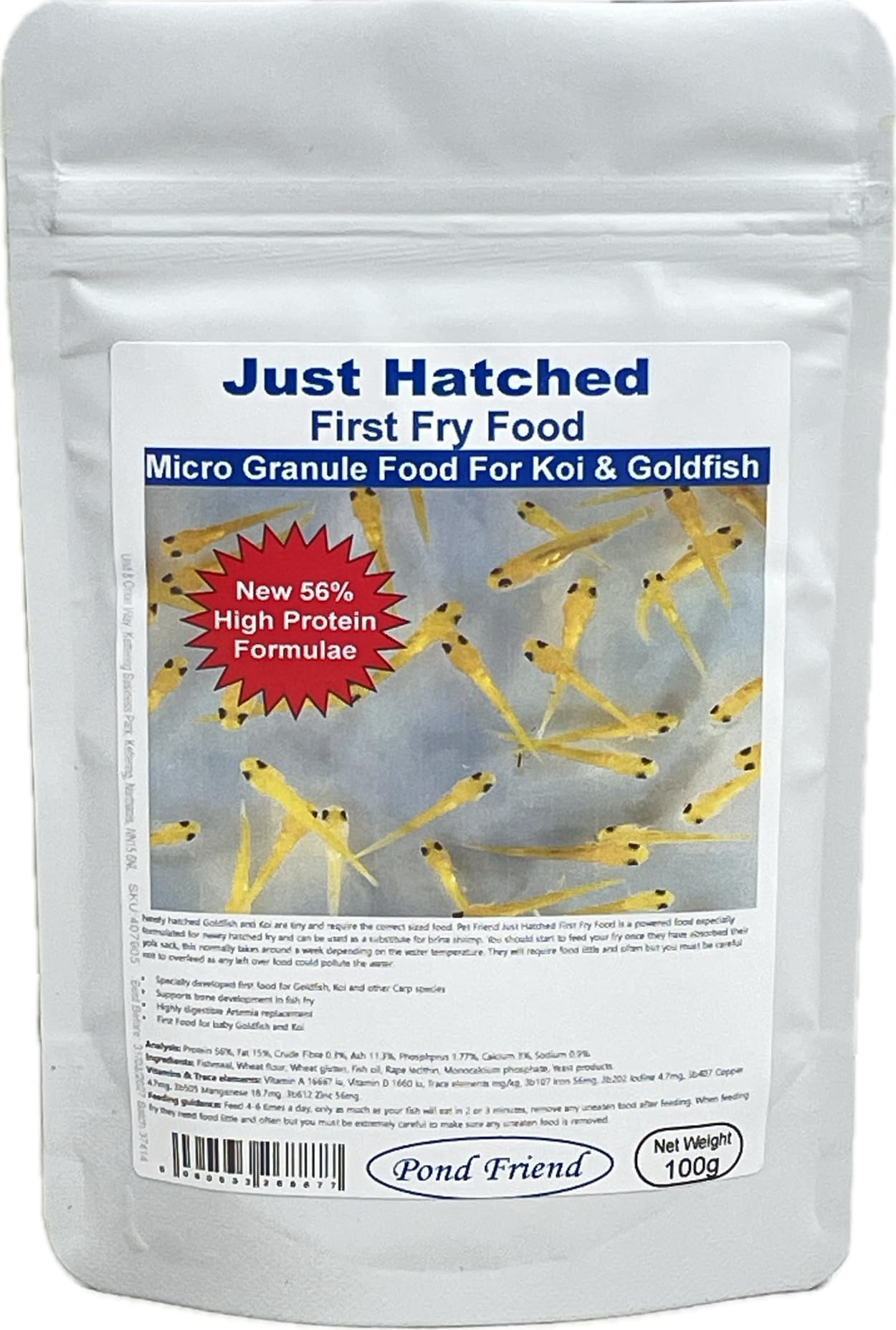
Credit: www.amazon.co.uk
Choosing The Right Fry Food
Feeding baby fish, or fry, the right food is key to their growth. Choosing food that fits their needs helps keep them healthy and strong.
This guide explains important points about fry food. You will learn about live and prepared food, nutrition, and food size.
Live Vs. Prepared Food
Live food often attracts fry more because it moves and looks natural. Prepared food is easier to store and use anytime.
- Live food:Includes baby brine shrimp, microworms, and daphnia.
- Prepared food:Comes as flakes, powders, or pellets made for fry.
- Live food can boost growth but needs care to avoid contamination.
- Prepared food is safer but may not be as exciting for fry.
Nutritional Needs Of Fry
Fry need food rich in protein to build strong muscles and bones. Vitamins and minerals also help their immune system and color development.
| Nutrient | Purpose | Source |
|---|---|---|
| Protein | Muscle and bone growth | Live food, prepared fry food |
| Vitamins A and C | Immune system support | Vegetable-based powders, enriched live food |
| Fatty acids | Energy and brain development | Live food, special fry feeds |
| Minerals | Bone strength and metabolism | Balanced prepared feeds |
Size And Texture Considerations
Fry can only eat food small enough to fit in their mouths. Soft or crumbly textures help fry eat easily and digest the food well.
- Choose food particles smaller than fry mouths.
- Use powdered or crushed flakes for very small fry.
- Soft textures reduce risk of choking or poor digestion.
- Change food size as fry grow to avoid waste.

Credit: www.pond-planet.co.uk
Types Of Fry Food
Choosing the right food for baby fish is important for their growth. Fry need small, nutritious food to stay healthy. This guide covers common types of fry food you can use.
Each food type offers different benefits. Some are natural, while others are prepared or homemade. Learn more about these options to feed your fry properly.
Infusoria And Microorganisms
Infusoria are tiny water organisms that baby fish can eat. They are easy to culture at home using vegetable scraps and water. Microorganisms provide a natural and nutritious first food for fry.
- Rich in protein and easy to digest
- Small enough for very young fry
- Can be grown in a simple jar
- Helps fry learn to hunt live food
Baby Brine Shrimp
Baby brine shrimp are a popular live food for fry. They are highly nutritious and stimulate natural hunting behavior. These tiny shrimp hatch from eggs and are easy to prepare.
| Benefit | Description |
| Nutrition | High in protein and fat |
| Size | Perfect for small mouths |
| Availability | Easy to hatch at home |
| Activity | Encourages fry to swim and hunt |
Crushed Flakes And Pellets
Crushed flakes and pellets are dry foods suitable for older fry. You can crush regular fish flakes into fine pieces. Pellets made for small fish can also be used after crushing.
- Easy to store and use
- Good for gradual weaning from live food
- Must be crushed very small
- Not as nutritious as live food
Homemade Food Options
Homemade foods let you control ingredients. You can make mixtures using egg yolk, vegetables, or fish meat. These foods provide variety and good nutrition if prepared well.
| Ingredient | Use | Preparation |
|---|---|---|
| Egg Yolk | Protein source | Boil and mash finely |
| Vegetables | Vitamins and fiber | Steam and puree |
| Fish Meat | High protein | Cook and grind |
| Gelatin | Bind ingredients | Dissolve and mix |
Feeding Frequency And Amount
Feeding baby fish, or fry, the right amount at the right times helps them grow healthy. Too much or too little food can harm their development.
Understanding how often to feed fry and how to spot feeding problems is key to their survival and growth.
How Often To Feed Fry
Fry need frequent feedings because they grow fast and have small stomachs. Young fry usually eat small amounts many times daily.
- Feed newly hatched fry 3 to 4 times each day.
- Increase to 4 to 6 feedings as they grow larger.
- Feed small portions to avoid leftover food in the tank.
Avoiding Overfeeding
Overfeeding can pollute water and cause health issues in fry. Watch the amount given at each feeding carefully.
| Problem | Cause | Effect |
| Water Pollution | Excess uneaten food | Increases harmful bacteria and toxins |
| Health Problems | Too much food intake | Digestive issues and stress |
| Tank Cleanliness | Overfeeding | More frequent cleaning needed |
Signs Of Underfeeding
Underfeeding fry can slow their growth and weaken their immune systems. Watch for these signs to adjust feeding:
- Fry appear thin or smaller than others.
- Slow swimming or less active behavior.
- Increased competition for food during feeding.
- Visible hunger signs like searching tank surfaces.
Preparing And Storing Fry Food
Feeding baby fish needs care and attention. Proper food helps fry grow strong and healthy.
Preparing and storing fry food correctly keeps it fresh and safe for your baby fish.
Proper Handling Techniques
Handle fry food with clean hands and tools. This stops germs from spreading.
Use small portions to avoid waste and keep food fresh longer.
- Wash hands before touching food
- Use clean spoons or tweezers
- Feed small amounts at a time
- Remove leftover food quickly
Storage Tips For Freshness
Store fry food in a cool and dry place. This stops mold and spoilage.
Use airtight containers to keep air and moisture out.
- Keep food in sealed containers
- Store in the refrigerator if needed
- Label containers with date opened
- Use food within recommended time
Maintaining Food Quality
Check fry food before feeding. Look for changes in color or smell.
Discard food that looks or smells bad. Old food can harm baby fish.
- Inspect food regularly for freshness
- Avoid exposure to sunlight
- Keep food dry and cool
- Replace old food promptly
Monitoring Fry Growth
Watching fry grow is important for healthy fish development. Careful monitoring helps spot problems early.
Good feeding and tank conditions support strong growth and survival of baby fish.
Tracking Development Stages
Fry pass through clear growth stages. Tracking these helps you adjust care properly.
- Hatching: Fry emerge from eggs and start swimming.
- Yolk absorption: Fry use yolk sac for nutrition.
- Free swimming: Fry begin to eat small foods.
- Juvenile: Fry grow fins and change shape.
- Adult: Fish reach mature size and color.
Adjusting Diet As They Grow
Fry need different foods at each stage. Change diet to meet their needs.
| Stage | Food Type | Feeding Frequency |
| Hatching | Yolk sac (no feeding needed) | None |
| Yolk absorption | Infusoria or liquid fry food | 4-6 times daily |
| Free swimming | Baby brine shrimp, crushed flakes | 3-4 times daily |
| Juvenile | Small pellets, frozen foods | 2-3 times daily |
| Adult | Regular fish food | Once or twice daily |
Common Growth Issues
Watch for signs of poor growth or health problems. Early action can save fry.
- Slow or no growth
- Swollen belly or bloating
- Fins clamped or damaged
- Unusual swimming or lethargy
- White spots or fungus
Check water quality and feeding routines to fix problems.

Credit: www.amazon.com
Maintaining Water Quality
Keeping water clean is important for baby fish. Feeding them affects the water quality. Good water helps fish grow healthy and strong.
Learn how feeding, cleaning, and preventing contamination can help maintain a good environment for baby fish.
Impact Of Feeding On Water
Feeding baby fish can lead to leftover food in the water. This food can decay and make the water dirty. It’s important to feed the right amount.
- Feed small amounts at a time
- Remove uneaten food quickly
- Monitor water for cloudiness
Cleaning And Filtration
Regular cleaning and filtration keep the water clear. Filters help remove waste and particles from the water. Clean filters often for best results.
Consider using a sponge filter for gentle cleaning. Sponge filters are safe for baby fish and provide good filtration.
Preventing Contamination
Contamination from outside sources can harm baby fish. Always wash hands before touching aquarium equipment. Keep harmful chemicals away from the tank.
| Contamination Source | Prevention Method |
| Dirty hands | Wash hands before use |
| Unclean tools | Disinfect tools regularly |
| Household chemicals | Store away from tank |
Frequently Asked Questions
What Is The Best Fry Food For Baby Fish?
The best fry food is high in protein and easy to digest. Examples include infusoria, liquid fry food, and freshly hatched brine shrimp. These foods promote healthy growth and improve survival rates for baby fish.
How Often Should I Feed Baby Fish Fry?
Feed baby fish fry 3 to 4 times daily in small amounts. Frequent feeding supports steady growth and reduces waste. Remove uneaten food to maintain water quality and prevent disease.
Can I Use Commercial Fry Food For Baby Fish?
Yes, commercial fry food is specially formulated for baby fish. It contains essential nutrients for early development. Ensure the food particles are small enough for fry to eat easily.
When Can Baby Fish Start Eating Regular Fish Food?
Baby fish can start eating crushed flakes or pellets after 2-3 weeks. Gradually introduce regular food while still offering fry-specific diets. This transition supports balanced nutrition and growth.
Conclusion
Feeding baby fish the right food helps them grow strong and healthy. Small, frequent meals suit their tiny mouths best. Fresh, natural foods keep them active and lively. Avoid overfeeding to keep the tank clean and safe. Watch your fry closely to see what they like.
Healthy fry mean a happy, thriving aquarium. Simple care makes a big difference in their survival. Keep learning and enjoy watching your baby fish grow.