
If you love keeping ornamental fish, you know how important clean and safe water is for their health. But did you know that tap water can contain harmful chemicals that might stress or even harm your fish?
That’s where a water conditioner for ornamental fish tanks comes in. It’s a simple solution that transforms your water into a safe home for your colorful friends. You’ll discover how the right water conditioner can protect your fish, keep your tank sparkling, and make your fish-keeping experience easier and more enjoyable.
Keep reading to learn the secrets to a thriving, vibrant fish tank that you’ll be proud of.
Why Use Water Conditioners
Water conditioners are important for keeping ornamental fish tanks safe. They help create a healthy environment for fish to live in. Using water conditioners can prevent many common problems in fish tanks.
These products improve water quality by removing harmful substances and protecting fish health. Let’s explore why water conditioners matter.
Protecting Fish Health
Fish are sensitive to chemicals and changes in water. Water conditioners help by neutralizing chlorine and chloramine. These chemicals can harm fish gills and skin. Conditioners also reduce stress, helping fish stay healthy.
Removing Harmful Chemicals
Tap water contains chemicals that can damage fish. Water conditioners remove or neutralize these chemicals to make the water safe.
- Chlorine and chloramine: harmful disinfectants
- Heavy metals: toxic to fish and plants
- Ammonia: produced by fish waste and harmful in high amounts
- Nitrites and nitrates: harmful if they build up
Improving Water Quality
Good water quality helps fish live longer and grow. Water conditioners keep water clear and stable. They support the natural balance of bacteria that break down fish waste.
| Water Quality Factor | Role of Water Conditioner |
| pH Level | Helps keep stable pH for fish health |
| Water Clarity | Removes particles and reduces cloudiness |
| Toxins | Neutralizes harmful chemicals and metals |
| Bacteria Balance | Supports good bacteria growth |
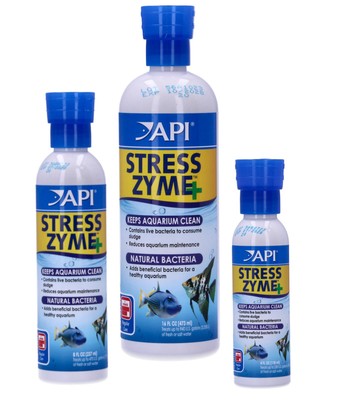
Credit: www.ebay.ca
Types Of Water Conditioners
Water conditioners are important for keeping ornamental fish tanks safe. They help remove harmful chemicals and balance water quality.
Different types of conditioners serve different purposes. Understanding each type helps you choose the right one for your tank.
Dechlorinators
Dechlorinators remove chlorine and chloramine from tap water. These chemicals are harmful to fish and need neutralizing before adding water to the tank.
Heavy Metal Neutralizers
Heavy metal neutralizers make toxic metals safe for fish. Metals like copper and lead can come from pipes or tap water. These conditioners bind metals and prevent harm.
Ammonia Detoxifiers
Ammonia detoxifiers reduce ammonia levels in the tank. Ammonia is very dangerous to fish, especially in new tanks. These conditioners break down ammonia into less harmful substances.
- Control ammonia spikes
- Help fish breathe easier
- Protect gills and skin
- Support beneficial bacteria
Ph Stabilizers
pH stabilizers keep the water’s acidity level steady. Sudden pH changes can stress or kill fish. These conditioners help maintain a safe and stable environment.
| Type | Purpose | Common Use |
|---|---|---|
| Dechlorinators | Remove chlorine and chloramine | Prepare tap water |
| Heavy Metal Neutralizers | Neutralize toxic metals | Protect fish from metal poisoning |
| Ammonia Detoxifiers | Reduce ammonia toxicity | New or stressed tanks |
| pH Stabilizers | Maintain stable pH levels | Prevent pH swings |
Choosing The Right Conditioner
Using a water conditioner is important to keep your ornamental fish safe. It removes harmful chemicals from tap water. Picking the right conditioner helps your fish stay healthy.
Different factors affect which conditioner works best. Think about your tank size, fish type, and water source. Also, check the ingredients in the conditioner.
Tank Size And Fish Species
The size of your tank affects how much conditioner you need. Large tanks need more careful dosing than small ones. Overdosing can harm your fish.
Different fish species react differently to conditioners. Some fish are sensitive to chemicals. Choose a conditioner safe for your specific fish.
- Small tanks require precise measurement of conditioner
- Large tanks need conditioners that work well at higher volumes
- Delicate fish need gentle, non-toxic conditioners
- Hardy fish can handle conditioners with extra additives
Water Source Considerations
Your water source can have different chemicals and contaminants. Tap water often contains chlorine and chloramine. Well water may have metals or minerals.
Choose a conditioner that targets the chemicals in your water. Test your water to know what to remove. Some conditioners handle multiple chemicals at once.
- Tap water: use conditioners that remove chlorine and chloramine
- Well water: select conditioners that neutralize metals and minerals
- Check if your conditioner also treats ammonia or nitrites
- Use water testing kits to guide your conditioner choice
Conditioner Ingredients To Look For
Look for ingredients that make water safe quickly. Common helpful ingredients include agents that remove chlorine and chloramine. Others detoxify ammonia and heavy metals.
Some conditioners add vitamins or slime coat protectors. These ingredients help fish recover from stress. Avoid conditioners with harmful chemicals or strong scents.
- Sodium thiosulfate: removes chlorine
- Chloramine neutralizers: break down chloramine
- Ammonia detoxifiers: reduce ammonia toxicity
- Metal chelators: neutralize heavy metals
- Vitamin supplements: support fish health
- Slime coat protectors: improve fish skin and scales

Credit: www.amazon.com
How To Use Water Conditioners
Water conditioners keep ornamental fish tanks safe and healthy. They remove harmful chemicals from tap water. Using them correctly helps your fish live well.
Learn the best ways to dose, apply, and mix water conditioners. This ensures clean water for your fish.
Dosage Guidelines
Always follow the instructions on the conditioner bottle. Use the right amount for the tank size. Too little may not work well. Too much can harm fish.
- Measure water volume in your tank accurately
- Use the recommended dose per gallon or liter
- Adjust dose if water volume changes
When To Apply
Apply water conditioner before adding new water. This protects fish from chlorine and chloramine. Use it during water changes and new tank setups.
- Before filling the tank with tap water
- During each water change
- When adding new fish
- After cleaning the tank
Mixing And Application Tips
Shake the conditioner bottle well before use. Add the conditioner to water first, not directly to the tank. Stir the water gently to mix it well.
- Shake bottle to mix ingredients
- Add conditioner to water in a bucket or container
- Stir water gently to spread conditioner evenly
- Pour treated water slowly into the tank
Common Mistakes To Avoid
Using a water conditioner is important for keeping ornamental fish healthy. Many fish owners make avoidable mistakes. These errors can harm the fish or reduce the conditioner’s effectiveness.
Knowing what to avoid helps you keep your fish tank safe. Here are some common mistakes with water conditioners.
Overdosing Conditioner
Adding too much conditioner can stress or harm your fish. More conditioner does not mean cleaner water. Overdosing may cause chemical imbalances.
Follow the instructions on the bottle carefully. Use a measuring tool to avoid guessing doses.
- Use only the recommended amount
- Measure doses precisely
- Do not add extra “just in case”
Ignoring Water Testing
Not testing your water before and after adding conditioner is a big mistake. Testing shows if the water is safe for your fish. It helps you see if the conditioner worked.
Test water parameters like chlorine, pH, and ammonia regularly. This keeps fish healthy and happy.
- Test water before adding conditioner
- Test water 24 hours after treatment
- Use reliable test kits
Using Incompatible Products
Some water conditioners do not mix well with other tank treatments. Using wrong product combinations can harm fish or cancel effects. Avoid mixing conditioners with medications unless checked.
Read product labels and instructions carefully. Use products designed for ornamental fish tanks.
- Check compatibility before mixing products
- Avoid combining conditioners and medicines without advice
- Use products made for your fish type

Credit: www.amazon.com
Natural Alternatives
Maintaining a healthy environment for ornamental fish is important. Natural alternatives can help keep water conditions optimal.
These methods are safe and effective for enhancing water quality without chemicals.
Plants And Biofilters
Plants and biofilters naturally clean the water in fish tanks. They remove toxins and provide oxygen for fish.
- Aquatic plants absorb nitrates and phosphates.
- Biofilters house beneficial bacteria.
- Mosses help reduce algae growth.
Activated Carbon
Activated carbon is a natural filter medium. It removes impurities and odors from the water, keeping it clear.
Place activated carbon in the filter system. Replace it every few weeks for best results.
Regular Water Changes
Regular water changes are essential for maintaining clean and healthy fish tanks. They help remove waste and toxins.
| Water Change Frequency | Volume to Change |
| Weekly | 10-15% |
| Bi-weekly | 20-25% |
| Monthly | 30-40% |
Maintaining Optimal Tank Conditions
Keeping your ornamental fish tank in top condition ensures healthy and vibrant fish. This requires regular monitoring and maintenance.
Understanding the needs of your fish and tank will help you achieve a balanced aquatic environment.
Monitoring Water Parameters
Regularly check water parameters to ensure a safe habitat. Key factors include pH, ammonia, and nitrate levels.
- Test pH levels weekly
- Monitor ammonia and nitrate levels
- Ensure consistent water temperature
Regular Tank Maintenance
Routine maintenance is essential for a clean and healthy tank. Clean debris and change water regularly.
| Task | Frequency |
| Water Change | Weekly |
| Filter Cleaning | Monthly |
| Gravel Vacuuming | Bi-weekly |
Balancing Fish Load
Overcrowding can lead to stress and poor water quality. Choose fish species wisely and manage their numbers.
Frequently Asked Questions
What Is A Water Conditioner For Ornamental Fish Tanks?
A water conditioner neutralizes harmful chemicals in tap water. It removes chlorine, chloramine, and heavy metals. This protects fish and promotes a healthy aquarium environment.
Why Use A Water Conditioner In Fish Tanks?
Water conditioners make tap water safe for fish. They detoxify harmful substances instantly. Using a conditioner prevents fish stress and diseases, ensuring vibrant, healthy ornamental fish.
How Often Should I Add Water Conditioner?
Add water conditioner every time you change or add water. Regular use maintains safe water conditions and protects fish from toxins in tap water.
Can Water Conditioners Remove Ammonia In Tanks?
Most water conditioners detoxify ammonia temporarily. However, biological filtration is essential to break down ammonia long-term. Conditioners provide immediate safety but don’t replace proper tank maintenance.
Conclusion
Keeping your ornamental fish tank healthy needs clean, safe water. A good water conditioner removes harmful chemicals quickly. It helps fish breathe and swim happily. Using the right conditioner keeps water clear and balanced. Fish stay strong and live longer this way.
Regular water care means less stress for your fish. Choose a conditioner that fits your tank’s needs. Simple steps make your tank a safe home. Healthy fish, clear water—easy to maintain every day.