
If you want your ornamental fish to thrive and show their true colors, clean and safe water is a must. You might think just filling the tank with tap water is enough, but there’s much more to it.
The right water treatment can make the difference between healthy, vibrant fish and ones that struggle or get sick. You’ll discover simple, effective ways to treat your aquarium water so your fish stay happy and healthy. Keep reading to learn how you can create the perfect environment for your aquatic pets.

Credit: www.youtube.com
Importance Of Water Quality
Good water quality is key for keeping ornamental fish healthy. Water must be clean and balanced.
Proper water treatment removes harmful substances and supports fish life. It helps fish live longer.
Effects On Fish Health
Dirty or poor water harms fish in many ways. It can cause stress, illness, and death.
- High ammonia or nitrite levels poison fish
- Low oxygen makes breathing hard
- Wrong pH damages fish skin and gills
- Bacteria and parasites grow in bad water
- Stress weakens fish immune systems
Impact On Tank Aesthetics
Clean water keeps the tank clear and attractive. Cloudy water and algae spoil the look.
| Water Quality Issue | Effect on Tank |
| Excess nutrients | Algae overgrowth |
| High waste levels | Cloudy water |
| Imbalanced pH | Discolored water |
| Low oxygen | Fish gasping at surface |
Credit: www.zehrs.ca
Choosing The Right Water Source
Water quality is very important for ornamental fish health. Choosing the right water source helps keep fish safe.
Different water sources have different minerals and chemicals. You must pick water that fits your fish needs.
Tap Water Considerations
Tap water is easy to get and often used for fish tanks. It can have chlorine and chloramine that harm fish.
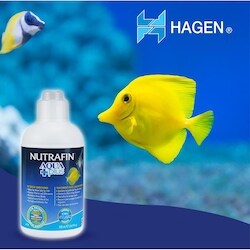
Use a water conditioner to remove harmful chemicals before adding tap water to your tank. Test water pH and hardness.
- Check local water report for chemicals
- Use dechlorinator before use
- Test pH and hardness regularly
- Avoid using hot tap water directly
Using Filtered Or Ro Water
Filtered water removes many impurities. Reverse Osmosis (RO) water is very pure with few minerals.
RO water may need minerals added back for fish health. Use a mineral supplement or mix with tap water.
- Filtered water is safer than untreated water
- RO water is very pure and soft
- Minerals should be added to RO water
- Test water parameters after filtering
Rainwater And Natural Sources
Rainwater is soft and free of chemicals. It may contain pollutants or dirt from the air or roof.
Natural water from ponds or rivers can have bacteria and parasites. Treat and test before use in tanks.
- Collect rainwater from clean surfaces
- Filter rainwater before use
- Test natural water for harmful organisms
- Treat natural water to remove parasites
Essential Water Parameters
Water quality is very important for keeping ornamental fish healthy. Good water helps fish live longer and look better.
Fish need clean water with the right balance of chemicals and temperature. Checking water often keeps fish safe.
Ph Levels
pH measures how acidic or basic the water is. Fish can get stressed if pH changes too much.
Most ornamental fish like a pH between 6.5 and 7.5. Keep pH stable for their health.
- Low pH means acidic water
- High pH means basic water
- Use a test kit to check pH regularly
Ammonia, Nitrite, And Nitrate
Ammonia and nitrite are toxic chemicals from fish waste. They can hurt or kill fish quickly.
Nitrate is less harmful but must stay low. High nitrate can cause long-term problems.
- Ammonia and nitrite should be 0 ppm
- Nitrate should be below 20 ppm
- Regular water changes reduce these chemicals
Temperature Control
Fish need water at the right temperature to stay healthy. Too hot or cold water causes stress.
Most ornamental fish thrive between 72°F and 78°F (22°C to 26°C). Use a heater or cooler to control temperature.
- Check temperature daily with a thermometer
- Avoid sudden temperature changes
- Match temperature to fish species needs
Hardness And Alkalinity
Water hardness measures minerals like calcium and magnesium. Alkalinity helps keep pH stable.
Different fish prefer soft or hard water. Proper hardness and alkalinity keep fish comfortable.
| Parameter | Ideal Range | Effect on Fish |
| Hardness (GH) | 4-12 dGH | Supports fish health and growth |
| Alkalinity (KH) | 3-8 dKH | Stabilizes pH levels |
Water Conditioning Techniques
Water conditioning is vital for keeping ornamental fish healthy. It removes harmful substances from tap water. Good water helps fish live longer and stay active.
Many techniques exist to treat water before adding it to fish tanks. These methods make water safe for delicate fish species.
Dechlorination Methods
Tap water often contains chlorine or chloramine. These chemicals kill fish and beneficial bacteria. Removing them is the first step in water treatment.
Dechlorination can be done by letting water sit or using special treatments. Letting water sit allows chlorine to evaporate naturally. This process takes at least 24 hours.
- Use an air stone to speed up chlorine removal
- Boiling water also removes chlorine quickly
- Chloramine does not evaporate and needs special treatment
Using Water Conditioners
Water conditioners are liquid products that remove harmful chemicals fast. They make tap water safe for fish within minutes.
These conditioners neutralize chlorine, chloramine, and heavy metals. They also protect fish’s slime coat, which helps prevent disease.
- Add the right dose based on water volume
- Use conditioner before adding water to the tank
- Choose conditioners safe for all fish types
Beneficial Bacteria Introduction
Beneficial bacteria help break down fish waste and toxins. They keep the water clean and healthy for fish.
Introducing these bacteria improves the aquarium’s natural filter. You can add bacteria supplements or use filter media from an established tank.
- Use bacteria supplements during tank setup
- Transfer filter media from healthy tanks to new ones
- Wait for bacteria to multiply before adding many fish
Filtration Systems
Filtration systems keep water clean and safe for ornamental fish. They remove waste and harmful substances.
Good filtration helps fish stay healthy and live longer in the aquarium.
Mechanical Filtration
Mechanical filtration removes solid waste from the water. It traps debris like uneaten food and fish waste.
Filters use sponges or pads to catch these particles before water flows back to the tank.
- Prevents water from becoming cloudy
- Reduces harmful bacteria buildup
- Makes water clearer for better viewing
Biological Filtration
Biological filtration uses good bacteria to break down fish waste. These bacteria turn waste into less harmful substances.
Special filter media provide a home for these bacteria to grow and work effectively.
- Converts ammonia into nitrites and then nitrates
- Helps keep water safe for fish
- Essential for a healthy aquarium environment
Chemical Filtration Options
Chemical filtration removes dissolved chemicals and odors from the water. Activated carbon is a common choice.
Other options include resins that remove specific toxins or water softeners.
- Activated carbon absorbs impurities and odors
- Zeolite removes ammonia in emergencies
- Resins target heavy metals and specific chemicals
Regular Water Maintenance
Maintaining clean water is vital for the health of ornamental fish. Regular water maintenance keeps the environment safe and supports fish well-being.
Through consistent practices, water quality improves, promoting a thriving aquatic habitat.
Partial Water Changes
Partial water changes help remove toxins and refresh the tank. Replace a portion of the water weekly to keep the environment balanced.
- Use a siphon to remove 10-15% of the water.
- Refill with dechlorinated water at the same temperature.
- Check the water level to ensure it is correct.
Cleaning Substrates And Decorations
Substrates and decorations can accumulate waste and algae. Cleaning them regularly keeps the tank attractive and healthy.
Monitoring Water Parameters
Monitoring water parameters helps detect issues early. Regular testing ensures the water is safe for fish.
| Parameter | Ideal Range |
| pH | 6.5 – 7.5 |
| Ammonia | 0 ppm |
| Nitrite | 0 ppm |
| Nitrate | Under 20 ppm |
Preventing Common Water Issues
Ornamental fish need clean water to stay healthy. Common water issues can harm them. Let’s learn how to prevent these problems.
Understanding how to manage the water environment is key. This ensures fish live in a safe and stable habitat.
Algae Control
Algae can cloud water and harm fish. Keep algae in check to maintain water clarity.
- Reduce sunlight exposure to the aquarium.
- Use algaecides carefully to avoid harming fish.
- Introduce algae-eating fish or snails.
Avoiding Overfeeding
Overfeeding fish can pollute the water. Uneaten food rots and harms water quality.
- Feed fish once or twice a day.
- Provide only as much as they can eat in a few minutes.
- Remove uneaten food promptly.
Managing Fish Load
Too many fish can stress the water system. A balanced fish load is essential for a healthy tank.
Consider the following table for optimal fish load:
| Tank Size (gallons) | Max Fish Count |
| 10 | 5 |
| 20 | 10 |
| 50 | 25 |
Advanced Water Treatment Options
Keeping water clean is very important for ornamental fish. Advanced water treatment helps keep fish healthy and water clear. Many options are available to improve water quality.
This guide explains three main treatments: UV sterilizers, ozone treatment, and ion exchange systems. Each method has its own benefits and uses.
Uv Sterilizers
UV sterilizers use ultraviolet light to kill harmful bacteria and parasites. Water passes through the device where UV rays break down microorganisms.
This method helps reduce diseases and keeps water clear. It does not remove chemicals but controls germs effectively.
Ozone Treatment
Ozone treatment uses ozone gas to clean water. Ozone is a strong oxidizer that breaks down pollutants and organic waste.
- Removes odors and colors
- Kills bacteria and viruses
- Improves water oxygen levels
- Needs careful control to avoid harming fish
Ion Exchange Systems
Ion exchange systems remove unwanted ions like ammonia, nitrate, and heavy metals. They replace harmful ions with safer ones using special resins.
| Ion Removed | Effect on Fish | Replacement Ion |
| Ammonia (NH3) | Toxic | Hydrogen (H+) |
| Nitrate (NO3-) | Harmful in high levels | Chloride (Cl-) |
| Heavy Metals | Poisonous | Safe ions |

Credit: www.amazon.com
Frequently Asked Questions
What Is Water Treatment For Ornamental Fish?
Water treatment for ornamental fish involves purifying water to remove harmful chemicals and pathogens. It ensures a safe environment, promoting fish health and longevity.
Why Is Water Treatment Important For Ornamental Fish?
Proper water treatment prevents diseases and stress in fish. It maintains balanced pH, removes toxins, and improves oxygen levels, essential for fish survival.
How Often Should Water Be Treated In Fish Tanks?
Water should be treated during each water change, typically every 1-2 weeks. Regular treatment keeps water clean and fish healthy by controlling contaminants.
What Chemicals Are Safe For Treating Fish Tank Water?
Safe chemicals include dechlorinators and water conditioners. Avoid harsh chemicals; use products specifically designed for ornamental fish to protect their delicate ecosystem.
Conclusion
Clean water keeps ornamental fish healthy and happy. Treat water before adding fish to remove harmful chemicals. Regular checks help catch problems early. Use safe products made for fish tanks only. Proper water treatment supports vibrant colors and strong fish.
Remember, good water care means longer fish life. Small efforts make a big difference in your aquarium. Keep water fresh and clear for a beautiful tank. Healthy fish start with clean, treated water every time.