
If you have ornamental fish in a small tank, you already know how special they are. Feeding them might seem simple, but getting it just right can make all the difference in their health and happiness.
Are you sure you’re giving your fish the right amount and type of food? Too much or too little can harm them without you even realizing it. You’ll discover easy tips to feed your fish properly, keep your tank clean, and watch your little underwater friends thrive.
Keep reading to unlock the secrets that every small tank owner needs to know!
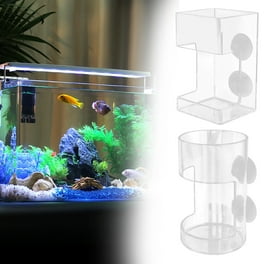
Credit: www.walmart.com
Choosing The Right Fish Food
Feeding ornamental fish in small tanks needs careful food choices. The right food helps fish stay healthy and active.
Different fish have different needs. Knowing what to feed keeps your tank clean and your fish happy.
Types Of Fish Food
There are many types of fish food. Each type suits different fish and tank setups.
- Flakes: Easy to use and common for many fish
- Pellets: Sink slowly, good for bottom feeders
- Freeze-dried: Long-lasting and rich in nutrients
- Frozen: Close to natural diet, needs thawing first
- Live food: Best for carnivores and picky eaters
Nutritional Needs For Ornamentals
Ornamental fish need protein, fats, and vitamins. Balanced food supports growth and bright colors.
Some fish need more protein, while others need more plants. Check your fish type to feed correctly.
- Protein helps build muscles and repair tissue
- Fats provide energy for swimming and activity
- Vitamins keep fish healthy and improve color
- Fiber aids digestion and keeps the tank clean
Avoiding Overfeeding
Overfeeding can pollute the water and harm fish. Feed small amounts that fish can eat quickly.
Watch your fish while feeding. Remove leftover food to keep the tank clean.
- Feed fish two to three times daily
- Only give what fish can eat in 2-3 minutes
- Use a feeding schedule to avoid extra feeding
- Clean the tank regularly to remove waste
Feeding Frequency And Portions
Feeding ornamental fish in small tanks needs care. Giving the right amount of food helps fish stay healthy.
Too much or too little food can harm your fish. It is important to learn how often and how much to feed them.
Daily Feeding Schedule
Feed your fish one to two times a day. Small meals are better than one big meal. This keeps the water clean and fish healthy.
Try to feed at the same times every day. Fish get used to the routine and eat better.
- Feed in the morning and evening
- Give small portions each time
- Remove leftover food after 5 minutes
Adjusting Portions By Fish Size
Smaller fish need less food than bigger fish. Feed only what your fish can eat in a few minutes. Overfeeding causes water problems.
Watch your fish eat and adjust the portions. Younger fish may need more frequent feeding than adults.
- Small fish: tiny pinches of food
- Medium fish: small flakes or pellets
- Large fish: larger pellets or more flakes
Signs Of Overfeeding
Too much food can make your fish sick. Watch for leftover food in the tank. It can cause bad water and algae.
If fish look fat or swim slowly, they may be overfed. Also, fish may have swollen bellies or swim near the surface more often.
- Leftover food after feeding
- Cloudy or smelly water
- Fish swimming slowly or hiding
- Swollen or bloated fish
Feeding Techniques For Small Tanks
Feeding ornamental fish in small tanks needs care and attention. Small tanks have limited space and water volume.
Good feeding techniques keep fish healthy and water clean. It also prevents problems like overfeeding or stress.
Using Feeding Tools
Special feeding tools help give fish the right amount of food. Tools like feeding spoons or pipettes control food portions.
Using tools also keeps food from spreading all over the tank. This stops water pollution and keeps fish safe.
- Feeding spoons help drop food near fish
- Pipettes target food to specific areas
- Automatic feeders give small amounts on schedule
Preventing Food Waste
Overfeeding causes food waste and dirty water. Only feed what fish can eat in a few minutes.
Remove leftover food quickly. This helps keep tank water clean and fish healthy.
- Feed small portions multiple times a day
- Watch fish eat and stop feeding when they are full
- Use sinking or floating food based on fish type
Encouraging Natural Feeding Behavior
Let fish show natural feeding habits to reduce stress. Scatter food or hide it in plants or decorations.
This makes fish search for food like in the wild. It helps keep them active and healthy.
- Scatter flakes on the water surface
- Place food near hiding spots
- Offer live or frozen food for variety

Credit: www.youtube.com
Maintaining Water Quality
Feeding ornamental fish in small tanks needs care to keep water clean. Food can affect water quality quickly.
Good water quality helps fish stay healthy and active. Watch feeding habits and tank cleanliness closely.
Impact Of Feeding On Water
Uneaten food breaks down and pollutes water. This causes harmful chemicals like ammonia to build up.
Overfeeding leads to cloudy water and algae growth. It also stresses fish and weakens their immune system.
Tips To Reduce Waste Build-up
- Feed small amounts that fish can finish in two minutes
- Remove leftover food after feeding time
- Use sinking pellets to reduce surface waste
- Feed fish twice a day instead of many small feedings
- Choose high-quality food that produces less waste
Regular Tank Maintenance
| Maintenance Task | Frequency | Purpose |
| Water Change | Weekly 20-30% | Remove toxins and refresh water |
| Gravel Cleaning | Biweekly | Remove food and fish waste |
| Filter Check | Monthly | Ensure proper filtration |
| Glass Cleaning | Weekly | Prevent algae build-up |
Special Considerations For Different Fish Species
Feeding ornamental fish in small tanks needs care. Different fish species have unique diets and habits.
Understanding these differences helps keep your fish healthy and happy.
Feeding Carnivores Vs. Herbivores
Carnivores eat meat-based food like insects or small fish. Herbivores need plant-based food such as algae or vegetables.
Feeding the wrong type can harm fish health or cause tank pollution.
- Carnivores need high-protein foods like bloodworms or shrimp.
- Herbivores require leafy greens, spirulina, or algae wafers.
- Feed small amounts to avoid leftover food buildup.
Handling Sensitive Species
Sensitive fish need special care during feeding. They may get stressed or sick easily.
Feed these species slowly and in small portions to reduce waste and stress.
- Feed sensitive fish in a quiet place to avoid stress.
- Use gentle feeding methods like hand-feeding or pipettes.
- Keep water clean to prevent disease.
Feeding Live Vs. Frozen Food
Live food is fresh and encourages natural hunting skills. Frozen food is safer and easier to store.
Choose food type based on your fish needs and tank conditions.
- Live food like brine shrimp promotes activity and health.
- Frozen food reduces risk of parasites and disease.
- Both need proper thawing or rinsing before feeding.

Credit: www.youtube.com
Frequently Asked Questions
How Often Should I Feed Ornamental Fish In Small Tanks?
Feed ornamental fish once or twice daily in small tanks. Avoid overfeeding to prevent water pollution and fish health issues. Small portions are best to ensure all food is consumed quickly.
What Is The Best Food For Ornamental Fish In Small Tanks?
High-quality flakes or pellets designed for ornamental fish are ideal. Supplement with occasional live or frozen foods for variety and nutrition. Choose foods suitable for the specific fish species.
Can Overfeeding Harm Ornamental Fish In Small Tanks?
Yes, overfeeding causes water pollution and stress in fish. Uneaten food decomposes, leading to toxic ammonia buildup. Feed only what fish can eat within minutes.
How Much Food Is Enough For Ornamental Fish In Small Tanks?
Feed small amounts that fish finish in 2-3 minutes. This prevents leftover food and maintains water quality. Adjust quantity based on fish size and species.
Conclusion
Feeding ornamental fish in small tanks needs care and attention. Give small amounts of food to avoid water pollution. Choose high-quality food suitable for your fish type. Watch your fish eat and remove leftover food quickly. Clean the tank regularly to keep fish healthy and happy.
Consistent feeding helps fish grow and stay active. Small tanks can be beautiful with the right feeding habits. Enjoy your fish and their lively colors every day. Simple steps make a big difference in fish care.