
If you want your tropical fish to stay healthy and vibrant, choosing the right food is key. Frozen bloodworms are a popular choice among fish keepers for a good reason.
They offer essential nutrients that can boost your fish’s energy and color. But how do you use them effectively? And what should you watch out for? Keep reading to discover everything you need to know about frozen bloodworms and how they can transform your tropical fish’s diet.
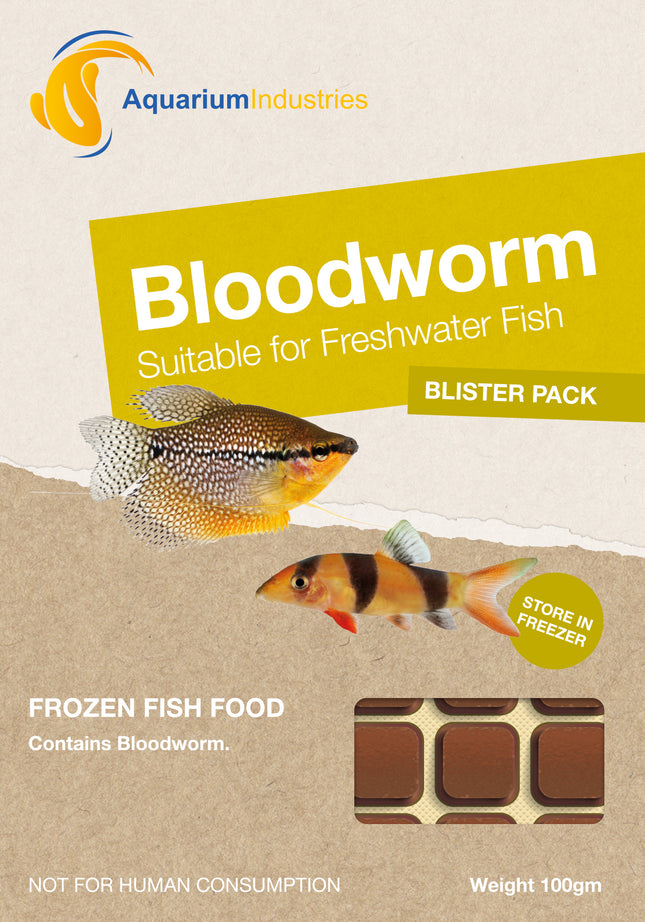
Credit: petsdomain.com.au
Benefits Of Frozen Bloodworms
Frozen bloodworms are a popular food for tropical fish. They offer many health benefits. Fish enjoy their taste and nutrition.
Using frozen bloodworms can improve your fish’s diet. They provide essential nutrients needed for strong and healthy fish.
High Protein Content
Frozen bloodworms have a high protein level. Protein helps fish build muscles and repair tissues. It supports their energy for daily activities.
Rich In Essential Nutrients
They supply many nutrients that fish need. These include vitamins, minerals, and fats. These nutrients keep fish healthy and active.
- Vitamin A supports vision and immune health
- Calcium helps build strong bones
- Omega-3 fatty acids improve heart health
- Iron aids in oxygen transport in blood
Enhances Fish Coloration
Frozen bloodworms help improve fish colors. Natural pigments in bloodworms make fish look bright and vibrant. This helps fish stand out in the tank.
Supports Growth And Health
| Benefit | Effect on Fish |
| Protein | Builds strong muscles |
| Vitamins | Boosts immune system |
| Minerals | Supports bone development |
| Healthy Fats | Improves brain function |
Regular feeding of frozen bloodworms helps fish grow faster. It keeps their immune system strong to fight diseases. Healthy fish live longer and stay active.

Credit: www.reptilecentre.com
Choosing Quality Frozen Bloodworms
Frozen bloodworms are a popular food choice for tropical fish. They provide important nutrients and help keep fish healthy. Picking good frozen bloodworms is important to give your fish the best care.
Quality frozen bloodworms should be fresh, clean, and safe. Knowing how to choose them helps you avoid problems like poor nutrition or fish illness.
Source And Harvesting Methods
Bloodworms come from natural or farmed sources. Natural bloodworms are collected from lakes or rivers. Farmed bloodworms are raised in controlled environments. The way they are harvested affects their quality.
Good harvesting methods avoid harming the worms. Gentle collection keeps bloodworms fresh and healthy. Avoid bloodworms caught with chemicals or dirty water.
- Choose bloodworms from clean water sources
- Look for farmed bloodworms raised in safe conditions
- Avoid worms harvested with harmful chemicals
Packaging And Storage Tips
Frozen bloodworms must be packed carefully. Good packaging keeps them fresh and stops freezer burn. Look for sealed packages with no tears or holes.
Store frozen bloodworms in a freezer that stays below 0°F (-18°C). Do not thaw and refreeze them. Use them soon after opening for best quality.
- Check for intact vacuum-sealed packaging
- Keep bloodworms frozen until use
- Use quickly after opening the package
Avoiding Contaminants
Frozen bloodworms can carry bacteria or harmful substances. Choose brands that test for contaminants. Avoid bloodworms with strange smells or colors.
Clean handling is important. Wash hands before feeding fish. Do not feed bloodworms that look slimy or have an off smell.
- Pick bloodworms from trusted suppliers with safety checks
- Look for clear, natural color and no bad smell
- Keep feeding tools clean to avoid spreading germs
Feeding Techniques
Frozen bloodworms are a popular treat for tropical fish. Proper feeding helps keep your fish healthy and active. Understanding the right methods improves their diet.
Feeding techniques include thawing the bloodworms correctly, controlling feeding frequency, and mixing foods for balanced nutrition.
Proper Thawing Methods
Thaw frozen bloodworms before feeding to avoid harming your fish. Use cold or room temperature water for thawing. Never use hot water as it can damage the nutrients.
- Remove bloodworms from the freezer just before feeding.
- Place them in a small container with clean water.
- Wait 1 to 2 minutes for them to thaw completely.
- Drain excess water before feeding to your fish.
Feeding Frequency And Portions
Feed bloodworms in small amounts to avoid overfeeding. Young fish need food more often than adults. Adjust the portions based on fish size and appetite.
| Fish Age | Feeding Frequency | Portion Size |
| Juvenile | 2 to 3 times daily | Small pinch |
| Adult | Once daily or every other day | Moderate pinch |
| Overfeeding Risk | Watch for uneaten food | Remove excess immediately |
Combining With Other Foods
Bloodworms are rich in protein but lack some vitamins. Mix them with flakes or pellets for a balanced diet. Variety supports fish health and growth.
Tips for combining bloodworms with other foods:
- Feed bloodworms as a treat, not the main diet.
- Alternate bloodworms with vegetable-based flakes or pellets.
- Observe your fish to ensure they accept mixed diets.
Potential Risks And Precautions
Frozen bloodworms are popular food for tropical fish. They provide good protein and nutrients. But feeding them comes with risks. Knowing these risks helps keep fish healthy.
This guide covers three main risks: overfeeding, water quality, and allergic reactions. Each section explains what to watch for and how to avoid problems.
Overfeeding Concerns
Feeding too many bloodworms can harm fish. Overfeeding causes leftover food to decay. This creates bad water conditions. Fish may become sick or stressed.
- Feed small amounts to avoid waste
- Offer bloodworms only once or twice a week
- Remove uneaten food quickly
- Observe fish for changes in behavior or health
Water Quality Impact
Frozen bloodworms can affect water quality if not handled well. Thawed bloodworms release particles that pollute water. Poor water quality leads to fish diseases.
| Risk | Cause | Precaution |
| Ammonia spike | Decayed food | Remove leftovers fast |
| Cloudy water | Particles from thawed worms | Rinse worms before feeding |
| Oxygen drop | Bacteria growth | Regular water changes |
Allergic Reactions In Fish
Some fish may be allergic to bloodworms. Signs include redness, swelling, or unusual swimming. Watch your fish carefully after feeding. Stop feeding bloodworms if reactions occur.
Follow these tips to reduce allergic risks:
- Start with a small amount
- Observe fish for any changes
- Switch to other foods if problems appear
- Keep the tank clean and well-maintained
Comparing Frozen Bloodworms With Other Foods
Feeding tropical fish requires choosing the right food type. Frozen bloodworms are popular, but other options exist. Understanding their differences helps keep fish healthy.
This guide compares frozen bloodworms with live bloodworms, pellets, and flakes. It also looks at cost and convenience factors to help you decide.
Live Vs Frozen Bloodworms
Live bloodworms offer natural movement that attracts fish. They are fresh but require careful storage to avoid spoilage. Frozen bloodworms last longer and are safer to store.
- Live bloodworms stimulate feeding instincts more strongly.
- Frozen bloodworms reduce risk of parasites.
- Live bloodworms need quick use to prevent decay.
- Frozen bloodworms can be stored in freezers for months.
Bloodworms Vs Pellets And Flakes
Pellets and flakes are dry foods that last long on shelves. They provide balanced nutrition but lack variety. Bloodworms offer a protein boost and are more natural.
| Food Type | Nutrition | Fish Attraction | Storage |
|---|---|---|---|
| Frozen Bloodworms | High protein | High due to natural look | Freezer |
| Live Bloodworms | High protein | Very high due to movement | Short term, cool place |
| Pellets | Balanced nutrients | Moderate | Pantry |
| Flakes | Balanced nutrients | Moderate | Pantry |
Cost And Convenience Factors
Cost and ease of use vary between frozen bloodworms and other foods. Frozen options need freezer space but reduce waste. Pellets and flakes are cheaper and easy to store.
- Frozen bloodworms cost more but spoil less quickly.
- Live bloodworms may be cheaper but risk spoilage.
- Pellets and flakes have low cost and long shelf life.
- Frozen bloodworms require thawing before feeding.
Where To Buy Frozen Bloodworms
Frozen bloodworms are a nutritious treat for tropical fish. Finding the right place to buy them is important for quality and price.
Here are some options to consider when purchasing frozen bloodworms for your aquatic pets.
Reputable Online Stores
Online stores offer convenience and a wide selection of products. You can compare prices and read reviews from other buyers.
- Amazon: Offers a variety of brands with customer reviews.
- Chewy: Known for fast shipping and reliable service.
- Petco: Regular discounts and member benefits available.
Local Pet Shops
Local pet shops allow you to see the product before buying. They often have knowledgeable staff to help with your questions.
Bulk Purchase Options
Buying in bulk can save money in the long run. It’s a good option if you have a large aquarium or multiple tanks.
| Store | Bulk Size | Price |
| Fish Mart | 1 kg | $25 |
| Aqua World | 500 g | $15 |
| Pet Supply Co. | 2 kg | $45 |
Credit: shirleyaquatics.co.uk
Frequently Asked Questions
What Are Frozen Bloodworms For Tropical Fish?
Frozen bloodworms are nutrient-rich larvae used as live fish food. They provide protein and stimulate natural feeding instincts in tropical fish.
How Do Frozen Bloodworms Benefit Tropical Fish?
They enhance fish health by boosting immunity and coloration. Frozen bloodworms also improve growth and mimic natural diets effectively.
Can All Tropical Fish Eat Frozen Bloodworms?
Most tropical fish can safely eat frozen bloodworms. However, some species may require varied diets for balanced nutrition.
How Should I Feed Frozen Bloodworms To Fish?
Thaw bloodworms before feeding and offer small portions. Feed once or twice daily to avoid overfeeding and water pollution.
Conclusion
Frozen bloodworms feed tropical fish with high nutrition and taste. They help fish grow strong and stay healthy every day. These worms are easy to store and use anytime. Fish enjoy the natural flavor and energy from bloodworms. Feeding frozen bloodworms supports vibrant colors and active swimming.
Keep your tropical fish happy and well-fed with this simple choice. Try frozen bloodworms to see the difference in your aquarium. A small change that brings big benefits to your fish’s life.