
If you want your tropical freshwater tank to thrive, choosing the right aquarium filter is crucial. You might think any filter will do, but the truth is, your fish and plants depend on clean, healthy water to stay vibrant and strong.
Imagine your tank sparkling clear, with water that’s perfectly balanced—no odors, no debris, just a safe home for your aquatic friends. You’ll discover exactly how to pick the best filter for your tropical freshwater setup. By the end, you’ll know how to create a healthier environment that keeps your fish happy and your tank looking stunning.
Keep reading, because your aquarium deserves the best care possible.
Credit: www.ebay.com
Choosing The Right Filter
Choosing the right filter is important for tropical freshwater tanks. A good filter keeps water clean and healthy. It helps remove waste and toxins from the tank water.
There are many types of filters and filter media. The size of the filter must match the tank size. This guide will help you pick the best filter for your aquarium.
Types Of Aquarium Filters
Several filter types work well for tropical freshwater tanks. Each type has its own way of cleaning water and fits different needs.
- Hang-on-back (HOB) filters:Easy to install and maintain. They hang on the tank’s back wall.
- Canister filters:Powerful and great for larger tanks. They sit outside the tank and pump water through filter media.
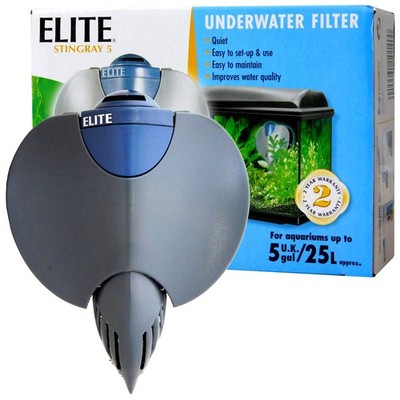
- Internal filters:Placed inside the tank. Good for small tanks and tanks without much decoration.
- Sponge filters:Use air to push water through a sponge. They provide gentle filtration and are good for small or breeding tanks.
Filter Size And Tank Capacity
Filter size must match your tank size for good water flow. A filter too small will not clean well. A filter too large may stress fish with strong currents.
| Tank Size (Gallons) | Recommended Filter Size (Gallons per Hour) |
| 10 | 100-150 |
| 20 | 200-300 |
| 40 | 400-600 |
| 55 | 550-800 |
| 75 | 750-1100 |
Filter Media Options
Filter media help clean water by removing different types of waste. Most filters use more than one kind of media.
- Mechanical media:Removes large particles like food and fish waste.
- Chemical media:Uses activated carbon to remove odors and toxins.
- Biological media:Provides a surface for good bacteria that break down harmful ammonia and nitrites.
Setting Up Your Filter
Using a good filter helps keep tropical freshwater tanks clean. Setting it up right makes your fish healthy. This guide shows how to install, place, and start your aquarium filter.
Follow simple steps to avoid problems. Your filter will work well and keep water clear for your fish to thrive.
Installation Steps
Install the filter carefully to ensure it functions properly. Read the manual that comes with your filter before starting.
- Unpack all filter parts and check for damage.
- Attach the intake tube to the filter unit.
- Place filter media such as sponges or carbon in the filter compartment.
- Secure the filter on the aquarium edge or inside the tank as instructed.
- Fill the filter with water to prime it before turning it on.
- Plug in the filter and check if water flows smoothly.
Placement Tips
Where you put the filter affects how well it cleans the tank. Choose a spot that helps water flow evenly.
| Placement Area | Benefit | Note |
|---|---|---|
| Near the back wall | Keeps filter hidden | Easy access for maintenance |
| Corner of the tank | Good water circulation | Avoid blocking decorations |
| Close to plants | Helps distribute nutrients | Check flow speed to avoid damage |
Initial Cycling Process
Cycling builds good bacteria in your filter. These bacteria clean harmful waste from the water.
- Run the filter without fish for 3-4 weeks.
- Test water weekly for ammonia and nitrite levels.
- Add a source of ammonia if needed to feed bacteria.
- Wait until ammonia and nitrite drop to zero before adding fish.
- Keep filter running continuously during this process.
Maintaining Filter Performance
Keeping your aquarium filter clean helps it work well. A good filter keeps the water clear and healthy for your fish.
Regular care of your filter stops problems and keeps your tropical freshwater tank safe.
Regular Cleaning Schedule
Clean your filter parts often to avoid blockages. This helps water flow smoothly and removes dirt.
Check the filter every two weeks and rinse parts in tank water. Avoid using tap water to keep beneficial bacteria alive.
- Turn off the filter before cleaning
- Remove and rinse sponges or pads in tank water
- Clean the intake tube and impeller carefully
- Do not use soap or chemicals
- Reassemble parts and turn filter back on
Replacing Filter Media
Filter media traps waste and helps clean water. Some types wear out and need replacing.
Change the filter media every 4 to 6 weeks to keep it working well. Replace one part at a time to keep good bacteria alive.
- Replace carbon or chemical media monthly
- Rinse biological media gently without replacing all at once
- Use media made for freshwater tropical tanks
- Follow the filter maker’s instructions for best results
Troubleshooting Common Issues
If your filter slows down or makes noise, check for blockages or worn parts. Fixing small problems keeps your filter working longer.
Look for leaks, noisy parts, or low water flow. Regular checks help you spot issues early.
- Clean clogged sponges or tubes
- Check and clean the impeller if noisy
- Make sure the filter is fully assembled
- Replace damaged parts from the filter kit
- Keep the water level high enough for the filter to work
Enhancing Water Quality
A clean aquarium keeps tropical freshwater fish healthy. Filters remove dirt and harmful substances. Good filtration improves water clarity and quality.
Choosing the right filter helps maintain a balanced environment. It supports fish life and plants by keeping water safe and fresh.
Biological Filtration Benefits
Biological filtration uses good bacteria to break down waste. These bacteria turn harmful ammonia into less harmful nitrate. This process helps keep fish safe from toxins.
- Reduces toxic ammonia and nitrite levels
- Supports healthy bacteria growth
- Maintains natural water balance
- Improves overall tank health
Chemical Filtration Uses
Chemical filtration removes dissolved wastes and odors. It uses materials like activated carbon to clean the water. This filtration helps keep the tank clear and fresh.
| Chemical Filter Media | Purpose |
|---|---|
| Activated Carbon | Removes odors and toxins |
| Zeolite | Absorbs ammonia |
| Phosphate Remover | Controls algae growth |
Mechanical Filtration Role
Mechanical filtration traps debris and particles. It stops dirt from floating in the water. This keeps the tank clean and clear for fish and plants.
- Removes uneaten food
- Catches fish waste
- Prevents clogging in filters
- Improves water clarity
Special Considerations For Tropical Freshwater Tanks
Aquarium filters play a key role in keeping tropical freshwater tanks clean. These tanks need special care to support their unique environment.
Choosing the right filter and managing it well helps fish stay healthy and water clear. This guide covers important points to think about.
Temperature Effects On Filtration
Tropical tanks usually keep water between 75°F and 80°F. This warmth affects how filters work and how bacteria grow.
Higher temperatures speed up bacteria that break down waste but may also reduce oxygen levels. Filters must handle these changes well.
- Warm water boosts beneficial bacteria activity.
- Oxygen decreases as temperature rises, affecting filtration.
- Check filter airflow to ensure enough oxygen for bacteria.
- Regular cleaning helps prevent filter clogging in warm water.
Handling Sensitive Fish Species
Tropical freshwater tanks often have delicate fish that need gentle water flow. Strong filters can stress or harm these fish.
Choose filters with adjustable flow settings or use diffusers to reduce current. Keep water quality very stable for sensitive species.
- Use low-flow filters for small or shy fish.
- Regularly test water to avoid sudden changes.
- Keep filter noise low to prevent fish stress.
- Change filter media gently to keep beneficial bacteria alive.
Managing Algae And Waste
Algae growth and fish waste can quickly harm tropical tanks. Good filtration helps control both by removing debris and excess nutrients.
Mechanical and biological filtration work best together to keep water clean and reduce algae problems. Regular maintenance is key.
- Use mechanical filters to trap waste particles.
- Biological filters break down harmful ammonia and nitrites.
- Clean filters often to avoid buildup that causes algae.
- Limit light exposure to control algae growth.
Credit: www.amazon.com
Upgrading And Customizing Filters
Upgrading and customizing filters for tropical freshwater tanks is a crucial step in maintaining optimal water quality and promoting healthy aquatic life. By upgrading and customizing your filter, you can ensure that your tank is equipped to handle the specific needs of your fish and other aquatic inhabitants.
Adding Additional Media
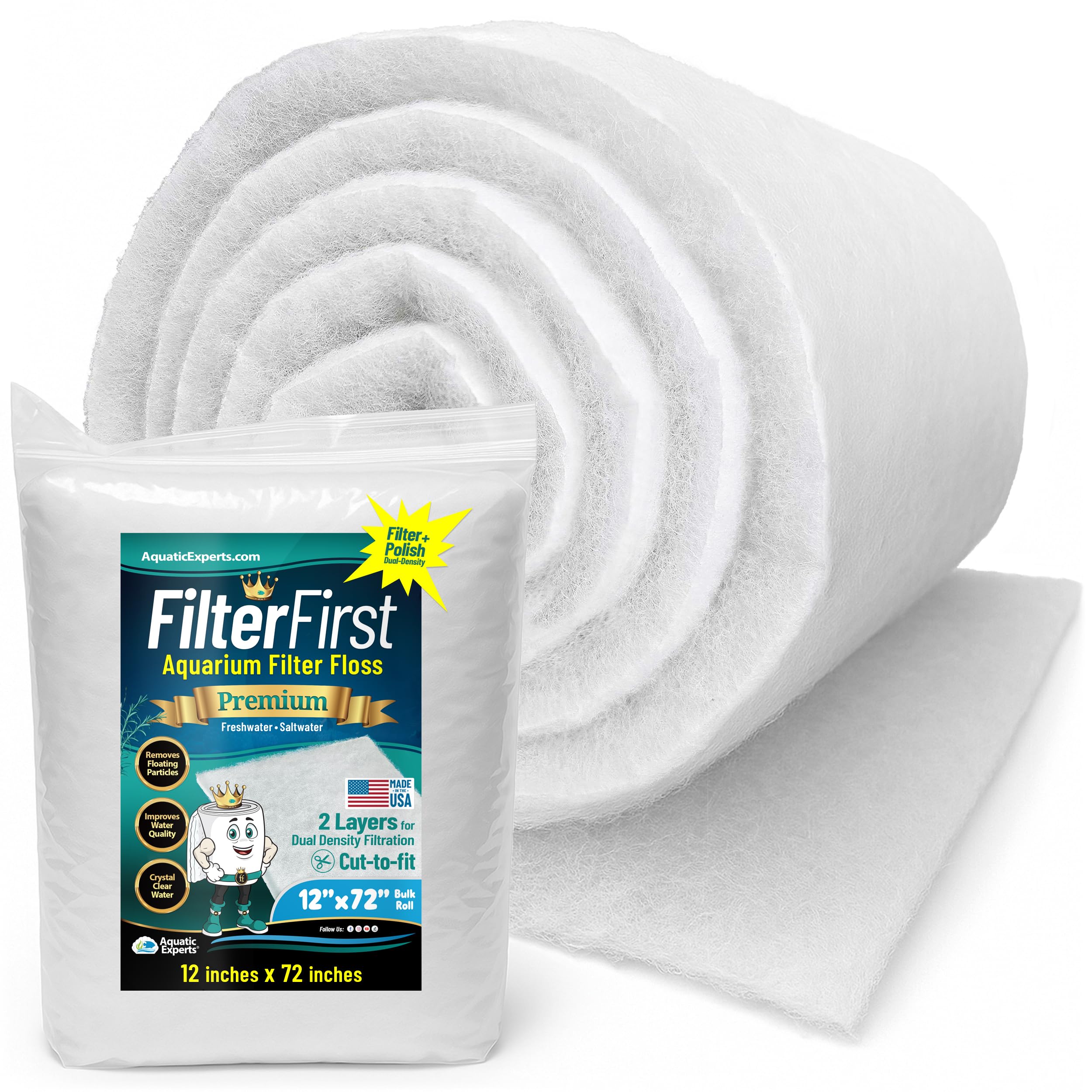
Adding additional media to your filter can help to improve the efficiency and effectiveness of your filtration system. This can include adding filter pads, filter socks, or other types of media to help remove waste and debris from the water.
- Filter pads: These can be added to the filter to help remove larger particles and debris from the water.
- Filter socks: These can be added to the filter to help remove smaller particles and debris from the water.
- Oxydator media: This type of media can be added to the filter to help increase oxygen levels in the water.
Improving Flow Rates
Improving flow rates in your filter can help to ensure that the water is being circulated and filtered efficiently. This can be achieved by upgrading to a more powerful pump or by adding additional plumbing to the filter.
| Pump Type | Flow Rate (GPH) |
|---|---|
| Submersible Pump | 100-200 GPH |
| External Pump | 200-500 GPH |
| High-Flow Pump | 500-1000 GPH |
Noise Reduction Tips
Noise reduction is an important consideration when upgrading and customizing your filter. This can be achieved by adding noise-reducing materials to the filter or by upgrading to a quieter pump.

Credit: www.walmart.com
Frequently Asked Questions
What Type Of Filter Is Best For Tropical Freshwater Tanks?
A canister filter is often best for tropical freshwater tanks. It offers strong mechanical, chemical, and biological filtration. This keeps water clean and stable. It also supports diverse aquatic life by maintaining optimal water quality.
How Often Should I Clean My Aquarium Filter?
Clean your aquarium filter every 3 to 4 weeks. Frequent cleaning ensures efficient filtration and healthy water. Avoid over-cleaning to preserve beneficial bacteria. Rinse filter media with tank water to keep bacteria intact.
Can A Filter Affect Tropical Fish Health?
Yes, a proper filter maintains water quality and oxygen levels. It removes waste and toxins, preventing diseases. A poor filter can stress fish, leading to illness. Choose a filter suitable for your tank size and fish type.
What Filter Media Is Ideal For Freshwater Tanks?
A combination of mechanical, chemical, and biological media works best. Mechanical media traps debris, chemical media removes toxins, and biological media supports beneficial bacteria. This trio ensures balanced and clear water in tropical freshwater tanks.
Conclusion
Choosing the right aquarium filter keeps your tropical freshwater tank clean. It helps maintain healthy water for your fish. A good filter removes waste and prevents bad smells. Regular cleaning and checking the filter improve its work. Clean water means happy and active fish.
Take time to pick a filter that fits your tank size. Remember, clear water makes your aquarium beautiful to watch. Caring for your filter is part of caring for your fish. Simple steps lead to a thriving underwater world.