
Are you looking to make your ornamental fish shine brighter and more vibrant? Feeding them the right color-enhancing food can transform your aquarium into a dazzling underwater masterpiece.
But how do you choose the best food that truly boosts their natural colors without harming their health? You’ll discover simple yet powerful tips to feed your fish in a way that brings out their full beauty. Keep reading to learn how to make your fish the star of your tank!
Benefits Of Color-enhancing Food
Feeding ornamental fish with color-enhancing food helps show their best colors. These special foods contain ingredients that improve the fish’s natural look.
Using color-enhancing food also supports the fish’s health. It keeps them active and strong while making their colors brighter.
Boosting Fish Vibrancy
Color-enhancing food makes fish colors more vivid. It adds pigments that bring out brighter reds, blues, and yellows.
These foods help fish look lively and attractive. Vibrant fish stand out in any aquarium setting.
Improving Fish Health
Color-enhancing food contains vitamins and nutrients that support fish health. Healthy fish have better immune systems and live longer.
Good nutrition helps fish stay active and resist disease. It also promotes strong fins and clear eyes.
- Rich in vitamins A, C, and E
- Contains omega-3 fatty acids
- Supports immune function
- Improves growth and energy
Enhancing Natural Patterns
Color-enhancing food brings out the natural patterns on fish. These patterns become clearer and more defined.
Better patterns make each fish unique and beautiful. This adds interest and charm to your aquarium.

Credit: www.petzlifeworld.in
Types Of Color-enhancing Foods
Ornamental fish show their best colors with proper food. Color-enhancing foods help brighten their natural shades. Different types of these foods offer unique benefits to fish.
Choosing the right color-enhancing food depends on your fish and preferences. Below are main types to consider for feeding your ornamental fish.
Natural Ingredients
Natural ingredients come from plants and animals. These ingredients add color by providing pigments like carotenoids and astaxanthin. Fish absorb these pigments to improve their colors.
- Spirulina: A type of blue-green algae rich in pigments
- Krill: Small crustaceans high in natural astaxanthin
- Marigold petals: Source of lutein to enhance red and orange hues
- Alfalfa: A plant that offers vitamins and natural color boosters
Synthetic Additives
Synthetic additives are man-made pigments added to fish food. They mimic natural color compounds to boost fish brightness quickly. These additives include astaxanthin and canthaxanthin.
Using synthetic additives requires care to avoid overfeeding. Fish need a balanced diet with these additives for the best color results.
Flake And Pellet Options
Flake and pellet foods are common and easy to use. They come in various formulas with color-enhancing ingredients. These options fit different fish sizes and species.
| Food Type | Benefit | Example |
|---|---|---|
| Flake Food | Easy to feed, good for small fish | Color flakes with spirulina |
| Pellet Food | Less waste, lasts longer in water | Color pellets with astaxanthin |
Live And Frozen Foods
Live and frozen foods provide natural nutrients and colors. These foods include insects, brine shrimp, and daphnia. They help fish show vibrant colors and stay healthy.
- Bloodworms: Rich in protein and red pigments
- Brine shrimp: High in carotenoids for orange shades
- Daphnia: Good for small fish and adds natural color
Choosing The Right Food For Your Fish
Feeding ornamental fish with color-enhancing food helps keep their colors bright. Choosing the right food is important for their health and appearance.
Different fish have different needs. Knowing these needs helps you pick the best food for them.
Species-specific Needs
Each fish species needs certain nutrients to stay healthy and colorful. Some fish eat plants, while others eat insects or small animals.
Choose food made for your fish’s species. This keeps them healthy and shows off their best colors.
- Herbivores need plant-based food with extra vitamins
- Carnivores require protein-rich food like insects or shrimp
- Omnivores benefit from a mix of plants and animal proteins
Age And Size Considerations
Young fish need food that supports growth and development. Their food should be easy to eat and digest.
Adult fish need food that maintains their color and health. Larger fish might need bigger pellets or flakes.
- Fry and juveniles need small, soft food
- Adult fish need balanced food for color and health
- Match food size to fish mouth size for easy eating
Dietary Restrictions
Some fish have dietary restrictions due to allergies or sensitive digestion. Feeding the wrong food can harm their health.
Check for ingredients that your fish cannot eat. Avoid foods with fillers or artificial colors that may cause problems.
- Avoid foods with wheat or gluten for sensitive fish
- Choose natural color enhancers like spirulina or krill
- Read labels to prevent harmful additives
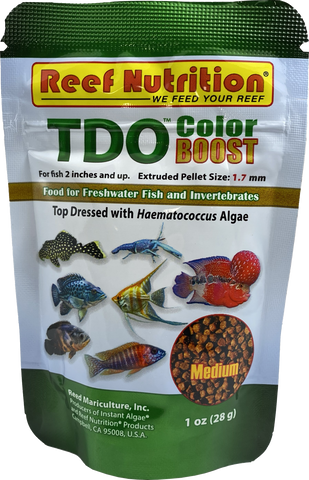
Credit: reefnutrition.com
Feeding Techniques For Optimal Color
Feeding ornamental fish with color-enhancing food helps bring out their best colors. Proper feeding techniques ensure fish stay healthy and vibrant.
Using the right methods can improve color intensity and fish well-being. Focus on frequency, portion size, and food variety.
Proper Feeding Frequency
Feed your ornamental fish at regular times each day. Avoid overfeeding, which can harm water quality and fish health.
- Feed small amounts two to three times daily.
- Watch how quickly fish eat the food.
- Remove leftover food after five minutes.
Portion Control
Giving the right portion size keeps fish active and colorful. Too much food causes waste and can stress fish.
| Fish Size | Daily Portion | Feedings per Day |
|---|---|---|
| Small (1-3 inches) | Pinch of food | 3 |
| Medium (3-6 inches) | Small pellet | 2-3 |
| Large (6+ inches) | Medium pellet or flakes | 2 |
Combining Different Food Types
Use a mix of foods to enhance color and nutrition. Different foods provide varied pigments and nutrients.
- Color-enhancing flakes or pellets with natural ingredients
- Frozen or live foods like brine shrimp or bloodworms
- Vegetables such as spinach or peas for plant-eating fish
Common Mistakes To Avoid
Feeding ornamental fish with color-enhancing food can boost their beauty. Many fish owners make mistakes that harm their fish’s health. Avoiding these mistakes helps keep fish bright and healthy.
Below are common errors to watch for when feeding your fish special food. Each can affect the fish and the aquarium environment.
Overfeeding Risks
Giving fish too much color-enhancing food causes many problems. Leftover food pollutes the water and makes fish sick. Overfeeding also leads to obesity and stress in fish.
- Feed only what fish can eat in 2–3 minutes
- Remove uneaten food after feeding time
- Feed fish twice a day, not more
- Use a feeding schedule to avoid overfeeding
Poor Quality Food
Low-quality color-enhancing food lacks nutrients and may contain fillers. This can dull fish colors instead of improving them. Poor food can cause health problems and reduce fish life span.
| Food Quality | Effect on Fish | Advice |
| High Quality | Bright colors, good health | Buy trusted brands, check ingredients |
| Low Quality | Dull colors, health issues | Avoid cheap food with fillers |
Ignoring Water Quality
Good water quality keeps fish active and colorful. Ignoring water cleanliness wastes food benefits. Dirty water leads to stress and disease in fish.
Tips to maintain water quality:
- Test water weekly for ammonia and nitrite levels
- Change 25% of the water every week
- Use filters to keep water clean
- Remove uneaten food and waste promptly
Maintaining Fish Color Naturally
Ornamental fish are a popular addition to home aquariums, providing a calming and visually appealing display. To maintain their vibrant colors, it’s essential to provide them with the right environment, diet, and care.
Lighting And Environment
Lighting plays a crucial role in maintaining fish color. Different species require specific lighting conditions, so it’s essential to research the needs of your fish. A well-placed aquarium light can enhance the colors of your fish, while excessive light can cause stress and lead to color loss.
- Use a high-quality aquarium light that mimics natural daylight
- Place the light at a suitable distance from the aquarium to avoid overheating
- Consider using a timer to regulate lighting hours
Stress Reduction
Stress can cause fish to lose their vibrant colors. To reduce stress, maintain a clean and stable aquarium environment. Regular water changes, a balanced diet, and proper tank maintenance can help keep your fish healthy and colorful.
| Reasons for Stress | Solutions |
| Overcrowding | Add more space or separate fish |
| Water quality issues | Regular water changes and proper filtration |
| Dietary deficiencies | Provide a balanced and varied diet |
Regular Water Changes
Regular water changes are essential to maintaining a healthy aquarium environment. This helps to remove toxins, excess food, and waste products that can cause stress and lead to color loss in fish.
Avoid overfeeding your fish, as this can lead to excessive waste and water quality issues. Instead, feed them a balanced diet and perform regular water changes to keep your aquarium environment clean and stable.
Additional Tips:
- Monitor water parameters regularly
- Use a water test kit to check for ammonia, nitrite, and nitrate levels
- Perform partial water changes (25-50%) every week
Popular Color-enhancing Food Brands
Ornamental fish owners strive to provide their pets with a vibrant and healthy environment. Color-enhancing food plays a crucial role in achieving this goal by promoting the development of vibrant colors in fish.
Top-rated Products
Here are some top-rated color-enhancing food brands that are popular among ornamental fish owners:
- Hikari Bio-Pure Color– A high-quality color-enhancing food that promotes vibrant colors in fish.
- Nutramojo Color Enhancer– A nutrient-rich food that enhances the colors of fish while providing essential nutrients.
- API Color Enhancer– A popular color-enhancing food that is easy to use and provides long-lasting results.
Budget-friendly Options
If you’re on a budget, here are some affordable color-enhancing food options:
| Brand | Price |
|---|---|
| API Color Enhancer | $5-$10 |
| Nutramojo Color Enhancer | $8-$15 |
| Hikari Bio-Pure Color | $10-$20 |
Where To Buy
You can find color-enhancing food at most pet stores, online retailers, or directly from the manufacturer’s website:
Petco– Available in-store and online.
Chewy– Available online with free shipping.
Amazon– Available online with free shipping.
Credit: www.ebay.com
Frequently Asked Questions
What Is Color-enhancing Food For Ornamental Fish?
Color-enhancing food contains natural pigments and nutrients that intensify fish colors. It improves vibrancy and overall health of ornamental fish when used regularly.
How Often Should I Feed Color-enhancing Food To Fish?
Feed color-enhancing food 1-2 times daily in small amounts. Overfeeding can harm fish and water quality, so moderation is key.
Which Ingredients Boost Fish Color Naturally?
Ingredients like spirulina, krill, and carotenoids naturally enhance fish colors. These provide essential vitamins and antioxidants that support bright, healthy scales.
Can Color-enhancing Food Improve Fish Health?
Yes, it boosts immune function and vitality besides color. Rich nutrients promote growth and resistance to diseases, ensuring stronger, longer-living fish.
Conclusion
Feeding ornamental fish with color-enhancing food helps keep them bright and healthy. These foods add nutrients that improve fish colors naturally. Regular feeding supports fish growth and vitality. Choose food made for your fish type to get the best results.
Watch your fish closely to see how they respond. Small changes in diet can make a big difference. Keep feeding habits consistent for lasting color benefits. Enjoy your vibrant, lively fish every day. Simple care brings out their natural beauty.