
If you have a medium planted tank, you know how important it is to keep your water clean and healthy. But choosing the right aquarium filter can be confusing.
You want something that supports your plants, keeps fish happy, and stays easy to maintain. This guide will help you find the perfect aquarium filter for your medium planted tank, so your underwater garden thrives effortlessly. Keep reading, and you’ll discover simple tips and expert advice that make a big difference for your aquatic world.

Credit: www.amazon.com
Choosing The Right Filter
A good filter keeps your planted tank clean and healthy. It removes waste and helps plants grow well.
Picking the right filter depends on your tank size, plants, and fish. A proper filter supports a balanced ecosystem.
Types Of Filters For Planted Tanks
Different filters work well in planted tanks. Each type has its pros and cons for plants and fish.
Canister filters are popular because they clean well and do not disturb plants. Sponge filters are gentle and good for small tanks.
- Canister filters: strong cleaning, good flow control
- Sponge filters: gentle, safe for small fish and plants
- Hang-on-back filters: easy to use, moderate flow
- Internal filters: fit inside tank, less space needed
Filter Size And Flow Rate
Choose a filter size that matches your tank volume. Too small filters won’t clean well.
Flow rate affects plants. Too strong flow can harm delicate plants and fish. Look for adjustable flow filters.
- Filter size should cover at least 4 times tank volume per hour
- Adjust flow to avoid disturbing plants
- Consider tank inhabitants’ needs
Noise And Energy Efficiency
Quiet filters create a peaceful tank environment. Loud filters can stress fish and disturb you.
Energy-efficient filters save electricity and cost less to run. Look for filters with low power use and quiet motors.
- Choose filters rated for low noise
- Look for energy-saving features
- Regular maintenance keeps filters quiet
Benefits Of Proper Filtration
Proper filtration is key to keeping medium planted tanks healthy and clear. It removes waste and harmful substances from the water.
Good filtration supports both the plants and fish by maintaining a stable and clean environment.
Maintaining Water Clarity
Clear water lets light reach your plants, helping them grow well. Filtration removes particles and debris that make water cloudy.
It also traps uneaten food and fish waste, which can cause water to look dirty and smell bad.
Supporting Plant Health
Filters help keep water clean, which protects plants from harmful toxins. Healthy water helps plants absorb nutrients better.
| Filtration Role | Effect on Plants |
| Remove toxins | Prevents plant damage |
| Circulate water | Distributes nutrients evenly |
| Maintain oxygen levels | Supports root and leaf health |
Reducing Algae Growth
Proper filtration lowers excess nutrients that algae feed on. This helps keep algae growth under control.
- Removes leftover food
- Reduces fish waste
- Improves water flow to prevent algae buildup
Filter Media Options
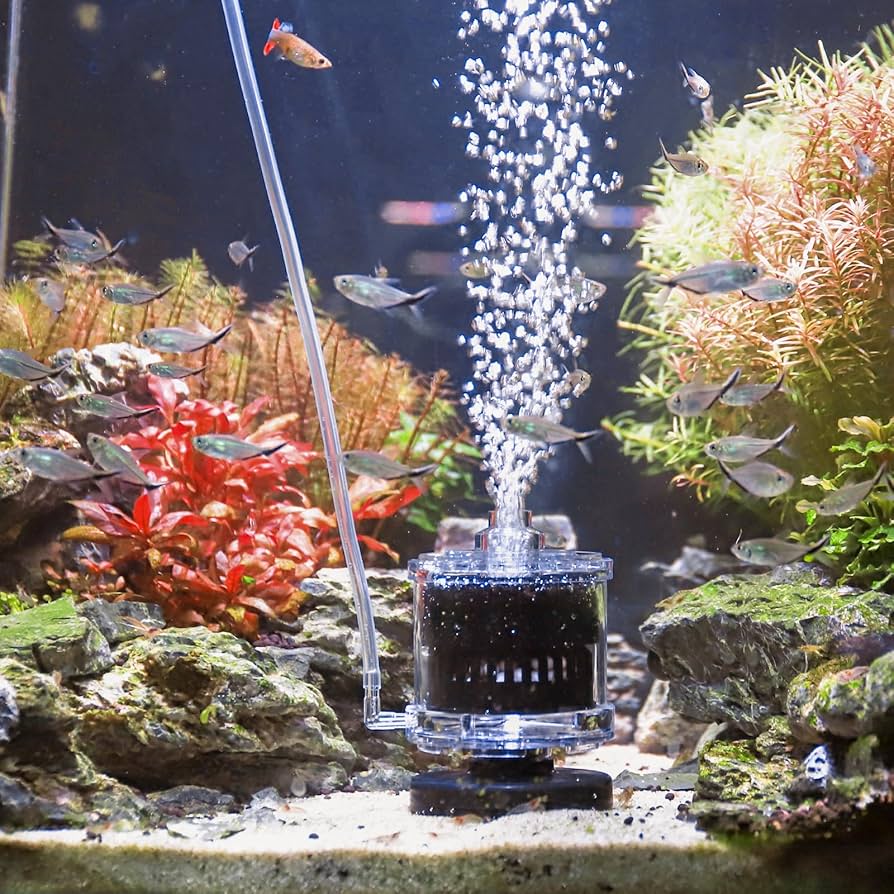
Choosing the right filter media is key for medium planted tanks. The filter keeps water clean and safe for fish and plants. Different media types work together to remove waste and support beneficial bacteria.
Filter media usually falls into three groups: mechanical, biological, and chemical. Each type has a special role in the filtration process.
Mechanical Media Choices
Mechanical media traps solid particles like fish waste and uneaten food. This helps keep the water clear and stops debris from reaching other filter parts.
- Foam pads or sponges catch large debris.
- Filter floss or pads trap fine particles.
- Filter brushes remove hair and plant matter.
Biological Media Benefits
Biological media gives a surface for good bacteria to grow. These bacteria break down harmful ammonia and nitrites into less harmful nitrates.
| Media Type | Surface Area | Benefit |
| Ceramic Rings | High | Supports many bacteria |
| Bio Balls | Medium | Good water flow |
| Porous Stones | High | Long lasting bacteria home |
Chemical Media Uses
Chemical media removes dissolved substances that affect water quality. It can clear odors, colors, and toxins that mechanical and biological media miss.
- Activated carbon absorbs chemicals and odors.
- Zeolite removes ammonia from the water.
- Phosphate removers control algae growth.
Credit: www.amazon.com
Installation Tips
Installing a filter in a medium planted tank needs care. Proper setup helps plants and fish stay healthy.
Follow simple tips to place and connect the filter for best results.
Positioning The Filter
Place the filter where it does not disturb plants. Avoid blocking light or hiding important tank views.
- Keep the filter intake away from delicate plants.
- Choose a corner or back spot to reduce visual impact.
- Ensure easy access for maintenance and cleaning.
- Position the filter close to the water surface for better oxygen exchange.
Integrating With Aquarium Setup
Connect the filter smoothly with your tank’s equipment. Check tubing and electrical parts for safety.
| Component | Tip |
| Filter Intake | Attach securely to avoid leaks |
| Outflow Pipe | Direct water flow gently over plants |
| Power Cord | Keep dry and away from water splashes |
| Filter Media | Use types safe for planted tanks |
Ensuring Optimal Water Flow
Good water flow keeps plants healthy and cleans the tank. Balance flow speed and direction carefully.
- Adjust flow to avoid uprooting plants.
- Use spray bars or diffusers for even water spread.
- Check flow regularly and clean filter parts.
- Watch fish behavior to spot flow problems.
Maintenance And Cleaning
Keeping your aquarium filter clean helps maintain water quality. It supports healthy plants and fish in medium planted tanks.
Regular maintenance prevents clogging and keeps the filter working well. This guide covers when and how to clean your filter media safely.
When To Clean Filter Media
Clean the filter media when water flow slows or the tank looks cloudy. This usually happens every 3 to 4 weeks. Avoid cleaning too often to keep beneficial bacteria alive.
- Check water flow weekly
- Look for dirt or debris in the media
- Watch for changes in water clarity
- Clean only when needed, not on a fixed schedule
Safe Cleaning Practices
Use tank water, not tap water, to rinse filter media. Tap water can kill helpful bacteria. Handle filter parts gently to avoid damage.
| Cleaning Step | Recommended Action |
| Remove media | Take out carefully without squeezing |
| Rinse media | Use tank water, swirl gently |
| Clean filter housing | Wipe with soft cloth, no chemicals |
| Reassemble filter | Put parts back firmly but gently |
Replacing Filter Components
Replace filter parts if they wear out or stop working well. Some parts last longer than others. Follow the manufacturer’s advice for replacement.
- Replace carbon media every 4 to 6 weeks
- Change mechanical sponges when torn or very dirty
- Inspect and replace impellers if noisy or damaged
- Keep a schedule to check all parts regularly
Troubleshooting Common Issues
Aquarium filters keep your medium planted tank healthy. Sometimes, issues arise that need fixing.
This guide helps solve common filter problems for smooth operation.
Dealing With Clogged Filters
Clogged filters can harm your tank environment. Regular cleaning prevents clogs.
- Rinse filter media in tank water every month
- Check for debris in the intake tube
- Replace filter pads as needed
Managing Low Flow Problems
Low flow affects water circulation. It can reduce oxygen levels for plants and fish.
| Problem | Solution |
| Obstructed intake | Clear any blockages |
| Old filter media | Replace or clean media |
| Weak pump | Upgrade to a stronger model |
Handling Filter Noise
Filter noise can be annoying. Identify the source to reduce it.
Enhancing Filtration Performance
A well-maintained aquarium filter is crucial for the health and well-being of your fish and plants. A properly functioning filter removes waste products, excess food, and other pollutants from the water, creating a clean and stable environment for your aquatic friends.
However, even the best filters can struggle to keep up with the demands of a medium-planted tank. That’s where supplemental filtration comes in – a game-changer for aquarium enthusiasts who want to take their filtration performance to the next level.
Adding Supplemental Filtration
Supplemental filtration involves using additional filtration methods to augment your primary filter’s performance. This can include using filter socks, activated carbon, or other media to remove impurities and waste products from the water.
- Filter Socks: These absorbent materials trap debris and waste particles, helping to prevent them from entering the tank.
- Activated Carbon: This highly effective filter media removes impurities, odors, and toxins from the water, creating a cleaner and healthier environment for your fish and plants.
- Other Media: Depending on your tank’s specific needs, you may also consider using other filter media, such as zeolite or ceramic rings, to remove specific types of impurities.
Using Filter Boosters
Filter boosters are specialized products designed to enhance the performance of your aquarium filter. These can include chemical or biological additives that help to improve filtration efficiency, reduce waste products, and promote healthy bacterial growth.
| Filter Booster | Benefits |
|---|---|
| Beneficial Bacteria | Helps to break down waste products and promote healthy bacterial growth |
| Water Conditioners | Removes chlorine, chloramines, and other impurities from the water |
| Algae Control | Helps to prevent algae growth and maintain a healthy balance of nutrients |
Balancing Filtration With Plant Needs
When it comes to balancing filtration with plant needs, it’s essential to find the right balance between removing waste products and maintaining a healthy environment for your plants. Over-filtering can be detrimental to plant growth, while under-filtering can lead to the buildup of toxins and pollutants.
By using a combination of supplemental filtration methods and filter boosters, you can create a balanced and healthy environment for your fish and plants. Regular water changes, proper plant care, and a well-maintained filter will help to ensure the long-term health and well-being of your aquarium ecosystem.

Credit: www.amazon.com
Frequently Asked Questions
What Is The Best Filter Type For Medium Planted Tanks?
Canister filters are ideal for medium planted tanks. They offer strong filtration without disturbing plants. They maintain water clarity and provide beneficial bacteria for a healthy environment.
How Often Should I Clean My Aquarium Filter?
Clean your filter every 3-4 weeks to maintain efficiency. Avoid over-cleaning to preserve beneficial bacteria. Rinse filter media in tank water, not tap water, to protect microbial colonies.
Can Aquarium Filters Harm Aquatic Plants?
Properly chosen filters do not harm plants. Avoid filters with strong currents that may uproot delicate plants. Use adjustable flow filters to maintain a gentle water movement suitable for planted tanks.
Why Is Biological Filtration Important In Planted Aquariums?
Biological filtration supports beneficial bacteria that break down waste. It helps maintain stable water conditions. Healthy bacteria colonies promote plant growth and fish health by reducing toxins like ammonia and nitrites.
Conclusion
Choosing the right aquarium filter helps keep your plants and fish healthy. Clean water means strong plants and happy fish. Filters remove waste and keep water clear. Easy-to-use filters save time and effort. Remember to match the filter size with your tank.
Regular cleaning keeps the filter working well. A good filter creates a balanced, healthy tank environment. Enjoy your beautiful, thriving planted aquarium every day.