
If you own a large aquarium, you know how important it is to keep the water clean and healthy for your fish. Choosing the right filter media can make all the difference in maintaining clear water and a balanced environment.
But with so many options out there, how do you pick the best one for your tank? You’ll discover the key types of filter media designed for large aquariums and learn how each can help you create a thriving underwater world.
Keep reading to find the perfect solution that fits your aquarium’s unique needs.
Credit: www.walmart.com
Types Of Filter Media
Filter media play a key role in keeping large aquariums clean. They remove waste and harmful substances from the water.
There are three main types of filter media. Each type has a special job to keep the water safe for fish.
Mechanical Media
Mechanical media trap solid particles like uneaten food and fish waste. This helps keep the water clear.
- Foam pads
- Filter floss
- Sponges
- Polyester pads
Biological Media
Biological media hold good bacteria that break down harmful ammonia and nitrites. This process is called biological filtration.
| Type | Description |
| Ceramic rings | Porous rings that provide surface for bacteria growth |
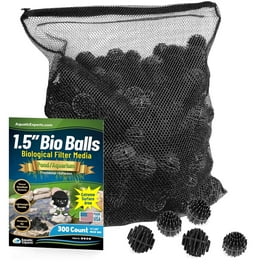
| Bio balls | Plastic balls with holes to hold bacteria |
| Filter sponges | Coarse sponges that support bacteria colonies |
| Clay pellets | Natural pellets that encourage bacteria buildup |
Chemical Media
Chemical media remove dissolved substances like odors, discoloration, and toxins. They clean the water on a chemical level.
Common chemical media include:
- Activated carbon – absorbs impurities and odors
- Zeolite – removes ammonia from water
- Phosphate removers – reduce algae growth
Choosing Filter Media For Large Tanks
Choosing the right filter media is important for large aquariums. It helps keep water clean and fish healthy.
Filter media removes waste and supports beneficial bacteria. This keeps your aquarium balanced and clear.
Tank Size And Bioload
Large tanks hold more water and usually more fish. This means more waste to remove from the water.
Choose filter media that can handle the bioload. More bioload needs more mechanical and biological filtration.
- Mechanical media traps debris and particles
- Biological media supports good bacteria growth
- Use enough media for the tank size and fish waste
Fish Species Considerations
Different fish produce different amounts of waste. Some species are messier than others.
Choose media that suits your fish type. Heavy waste producers need stronger filtration media.
- Cichlids and goldfish create more waste
- Small fish like tetras produce less waste
- Adjust media type based on fish habits and diet
Water Flow And Filtration Rate
Filter media works best with proper water flow. Too fast flow can reduce filter effectiveness.
Match the filtration rate to your tank size. This helps clean water without stressing fish.
- Slow flow allows bacteria to grow well
- Fast flow cleans particles quickly
- Balance flow rate with media type for best results
Mechanical Media Options
Mechanical media helps keep aquarium water clean by trapping debris. It is important for large tanks to maintain clear water and reduce buildup.
There are different types of mechanical media. Each type works best in certain filter setups and tank conditions.
Foam Pads And Sponges
Foam pads and sponges capture large and small particles from the water. They allow water to flow through while trapping dirt.
- Foam pads come in various thicknesses and pore sizes.
- Sponges are reusable and easy to clean.
- They provide surface area for beneficial bacteria to grow.
- Regular rinsing keeps them effective without removing bacteria.
Filter Floss And Pads
Filter floss and pads offer fine filtration by catching tiny particles. They are often used after foam pads for clearer water.
| Type | Use | Cleaning |
| Filter Floss | Captures fine debris | Replace when dirty |
| Filter Pads | Traps particles of various sizes | Rinse or replace regularly |
Pre-filters And Mesh Bags
Pre-filters and mesh bags protect pumps and other equipment by blocking large debris. They fit around intakes or hold filter media.
- Pre-filters prevent clogging and extend pump life.
- Mesh bags hold filter floss or other media securely.
- They are easy to remove and clean.
- Using them reduces maintenance time.
Biological Media Solutions
Biological media helps keep aquarium water clean and safe. It supports good bacteria that break down waste. Choosing the right media is key for large aquariums.
This guide covers common biological media types. Each type offers unique benefits for water filtration.
Ceramic Rings And Bio Balls
Ceramic rings provide a large surface area for beneficial bacteria. They are durable and easy to clean. Bio balls offer a lightweight option that fits well in filter chambers.
- Ceramic rings have tiny pores that trap bacteria.
- Bio balls have open spaces for water flow.
- Both media types help convert harmful ammonia.
- They are reusable after rinsing with aquarium water.
Sintered Glass And Porous Stones
Sintered glass media is made from fused glass particles. It offers a very high surface area for bacteria growth. Porous stones work similarly by allowing water to pass through tiny holes.
| Media Type | Surface Area | Durability | Cleaning |
| Sintered Glass | Very High | High | Rinse gently |
| Porous Stones | High | Medium | Brush softly |
Specialized Bio Media Types
Specialized bio media includes unique shapes and materials. These products target specific filtration needs. They improve bacteria colonization and water flow.
- Glass noodles create a dense network for bacteria.
- Plastic mats provide flat surfaces and easy cleaning.
- Foam blocks trap debris and support bacteria.
Chemical Media Choices
Chemical media help keep large aquariums clean and healthy. They remove harmful substances from the water.
Choosing the right chemical media is important. It improves water quality and supports fish health.
Activated Carbon
Activated carbon removes odors and colors from aquarium water. It traps organic waste and chemicals.
This media is good for keeping water clear and fresh. Replace it regularly to keep it working well.
Zeolite
Zeolite absorbs ammonia, which is toxic to fish. It helps keep ammonia levels low in large tanks.
Use zeolite in freshwater aquariums. It improves water quality by removing harmful nitrogen compounds.
Phosphate Removers
Phosphate removers lower phosphate levels in aquarium water. High phosphate can cause algae growth.
These media help control algae and keep the tank clean. They are important for planted and reef tanks.
- Use phosphate remover pellets or granules
- Replace regularly for best results
- Monitor phosphate levels often
Other Chemical Absorbents
Other absorbents include resin and specialty media. They remove nitrates and heavy metals from water.
These media target specific chemicals to improve water health. Choose based on your aquarium needs.
- Ion exchange resins remove nitrates
- Heavy metal removers protect sensitive fish
- Specialty media handle unique water issues
Combining Filter Media For Best Results
Using the right filter media is important for large aquariums. Combining different types can help maintain clean and healthy water.
Each type of media has a specific role. Proper combination ensures effective filtration and keeps your aquatic environment balanced.
Layering Techniques
Layering filter media helps in maximizing their efficiency. Different layers serve different purposes in the filtration process.
- Top Layer: Mechanical media to catch debris
- Middle Layer: Biological media for beneficial bacteria
- Bottom Layer: Chemical media to remove toxins
Media Placement In Filters
Proper placement of media in filters is crucial. It influences the water flow and filtration efficiency.
| Filter Type | Recommended Media |
| Canister | Mechanical, Biological, Chemical |
| Hang-On-Back | Mechanical, Biological |
| Internal | Biological, Chemical |
Balancing Media Types
Finding the right balance of media types is key. It ensures your aquarium stays clean and healthy for the fish.
Maintaining Filter Media
Filter media keeps large aquarium water clean and healthy. Proper care helps it work well for a long time.
Regular maintenance stops harmful buildup and keeps fish safe. Learn how to clean, replace, and spot problems.
Cleaning Frequency And Methods
Clean filter media to remove dirt and debris but avoid over-cleaning. This can kill helpful bacteria.
- Rinse media in tank water, not tap water.
- Clean every 2 to 4 weeks depending on tank size and fish load.
- Use gentle squeezing or swirling to clear debris.
- Replace mechanical media more often than biological media.
When To Replace Media
Filter media wears out and loses efficiency. Replace it to keep the filter working well.
| Type of Media | Replacement Interval |
| Mechanical (sponges, pads) | Every 1-3 months |
| Chemical (activated carbon) | Every 1 month |
| Biological (ceramic rings) | Every 6-12 months |
Signs Of Media Breakdown
Watch for changes that show the media is failing. Early action prevents water quality problems.
- Water flow slows down or stops.
- Filter media looks torn, crumbled, or discolored.
- Smell of ammonia or bad odors in the tank.
- Fish show signs of stress or illness.

Credit: www.amazon.ca
Common Mistakes To Avoid
Filter media are crucial for large aquariums. Choosing the right type and using it correctly is key. Mistakes can harm your aquatic environment.
Avoid common errors to keep your aquarium healthy. Let’s explore these mistakes and learn how to prevent them.
Overloading Filter Media
Many believe that more filter media means cleaner water. This is not always true. Too much media can restrict water flow.
Proper flow is vital for filtration efficiency. Overloading can lead to reduced filtration and water quality issues.
- Use the recommended amount of filter media.
- Check manufacturer guidelines for your filter.
- Ensure water flows freely through the media.
Neglecting Biological Filtration
Biological filtration is essential for breaking down waste. Some overlook this, focusing only on mechanical or chemical methods.
Without biological filtration, harmful toxins can build up. This can stress or harm your fish.
- Include biological media in your filter setup.
- Regularly check and maintain biological media.
- Do not replace all biological media at once.
Using Incompatible Media
Not all filter media works well together. Some combinations can counteract each other’s effectiveness.
Using incompatible media can lead to inadequate filtration. This can cause water quality problems in your aquarium.
- Research compatibility of different media types.
- Consult aquarium experts for advice.
- Test water quality regularly to ensure effectiveness.
Upgrading Filter Media
Large aquariums need strong filtration to keep water clean. Upgrading filter media helps improve water quality and fish health.
Choosing the right filter media can make a big difference. Let’s explore new options and ways to customize your setup.
High-tech Media Innovations
Modern filter media use advanced materials to trap particles and promote good bacteria growth. These options last longer and clean better.
- Foam blocks with special pore sizes for better biofiltration
- Ceramic rings designed to increase surface area
- Activated carbon combined with resin for toxin removal
- Magnetic filter media for easy cleaning
Eco-friendly Media Options
Eco-friendly media reduce waste and use natural materials. They support a healthy environment inside your tank.
| Media Type | Material | Benefits |
| Plant-based bio balls | Natural fibers | Biodegradable and safe for fish |
| Recycled glass media | Crushed glass | Improves water clarity and reuses waste |
| Coconut shell charcoal | Activated charcoal | Removes toxins and is sustainable |
Customizing For Specific Needs
Different tanks have different needs. Adjust filter media to match your aquarium’s size, fish type, and water conditions.
- Test your water regularly to find problem areas.
- Choose media that target those issues, like ammonia or debris.
- Mix mechanical, chemical, and biological media for balanced filtration.
- Replace or clean media as recommended to keep it effective.

Credit: www.amazon.ca
Frequently Asked Questions
What Types Of Filter Media Suit Large Aquariums Best?
Mechanical, biological, and chemical media work well together in large tanks. Mechanical media traps debris, biological media supports beneficial bacteria, and chemical media removes toxins. Combining these ensures clear, healthy water and a balanced aquarium environment.
How Often Should I Replace Filter Media In Big Aquariums?
Replace mechanical media every 2-4 weeks, as it clogs quickly. Biological media lasts longer and should only be replaced if damaged. Chemical media varies; replace it monthly or per product instructions to maintain filtration efficiency and water quality.
Can Natural Filter Media Improve Aquarium Water Quality?
Yes, natural media like lava rock or ceramic rings promote beneficial bacteria growth. They enhance biological filtration, helping break down waste efficiently. Using natural media supports a healthy ecosystem and improves overall water clarity and fish health.
Does Filter Media Size Affect Filtration Efficiency?
Yes, media size impacts water flow and filtration surface area. Smaller particles trap finer debris but may clog quickly. Larger media allow better water flow and bacterial colonization. Choosing the right size balances filtration efficiency and maintenance needs.
Conclusion
Choosing the right filter media keeps large aquariums clean and healthy. Good filter media removes waste, toxins, and dirt from the water. It also supports beneficial bacteria that help fish thrive. Different types work best for different tank setups. Regular cleaning and replacement keep the filter media effective.
Healthy water means happy fish and clear views. Keep learning about filter media to improve your aquarium care. Simple steps make a big difference in maintaining your underwater world.