
Have you ever wondered how to make your aquarium or pond more lively and healthy? Setting up fish feeding stations could be the simple game-changer you need.
These stations not only ensure your fish get the right amount of food but also help keep your water clean and your underwater friends happy. Imagine watching your fish gather eagerly at the perfect spot, thriving like never before. Keep reading to discover how fish feeding stations can transform your aquatic space and make feeding time easier and more enjoyable for you.
Benefits Of Fish Feeding Stations
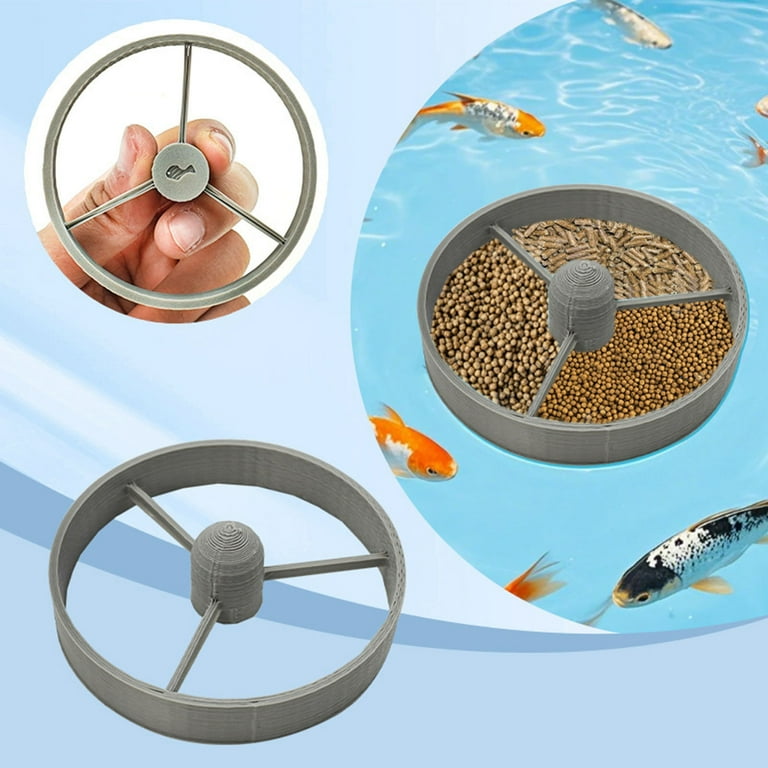
Fish feeding stations help you feed your fish in a better way. They create a specific spot for feeding in your aquarium.
These stations make feeding easier and support a healthy environment for your fish.
Improved Feeding Efficiency
Feeding stations let fish find their food quickly. This reduces competition and stress among fish.
- Concentrate food in one area
- Help shy or slow fish eat well
- Make feeding times clear and organized
Reduced Food Waste
Food stays inside the feeding station. This stops food from spreading and spoiling in the tank.
| Benefit | Effect |
| Less scattered food | Cleaner water |
| Controlled feeding | Less leftover food |
| Food stays fresh | Better fish nutrition |
Enhanced Fish Health
Fish feeding stations help fish get the right amount of food. This supports their growth and immune system.
- Prevent overfeeding that can cause illness
- Reduce stress by lowering food fights
- Make sure all fish have access to food
Cleaner Aquarium Environment
Feeding stations keep food from sinking to the bottom. This lowers waste buildup and keeps water clear.
- Reduce uneaten food in the tank
- Help maintain good water quality
- Support beneficial bacteria growth
Credit: www.walmart.com
Types Of Fish Feeding Stations
Fish feeding stations help feed fish in ponds, lakes, or aquariums. They control feeding to keep fish healthy.
There are different types of feeding stations. Each type suits different needs and environments.
Manual Feeding Stations
Manual feeding stations need a person to feed the fish by hand. The feeder controls the amount and timing of food.
These stations are simple and cost less. They work well for small ponds or tanks.
- Easy to use and maintain
- Allows control over feeding times
- Needs regular human attention
- Good for small scale fish feeding
Automatic Feeders
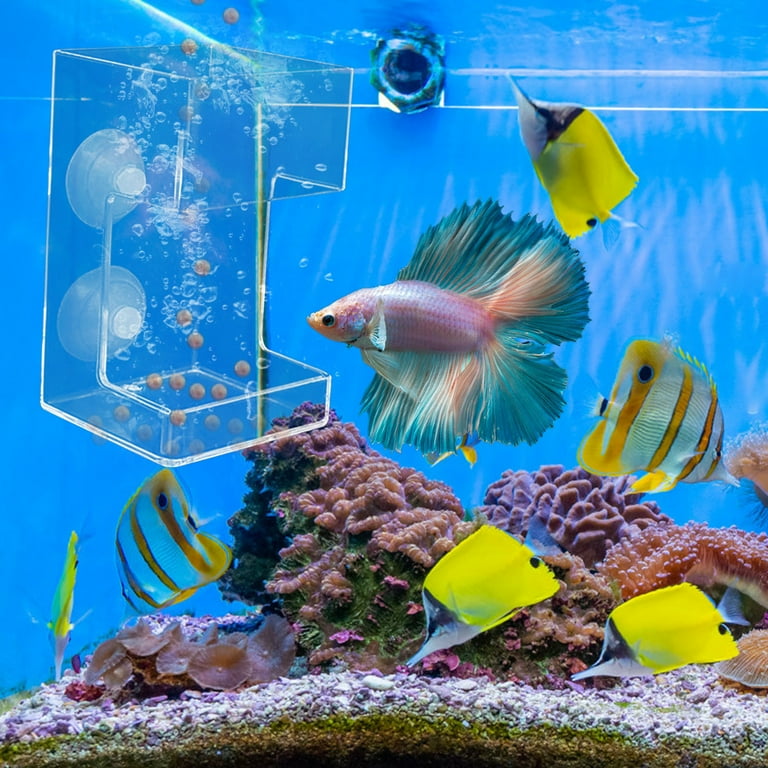
Automatic feeders release food on a set schedule. They use timers or sensors to feed fish without a person.
These are great for large ponds or busy owners. They reduce the risk of overfeeding or underfeeding.
- Feeds fish at planned times
- Reduces manual work
- Prevents overfeeding
- Can be battery or solar powered
Diy Feeding Solutions
DIY feeding solutions use simple materials to create feeding stations. They can be made from bottles, pipes, or containers.
These are low-cost options for hobbyists. They allow customization but need some effort to build.
- Uses household materials
- Customizable size and shape
- Needs manual or simple automation
- Good for small-scale feeding
Choosing The Right Feeding Station
Feeding stations help keep your aquarium clean and organized. They control where the fish eat and reduce waste. Choosing the right one depends on your tank and fish needs.
Consider the size of your aquarium, the types of fish you have, and your budget. These factors will guide you to the best feeding station choice.
Considering Aquarium Size
The size of your aquarium affects the feeding station you need. Small tanks need compact stations. Large tanks can use bigger or multiple stations.
| Aquarium Size | Recommended Feeding Station | Reason |
| Under 20 gallons | Small, simple station | Fits in limited space, easy to clean |
| 20 to 50 gallons | Medium size with feeding trays | Allows more fish to feed at once |
| Over 50 gallons | Large or multiple stations | Supports many fish and reduces competition |
Fish Species And Feeding Habits
Different fish eat in different ways. Some fish feed at the surface, others at the bottom. Some are slow eaters, others are quick and aggressive.
- Surface feeders need stations that float or sit near the top.
- Bottom feeders require stations with easy access to the tank floor.
- For aggressive eaters, use multiple feeding spots to avoid fights.
- Slow eaters benefit from protected feeding areas.
Budget And Features
Feeding stations come in many prices and designs. Choose one that fits your budget but also meets your needs. Some features add value to your setup.
| Feature | Benefit | Price Impact |
| Multiple feeding trays | Feeds many fish at once | Higher |
| Adjustable size | Fits different aquarium sizes | Medium |
| Easy cleaning design | Reduces maintenance time | Medium |
| Durable materials | Long-lasting use | Higher |
| Simple design | Lower cost and easy use | Lower |
Setting Up Your Feeding Station
Setting up a fish feeding station helps you feed fish easily and keeps the area organized. It also makes sure food stays in one place and attracts fish efficiently.
This guide shows you how to place, install, and maintain your fish feeding station for best results.
Placement Tips
Choose a spot where fish gather naturally, like near plants or rocks. The station should be easy for you to reach but safe from strong currents.
Pick a location with some shade to keep food fresh and prevent it from spoiling quickly.
- Place near natural fish paths
- Keep away from strong water currents
- Choose shaded or partially shaded spots
- Avoid areas with heavy debris or dirt
Installation Steps
Start by cleaning the area where you will install the feeding station. This helps keep the station stable and clean.
Secure the feeding station using anchors or weights so it does not move with water flow or fish activity.
- Clean the installation site thoroughly
- Place the feeding station on a flat surface
- Use anchors or weights to hold it in place
- Test stability before adding food
Maintenance And Cleaning
Check the feeding station daily to remove leftover food. Leftover food can spoil and attract pests.
Clean the station weekly with fresh water and a soft brush to prevent algae and dirt buildup.
- Remove uneaten food daily
- Rinse with fresh water weekly
- Use a soft brush to clean surfaces
- Inspect for damage or wear regularly
Feeding Strategies For Healthy Fish
Feeding fish properly helps keep them healthy and active. It is important to use good strategies to meet their needs.
Understanding how often to feed, what to feed, and how to watch fish behavior can improve their well-being.
Feeding Frequency And Quantity
Feed fish small amounts several times a day. Avoid overfeeding to prevent water pollution and health problems.
- Feed young fish 3 to 4 times daily.
- Feed adult fish 1 to 2 times daily.
- Give only as much food as fish can eat in 5 minutes.
Variety In Diet
Fish need a mix of foods to get all nutrients. Different types keep them strong and colorful.
- Use flakes or pellets as staple food.
- Add live or frozen foods like brine shrimp.
- Include vegetables such as peas or spinach.
- Change diet regularly to prevent boredom.
Monitoring Fish Behavior
Watch fish closely after feeding. Changes in behavior can show health or feeding issues.
| Behavior | Possible Meaning |
|---|---|
| Active and eating well | Healthy fish |
| Refusing food | Stress or illness |
| Swimming erratically | Water quality problem |
| Hiding or lethargic | Need more rest or poor health |
Credit: www.walmart.com
Common Challenges And Solutions
Fish feeding stations are crucial for maintaining healthy fish populations. They help in providing a steady supply of food to fish. However, there are several challenges that can arise. Understanding these challenges and their solutions can improve the effectiveness of feeding stations.
In this guide, we will explore common issues like overfeeding, feeder malfunctions, and dealing with aggressive fish. Each section will provide insights into these challenges and practical solutions.
Overfeeding Issues
Overfeeding is a common problem at fish feeding stations. It can lead to water pollution and health problems for fish. Excess food decomposes and affects the water quality.
To solve overfeeding, it is important to monitor the amount of food being dispensed. Use automatic feeders with timers to control feeding times and quantities.
- Set feeders to dispense small amounts multiple times a day
- Regularly check water quality for signs of pollution
- Adjust feeding amounts based on fish activity and behavior
Feeder Malfunctions
Feeder malfunctions can disrupt the feeding process. Issues like clogs or mechanical failures are common. This can result in either no food being dispensed or too much food being released.
Regular maintenance of feeders can help prevent these issues. Cleaning the feeder and checking for mechanical problems are essential steps.
- Inspect feeders weekly for any signs of wear or damage
- Clear any blockages that could cause clogs
- Test feeder operation regularly to ensure proper function
Dealing With Aggressive Fish
Aggressive fish can dominate feeding stations, preventing others from getting food. This can lead to malnutrition in less aggressive fish.
To manage aggressive fish, it is helpful to provide multiple feeding stations. This ensures that all fish have access to food without conflict.
- Install multiple feeders at different locations
- Observe fish behavior and adjust feeding strategies
- Consider separating aggressive species if necessary
Enhancing Aquarium Life With Feeding Stations
Fish feeding stations can make your aquarium a lively place. They help fish behave naturally and stay healthy. These stations can also boost their color and growth.
Adding feeding stations can support breeding and enhance the overall environment. Let’s explore how feeding stations can benefit your aquarium.
Encouraging Natural Behavior
Feeding stations can mimic natural feeding habits. Fish can eat comfortably, just like in the wild. These stations also prevent food from scattering, which keeps the tank clean.
- Fish can hide and eat at their own pace.
- They learn to gather at specific spots.
- Reduces stress and aggression among fish.
Supporting Breeding
Feeding stations play a vital role in breeding. A well-fed fish is more likely to breed successfully. These stations ensure that all fish have equal access to food.
Breeding fish require extra nutrients. Feeding stations can hold special breeding food.
Promoting Growth And Color
Good nutrition leads to vibrant colors and growth. Feeding stations can help deliver essential nutrients directly to fish. Fish feeding stations ensure that all fish get enough food.
| Fish Type | Recommended Feed |
| Tropical Fish | Flakes and pellets |
| Goldfish | Pellets and vegetables |
| Cichlids | Pellets and live feed |

Credit: www.amazon.com
Frequently Asked Questions
What Are Fish Feeding Stations?
Fish feeding stations are designated areas where fish are regularly fed. They help attract and observe fish easily. These stations improve feeding efficiency and reduce food waste. They are often used in ponds, lakes, and aquaculture setups.
How Do Fish Feeding Stations Benefit Aquatic Ecosystems?
Feeding stations promote healthy fish growth and population balance. They help monitor fish health and behavior. Proper feeding reduces the risk of overfeeding and water pollution. These stations support sustainable fish farming and recreational fishing.
What Types Of Food Are Used At Fish Feeding Stations?
Common foods include pellets, flakes, and natural feed like insects. Food choice depends on fish species and water conditions. High-quality, nutrient-rich food ensures fish health. Avoid overfeeding to maintain water quality and ecosystem balance.
How Often Should Fish Be Fed At Feeding Stations?
Feeding frequency varies by species and environment. Typically, fish are fed once or twice daily. Regular feeding routines promote growth and reduce stress. Adjust feeding based on fish activity and seasonal changes.
Conclusion
Fish feeding stations help keep ponds clean and fish healthy. They make feeding easy and reduce waste. Fish get the right amount of food every time. This helps fish grow strong and live longer. Setting up a feeding station is simple and saves time.
It also keeps your pond looking nice. Try a fish feeding station for a better pond experience. You will enjoy watching your fish thrive and stay active. Simple tools can make a big difference in pond care.