
Feeding large fish can be tricky. You want to make sure your fish get the right amount of food without making a mess or stressing them out.
Using the right fish feeding tools can make all the difference. Whether you have a big aquarium, a pond, or a commercial setup, having the proper tools saves you time and keeps your fish healthy. If you’ve ever struggled with feeding big fish or wondered how to do it better, this guide is for you.
Keep reading to discover the best tools that will make feeding your large fish easier and more effective.

Credit: www.amazon.ca
Choosing The Right Feeding Tools
Feeding large fish needs special tools to make it safe and easy. Using the right tools helps you feed fish without stress.
Choosing the best feeding tools depends on the fish size and feeding method. Good tools improve feeding efficiency and fish health.
Types Of Feeding Tools
There are many tools for feeding large fish. Each tool fits different needs and fish types.
- Feeding rings keep food in one place and reduce waste.
- Feeding tubes help deliver food underwater safely.
- Automatic feeders release food at set times.
- Hand feeders allow direct feeding for better control.
Material And Durability
Feeding tools should be made from strong materials. They must resist water and fish bites.
Common materials include plastic, stainless steel, and rubber. Each material lasts different times in water.
- Plastic is light and affordable but may wear out faster.
- Stainless steel is strong and lasts long but costs more.
- Rubber parts add grip and prevent slipping.
Size Considerations For Large Fish
Choose feeding tools that match the size of your fish. Too small tools can hurt the fish or break easily.
Large fish need bigger tools with wide openings. This helps fish eat comfortably and reduces feeding time.
- Use wide feeding tubes for big fish mouths.
- Choose strong, large feeding rings to hold enough food.
- Check tool size before buying to match fish size.
Credit: norcalcarculture.com
Feeding Techniques For Large Fish
Feeding large fish requires care and the right tools. Proper feeding helps keep fish healthy and active.
This guide covers hand feeding, automatic feeders, and feeding schedules for large fish.
Hand Feeding Methods
Hand feeding lets you observe fish closely and build trust. Use feeding sticks or your hand to offer food.
- Feed small amounts to avoid overfeeding.
- Hold food near the fish’s mouth for easy access.
- Use sinking or floating pellets depending on fish type.
- Feed in calm water to reduce stress on fish.
- Wash hands before and after feeding to keep water clean.
Using Automatic Feeders
Automatic feeders help give fish food on a set schedule. They reduce daily effort for fish owners.
| Feeder Type | Best For | Feeding Style |
| Drum Feeder | Pellets and flakes | Slow, steady release |
| Tray Feeder | Large pellets | Timed drops |
| Automatic Belt Feeder | Varied feed types | Continuous feeding |
Feeding Frequency And Portions
Feed large fish regularly but do not overfeed. Too much food can pollute water and harm fish.
- Feed twice a day for most large fish species.
- Adjust portion size based on fish size and activity.
- Remove uneaten food after 10 minutes.
- Increase feeding during warm months when fish are active.
- Reduce feeding in cold months to prevent digestion issues.
Maintaining Feeding Equipment
Keeping fish feeding tools clean helps keep large fish healthy. Proper care stops damage and keeps tools working well.
Regular checks and simple steps can extend the life of your feeding equipment. This guide covers cleaning, storage, and fixes.
Cleaning And Hygiene
Clean feeding tools after each use. Remove leftover food and dirt to stop bacteria growth. Use warm water and mild soap.
- Disassemble tools before cleaning
- Scrub all parts gently with a brush
- Rinse with clean water thoroughly
- Dry completely before storing
- Sanitize with a safe disinfectant weekly
Storage Tips
Store feeding tools in a dry, cool place. Avoid direct sunlight to prevent material damage. Keep parts organized to avoid loss.
| Storage Condition | Reason |
| Dry Area | Prevents rust and mold growth |
| Cool Temperature | Maintains material strength |
| Covered Container | Keeps dust and pests away |
| Separated Parts | Easy to find and use |
Troubleshooting Common Issues
Equipment may stop working well due to wear or clogging. Check tools regularly for problems. Fix small issues early.
- Inspect for cracks or broken parts
- Clear any food blockages inside tools
- Lubricate moving parts if needed
- Replace worn-out seals or gaskets
- Test tools before each feeding session
Enhancing Feeding Efficiency
Feeding large fish properly helps improve their growth and health. Using the right tools makes feeding easier and reduces food waste. Efficient feeding saves time and resources.
Understanding how to attract fish, reduce waste, and watch their health during feeding is important. This guide covers key points for better feeding results.
Attracting Large Fish To Feeding Areas
Using the right tools helps bring large fish to feeding spots quickly. Tools that spread food evenly catch fish attention.
- Use feeders that release food slowly
- Choose bright-colored feeding devices
- Place feeding tools in calm water zones
- Use sound or movement to lure fish
Minimizing Waste
Reducing leftover food lowers pollution and saves money. Feeding tools with controlled release help prevent waste.
| Tool Type | Waste Reduction | Cost |
| Automatic Feeders | High | Medium |
| Handheld Feeders | Medium | Low |
| Feed Spreaders | Low | Low |
Monitoring Fish Health Through Feeding
Observing fish during feeding shows their health status. Healthy fish eat well and move actively.
- Check if fish eagerly eat the food
- Watch for unusual swimming patterns
- Look for signs of illness on fish bodies
- Adjust feeding amounts based on fish behavior
Safety Tips For Handling Large Fish
Handling large fish can be risky without the right knowledge. Safety is key to avoid injuries and stress for both you and the fish.
Follow these tips to protect yourself and ensure safe feeding and handling of big fish.
Protective Gear Recommendations
Wearing proper gear reduces the chance of cuts and infections. Use gloves and sturdy clothing to protect your skin.
- Wear thick gloves to avoid fish bites and sharp fins.
- Use non-slip shoes to prevent falls near water.
- Wear long sleeves and pants to protect from scrapes.
- Consider eye protection if fish are splashing water or debris.
Safe Feeding Practices
Feeding large fish safely helps prevent accidents. Feed them in small amounts to avoid aggressive behavior.
| Feeding Tip | Reason |
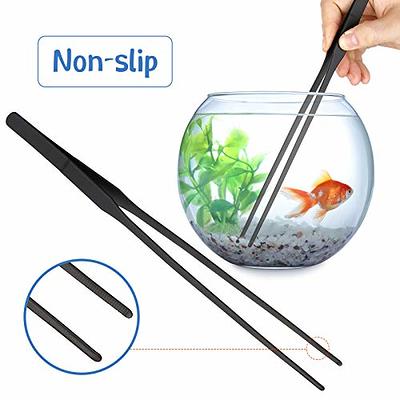
| Use long feeding tools | Keeps your hands away from fish mouths |
| Feed at set times | Reduces fish excitement and aggression |
| Avoid overfeeding | Prevents fish from fighting for food |
| Keep feeding area clear | Stops slips and falls |
Handling Aggressive Behavior
Large fish can act aggressively, especially during feeding. Stay calm and use the right techniques to handle them safely.
- Keep a safe distance when fish show signs of aggression.
- Use tools like nets or poles to guide fish instead of bare hands.
- Do not try to hold or grab the fish tightly.
- Stay alert and watch fish movements at all times.

Credit: www.amazon.ca
Frequently Asked Questions
What Are The Best Tools For Feeding Large Fish?
The best tools include long-handled nets, feeding tongs, and automatic feeders. These tools ensure safe and efficient feeding for large fish without stressing them.
How Do Automatic Feeders Benefit Large Fish Feeding?
Automatic feeders provide consistent, timed feeding. They reduce overfeeding risks and maintain water quality, making them ideal for large fish tanks and ponds.
Can Feeding Tongs Improve Large Fish Feeding Accuracy?
Yes, feeding tongs allow precise food placement. They help avoid food wastage and ensure large fish get the right amount of nutrition.
Why Use Long-handled Nets During Fish Feeding?
Long-handled nets help safely catch and feed large fish. They prevent injury to both fish and handlers while managing feeding areas effectively.
Conclusion
Choosing the right fish feeding tools helps keep large fish healthy. Tools like automatic feeders or feeding rings make feeding easier and cleaner. Proper feeding prevents overfeeding and water pollution. It also saves time for fish caretakers. Simple tools can improve fish growth and tank cleanliness.
Always pick tools that suit your fish size and tank type. Feeding large fish becomes safer and more effective this way. Care and the right tools make a big difference. Keep your fish happy and your tank balanced. Fish feeding tools truly support better fish care.