
Keeping your reef tank healthy and vibrant starts with one simple step: using the right aquarium water conditioner. You might think water is just water, but when it comes to reef tanks, every drop counts.
The wrong water quality can stress your corals and fish, leading to problems you don’t want to face. Imagine your tank thriving with colorful coral and lively fish, all because you chose the perfect water conditioner. You’ll discover how the right product can protect your delicate reef environment and make your underwater world flourish.
Keep reading to find out what to look for and how to make the best choice for your tank.
Why Water Conditioners Matter
Aquarium water conditioners help keep reef tanks safe and healthy. They prepare tap water so fish and coral can live comfortably.
Using a good water conditioner makes it easier to maintain a balanced environment. It reduces stress on marine life and supports tank clarity.
Protecting Marine Life
Water conditioners remove harmful chemicals like chlorine and chloramine. These chemicals can hurt fish, coral, and other creatures in reef tanks.
Conditioners also add protective agents to reduce stress and promote healing. This helps marine animals adjust to new water conditions.
Removing Harmful Substances
Tap water contains metals and toxins that harm reef tanks. Water conditioners neutralize these substances to keep the water safe.
They break down harmful chemicals and bind heavy metals. This stops damage to delicate coral and fish.
- Neutralizes chlorine and chloramine
- Binds toxic heavy metals
- Removes ammonia and nitrates
Enhancing Water Clarity
Clear water helps you see your reef tank better. Water conditioners reduce cloudiness by clearing particles and impurities.
Cleaner water also improves light penetration. This helps coral grow strong and healthy.
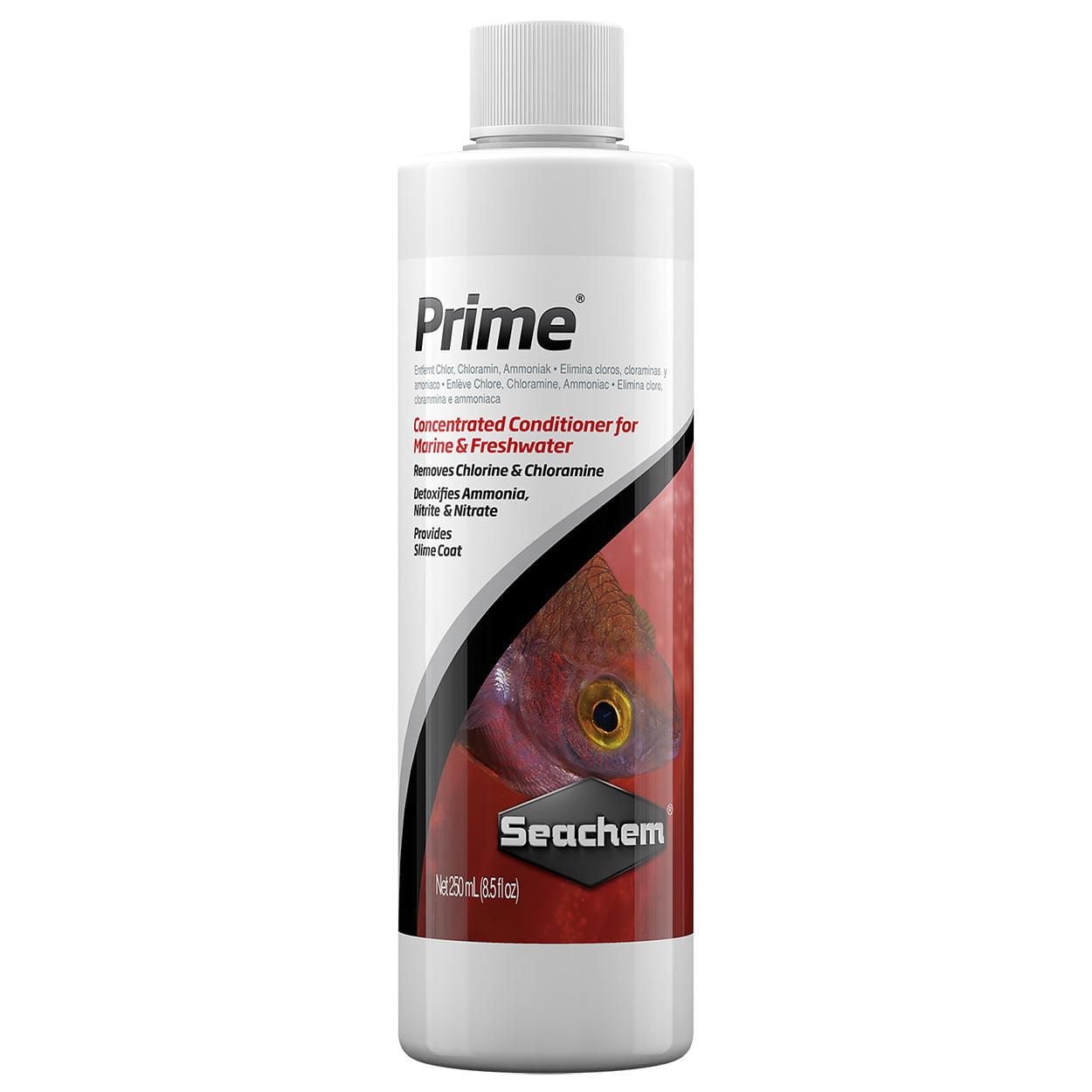
Credit: www.walmart.ca
Key Ingredients In Reef Tank Conditioners
Reef tanks need special care to keep water safe for corals and fish. Water conditioners help by adding important ingredients. These ingredients remove harmful chemicals and add nutrients.
Knowing the key ingredients helps you choose the right conditioner for your reef tank. This guide explains the main types of ingredients found in reef tank conditioners.
Dechlorinators And Dechloraminators
Chlorine and chloramine are added to tap water to kill germs. These chemicals can harm reef life. Dechlorinators remove chlorine. Dechloraminators break down chloramine, which is harder to remove.
Common agents used include sodium thiosulfate and potassium metabisulfite. They neutralize these toxic chemicals quickly to protect your reef.
Detoxifiers And Chelators
Detoxifiers reduce harmful metals like copper and lead in the water. Chelators bind to these metals, making them less toxic. This protects fish and corals from metal poisoning.
- EDTA (Ethylenediaminetetraacetic acid)
- Polyphosphates
- Organic acids
Beneficial Additives
| Additive | Purpose |
| Trace Elements | Support coral growth and color |
| Vitamins | Boost fish immune systems |
| Probiotics | Help balance tank bacteria |
| Humectants | Keep water stable and clear |
Choosing The Right Conditioner
Using a water conditioner is important for reef tanks. It helps keep water safe for fish and corals.
Picking the right conditioner can protect your reef and keep it healthy over time.
Compatibility With Reef Species
Not all conditioners work well with every reef species. Some chemicals can harm delicate corals or invertebrates.
Check if the conditioner is safe for the types of fish, corals, and shrimp in your tank.
- Look for conditioners labeled safe for reef tanks
- Avoid products with harmful chemicals like copper
- Test new conditioners on a small area first
Effectiveness Against Contaminants
A good conditioner removes chlorine and chloramine from tap water. These chemicals can hurt your reef.
Some conditioners also neutralize heavy metals and toxins. These keep water safe for all tank life.
- Choose conditioners that detoxify chlorine and chloramine
- Check if it removes heavy metals like lead and copper
- Read product details on what contaminants it targets
Brand Reputation And Reviews
Brands with good reputations often make reliable water conditioners. They test their products for safety.
Reading reviews helps you see other reef keepers’ experiences. It shows how well the conditioner works.
- Choose brands known for reef-safe products
- Look for reviews mentioning safety and effectiveness
- Avoid products with many negative reports

Credit: www.amazon.com
How To Use Conditioners Safely
Aquarium water conditioners help keep reef tanks safe for fish and corals. Using them properly avoids harm to your tank inhabitants.
Follow clear steps to dose, time, and avoid overuse of conditioners. This keeps water healthy and stable.
Dosage Guidelines
Always use the amount of conditioner suggested on the product label. Too little may not work well. Too much can stress your reef life.
Measure carefully using a clean tool. Avoid guessing or adding extra drops. Use the right dosage for your tank size.
- Check tank volume before dosing
- Use measuring syringes or cups
- Follow product instructions exactly
- Do not mix different conditioners without advice
Timing For Best Results
Add conditioner right after a water change or adding new water. This neutralizes harmful chemicals like chlorine quickly.
Wait a few minutes before adding fish or corals. This lets the conditioner fully work to make water safe.
- Add conditioner immediately after filling the tank
- Wait 5 to 10 minutes before adding livestock
- Use conditioner before adding new corals or fish
- Repeat dosing only as directed
Avoiding Over-treatment
Too much conditioner can harm reef tank animals. Over-treatment may cause cloudy water or stress fish and corals.
Do not dose conditioner more than recommended. Avoid adding it multiple times without water changes or testing water first.
- Stick to recommended dose amounts
- Test water parameters before adding more conditioner
- Do not treat daily unless instructed
- Watch for signs of stress in tank inhabitants
Common Mistakes To Avoid
Using water conditioner in reef tanks is important for fish health. Many tank owners make mistakes that harm their aquariums. Avoiding these errors helps keep your reef tank safe and clean.
This guide shows common mistakes with aquarium water conditioners. Learn what to avoid for a healthy reef environment.
Ignoring Water Testing
Skipping water tests can cause problems in reef tanks. Water testing shows harmful chemicals and changes in water quality. Without testing, you cannot know if the water conditioner is working well.
- Test water for ammonia, nitrites, and nitrates regularly.
- Check pH and salinity before adding conditioner.
- Use test kits designed for reef tanks.
- Record test results to track changes over time.
Mixing Multiple Conditioners
Using more than one conditioner can cause chemical conflicts. Some ingredients may react and harm your reef tank life. Always use one trusted conditioner and follow the instructions carefully.
| Risk | Effect |
| Overdosing | Stress to fish and corals |
| Chemical reaction | Cloudy or toxic water |
| Reduced effectiveness | Conditioner may not work properly |
Neglecting Regular Maintenance
Not cleaning your tank regularly can undo the effects of water conditioner. Dirt and waste build-up harms water quality. Regular maintenance keeps your reef tank stable and healthy.
Important maintenance tasks include:
- Changing 10-20% of water weekly
- Cleaning filters and pumps
- Removing algae and debris
- Checking equipment for damage
Advanced Tips For Ultimate Purity
Keeping your reef tank water pure is important for healthy marine life. You need to use the right aquarium water conditioner and follow advanced tips.
This guide will help you achieve ultimate purity in your reef tank. Let’s explore some advanced techniques to keep your water clean and safe.
Supplementing With Natural Filtration
Natural filtration can improve water quality in your reef tank. It uses nature’s own processes to clean the water.
Add live rock and sand to your tank. These provide habitats for beneficial bacteria that break down waste naturally.
Monitoring Water Parameters
Regularly checking water parameters is key to maintaining purity. Test for pH, ammonia, nitrites, and nitrates often.
Use test kits to measure these levels and adjust as necessary. Keeping these parameters balanced ensures a healthy environment for your reef tank.
Upgrading Equipment For Better Results
Advanced equipment can help in maintaining high water quality. Consider upgrading to efficient filters and protein skimmers.
These tools remove waste and debris, ensuring cleaner water. Investing in good equipment pays off with healthier marine life.
- High-performance filters capture more particles
- Protein skimmers remove organic compounds
- Automatic top-off systems maintain water levels

Credit: www.amazon.com
Frequently Asked Questions
What Is The Best Aquarium Water Conditioner For Reef Tanks?
The best water conditioners for reef tanks remove chlorine and detoxify heavy metals. Choose conditioners with reef-safe formulas that protect corals and fish effectively.
How Often Should I Use Water Conditioner In A Reef Tank?
Use water conditioner every time you add new water or perform water changes. This ensures toxins are neutralized and maintains a healthy environment for reef inhabitants.
Can Aquarium Water Conditioners Harm Reef Corals?
Most reef-safe water conditioners are formulated to be non-toxic to corals. Always check product labels and choose conditioners specifically designed for reef tanks to avoid harm.
Why Is Water Conditioning Important For Reef Aquarium Health?
Water conditioners remove harmful chemicals like chlorine and chloramine. They also neutralize heavy metals, promoting a stable and safe environment for sensitive reef organisms.
Conclusion
Keeping reef tanks healthy needs clean, safe water. Aquarium water conditioners remove harmful chemicals fast. They help protect fish and corals from stress. Using a good conditioner keeps your tank balanced. It supports the life and colors in your reef.
Regular use leads to a stable, thriving aquarium. Simple steps like this make tank care easier. Enjoy a vibrant, lively reef with proper water care. Small changes bring big benefits to your underwater world.