
If you have a nano tank, you know how important it is to keep your fish healthy and happy. But choosing the right fish food for such a small setup can be tricky.
Feeding your tiny aquatic friends the wrong food can cause problems like water pollution and poor fish health. You’ll discover the best fish food options tailored specifically for nano tanks. By the end, you’ll know exactly how to feed your fish in a way that keeps your tank clean and your fish thriving.
Ready to find out what your nano tank fish really need? Let’s dive in!
Choosing Food For Nano Tanks
Feeding small fish in nano tanks is important for their health. Their food must fit their tiny size and needs.
Let’s explore the nutritional needs and suitable fish food for nano aquariums.
Nutritional Needs Of Small Fish
Small fish need balanced nutrition for growth and color. Their food must have protein, vitamins, and minerals.
They also need food that is easy to digest. Overfeeding can harm water quality in nano tanks.
- Protein for energy and growth
- Vitamins for strong immune systems
- Minerals for bone health
Types Of Fish Food Suitable For Nano Aquariums
Different types of fish food are available for nano tanks. Choose food based on fish species and tank size.
Options include flakes, pellets, and live or frozen food. Each type has its benefits.
- Flakes are easy to store and feed
- Pellets sink slowly, good for bottom feeders
- Live food provides natural hunting experience
- Frozen food is rich in nutrients
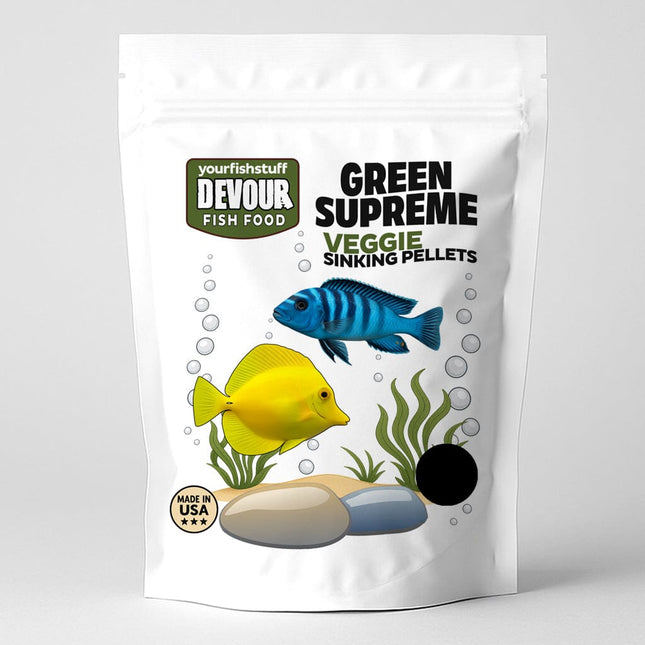
Credit: www.yourfishstuff.com
Best Flake And Pellet Foods
Choosing the right food helps keep fish healthy. Small fish in nano tanks need special care. Their food must fit their size and diet needs.
Flakes and pellets work well for nano tanks. They offer balanced nutrition for tiny mouths and small fish species.
Micro Flakes For Tiny Mouths
Micro flakes are very small. They break easily in water. This makes them easy to eat for tiny fish. These flakes contain essential vitamins and minerals.
- Small size fits tiny mouths
- Quick to digest
- Rich in nutrients
- Float on water surface
- Good for frequent feeding
Mini Pellets For Balanced Diet
Mini pellets are compact and dense. They sink slowly, making them ideal for bottom feeders. Pellets deliver a steady diet with proteins and fibers.
| Pellet Type | Size | Best For |
| Floating Mini Pellets | 1-2 mm | Surface and mid-level feeders |
| Sinking Mini Pellets | 1-3 mm | Bottom dwellers and scavengers |
| Vegetable Mini Pellets | 1-2 mm | Herbivores and algae eaters |
Live And Frozen Options
Feeding fish in nano tanks needs careful choices. Live and frozen foods are popular for small fish tanks.
These foods help keep fish healthy and active. They offer different nutrients and feeding experiences.
Benefits Of Live Foods
Live foods move in the water and attract fish easily. They encourage natural hunting behavior in fish.
Live foods are rich in nutrients that help fish grow strong. They improve fish colors and boost their immune systems.
- Stimulate fish to eat actively
- Provide fresh nutrients
- Help fish develop natural instincts
- Improve fish health and color
Popular Frozen Food Choices
Frozen foods are easy to store and use. They keep most nutrients and do not spoil quickly.
Many fish owners use frozen food to feed their nano tanks. These foods come in small sizes suitable for tiny fish.
- Frozen brine shrimp
- Frozen bloodworms
- Frozen daphnia
- Frozen tubifex worms

Credit: theplecofeeder.com
Feeding Tips For Nano Tanks
Feeding fish in nano tanks requires care and attention. Small tanks have limited space and water volume.
Proper feeding helps keep fish healthy and the water clean. It is important to feed the right amount and at the right times.
Portion Control To Prevent Overfeeding
Overfeeding is a common problem in nano tanks. Extra food can pollute the water and harm fish.
Feed small portions that fish can eat in a few minutes. Remove any leftover food to keep the tank clean.
- Use a small spoon or dropper for feeding
- Feed only what fish finish quickly
- Observe fish behavior to adjust portions
- Avoid feeding scraps or large pieces
Feeding Frequency And Timing
Feed fish two to three times a day in small amounts. Regular feeding helps fish stay healthy and active.
Feed at the same times each day. This creates a routine for the fish and reduces stress.
- Feed morning and evening for best results
- Observe fish appetite to adjust feeding times
- Skip feeding once a week to prevent waste buildup
Avoiding Common Feeding Problems
Feeding fish in nano tanks needs care to keep fish healthy. Small tanks have less water, so feeding mistakes can harm fish fast.
Knowing how to feed properly stops many problems. This guide helps you avoid common issues with fish food in nano tanks.
Preventing Water Pollution
Overfeeding is the main cause of water pollution in nano tanks. Leftover food breaks down and pollutes water quickly.
To keep water clean, feed small amounts and remove uneaten food fast. Use food that fish eat quickly to reduce waste.
- Feed only what fish can eat in 2-3 minutes
- Remove leftover food after feeding
- Use sinking pellets to avoid surface waste
- Keep a regular feeding schedule
- Check water quality often to catch pollution early
Handling Picky Eaters
Some fish in nano tanks do not eat all types of food. Picky eaters can lose health if they miss meals often.
Try different food types like flakes, pellets, or frozen food. Feed small portions and watch what your fish prefer.
- Offer variety to find favorite foods
- Feed at the same time daily to build routine
- Use live or frozen food to attract interest
- Observe fish behavior to adjust feeding
- Do not overfeed picky fish; small meals help

Credit: theplecofeeder.com
Supplementing Diets With Natural Foods
Fish in nano tanks need a balanced diet to stay healthy. Natural foods add important nutrients missing in some commercial fish foods.
Adding natural foods can improve fish color, growth, and immunity. It also helps mimic their natural eating habits.
Adding Vegetables And Algae
Vegetables and algae provide fiber and vitamins. Many fish enjoy nibbling on these natural treats.
Safe options include spinach, zucchini, and blanched peas. Algae sheets are popular for herbivorous fish.
- Blanch vegetables to soften them
- Remove uneaten veggies to avoid water pollution
- Use algae sheets as occasional treats
- Offer small amounts to prevent overfeeding
Using Homemade Fish Food Recipes
Homemade fish food lets you control ingredients. You can include fresh proteins and vegetables that fish love.
Simple recipes use fish flakes, shrimp, spinach, and gelatin. These mix into small portions for nano tanks.
- Grind ingredients finely to fit small mouths
- Store homemade food in small containers
- Freeze portions to keep food fresh
- Feed in small amounts to avoid waste
Frequently Asked Questions
What Is The Best Fish Food For Nano Tanks?
The best fish food for nano tanks is small, nutrient-rich flakes or pellets. Choose food suitable for tiny fish species. Avoid overfeeding to maintain water quality. Frozen or live foods like daphnia are also excellent choices for balanced nutrition.
How Often Should I Feed Fish In A Nano Tank?
Feed nano tank fish 1 to 2 times daily in small amounts. Only provide what they can eat within 2 minutes. Overfeeding leads to water pollution and fish health issues. Regular feeding promotes healthy growth and vibrant colors.
Can I Feed Frozen Food To Nano Tank Fish?
Yes, frozen food is ideal for nano tank fish. It provides natural nutrients and variety. Thaw frozen food before feeding to avoid temperature shock. Use foods like brine shrimp or bloodworms to boost fish health and activity.
Are Flakes Or Pellets Better For Nano Tanks?
Both flakes and pellets work well for nano tanks. Flakes are easy to digest and float on water. Pellets sink slowly, ideal for bottom feeders. Select small-sized flakes or pellets to suit the tiny mouths of nano fish.
Conclusion
Choosing the right fish food keeps nano tank fish healthy and happy. Small tanks need small, easy-to-digest food. Feeding little amounts often helps maintain clean water. Balanced nutrition supports fish growth and bright colors. Always check ingredients for quality and suitability.
Feeding your fish well creates a lively, beautiful tank. Careful food choices make nano tank keeping simple and fun. Keep learning about your fish’s needs to improve care. Your tiny tank can thrive with the right feeding habits.