
Are you tired of worrying whether your ornamental fish are getting fed on time? Feeding your fish regularly is key to keeping them healthy and vibrant, but life can get busy, and you might miss a feeding now and then.
What if there was an easy way to ensure your fish are fed consistently, even when you’re not around? Automated feeding tools can take that stress off your shoulders and give your fish the care they deserve. Keep reading to discover how these smart devices work and how they can transform the way you care for your aquatic pets.
Benefits Of Automated Fish Feeding
Feeding ornamental fish is an important task for fish owners. Using automated tools helps make feeding easier and more effective. These tools give fish the right amount of food at the right time.
Automated fish feeders reduce mistakes and save time. They improve the overall care of your fish tank or pond. Let’s look at the main benefits of using these tools.
Consistent Feeding Schedule
Automated feeders deliver food at the same time every day. Fish get used to this routine, which helps their digestion and activity. A steady feeding schedule prevents overfeeding or missing meals.
Fish that eat on time are less stressed. Consistency supports their natural behavior and growth. Automated tools keep the schedule even when you are busy or away.
Reduced Manual Effort
Automated feeders cut down the time you spend feeding fish. You do not need to measure or carry food every day. This makes fish care easier for beginners and busy people.
These tools also reduce the risk of feeding errors. You avoid giving too much or too little food. The automatic system works without needing your constant attention.
Improved Fish Health
Regular feeding helps fish stay healthy and grow well. Automated feeders provide the right food amount, which prevents water pollution. Cleaner water means fewer diseases for your fish.
Healthy fish show better colors and behavior. They also have stronger immune systems. Using automated tools supports long-term health and reduces fish stress.

Credit: www.made-in-china.com
Types Of Automated Fish Feeders
Automated fish feeders help keep your ornamental fish healthy. They feed fish on a set schedule without daily effort.
Different feeders work in different ways. You can pick one based on your tank size and feeding needs.
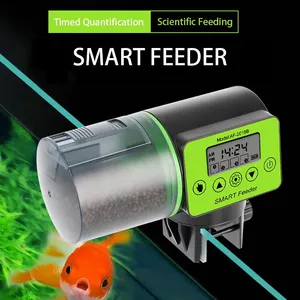
Timed Feeders
Timed feeders release food at fixed intervals. You set the time, and the feeder drops food automatically.
These feeders are simple and reliable. They work well for basic feeding schedules.
Programmable Feeders
Programmable feeders let you customize feeding times and portion sizes. You can adjust settings for different days.
- Set multiple feeding times per day
- Control the amount of food released
- Use for different types of fish diets
Smart Feeders With Sensors
Smart feeders use sensors to detect fish activity. They feed only when fish are active or hungry.
| Feature | Benefit |
| Motion Sensors | Feed fish when they swim near the feeder |
| Light Sensors | Adjust feeding based on daylight hours |
| App Control | Feed fish remotely using a smartphone |
Choosing The Right Feeder
Feeding ornamental fish with automated tools saves time and effort. Selecting the right feeder ensures your fish get proper nutrition.
Consider your tank size, fish type, feeder capacity, and power options. These factors affect how well the feeder works in your setup.
Tank Size And Fish Type
Large tanks need feeders with bigger capacity. Small tanks work best with compact feeders. Different fish types require specific food sizes and feeding schedules.
- Small fish need fine flakes or powder feeders
- Medium fish require standard pellet feeders
- Large fish need bigger pellet or chunk feeders
- Carnivorous fish may need protein-rich food feeders
Feeder Capacity
The feeder capacity should match your feeding frequency. If you feed daily, a smaller capacity feeder works. For longer trips, choose a large capacity feeder.
| Feeding Frequency | Recommended Capacity |
| Daily | Small (up to 50g) |
| Every 2-3 days | Medium (50g-150g) |
| Weekly or more | Large (over 150g) |
Power Sources And Reliability
Feeders run on batteries or electricity. Battery feeders offer flexibility but need frequent changes. Electric feeders require a nearby outlet but run continuously without interruption.
- Battery feeders are good for short trips or power outages
- Electric feeders are better for long-term use
- Check if the feeder has a low-battery warning
- Choose feeders with reliable timers for accurate feeding

Credit: www.youtube.com
Setting Up Your Feeder
Using an automated feeder can make feeding your ornamental fish easier. Setting up the feeder correctly helps keep your fish healthy and happy.
This guide covers important steps to install your feeder and program it for the best results.
Installation Tips
Place the feeder where it stays dry and safe from splashes. Ensure it is secure and stable to avoid falling into the tank.
- Mount the feeder above the tank edge
- Keep it away from direct sunlight
- Check that the feeder’s outlet faces the water
- Use clamps or holders to fix it firmly
- Test the feeder’s position before starting
Programming Feeding Times
Set feeding times based on your fish’s needs. Most ornamental fish do well with two to three feedings daily.
- Turn on the feeder’s timer
- Select hours and minutes for each feeding
- Save the settings before exiting
- Adjust times if fish show signs of hunger or overeating
Adjusting Feed Amounts
Feed amounts must match your fish size and number. Start with small portions and increase if needed.
| Fish Size | Feed Amount Per Meal |
| Small (1-3 inches) | 1-2 pellets |
| Medium (4-6 inches) | 3-5 pellets |
| Large (7+ inches) | 6-8 pellets |
Maintenance And Troubleshooting
Automated feeders help keep ornamental fish fed on time. Regular care keeps these tools working well. Troubleshooting helps fix small problems fast.
Proper maintenance stops feeding issues. Knowing common problems saves time and stress. Let’s look at how to care for your feeder and solve issues.
Cleaning The Feeder
Clean the feeder often to avoid food clogs. Dry food can stick inside and block the delivery. Remove old food and dust to keep it running smoothly.
Use a soft brush or cloth to clean all parts. Avoid water on electrical parts. Check the feeding chamber and the exit hole for buildup.
- Turn off and unplug the feeder before cleaning
- Remove the food container and empty leftover food
- Use a dry brush to remove stuck food particles
- Wipe exterior with a damp cloth, avoiding electronics
- Reassemble the feeder only after all parts are dry
Common Issues And Fixes
Sometimes feeders stop working or deliver too much food. These problems can stress your fish. Check the feeder regularly to catch issues early.
Most problems happen from clogs, wrong settings, or power issues. Fix small problems by adjusting settings or cleaning the feeder. If the feeder is stuck, gently remove the jammed food.
- Feeder does not release food: Check if food is stuck or jammed
- Too much food dispensed: Adjust portion size in the settings
- Feeder runs at wrong times: Reset the timer or check the clock
- Food falls into water: Ensure the feeder is securely mounted and level
Battery And Power Management
Keep batteries fresh for continuous feeding. Weak batteries can cause errors or stop the feeder. Check battery levels often and replace when low.
Some feeders use power adapters. Use the right adapter to avoid damage. Disconnect power during storms to protect electronics.
- Use fresh batteries recommended by the manufacturer
- Replace batteries at least every three months
- Keep spare batteries on hand for emergencies
- Use the correct power adapter if your feeder supports AC power
- Unplug the feeder during electrical storms to prevent damage
Enhancing Fish Care With Automation
Automated tools make caring for ornamental fish easier. These tools help manage feeding and monitoring tasks.
Fish owners can focus more on enjoying their fish. Automation ensures fish receive consistent care.
Combining Feeders With Other Tools
Using feeders with timers ensures fish get food regularly. Other tools can help monitor water quality and temperature.
- Automatic feeders for scheduled meals
- Water quality sensors to check pH and ammonia levels
- Temperature controllers for stable water conditions
Monitoring Fish Behavior
Observing fish behavior helps identify health issues early. Automated systems can track changes in swimming patterns.
Installing cameras in the tank provides live feeds. Owners can watch their fish from anywhere.
Adapting Feeding For Different Life Stages
Fish have different nutritional needs at various life stages. Automated feeders can be adjusted to provide the right amount of food.
| Life Stage | Feeding Frequency | Food Type |
| Fry | 4 times a day | Powdered food |
| Juvenile | 3 times a day | Pellets |
| Adult | Twice a day | Flakes or pellets |
Credit: www.dhgate.com
Frequently Asked Questions
What Are Automated Fish Feeding Tools?
Automated fish feeding tools dispense food at set times. They ensure consistent feeding and reduce overfeeding risks. These devices help maintain fish health and water quality. They are ideal for busy aquarium owners or large fish tanks.
How Do Automated Feeders Benefit Ornamental Fish Care?
Automated feeders provide regular food supply, preventing missed or irregular feedings. Consistent feeding supports fish growth and vitality. They reduce manual labor and stress for both fish and owners. This improves overall aquarium health and simplifies maintenance.
Can Automated Feeders Handle Different Fish Food Types?
Yes, many automated feeders accommodate various food types like flakes, pellets, or granules. This versatility suits different ornamental fish dietary needs. Check feeder specifications for compatible food forms before purchase. Proper food selection ensures effective feeding and fish well-being.
Are Automated Fish Feeders Easy To Program?
Most automated feeders feature user-friendly interfaces for easy programming. Users can set feeding frequency, portion size, and timing quickly. This convenience allows customization to fish species’ dietary needs. Clear instructions and digital displays enhance usability for beginners.
Conclusion
Automated feeders help keep your fish healthy and happy. They give food at the right time and in the right amount. This reduces stress for both you and your fish. You can enjoy watching your fish without worrying about feeding.
These tools save time and make care easier. Using them means your fish get steady nutrition every day. A simple step for better fish care and peace of mind. Try automated feeding to improve your fish tank routine.