
Setting up your aquarium with the right filter can make all the difference for the health of your fish and plants. If you’ve chosen a sponge filter, you’re on the right track for gentle, effective filtration.
But how do you install it correctly to get the best results? This guide will walk you through the simple steps to set up your sponge filter so your aquarium stays clean and your aquatic life thrives. Keep reading to make sure your filter is working perfectly from day one.
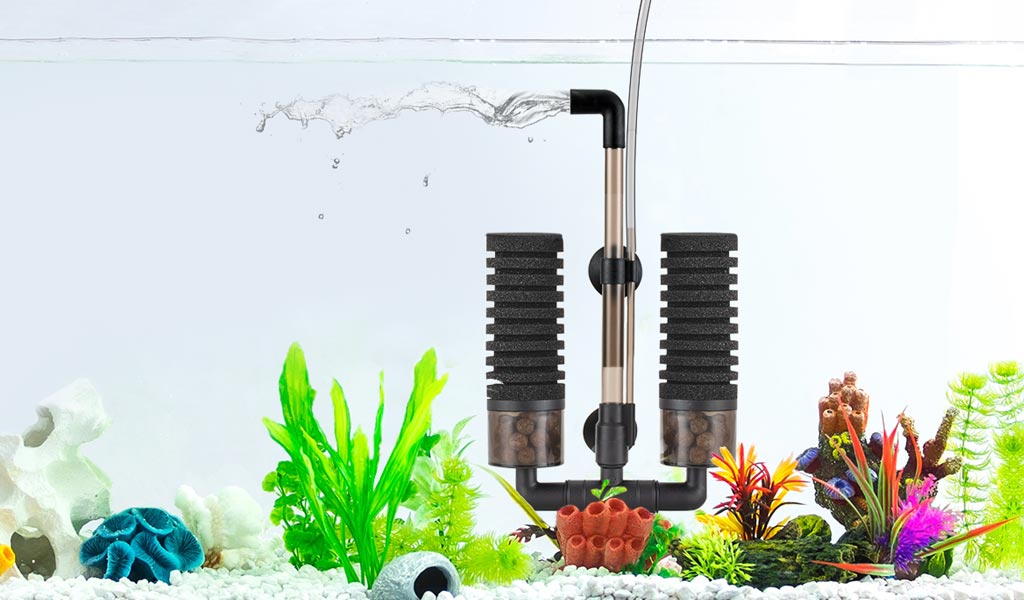
Credit: www.hygger-online.com
Choosing The Right Sponge Filter
Sponge filters are popular for aquarium filtration. They clean water gently and help keep fish safe.
Picking the right sponge filter is important. It depends on your aquarium size and fish type.
Types Of Sponge Filters
There are many sponge filter types. Each works differently to clean the water.
Some common types include air-driven, power-driven, and corner sponge filters.
- Air-driven filtersuse air pumps to push water through the sponge.
- Power-driven filtersuse a small motor to pull water through.
- Corner sponge filtersfit into aquarium corners for space-saving.
Filter Size And Aquarium Compatibility
Choose a sponge filter size that matches your aquarium. Too small filters may not clean well.
Check the filter’s flow rate and size limits. This helps keep water clear and fish healthy.
- Small tanks (up to 10 gallons) need small sponge filters.
- Medium tanks (10-30 gallons) work well with medium-sized filters.
- Large tanks (over 30 gallons) require large or multiple filters.
Materials And Durability
Sponges are made from different materials. Some last longer and clean better.
Look for sponges that resist tearing and hold bacteria well for good filtration.
- Foam spongesare common and affordable.
- Polyurethane spongesoffer good durability and water flow.
- Open-cell spongesallow better water movement and bacteria growth.
Gathering Necessary Tools
Setting up a sponge filter for your aquarium needs the right tools. Collecting these tools first saves time and makes installation easier.
This guide breaks down the key items you need to prepare before starting the setup process.
Air Pump Selection
Choose an air pump that fits your aquarium size and sponge filter needs. It should provide enough airflow without making too much noise.
- Check the air output capacity (measured in liters per minute)
- Look for adjustable air flow settings
- Prefer energy-efficient models
- Consider a quiet pump to avoid disturbing noise
Tubing And Connectors
Good tubing and connectors keep the air moving smoothly from the pump to the sponge filter. Choose flexible and durable materials.
| Item | Description | Tip |
| Air tubing | Flexible plastic tubes | Match diameter with pump outlet |
| Connectors | Elbows, T-joints, clips | Use to secure and direct tubing |
| Check valve | Prevents water backflow | Place close to the pump |
Additional Accessories
Some extra tools help make installation easier and keep the filter working well over time.
- Suction cups to hold tubing in place
- Air stone for finer bubbles
- Small scissors or cutters for tubing
- Clamps for adjusting airflow
Preparing The Aquarium
Setting up a sponge filter requires a clean and well-prepared aquarium. Proper preparation helps keep your fish healthy and the water clear.
Follow simple steps to prepare the tank before installing your sponge filter.
Cleaning The Tank
Start by cleaning the aquarium to remove dust and dirt. Use warm water and a soft cloth or sponge. Avoid chemicals or soap.
Rinse any decorations or gravel to remove dust and debris before placing them in the tank.
- Use warm water only
- Do not use soap or detergent
- Rinse decorations and gravel thoroughly
- Wipe the glass with a soft cloth
Positioning The Filter
Place the sponge filter where water flows well but does not disturb the fish. Usually, a corner near the bottom works best.
Make sure the filter is stable and fully inside the water. Avoid placing it where it can tip over easily.
- Choose a quiet corner of the tank
- Keep the filter submerged
- Secure the filter in place
- Avoid blocking fish swimming paths
Ensuring Proper Water Levels
Fill the aquarium with water up to the recommended level. The sponge filter must be fully underwater to work well.
Check water levels daily. Top off with fresh water when needed to keep the filter running smoothly.
- Fill tank to the marked water line
- Keep filter fully submerged
- Monitor evaporation and refill regularly
- Use dechlorinated water for refills

Credit: www.reddit.com
Installing The Sponge Filter
Installing a sponge filter is a simple way to keep your aquarium water clean. It helps remove debris and provides a home for beneficial bacteria.
Follow these steps to set up your sponge filter correctly and keep your fish healthy.
Assembling The Filter Components
Start by gathering all parts of the sponge filter. This usually includes the sponge, lift tube, base, and airline connector.
Attach the sponge to the base. Then insert the lift tube into the sponge. Make sure all parts fit snugly to avoid leaks.
Connecting The Air Pump
Use an airline tubing to connect the sponge filter to the air pump. This tubing carries air to the filter.
Attach one end of the tubing to the airline connector on the filter. Connect the other end to the air pump outlet.
- Check that the tubing is not kinked or bent
- Use a valve if you want to adjust air flow
- Place the air pump above water level to prevent backflow
Securing The Tubing
Make sure the airline tubing is firmly attached. Loose tubing can cause air leaks or stop the filter from working.
Use clips or suction cups to hold the tubing in place along the tank or wall. Keep tubing away from sharp edges.
- Attach tubing securely to the air pump and filter
- Use suction cups to fix tubing inside the tank
- Avoid stretching the tubing too tight
Testing And Adjusting The Filter
After installing your sponge filter, testing and adjusting it is important. This ensures the filter works well and keeps your aquarium clean.
Check the airflow, adjust air pressure, and confirm proper filtration. Each step helps maintain a healthy environment for your fish.
Checking Airflow
Start by checking the airflow from the air pump to the sponge filter. The bubbles should flow steadily and reach the sponge without interruption.
- Listen for steady bubbling sounds.
- Look for consistent bubble size and speed.
- Ensure tubing is not kinked or blocked.
- Check that the air stone is fully submerged.
Adjusting Air Pressure
Adjust the air pressure to control bubble flow. Too much air can disturb fish. Too little air lowers filtration efficiency.
| Air Pressure Level | Effect on Filter |
|---|---|
| Low | Weak bubbles, poor water movement |
| Medium | Optimal bubbles, good filtration |
| High | Strong bubbles, may stress fish |
Ensuring Proper Filtration
Make sure water flows through the sponge filter to trap debris. The sponge should stay clean and free from clogs.
- Check sponge for dirt build-up weekly.
- Rinse sponge in tank water if clogged.
- Replace sponge if damaged or very dirty.
- Keep air pump running continuously for best results.

Credit: aquarium-boutique.com
Maintenance Tips
Proper maintenance of your sponge filter keeps your aquarium clean. Follow these simple tips to ensure your filter works effectively.
Regular care extends the life of your filter and keeps your fish healthy. Learn how to maintain your sponge filter with ease.
Cleaning The Sponge Filter
Clean your sponge filter every two weeks. This prevents clogging and keeps water flowing smoothly.
Rinse the sponge in a bucket of tank water. Avoid using tap water to maintain beneficial bacteria.
- Turn off the filter before cleaning
- Gently squeeze the sponge in tank water
- Reinstall the sponge carefully
Replacing Components
Check the sponge for wear and tear. Replace it every six months for optimal performance.
Inspect other parts like the air stone and tubing. Replace them if they appear damaged.
- Buy replacement parts from a trusted store
- Keep spare parts handy for emergencies
- Follow manufacturer instructions for replacements
Monitoring Filter Performance
Observe water clarity regularly. Cloudy water may indicate a filter issue.
Listen for unusual noises from the filter. This can signal a problem needing attention.
| Check | Action |
| Water Flow | Ensure steady flow |
| Noises | Inspect and clean filter |
| Clarity | Adjust or clean filter |
Frequently Asked Questions
How Do I Install A Sponge Filter In My Aquarium?
Place the sponge filter inside the tank near the water outlet. Connect the air pump tubing securely to the filter. Submerge the sponge fully and turn on the pump to start filtration and aeration.
What Size Sponge Filter Suits My Aquarium?
Choose a sponge filter based on your tank size and fish load. For tanks under 20 gallons, small filters work well. Larger tanks need bigger or multiple sponge filters for effective filtration.
How Often Should I Clean My Sponge Filter?
Clean the sponge filter every 2 to 4 weeks. Rinse it gently in tank water to preserve beneficial bacteria. Avoid using tap water as it can kill helpful microbes.
Can Sponge Filters Replace Traditional Aquarium Filters?
Sponge filters are excellent for biological filtration and gentle water flow. However, they may not fully replace mechanical or chemical filters in heavily stocked tanks.
Conclusion
Installing a sponge filter keeps your aquarium clean and healthy. It helps remove waste and keeps water clear. The process is simple and does not need special tools. Regular cleaning of the sponge improves filter performance. A well-installed sponge filter supports fish and plant life.
Enjoy a clearer tank and happier fish with proper setup. Keep your aquarium fresh and safe every day. Small steps make a big difference in tank care.