
Are you looking to give your adult fish the best diet possible? Feeding them live food can make a big difference in their health and happiness.
Live food is packed with nutrients and brings out your fish’s natural hunting instincts. If you want your fish to thrive, stay vibrant, and show off their true colors, understanding how to choose and offer live food is key. Keep reading to discover simple tips and expert advice that will transform your fish’s mealtime and boost their well-being.
Benefits Of Live Food
Live food offers many benefits for adult fish. It helps keep them healthy and active.
Using live food in fish diets supports their growth and natural behavior in the tank.
Nutritional Advantages
Live food provides high protein and essential nutrients. These nutrients are easy for fish to digest.
Many live foods contain vitamins and minerals that improve fish health and growth.
- Rich in natural proteins
- Contains essential fatty acids
- High in vitamins like A and D
- Provides minerals such as calcium and magnesium
Enhancing Fish Behavior
Live food encourages natural hunting and foraging behavior. This keeps fish active and engaged.
Feeding live food can reduce stress and boredom in adult fish.
- Stimulates natural instincts
- Promotes physical activity
- Improves mental alertness
Boosting Immunity
Live food helps strengthen fish immune systems. It supports their ability to fight diseases.
Regular feeding of live food can lead to healthier fish with fewer illnesses.
- Contains natural immune boosters
- Enhances disease resistance
- Supports faster recovery from illness

Credit: aquaticarts.com
Types Of Live Food
Live food is vital for adult fish to stay healthy and active. It mimics natural diets and improves their color and energy.
There are several types of live food that fish enjoy. Each type offers different nutrients and benefits.
Worms And Larvae
Worms and larvae are rich in protein and easy for fish to digest. Common examples include bloodworms and tubifex worms.
Larvae of insects like mosquito larvae also serve as a natural food source. These foods help improve fish growth and vitality.
Crustaceans
Crustaceans are small water animals with shells. They provide essential fats and proteins to adult fish.
- Brine shrimp
- Daphnia (water fleas)
- Copepods
- Amphipods
These live foods also help stimulate natural hunting behaviors in fish.
Insects And Eggs
Many fish enjoy eating insects and their eggs. These are high in nutrients and easy to find in natural habitats.
| Insect Type | Common Use | Benefits |
|---|---|---|
| Fruit flies | Small fish food | Easy to culture at home |
| Crickets | Food for larger fish | High protein and fat |
| Fish eggs | Natural food source | Rich in vitamins |
Plankton And Microorganisms
Plankton and microorganisms are tiny live foods that many fish eat. They form the base of the aquatic food chain.
Examples of plankton include:
- Phytoplankton (plant plankton)
- Zooplankton (animal plankton)
These foods supply vitamins and minerals needed for fish health.
Choosing The Right Live Food
Feeding adult fish with live food can improve their health and activity. Picking the right live food is important for their well-being.
Different fish need different types of live food. It is important to understand these needs before feeding.
Species-specific Preferences
Each fish species has its favorite live food. Some prefer insects, others like small crustaceans or worms.
Knowing what your fish naturally eat helps you choose the best live food. This keeps them healthy and active.
- Surface feeders often like small insects and larvae
- Bottom feeders prefer worms and snails
- Predatory fish eat small fish or shrimp
Size And Compatibility
Live food must be the right size for your fish to eat easily. Too large food can cause stress or injury.
Choose live food that fits your fish’s mouth size and swimming ability. This avoids wasting food and keeps your tank clean.
- Small fish need tiny live food like baby brine shrimp
- Medium fish can eat larger worms or insects
- Large fish may eat small fish or large crustaceans
Availability And Sustainability
Choose live food that is easy to find and safe for your fish. Sustainable options protect the environment and fish health.
Using farmed or cultured live food reduces the impact on wild populations. Check if the live food is free from diseases.
- Farm-raised brine shrimp are widely available
- Cultured blackworms are a sustainable choice
- Avoid wild-caught live food that may carry parasites
Preparing Live Food
Live food is essential for adult fish to stay healthy and active. Preparing it properly helps keep the fish safe and nourished.
This guide covers harvesting and culturing, cleaning and sorting, and storage tips for live food.
Harvesting And Culturing
Harvest live food carefully to avoid stress and contamination. Use clean nets or containers to collect the food. Culturing live food means growing it in controlled conditions to keep it fresh and abundant.
- Keep the culture tank clean and well-aerated.
- Feed the culture regularly with appropriate food like algae or yeast.
- Harvest only what you need to avoid over-harvesting.
- Replace water often to maintain good quality.
Cleaning And Sorting
Cleaning live food removes dirt and unwanted particles. Sorting helps separate healthy food from debris or dead organisms. This process ensures your fish eat safe and nutritious food.
| Cleaning Step | Description |
| Rinse | Gently wash live food in clean water. |
| Remove Debris | Use a fine mesh to separate food from dirt. |
| Sort | Pick healthy, active organisms for feeding. |
| Discard | Throw away dead or damaged food. |
Storage Tips
Store live food in cool, clean water to keep it alive longer. Avoid overcrowding to reduce stress and oxygen depletion.
- Use an aerated container to keep oxygen levels high.
- Change water daily to prevent waste buildup.
- Keep temperature stable and suitable for the food type.
- Feed cultured live food regularly to maintain freshness.
Feeding Techniques
Feeding adult fish live food helps them stay healthy and active. Using the right techniques ensures your fish get enough nutrition.
Proper feeding also prevents waste and keeps the tank clean. Knowing how to feed live food correctly is important for every fish owner.
Frequency And Quantity
Feed adult fish live food one to two times each day. Too much food can harm fish and pollute the water.
Give only as much food as the fish can eat in five minutes. Remove leftover food to keep the tank clean.
- Feed small amounts to avoid waste
- Watch fish eat to learn their needs
- Adjust food quantity based on fish size
Introducing New Foods
Introduce new live foods slowly to help fish adjust. Start by mixing a small amount with their usual food.
Observe fish behavior to see if they accept the new food. Change slowly to avoid stress and digestive issues.
- Start with small portions of new live food
- Mix new food with familiar items
- Watch for signs of acceptance or rejection
Avoiding Overfeeding
Overfeeding can cause poor water quality and sick fish. Feed only what your fish need to stay healthy.
Remove uneaten food after feeding time. Keep a feeding schedule and avoid extra treats to prevent overfeeding.
- Feed small amounts based on fish appetite
- Clean leftover food promptly
- Stick to regular feeding times
Credit: www.walmart.ca
Risks And Precautions
Feeding live food to adult fish can be risky if not handled properly. It is important to understand the precautions you need to take. This ensures your fish stay healthy and safe.
By being aware of potential risks, you can prevent problems from arising. This guide will help you make informed decisions for your aquarium.
Contamination Concerns
Contamination is a major concern when using live food. Live food can carry harmful bacteria. This can lead to infections in fish.
- Always rinse live food before feeding.
- Source from reputable suppliers.
- Store live food in clean conditions.
Parasite Prevention
Parasites are another risk associated with live food. They can cause disease and stress in fish. Preventing parasites is crucial for aquarium health.
| Action | Purpose |
| Quarantine new live food | Observe for parasites |
| Use anti-parasitic treatments | Reduce parasite risk |
| Regular health checks | Early detection of issues |
Balancing Diet With Other Foods
A balanced diet is vital for fish health. Relying solely on live food can lead to nutrient deficiencies. It is important to mix live food with other types of fish food.
Supplementing Live Food
Feeding adult fish live food is beneficial for their health. It mimics their natural diet and keeps them active and engaged.
Sometimes it’s necessary to supplement live food with other options. This ensures fish get all the nutrients they need to thrive.
Frozen And Prepared Alternatives
Frozen food can be a great alternative to live food. It offers convenience and reduces the risk of introducing parasites into the tank.
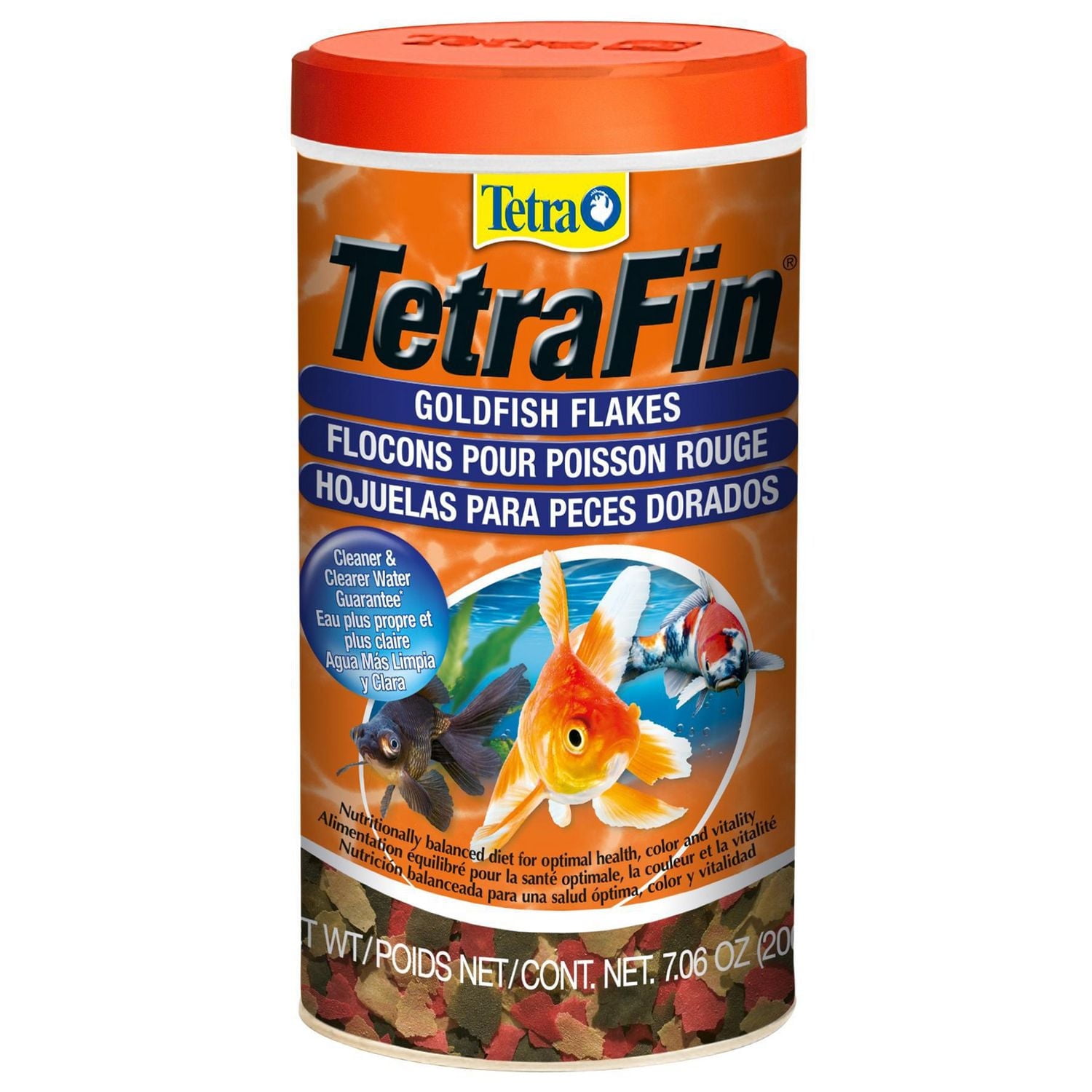
Prepared foods are available in many varieties. They come in flakes, pellets, and gels, providing a balanced diet for fish.
- Frozen brine shrimp
- Freeze-dried bloodworms
- Pellet food for specific species
Vitamins And Additives
Adding vitamins and minerals to fish food helps boost their immune system. This ensures they remain healthy and vibrant.
Supplements can be added directly to the water. They can also be mixed with food to enhance nutritional value.
- Vitamin C for tissue repair
- Calcium for bone strength
- Omega-3 for better growth
Maintaining Dietary Variety
Offering a variety of foods keeps fish interested and active. It also helps prevent nutritional deficiencies.
Rotate between different types of food. This mimics the natural diversity fish find in the wild.
- Alternate between live and frozen food
- Include plant-based options like spirulina
- Provide occasional treats like daphnia

Credit: www.amazon.com
Frequently Asked Questions
What Are The Best Live Foods For Adult Fish?
The best live foods for adult fish include brine shrimp, bloodworms, daphnia, and blackworms. These provide essential nutrients and stimulate natural hunting behavior, promoting healthy growth and vibrant colors in adult fish.
How Often Should I Feed Live Food To Adult Fish?
Feed live food to adult fish 2-3 times per week. This frequency balances nutrition and prevents overfeeding, ensuring your fish stay healthy without water quality issues.
Can Live Food Improve Adult Fish Health?
Yes, live food enhances adult fish health by offering high protein and natural nutrients. It also boosts immunity, digestion, and activity levels, contributing to overall vitality.
Is Live Food Safe For All Adult Fish Species?
Most adult fish benefit from live food, but some species have specific dietary needs. Always research your fish species before introducing live food to avoid dietary imbalances or health risks.
Conclusion
Feeding adult fish with live food boosts their health and energy. Live food offers natural nutrients that dry food may lack. It keeps fish active and encourages natural hunting behaviors. Choose live food that matches your fish species and size.
Always ensure live food is clean and safe to avoid diseases. A balanced diet with live food helps fish live longer. Try adding variety to keep your fish happy and healthy. Small changes can make a big difference in your aquarium.