
If you want your planted tank to thrive, choosing the right filter media is key. You might think any filter will do, but the truth is, the right media can make a huge difference in water clarity, plant health, and fish happiness.
Imagine a clean, balanced tank where your plants grow lush and your fish swim freely. That’s exactly what the right filter media can help you achieve. You’ll discover how to pick the best filter media tailored for your planted tank, so you can create a vibrant underwater world you’ll love.
Keep reading to unlock the secrets to a healthier, more beautiful aquarium.

Credit: www.amazon.com
Types Of Filter Media
Filter media are important parts of planted tank filters. They help keep the water clean and safe for plants and fish.
Different types of media do different jobs. Some trap dirt, some help bacteria grow, and some remove chemicals.
Mechanical Media
Mechanical media catch and hold particles from the water. This keeps the water clear and stops dirt from spreading.
Common mechanical media include sponges, filter pads, and floss. They trap debris like fish waste and uneaten food.
- Sponge filters trap large particles
- Filter pads catch smaller debris
- Filter floss removes very fine particles
Biological Media
Biological media provide a surface for good bacteria to grow. These bacteria break down harmful waste in the water.
Materials like ceramic rings, bio balls, and porous rocks are popular biological media. They help keep the tank healthy.
- Ceramic rings have many small holes for bacteria
- Bio balls offer a large surface area for bacteria
- Porous rocks allow water flow and bacteria growth
Chemical Media
Chemical media remove dissolved substances from the water. They can take out toxins and odors that harm plants and fish.
Activated carbon and zeolite are common chemical media. They absorb chemicals and keep water fresh.
- Activated carbon removes odors and toxins
- Zeolite absorbs ammonia and harmful chemicals
- Other resins target specific water impurities
Choosing Media For Planted Tanks
Filter media plays a key role in keeping planted tanks healthy. It helps clean water and supports plant growth.
Selecting the right media balances water clarity, plant health, and fish safety. This guide explains what to consider.
Impact On Water Clarity
Filter media removes particles and waste from the water. This keeps the water clear and bright.
Some media trap tiny debris better than others. Good media help prevent cloudy water and algae growth.
- Fine foam sponges capture small particles
- Activated carbon removes odors and discoloration
- Ceramic rings provide surface area for bacteria to break down waste
Effect On Plant Health
Filter media affect nutrient levels in the tank. Some media hold nutrients that plants can use.
Good media support beneficial bacteria. These bacteria help convert fish waste into plant food.
- Bio-media like ceramic rings encourage helpful bacteria growth
- Some media release minerals that plants need
- Media that remove nutrients too fast can starve plants
Compatibility With Tank Inhabitants
Choose media safe for fish, shrimp, and snails. Sharp or rough media can hurt tank inhabitants.
Some media can change water chemistry. Pick media that match the needs of your fish and plants.
- Smooth foam sponges are safe for shrimp and small fish
- Ceramic rings are neutral and safe for most species
- Avoid media that release harmful substances
Mechanical Media Options
Mechanical media plays a key role in keeping planted tanks clean. It traps debris and particles. This helps maintain water clarity and tank health.
There are several types of mechanical media. Each has unique features for filtering water effectively. Let’s explore the common options for planted tanks.
Foam And Sponge Filters
Foam and sponge filters are popular for mechanical filtration. They catch particles while allowing water to flow freely. These filters also provide a surface for beneficial bacteria.
- Easy to clean and reuse
- Come in various sizes and densities
- Good for gentle water flow, ideal for plants and small fish
- Help improve biological filtration along with mechanical
Filter Floss And Pads
Filter floss and pads are thin, fibrous materials. They trap fine particles that foam filters may miss. Many hobbyists use them as a second mechanical stage.
| Type | Particle Size Trapped | Usage |
|---|---|---|
| Polyester filter floss | Very fine | Final polishing stage |
| Synthetic filter pads | Medium to fine | Primary mechanical filtration |
| Reusable filter pads | Medium | Easy cleaning, repeated use |
Filter Socks
Filter socks are fabric bags that hold mechanical media. Water passes through them, trapping debris inside. They are often used in sump systems.
- Made from polyester or nylon mesh
- Easy to replace or clean
- Can hold different media types
- Good for large debris removal
Biological Media Choices
Biological media helps good bacteria grow in planted tanks. These bacteria break down waste and keep water clean. Choosing the right media improves tank health.
This guide covers three popular media types: ceramic rings, bio balls, and porous stones including lava rock. Each type offers unique benefits for your planted tank.
Ceramic Rings
Ceramic rings have a rough surface with many tiny holes. These holes provide space for bacteria to live. The rings allow good water flow and do not clog easily.
They last a long time and help keep water clear. Ceramic rings are easy to clean and work well in all filter types.
Bio Balls
Bio balls are plastic spheres with many small ridges. These ridges increase surface area for bacteria growth. They float well and let water pass easily.
- Lightweight and easy to handle
- Good for mechanical and biological filtration
- Can be cleaned by rinsing in tank water
- Not ideal for very small tanks
Porous Stones And Lava Rock
Porous stones and lava rock have many holes and channels. These natural materials offer large surfaces for bacteria. They help trap debris and improve water quality.
| Material | Porosity | Benefit |
| Lava Rock | High | Great bacteria habitat, natural look |
| Porous Stones | Medium | Good for bacteria, traps debris |
Chemical Media Benefits
Chemical media helps keep planted tanks clean and healthy. It removes harmful substances from the water.
This type of filter media supports plant growth and fish health by improving water quality.
Activated Carbon
Activated carbon removes impurities and odors from tank water. It traps chemicals and toxins effectively.
This media is good for clearing cloudy water and reducing discoloration. It helps keep the tank bright.
Zeolite
Zeolite absorbs ammonia, which is harmful to fish and plants. It helps keep the nitrogen cycle stable.
This media is especially useful in new tanks or after cleaning. It lowers toxic ammonia levels quickly.
Phosphate Removers
Phosphate removers lower phosphate levels in the water. High phosphate can cause algae to grow fast.
Using phosphate removers helps control algae and keeps plants healthy. It improves overall tank balance.
Credit: www.aquaticexperts.com
Maintaining Filter Media
Filter media is crucial for healthy planted tanks. Proper maintenance ensures a balanced ecosystem.
Learn about cleaning, replacing media, and protecting beneficial bacteria. These steps keep your aquarium thriving.
Cleaning Frequency
Regular cleaning keeps the filter efficient. It prevents blockages and maintains water flow.
- Rinse filter media in tank water monthly.
- Avoid using tap water, as it can harm beneficial bacteria.
- Check for debris and gently remove it.
Replacing Media
Replacing filter media is necessary but should be done carefully. It avoids disrupting the tank’s balance.
| Media Type | Replacement Frequency |
| Sponge | Every 6 months |
| Activated Carbon | Monthly |
| Ceramic Rings | Yearly |
Avoiding Harm To Beneficial Bacteria
Beneficial bacteria are vital for breaking down waste. Protect them during maintenance activities.
Do not over-clean. Maintain a consistent cleaning schedule. Always rinse media in tank water.
Optimizing Filtration Setup
Having the right filter media is key for planted tanks. It keeps the water clean and supports plant growth.
Learn how to set up your filter for the best performance. This involves layering, flow rate, and tank size adjustments.
Layering Filter Media
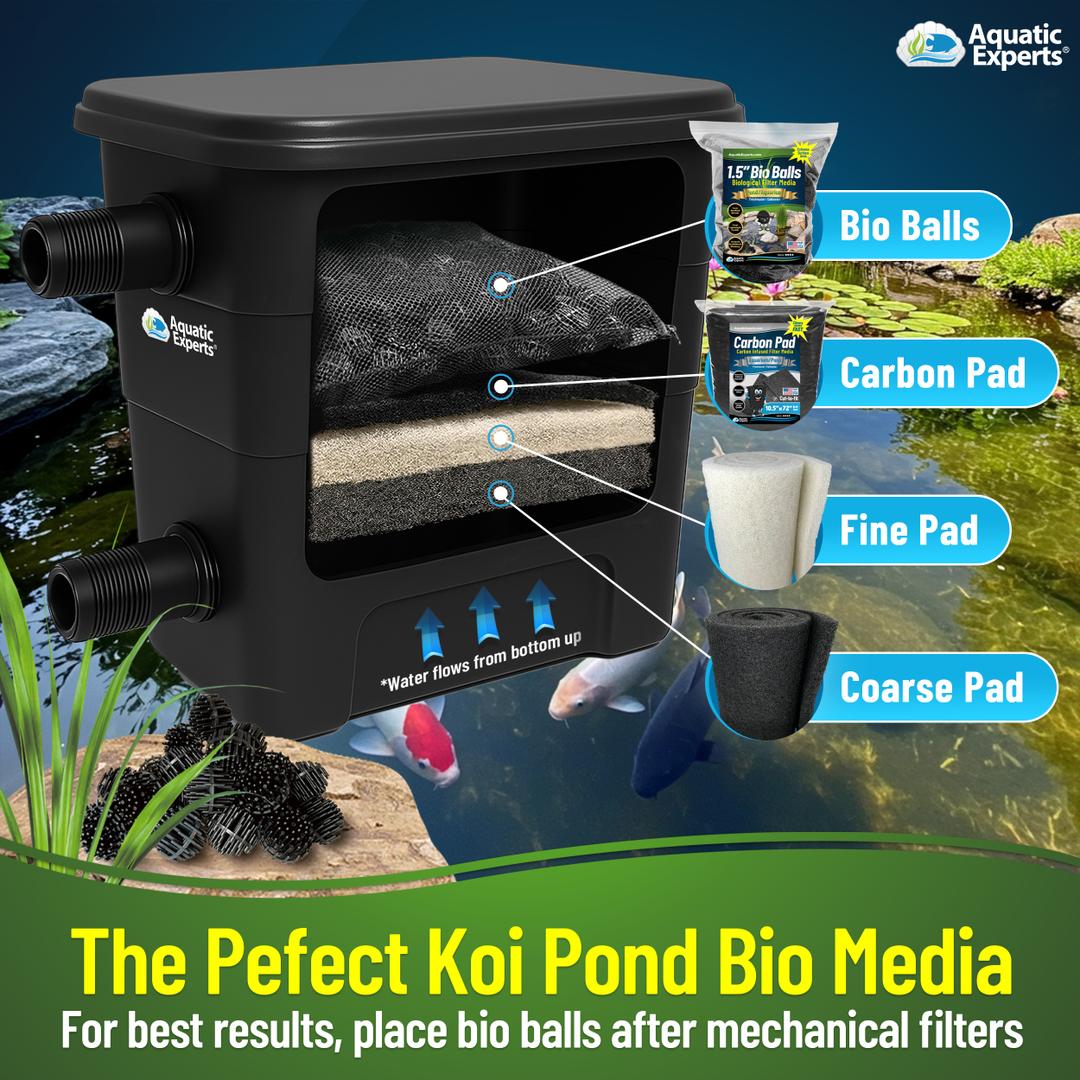
Layering filter media helps in catching dirt and debris. It also provides space for bacteria to grow, which is good for the tank.
Use different types of media to get the best results. Place coarse media at the bottom and fine media at the top.
- Coarse media catches large debris
- Biological media supports bacteria growth
- Fine media removes small particles
Flow Rate Considerations
The flow rate of your filter matters a lot. It affects how well the water is cleaned and how plants get nutrients.
Too fast, and plants may not get nutrients. Too slow, and water might not be clean enough.
- Adjust the flow rate for your specific tank needs
- Check the manufacturer’s guidelines for best results
- Observe plant and fish behavior to tweak the flow rate
Customizing For Tank Size
Each tank size needs a different filter setup. Smaller tanks may need less media but more frequent cleaning.
Larger tanks require more media to handle the increased volume. Make sure the filter is strong enough for the tank size.
- Choose filter media based on tank size
- Adjust cleaning schedule as needed
- Ensure the filter is not too powerful for small tanks
Common Mistakes To Avoid
Filter media play a key role in keeping planted tanks clean and healthy. Using the wrong methods or materials can cause problems for your plants and fish.
Learn about some common mistakes to avoid when managing filter media in planted tanks. This helps you keep the tank balanced and safe.
Overcleaning Media
Cleaning filter media too often or too harshly removes beneficial bacteria. These bacteria help break down waste and keep water clear.
- Do not scrub media with soap or chemicals.
- Rinse media gently in tank water only.
- Clean media only when flow slows or clogging occurs.
- Avoid replacing all media at once to keep bacteria stable.
Using Harmful Chemical Media
Some filter media release chemicals harmful to plants and fish. Avoid media that change water pH or add toxins.
| Media Type | Risk | Effect |
| Activated Carbon | Can remove nutrients | Hinders plant growth |
| Chemical Resins | May alter water chemistry | Stress to fish and plants |
| Metal-based Media | May leach metals | Poisoning risk |
Ignoring Media Compatibility
Not all filter media work well together or suit planted tanks. Mixing incompatible media can reduce filtration quality.
Check these compatibility tips:
- Use mechanical media first to trap debris.
- Follow with biological media to grow bacteria.
- Choose media that do not remove essential nutrients.
- Avoid media that block water flow or compact easily.
Enhancing Water Quality Naturally
Filter media helps keep planted tanks clean and healthy. It supports water clarity and balance without chemicals.
Natural filter media works with plants and microbes to create a stable tank environment. This protects fish and plants.
Role Of Live Plants
Live plants take in waste products like ammonia and nitrates. They use these as food and help reduce toxins.
Plants release oxygen into the water. This supports fish and beneficial bacteria that clean the tank.
- Absorb harmful chemicals
- Produce oxygen for fish and bacteria
- Provide surface area for microbes
- Reduce algae growth by competing for nutrients
Beneficial Microorganisms
Microbes live on filter media and plant roots. They break down waste into less harmful substances.
These bacteria turn ammonia into nitrites and then nitrates. This process is called the nitrogen cycle.
- Convert toxic ammonia to nitrites
- Change nitrites into nitrates
- Support plant nutrition with nitrates
- Help keep water safe for fish
Natural Filtration Techniques
Using natural filter media helps maintain water quality without chemicals. Materials like lava rock and bio balls are common.
These materials offer lots of space for bacteria to grow. They filter out particles and break down waste effectively.
- Lava rock: porous and lightweight
- Bio balls: large surface area for bacteria
- Activated carbon: removes odors and toxins
- Sponges: trap debris and host microbes

Credit: www.2hraquarist.com
Frequently Asked Questions
What Is The Best Filter Media For Planted Tanks?
The best filter media for planted tanks is bio-media that supports beneficial bacteria growth. It ensures effective biological filtration and maintains water quality. Options like ceramic rings, bio balls, and sponge media are ideal for planted tanks. They help in breaking down fish waste safely.
How Does Filter Media Benefit Planted Aquarium Health?
Filter media improves planted aquarium health by promoting beneficial bacteria growth. It breaks down harmful ammonia and nitrites into less toxic nitrates. This process supports plant growth and keeps fish healthy. Proper media selection ensures balanced water conditions in planted tanks.
Can Filter Media Affect Plant Growth In Aquariums?
Yes, filter media can affect plant growth by influencing water quality. Clean and efficient media maintain stable parameters, essential for plant health. Avoid media that release harmful substances or trap debris. Well-maintained filter media provide a healthy environment for aquatic plants to thrive.
How Often Should Filter Media Be Cleaned In Planted Tanks?
Filter media should be cleaned every 3 to 4 weeks in planted tanks. Use tank water to rinse media gently without killing beneficial bacteria. Avoid over-cleaning to maintain biological filtration. Regular cleaning prevents clogging and keeps water clear and healthy for plants.
Conclusion
Choosing the right filter media keeps your planted tank clean and healthy. Good media supports beneficial bacteria that break down waste. It also helps keep the water clear and safe for plants and fish. Different types of media serve different needs, so pick one that fits your tank size and setup.
Remember, regular maintenance helps the filter work well over time. Healthy plants and fish depend on clean water. Simple steps lead to a thriving planted tank. Keep it clean, and enjoy a beautiful aquarium.