
Keeping aggressive fish in your aquarium can be both exciting and challenging. You want your tank to look vibrant and healthy, but managing the water quality for these tough species requires special care.
If you’ve noticed your fish acting stressed or your water turning cloudy, it’s time to rethink your aquarium water treatment. This article will guide you through easy, effective ways to keep your water clean and your aggressive fish thriving. Ready to make your aquarium a safer, healthier home for your bold species?
Let’s dive in.

Credit: www.amazon.com
Choosing The Right Filtration
Keeping an aquarium with aggressive species needs strong water care. Good filtration helps keep water clean and safe for all fish.
Filtration removes waste, toxins, and debris. Choosing the right type helps maintain a healthy tank environment.
Mechanical Filtration Options
Mechanical filtration traps solid waste and debris from the water. It stops particles from floating and dirtying the tank.
Common mechanical filters use sponges, pads, or floss. They need regular cleaning to work well.
- Sponge filters catch large debris and provide surface area for bacteria.
- Filter pads trap smaller particles and keep water clear.
- Floss removes fine particles but clogs faster.
Biological Filtration Essentials
Biological filtration uses beneficial bacteria to break down fish waste. It turns harmful ammonia into less toxic substances.
Good biological filters have porous materials. These give bacteria space to grow and clean the water continuously.
- Ceramic rings provide high surface area for bacteria.
- Bio balls allow water to flow freely and support bacteria growth.
- Sponge filters also serve as a home for bacteria.
Chemical Filtration Benefits
Chemical filtration removes dissolved impurities and toxins. It improves water clarity and controls odors.
Activated carbon is the most common chemical filter. It absorbs chemicals and pollutants from the water.
- Activated carbon removes chlorine and harmful chemicals.
- Zeolite absorbs ammonia, helping aggressive fish stay safe.
- Resin filters remove specific toxins like heavy metals.
Water Quality Parameters
Good water quality helps aggressive fish stay healthy. It lowers stress and fights disease. You must watch water conditions closely.
Three key water factors affect aggressive species: pH, ammonia and nitrite, and nitrate. Each needs careful control.
Ideal Ph Levels
Most aggressive fish need stable pH. The best pH range is usually between 6.5 and 7.5. Sudden pH changes can cause illness.
- Check pH with a reliable test kit weekly
- Use buffers to keep pH steady
- Avoid mixing water types that vary in pH
- Do partial water changes slowly to avoid pH swings
Maintaining Ammonia And Nitrite
Ammonia and nitrite are very toxic to fish. Both must stay at zero parts per million (ppm). Their presence means poor water quality.
| Substance | Safe Level (ppm) |
| Ammonia (NH3/NH4+) | 0 |
| Nitrite (NO2-) | 0 |
Use biological filters to remove ammonia and nitrite. Test water often and do water changes if levels rise.
Optimal Nitrate Concentrations
Nitrate is less harmful but still bad in high amounts. Keep nitrate below 20 ppm for aggressive fish safety.
- Test nitrate levels weekly
- Do regular water changes to lower nitrates
- Do not overfeed fish to reduce nitrate buildup
- Keep plants in the tank to use nitrates as nutrients
Dealing With Aggressive Species Waste
Aggressive fish produce more waste than calm species. Their waste can harm water quality fast.
Proper water treatment helps keep the aquarium safe and healthy for all fish.
Increased Bioload Challenges
Aggressive species eat more and produce more waste. This adds to the tank’s bioload.
High bioload means more ammonia and toxins build up quickly. It can stress or kill fish.
- More waste raises ammonia levels
- Ammonia harms fish gills and skin
- Higher bioload needs stronger filtration
Frequent Water Changes
Changing water often removes harmful chemicals and waste. It keeps water clean and clear.
Small, frequent water changes work better than large, rare ones. They reduce stress on fish.
- Change 10-20% of water weekly
- Use a gravel vacuum to clean waste
- Check water parameters before and after
Using Protein Skimmers
Protein skimmers remove organic waste before it breaks down. They help keep water clean.
Skimmers reduce toxins and lower the bioload. They work well in tanks with aggressive fish.
- Skim proteins and oils from water surface
- Reduce ammonia and nitrate buildup
- Help maintain stable water quality

Credit: www.amazon.com
Safe Water Conditioners
Aquarium water treatment is vital for aggressive species. These fish need clean and safe water to thrive.
Using the right water conditioners helps remove harmful substances and reduces stress. This keeps your fish healthy.
Dechlorination Methods
Chlorine and chloramine are common in tap water. They can harm fish if not removed properly.
- Use water conditioners that neutralize chlorine instantly.
- Look for products that break down chloramine safely.
- Test water after treatment to ensure no chlorine remains.
- Change water regularly to keep chlorine levels low.
Detoxifying Heavy Metals
Heavy metals like copper and lead can enter aquarium water. They are toxic to fish, especially aggressive species.
| Heavy Metal | Effect on Fish | Detox Method |
| Copper | Damages gills and nervous system | Use chelating agents in conditioners |
| Lead | Causes internal organ harm | Remove with specialized water treatments |
| Iron | Can cause algae growth | Use filters and detox products |
Stress-reducing Additives
Aggressive fish can get stressed easily. Stress lowers their immune system and causes illness.
These additives help calm fish:
- Natural calming agents like aloe vera extracts
- Vitamins that boost immune health
- Substances that reduce water toxins
- Products that improve slime coat protection
Temperature And Aeration Control
Aquarium water treatment is crucial for aggressive species. Managing temperature and aeration is key. These factors ensure a healthy environment for your fish.
Fish thrive in stable conditions. Keeping the right temperature and oxygen levels helps prevent stress and illness.
Maintaining Stable Temperatures
Consistent water temperature is important for fish health. Sudden changes can cause stress and disease.
Use a reliable aquarium heater. Regularly check the temperature with a thermometer.
- Set the heater to the species-specific temperature range
- Place the thermometer opposite the heater
- Adjust settings as needed to maintain stability
Aeration Techniques
Adequate aeration ensures your fish get enough oxygen. It also helps maintain water circulation.
Install an air pump and air stones. These tools increase oxygen levels in the water.
- Choose an air pump suitable for your tank size
- Place air stones evenly for uniform oxygen distribution
- Regularly check and clean the air stones
Preventing Oxygen Depletion
Oxygen depletion is harmful to fish. It can occur due to poor aeration or overcrowding.
To prevent this, monitor fish behavior. Lethargy or gasping at the surface can indicate low oxygen.
- Ensure proper tank size for the number of fish
- Increase aeration during hot weather
- Perform regular water changes to maintain oxygen levels
Preventing Disease Outbreaks
Keeping aggressive fish healthy is hard. They can spread disease fast. Careful water treatment helps stop illness.
Good habits protect your aquarium. Clean water and safe fish lower disease risk.
Quarantine Procedures
New fish can carry germs. Keep them away from the main tank first. Watch for sickness during this time.
Quarantine helps stop disease from spreading to other fish. Use a separate tank with clean water and proper care.
- Isolate new fish for 2 to 4 weeks
- Check for signs of illness daily
- Keep quarantine tank clean and well filtered
- Only add fish to main tank if healthy
Using Uv Sterilizers
UV sterilizers kill harmful germs in aquarium water. They help lower disease chances for all fish.
Water passes through the UV light, which destroys bacteria and viruses. This keeps water safe and clean.
- Install UV sterilizer in the filter system
- Use the correct size for your tank volume
- Replace UV bulbs as recommended by the maker
- Keep water flow steady through the sterilizer
Regular Tank Cleaning
Cleaning the tank stops harmful buildup. Remove waste and leftover food often. This lowers germs in water.
Change water weekly to keep it fresh. Clean decorations and gravel to remove dirt and bacteria.
- Remove uneaten food daily
- Change 10-20% of water every week
- Clean filter parts monthly
- Vacuum gravel to remove fish waste
Monitoring And Testing Tools
Maintaining clean and safe water is vital for aggressive fish species. Monitoring water quality helps prevent stress and disease. Testing tools give clear information about water conditions.
Using the right tools regularly keeps your aquarium environment healthy. It also supports the well-being of your fish by spotting problems early.
Water Testing Kits
Water testing kits are simple devices for measuring key water parameters. They test pH, ammonia, nitrite, and nitrate levels. These kits often use color changes to show results.
- Easy to use at home
- Affordable and widely available
- Help detect harmful chemicals
- Provide quick results
- Require regular testing for best accuracy
Digital Monitoring Devices
Digital devices offer continuous water quality monitoring. They measure temperature, pH, and other factors automatically. Some connect to smartphones for easy tracking.
| Device Type | Parameters Measured | Features |
| pH Meter | pH Level | Fast digital readout |
| Temperature Sensor | Water Temperature | Alerts for changes |
| Multi-Parameter Monitor | pH, Ammonia, Temperature | Continuous data logging |
Keeping Logs And Records
Tracking water test results helps spot trends and issues. Keeping records supports better care and quicker fixes. Logs can be written or digital.
- Record test date and time
- Note parameter values
- Write down any changes made
- Review logs weekly
- Share records with other caretakers if needed
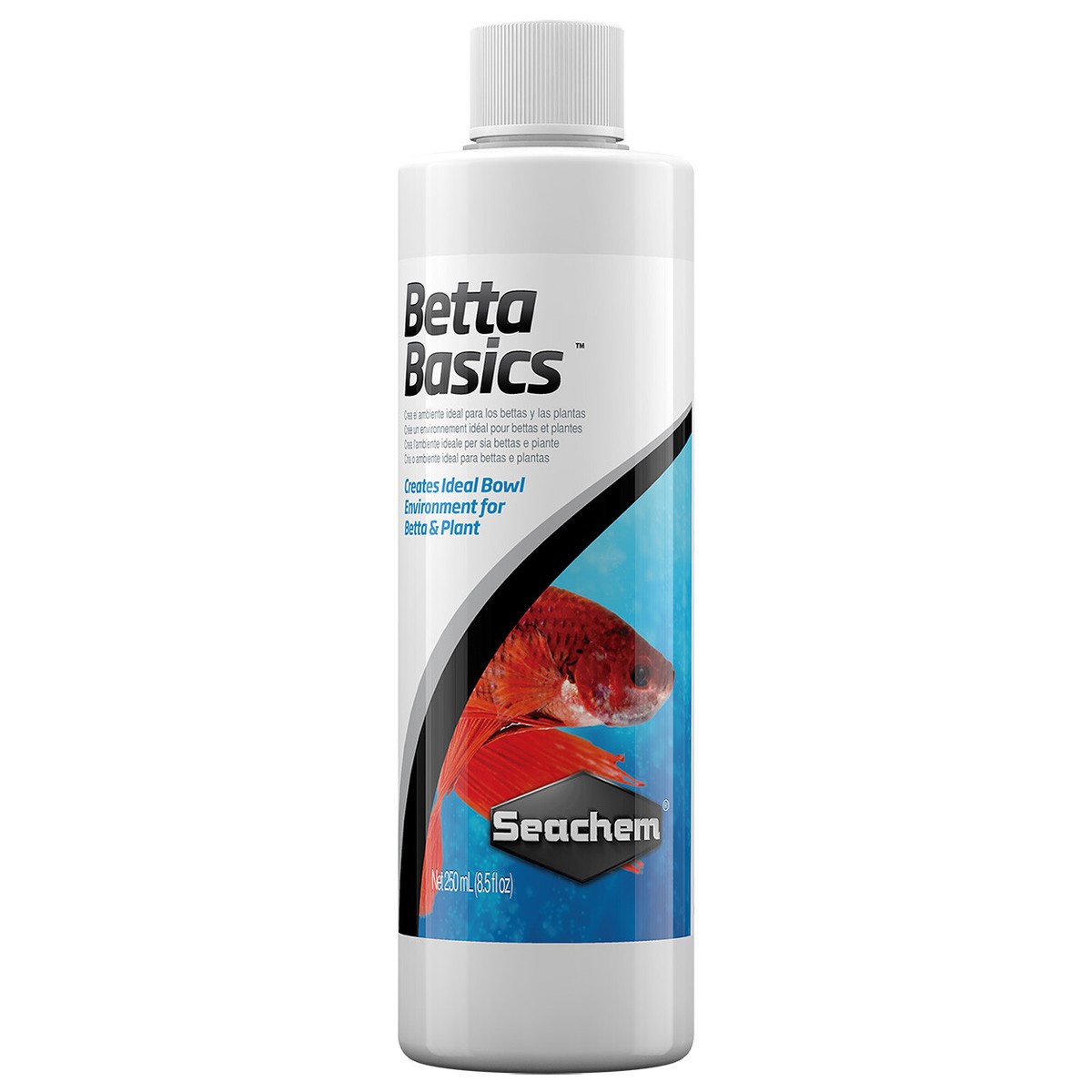
Credit: www.ebay.com
Tank Setup Tips For Aggressive Fish
Aggressive fish need a special tank setup. A good environment helps reduce fights. Proper water treatment is also important for their health.
Use these tips to create a safe and peaceful tank. This makes caring for aggressive species easier.
Creating Safe Territories
Aggressive fish defend their space. Create clear territories to reduce stress and attacks. Divide the tank into zones using decorations or plants.
Keep enough space between hiding spots. This lets fish claim their own area without overlap.
- Use rocks or driftwood to form boundaries
- Place tall plants to block sight lines
- Arrange decorations to create separate zones
- Keep space between territories to avoid clashes
Hiding Spots And Decorations
Hiding spots help fish feel safe. Aggressive species need places to escape and rest. Add caves, tunnels, and dense plants.
Decorations also reduce empty space. This lowers stress by breaking up the tank visually.
- Use PVC pipes or ceramic caves for shelters
- Add thick plants or moss walls
- Use rocks stacked to form hiding places
- Avoid sharp edges to prevent injuries
Choosing Compatible Tankmates
Pick fish that can live with aggressive species. Choose tankmates with similar size and temperament. Avoid small, slow fish that get bullied.
Watch for signs of stress or fighting. Remove any fish that cause problems quickly.
- Choose fish that hold their own space
- Keep similar-sized fish together
- Avoid mixing very different species
- Limit the number of aggressive fish per tank
Frequently Asked Questions
How Do I Treat Water For Aggressive Fish Species?
Use water conditioners to remove chlorine and chloramine. Maintain stable pH and temperature suited for the species. Regular water changes help keep toxins low and reduce aggression triggers.
What Water Parameters Are Best For Aggressive Aquarium Fish?
Maintain pH between 6. 5 and 7. 5, temperature around 75-80°F. Keep ammonia and nitrite levels at zero. Stable water parameters reduce stress and aggressive behavior in fish.
How Often Should I Change Water For Aggressive Fish Tanks?
Change 20-30% of the water weekly. Frequent water changes remove waste and harmful chemicals. This keeps water clean, promoting healthier and less aggressive fish.
Can Water Hardness Affect Aggressive Fish Behavior?
Yes, improper hardness stresses fish and increases aggression. Most aggressive species prefer moderate hardness (5-15 dGH). Adjust hardness gradually to avoid sudden stress.
Conclusion
Proper water treatment keeps aggressive fish healthy and calm. Clean, balanced water reduces stress and fights disease. Regular testing helps catch problems early. Use filters and conditioners suited for tough species. Remember, healthy water means happier fish and a better tank.
Treat your aquarium water well. Your aggressive fish will thank you.