
If you want a cleaner, healthier aquarium or pond, understanding biological filter media is a game changer. You might think all filters work the same, but the secret lies in the media inside.
This tiny powerhouse helps keep your water crystal clear and safe for your fish and plants. Imagine cutting down on maintenance while your aquatic life thrives effortlessly. Curious to know how this simple addition can transform your water system? Keep reading to discover the real benefits of biological filter media—and how it can make your life easier and your tank healthier.
Credit: aquadecorbackgrounds.com
How Biological Filter Media Works
Biological filter media helps keep water clean by using natural processes. It creates a home for helpful bacteria that break down waste.
This filter type is common in ponds, aquariums, and water treatment systems. It helps keep fish and plants healthy by reducing harmful substances.
Role Of Beneficial Bacteria
Beneficial bacteria live on the surface of the filter media. They feed on ammonia and nitrites, which are toxic to fish and plants.
These bacteria convert harmful chemicals into less harmful nitrates. This process is called nitrification and helps maintain a safe environment.
Types Of Biological Media
- Plastic bio balls: lightweight and have a large surface area.
- Ceramic rings: porous and hold many bacteria.
- Lava rock: natural and highly porous.
- Sponge filters: provide surface and mechanical filtration.
- Foam pads: trap debris and support bacteria growth.
Natural Filtration Process
| Stage | Description |
|---|---|
| 1. Waste Production | Fish and plants produce waste in the water. |
| 2. Ammonia Breakdown | Bacteria convert ammonia into nitrites. |
| 3. Nitrite Conversion | Other bacteria change nitrites into nitrates. |
| 4. Nitrate Use | Plants absorb nitrates as nutrients. |
| 5. Clean Water | Water becomes safer for aquatic life. |
Improving Water Quality With Nature
Biological filter media helps clean water by using natural processes. It supports healthy environments in ponds, aquariums, and water treatment systems.
These filter media provide surfaces where good bacteria grow. These bacteria break down waste and keep water clear and safe.
Reduction Of Harmful Compounds
Biological filter media reduce toxins in water by supporting bacteria that eat harmful substances. This process lowers ammonia and nitrite levels, which are bad for fish and plants.
- Ammonia turns into less harmful nitrate
- Nitrite is broken down by bacteria
- Organic waste is decomposed naturally
Enhancing Oxygen Levels
Good oxygen levels are vital for water health. Biological filter media help increase oxygen by creating spaces for water flow and air contact.
| Benefit | Effect on Water |
| More surface area | Better oxygen absorption |
| Water movement | Increases oxygen circulation |
| Bacteria activity | Uses oxygen to clean water |
Balancing Ph Naturally
Biological filter media help keep water pH stable. Good bacteria inside the media change acids and bases in water to keep pH balanced.
Ways biological filter media balance pH:
- Absorb excess acids
- Release alkaline compounds
- Support bacteria that neutralize pH
Benefits For Aquatic Ecosystems
Biological filter media help keep water clean and safe for fish and plants. They provide a place for good bacteria to grow. These bacteria break down harmful waste in water.
Using biological filter media supports a healthy balance in aquatic ecosystems. This balance helps fish, plants, and other creatures thrive.
Supporting Fish Health
Fish need clean water to stay healthy. Biological filter media help remove toxins from the water. They reduce ammonia and nitrite levels, which can hurt fish.
- Reduce harmful ammonia and nitrites
- Provide oxygen-rich water
- Lower stress for fish by improving water quality
- Help maintain stable water conditions
Promoting Plant Growth
Healthy plants grow better in clean water. Biological filter media help by keeping water clear of waste. They also support bacteria that release nutrients plants need.
| Benefit | How It Helps Plants |
| Waste Breakdown | Removes toxins that block nutrient uptake |
| Nutrient Release | Good bacteria release nitrogen and phosphorus |
| Water Clarity | Allows more light for photosynthesis |
Maintaining Clear Water
Clear water is important for all aquatic life. Biological filter media trap particles and help bacteria break down waste. This keeps the water clean and clear.
- Captures debris and particles
- Supports bacteria that digest organic waste
- Prevents algae overgrowth by reducing nutrients
- Improves water visibility for animals and plants
Credit: www.saltwateraquarium.com
Choosing The Right Filter Media
Biological filter media help keep water clean by supporting good bacteria. These bacteria break down harmful waste. Choosing the right media affects how well your filter works.
Consider the type, size, and compatibility of the media with your system. This guide helps you pick the best option for your needs.
Material Options
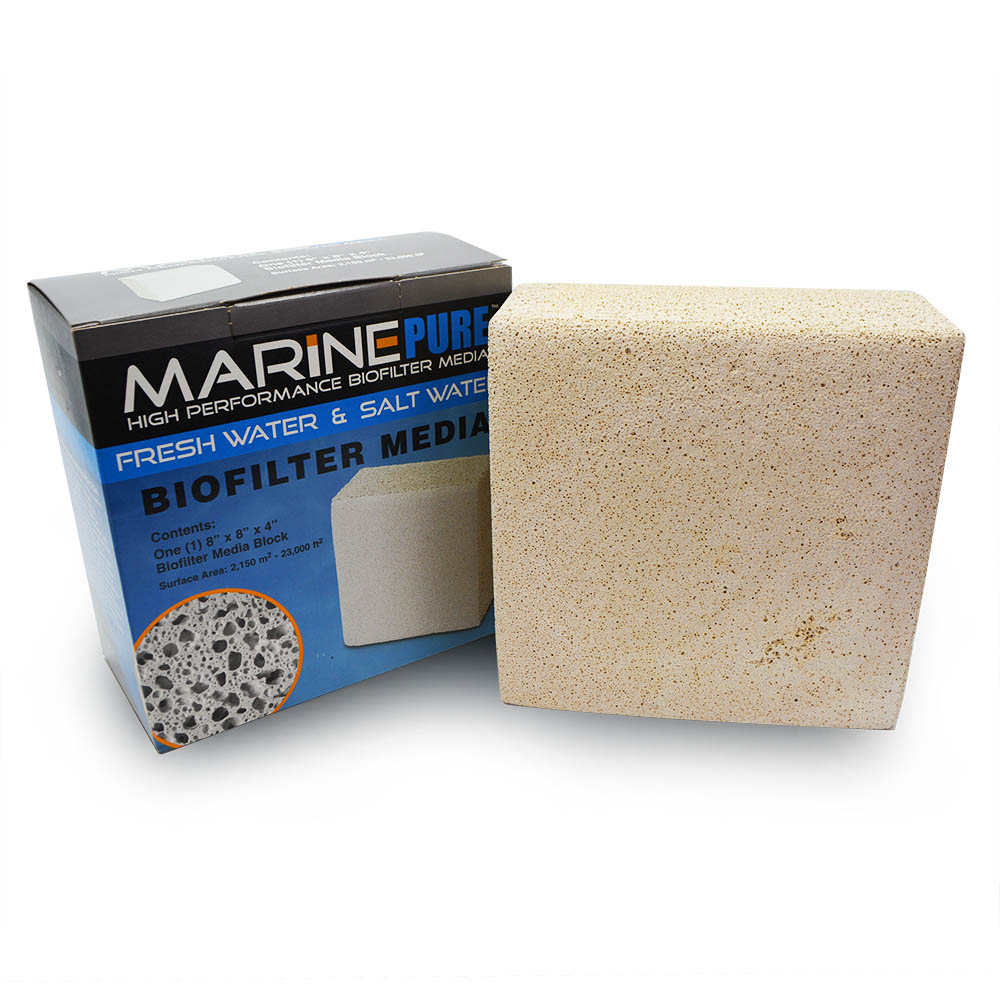
Filter media come in many materials. Some common types include ceramic, sponge, and bio balls. Each material has different qualities that affect bacteria growth and durability.
- Ceramic:Has many pores for bacteria to grow.
- Sponge:Easy to clean and traps debris.
- Bio Balls:Lightweight with large surface area.
- Foam:Good for mechanical and biological filtration.
Media Size And Surface Area
Smaller media pieces provide more surface area. More surface area means more space for bacteria. However, very small pieces may clog easily. Larger pieces allow better water flow.
| Media Size | Surface Area | Water Flow |
| Small | High | Low |
| Medium | Moderate | Moderate |
| Large | Low | High |
Compatibility With Filter Systems
Not all media fit every filter system. Check the type of filter you have. Some media work only in canister filters. Others fit well in hang-on-back or sump filters.
Ask these questions before buying:
- What type of filter do I have?
- What size media fits my filter?
- Does the media allow good water flow?
- Is the media easy to clean and replace?
Maintenance Tips For Longevity
Biological filter media need regular care to last longer and work well. Proper maintenance keeps beneficial bacteria healthy. This helps keep water clean and fish safe.
Follow these tips to clean and replace media correctly. Avoid common mistakes that can harm your filter system.
Cleaning Without Killing Bacteria
Cleaning biological media must be gentle. Strong chemicals or hot water can kill good bacteria. Use water from the aquarium or pond for rinsing.
- Rinse media lightly in tank water during water changes.
- Do not use soap or bleach.
- Avoid scrubbing too hard to keep bacteria intact.
- Clean media only when debris builds up noticeably.
When To Replace Media
Replace filter media only if it breaks down or becomes clogged. Old media loses surface area for bacteria to grow. Track the age and condition regularly.
| Condition | Action |
| Media is crumbly or falling apart | Replace immediately |
| Media clogs often despite cleaning | Replace to improve flow |
| Media looks clean and firm | Keep and maintain |
| After 1-2 years of use | Consider replacement |
Avoiding Common Mistakes
Many mistakes shorten media life and reduce filter efficiency. Avoid these to keep your system healthy.
- Cleaning media with tap water that has chlorine kills bacteria.
- Replacing all media at once removes beneficial bacteria completely.
- Using harsh chemicals damages the filter media structure.
- Over-cleaning causes loss of helpful bacteria colonies.
- Ignoring clogged media leads to poor water flow and bad water quality.
Eco-friendly Advantages
Biological filter media offer many benefits for the environment. They are a natural choice for clean and healthy water systems.
These filters help reduce waste and promote sustainable living. They work effectively in both homes and gardens.
Reducing Chemical Use
Using biological filter media can lower the need for chemicals. They naturally clean water by using beneficial bacteria.
- Less chemical runoff into the environment
- Safer for aquatic life
- Improves water quality naturally
Sustainable Water Treatment
Biological filters help create a sustainable water treatment system. They reuse and recycle water efficiently.
| Feature | Benefit |
| Natural Filtration | Reduces waste |
| Energy Efficient | Lowers carbon footprint |
| Reusable Materials | Promotes sustainability |
Benefits For Home And Garden
Biological filters are useful for both home and garden settings. They help maintain a balanced ecosystem.

Credit: www.2hraquarist.com
Frequently Asked Questions
What Are The Key Benefits Of Biological Filter Media?
Biological filter media enhance water quality by promoting beneficial bacteria growth. They improve nitrogen cycle efficiency and reduce harmful toxins, ensuring a healthier aquatic environment for fish and plants.
How Does Biological Filter Media Improve Aquarium Health?
Biological filter media provide surface area for beneficial bacteria to thrive. These bacteria break down waste products, maintaining clear, toxin-free water, which supports fish health and prevents disease.
Can Biological Filter Media Reduce Maintenance Frequency?
Yes, biological filter media reduce maintenance by stabilizing water conditions. They lower harmful ammonia and nitrite levels, decreasing the need for frequent water changes and cleaning.
What Materials Are Used In Biological Filter Media?
Common materials include ceramic rings, bio-balls, sponges, and porous rocks. These materials offer high surface area and durability, supporting beneficial bacterial colonization effectively.
Conclusion
Biological filter media helps keep water clean and healthy. It supports good bacteria that break down waste. This process reduces harmful toxins and keeps fish safe. Using the right media improves water clarity and quality. It also lowers the need for frequent water changes.
Choosing suitable filter media saves time and effort. Clean water creates a better home for aquatic life. Simple steps like this make a big difference. Good water means happy, healthy fish. Biological filter media truly supports a balanced aquarium environment.