
Keeping your aquarium water clean and healthy is one of the most important steps to ensure your fish thrive. If you’re like most hobbyists, you want your tank to look beautiful and your aquatic friends to stay happy and vibrant.
But sometimes, it’s hard to know exactly what your water needs or how to fix problems before they get serious. You’ll discover simple and effective aquarium water treatment tips that anyone can use. By learning these easy tricks, you’ll save time, reduce stress, and create a healthier environment for your fish.
Keep reading to unlock the secrets that will make your aquarium shine like never before.
Credit: aquadecorbackgrounds.com
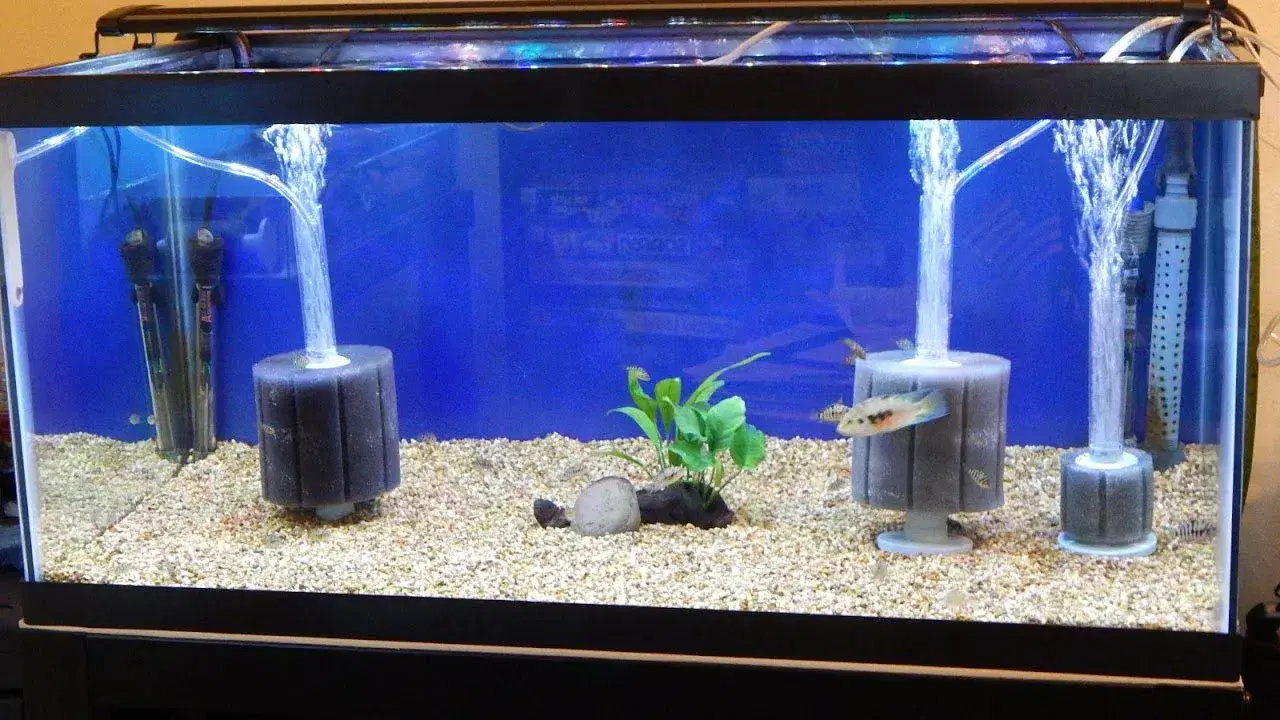
Choosing The Right Filtration System
Good water quality is key for a healthy aquarium. Picking the right filtration system helps keep the water clean and safe.
This guide explains filter types, maintenance tips, and how to balance filtration methods.
Types Of Filters
There are three main filter types: mechanical, biological, and chemical. Each one removes different impurities.
- Mechanical filterstrap particles like dirt and debris.
- Biological filtersuse bacteria to break down harmful waste.
- Chemical filtersremove toxins and odors using activated carbon or other media.
Filter Maintenance Tips
Regular care keeps filters working well. Clean or replace filter media on schedule to avoid clogging.
| Maintenance Task | Frequency | Notes |
| Rinse mechanical media | Every 2 weeks | Use tank water to keep bacteria safe |
| Replace chemical media | Every 4 weeks | Activated carbon loses effectiveness |
| Check biological media | Monthly | Do not clean too much; keep bacteria alive |
Balancing Mechanical, Biological, And Chemical Filtration
A good filter system uses all three types properly. Too much cleaning can harm bacteria. Too little can cause poor water quality.
Follow these tips to balance your filter system:
- Use mechanical filters to remove visible waste daily.
- Maintain biological filters for ongoing waste breakdown.
- Employ chemical filters as needed for odors or toxins.
- Clean filters gently to keep helpful bacteria alive.
Managing Water Parameters
Keeping aquarium water healthy is key for fish and plants. Good water quality helps them grow strong.
Managing water parameters means checking and adjusting water conditions regularly. This keeps your tank safe.
Monitoring Ph Levels
pH shows how acidic or basic water is. Fish need stable pH to stay healthy. Sudden changes can stress them.
Test pH with easy kits from pet stores. Check it once a week or more if needed. Keep pH within your fish’s range.
- Use a pH test kit for accuracy
- Note your tank’s ideal pH level
- Adjust pH slowly if it drifts
- Use natural additives to raise or lower pH
Controlling Ammonia, Nitrite, And Nitrate
Ammonia and nitrite are toxic to fish, even in small amounts. Nitrate is less harmful but should stay low.
Regular testing helps catch these chemicals early. Use water changes and filters to keep levels safe.
- Test ammonia, nitrite, and nitrate weekly
- Perform partial water changes to reduce toxins
- Use biological filters to break down waste
- Avoid overfeeding fish to limit waste
Temperature Regulation
Fish need the right water temperature to live well. Different species prefer different ranges. Sudden changes can harm them.
Use a heater and thermometer to keep water steady. Check temperature daily to avoid problems.
- Set heater to your fish’s ideal temperature
- Check temperature every day
- Keep tank away from drafts or sunlight
- Use a backup heater if needed
Water Conditioning Essentials
Proper water conditioning is key for a healthy aquarium. It helps keep fish safe and happy.
Understanding water treatment basics protects your aquarium from harmful chemicals.
Dechlorination Methods
Tap water often contains chlorine or chloramine. These chemicals can harm fish and plants.
Use dechlorination to remove these chemicals before adding water to the tank.
- Use liquid dechlorinators that neutralize chlorine and chloramine.
- Let water sit 24-48 hours to allow chlorine to evaporate naturally.
- Activated carbon filters can remove chlorine during water changes.
Using Water Softeners
Water softeners reduce hard minerals like calcium and magnesium. Hard water can stress fish.
Softening water helps create a better environment for sensitive species.
- Use ion-exchange water softener systems for large water volumes.
- Mix softened water carefully with tank water to avoid sudden changes.
- Test water hardness regularly to keep levels safe for your fish.
Beneficial Additives
Additives improve water quality and support fish health. Use them as needed.
Choose additives that add minerals, promote beneficial bacteria, or improve water clarity.
- Trace mineral supplements help maintain balanced water chemistry.
- Beneficial bacteria boosters aid in breaking down waste.
- Water clarifiers remove suspended particles for clear water.
Credit: pethelpful.com
Regular Water Changes
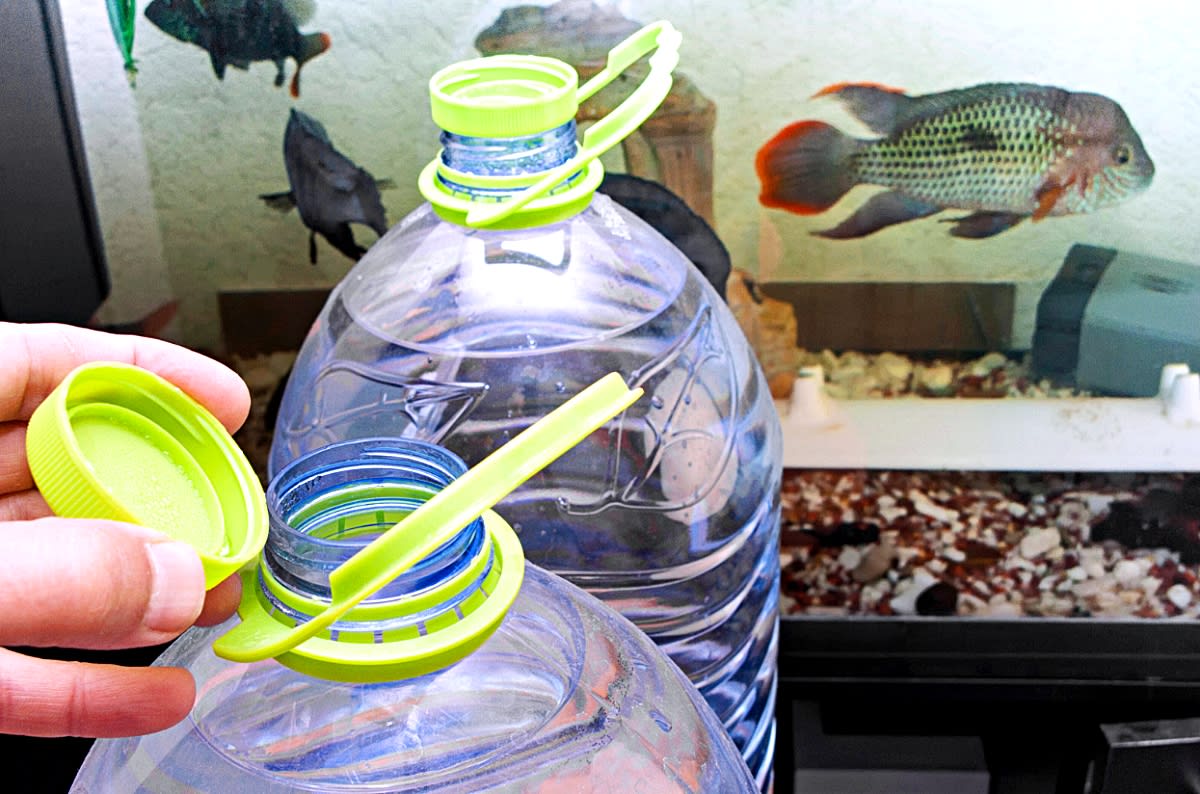
Regular water changes keep your aquarium clean and healthy. They remove harmful chemicals and waste from the water.
Changing water helps fish breathe better and stay strong. It supports a balanced environment inside the tank.
Frequency And Volume Guidelines
Change water often to keep conditions safe for fish. The amount of water you change depends on tank size and fish.
- For small tanks, change 10-20% of water weekly.
- For larger tanks, change 20-30% every two weeks.
- Heavily stocked tanks need more frequent changes.
Best Practices For Water Replacement
Use water that matches tank temperature and pH. This avoids shocking your fish during the change.
Remove water gently using a siphon. Add new water slowly to prevent stress.
- Test water for chlorine and treat it before adding.
- Clean the tank sides and substrate during water changes.
- Do not change too much water at once.
Impact On Fish Health
Regular water changes improve fish health and reduce disease risk. Clean water supports strong immune systems.
Dirty water causes stress and weakens fish. This can lead to illness and death.
- Fresh water keeps fish active and colorful.
- It helps remove waste that harms fish.
- Water changes lower harmful ammonia and nitrate levels.
Preventing And Treating Common Issues
Keeping aquarium water clean is key to healthy fish. Many hobbyists face problems like algae, cloudy water, and stressed fish. These issues often link to water quality.
Simple steps help prevent problems. Treating issues early keeps your fish safe and your tank clear. Learn practical tips below to manage common water troubles.
Algae Control Techniques
Algae can grow fast and make tanks look messy. Controlling algae means keeping light, nutrients, and cleaning in balance. Too much light or food feeds algae growth.
- Limit tank lighting to 8-10 hours daily
- Avoid overfeeding fish to reduce leftover food
- Change 10-20% of water weekly to remove nutrients
- Use algae-eating fish or snails as natural cleaners
- Clean tank walls and decorations regularly
Dealing With Cloudy Water
Cloudy water can result from bacteria, dirt, or too many particles. It looks bad and can harm fish. Fixing cloudy water means finding the cause and cleaning well.
| Cause | How to Fix |
| Excess waste | Do regular water changes and clean substrate |
| Overfeeding | Feed small amounts and remove uneaten food |
| Poor filtration | Check and clean filter media often |
| New tank bacteria bloom | Wait a few days; keep aeration on |
Addressing Fish Stress From Water Quality
Fish stress shows as hiding, gasping, or weak swimming. Water quality affects fish health. Test water regularly and keep these factors right.
- Keep water temperature stable for your fish species
- Test pH, ammonia, nitrite, and nitrate levels weekly
- Do partial water changes to lower harmful chemicals
- Use a water conditioner to remove chlorine and chloramine
- Avoid crowding to reduce fish stress
Testing And Monitoring Tools
Aquarium hobbyists need to keep water clean and healthy. Testing tools help monitor water quality. They ensure a safe environment for fish and plants.
Using the right tools is key to successful water management. This guide will help you choose and use these tools effectively.
Choosing Reliable Test Kits
Test kits measure water parameters like pH and ammonia. Reliable kits give accurate results. They are essential for keeping fish healthy.
Look for kits with clear instructions. Check expiration dates to ensure accuracy. Trusted brands often have better quality control.
- Read reviews from other hobbyists
- Choose kits that cover multiple parameters
- Consider ease of use and storage
Digital Vs. Manual Testing
Digital testers are fast and easy to read. They are usually more expensive. Manual kits involve color charts and drops.
Both types have their benefits. Digital testers offer quick results. Manual kits are often more affordable and can be very reliable.
| Digital Testers | Manual Kits |
| Fast results | Cost-effective |
| Easy to read | Wide variety available |
Interpreting Test Results Accurately
Understanding test results is important. It helps you make the right adjustments. Each parameter has a safe range.
Keep a log of your readings. This helps track changes over time. Compare results with recommended levels for your specific fish species.
- Record date and time of each test
- Note any changes in fish behavior
- Adjust water treatments based on results
Tips For Different Aquarium Types
Aquarium water treatment is crucial for the health of your fish. Different aquariums need different care. Let’s explore some tips for various types.
Proper water treatment keeps your aquarium clear and your fish happy. Learn how to treat water for each type of aquarium.
Freshwater Aquariums
Freshwater aquariums are popular and easier to maintain. They need regular water changes to stay clean.
Use dechlorinators to remove harmful chemicals from tap water. Test the water weekly for ammonia and nitrite levels.
- Change 10-15% of the water every week
- Use a water conditioner for tap water
- Monitor the pH level regularly
Saltwater Aquariums
Saltwater aquariums need special attention due to their complexity. Salinity levels must be stable.
Mix saltwater carefully before adding to the tank. Check for evaporation and top up with fresh water.
- Maintain salinity at 1.020-1.026 specific gravity
- Use a hydrometer to check salinity
- Perform a 10% water change every two weeks
Planted Tanks
Planted tanks are unique as they host both plants and fish. Plants help keep the water clean.
Provide adequate lighting for plant growth. Use fertilizers designed for aquatic plants.
- Ensure 8-10 hours of light daily
- Trim plants regularly to avoid overgrowth
- Add liquid fertilizer weekly

Credit: ethicalaxolotls.com
Frequently Asked Questions
How Often Should I Treat Aquarium Water?
Treat aquarium water weekly or biweekly to maintain cleanliness. Regular treatment controls harmful bacteria, reduces toxins, and keeps fish healthy. Follow product instructions for dosage and timing. Consistent water treatment improves water quality and fish lifespan.
What Chemicals Are Safe For Aquarium Water Treatment?
Use aquarium-safe conditioners and dechlorinators to neutralize harmful chemicals. Avoid harsh chemicals that can stress or kill fish. Products with natural enzymes and beneficial bacteria promote a balanced ecosystem. Always choose treatments labeled specifically for aquarium use.
How Can I Prevent Algae Growth In My Aquarium?
Limit light exposure to 8-10 hours daily to control algae. Avoid overfeeding fish, as excess food fuels algae growth. Regular water changes and algae-eating fish help maintain balance. Use algae treatments sparingly and follow instructions carefully.
Why Is Ph Balance Important In Aquarium Water?
Stable pH ensures a healthy environment for fish and plants. Sudden pH changes stress aquatic life and can cause illness. Regularly test water and adjust pH using safe conditioners. Maintaining the right pH promotes fish vitality and growth.
Conclusion
Keeping aquarium water clean helps fish stay healthy and happy. Test water regularly to catch problems early. Change water in small amounts to avoid stress. Use proper filters and treatments for clear water. Watch fish behavior to notice any changes fast.
Clean tanks prevent harmful bacteria and algae growth. Simple steps make a big difference in fish care. Enjoy your aquarium with clear, safe water every day.