
If you want your aquarium to thrive, the right filter is key. Without proper water circulation, your fish and plants won’t get the oxygen and cleanliness they need.
You might think any filter will do, but choosing one that maximizes circulation can make all the difference. Imagine clearer water, healthier fish, and less maintenance—all because your filter is working smarter, not harder. Keep reading to discover how to pick the perfect aquarium filter that keeps your tank vibrant and your aquatic friends happy.
Choosing The Right Filter
Choosing the right aquarium filter helps keep water clean and fish healthy.
Good water circulation removes waste and provides oxygen for your tank.
Types Of Aquarium Filters
There are several types of aquarium filters to consider for your tank.
- Mechanical filters:Remove solid waste from the water.
- Biological filters:Use bacteria to break down harmful substances.
- Chemical filters:Use activated carbon or resins to remove toxins.
- Sponge filters:Provide gentle filtration for small tanks or fry.
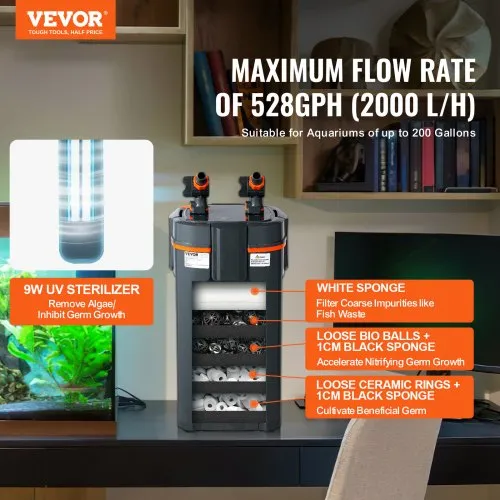
- Canister filters:Offer strong filtration for large tanks.
Filter Capacity And Tank Size
Your filter must match your aquarium’s size to work well.
| Tank Size (Gallons) | Recommended Filter Flow Rate (GPH) |
| 10 | 50 – 100 |
| 20 | 100 – 200 |
| 40 | 200 – 400 |
| 75 | 375 – 750 |
| 100+ | 500+ |
Choose a filter that circulates your tank water at least 4 times per hour.
Energy Efficiency Considerations
Energy use is important to keep your aquarium running cheaply and safely.
- Look for filters with low power consumption.
- Choose models with adjustable flow rates to save energy.
- Regularly clean filters to keep them running efficiently.
- Consider filters with energy-saving technology.
Enhancing Water Flow
Aquarium filters help keep the water clean and clear. Good water flow moves waste to the filter quickly.
Strong circulation also brings oxygen to fish and plants. This keeps the tank healthy and balanced.
Placement Strategies For Optimal Circulation
Place the filter where water can move freely around the tank. Avoid spots blocked by decorations or plants.
Position the filter output near the water surface. This helps spread water flow evenly and oxygenate the tank.
- Keep filter intake away from gravel to prevent clogging
- Use multiple outlets to reduce dead spots
- Place filter near the middle or back of the tank
Using Powerheads And Wave Makers
Powerheads boost water movement in large tanks. They create steady currents that mimic natural water flow.
Wave makers add gentle waves, improving water circulation without stressing fish. They help keep waste suspended.
- Place powerheads opposite filter outlets for even flow
- Use wave makers near the surface for oxygen exchange
- Adjust positions to avoid strong direct currents on fish
Adjusting Flow Rates Without Stressing Fish
Start with low flow settings and watch your fish. Increase flow slowly to avoid causing stress.
Some fish prefer calm water, so adjust filter and powerhead speeds to suit their needs. Gentle flow helps fish swim comfortably.
- Use adjustable flow filters for control
- Observe fish behavior during changes
- Lower flow near resting areas
Maintenance For Peak Performance
Keeping your aquarium filter in top shape ensures clean water and a healthy tank. Regular maintenance helps the filter work at its best.
Understanding how to clean and replace parts can improve water flow and keep fish safe. Let’s look at key steps for filter care.
Cleaning Frequency And Techniques
Cleaning the filter regularly stops buildup that slows water movement. The schedule depends on tank size and fish amount.
- Rinse filter media in tank water every 2 to 4 weeks to keep bacteria alive.
- Remove debris and dirt from the impeller and housing monthly.
- Use a soft brush or cloth to clean parts gently without damage.
- Avoid tap water on media to protect helpful bacteria.
Replacing Filter Media
Filter media traps waste and supports beneficial bacteria. Replace it on time to keep the system effective.
| Media Type | Replacement Frequency | Notes |
| Mechanical (sponges, pads) | Every 4 to 6 weeks | Clean or replace when clogged |
| Chemical (activated carbon) | Every 3 to 4 weeks | Removes toxins and odors |
| Biological (ceramics, bio balls) | Replace rarely | Rinse only to keep bacteria |
Troubleshooting Flow Issues
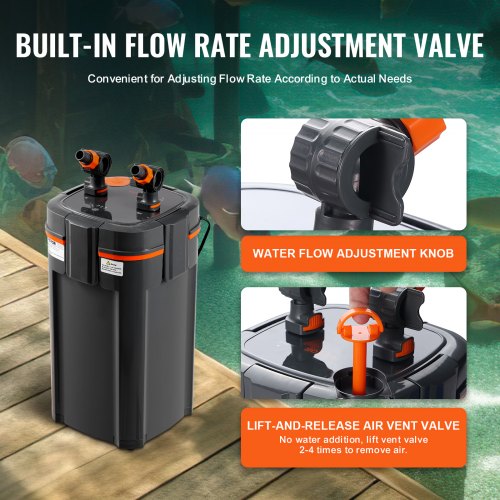
Slow or no water flow signals problems. Check these common causes to fix the issue fast.
- Clogged media or debris blocking the impeller.
- Air trapped inside the filter unit.
- Damaged or worn impeller parts.
- Incorrect assembly after cleaning.
Clear blockages and reassemble parts carefully. If flow stays low, test the pump or seek expert help.
Credit: www.vevor.ca
Advanced Flow Boost Techniques
Good water flow keeps your aquarium clean and healthy. It helps remove waste and spreads oxygen evenly. Using advanced methods can improve circulation a lot.
Try combining tools and changing setups to get the best flow. This guide shows three ways to boost water movement in your tank.
Combining Multiple Filters
Using more than one filter can increase water flow and cleaning power. Different filters work on various parts of the tank. This helps keep all areas fresh.
- Use a hang-on-back filter with a canister filter for strong flow.
- Place filters at opposite ends of the tank to push water around.
- Mix mechanical and biological filters for better cleaning.
- Check filters often to avoid clogging and slow flow.
Customizing Plumbing For Better Circulation
Change pipes and tubing to move water more efficiently. Custom plumbing can direct flow to dead spots. It also helps balance pressure between filters.
| Plumbing Feature | Benefit |
| Shorter Pipes | Less flow loss |
| Wider Tubes | More water moves |
| Flexible Tubing | Easier to fit tight spaces |
| Valves | Control flow direction |
Incorporating Air Pumps And Bubblers
Air pumps and bubblers add oxygen and create water movement. They help water mix and reach all parts of the tank. This keeps fish and plants healthy.
Tips for using air pumps and bubblers:
- Place bubblers near filter outlets to spread flow.
- Use adjustable air pumps to control bubble size.
- Combine with water pumps for stronger circulation.
- Check air stones regularly to keep bubbles steady.
Benefits Of Maximum Circulation
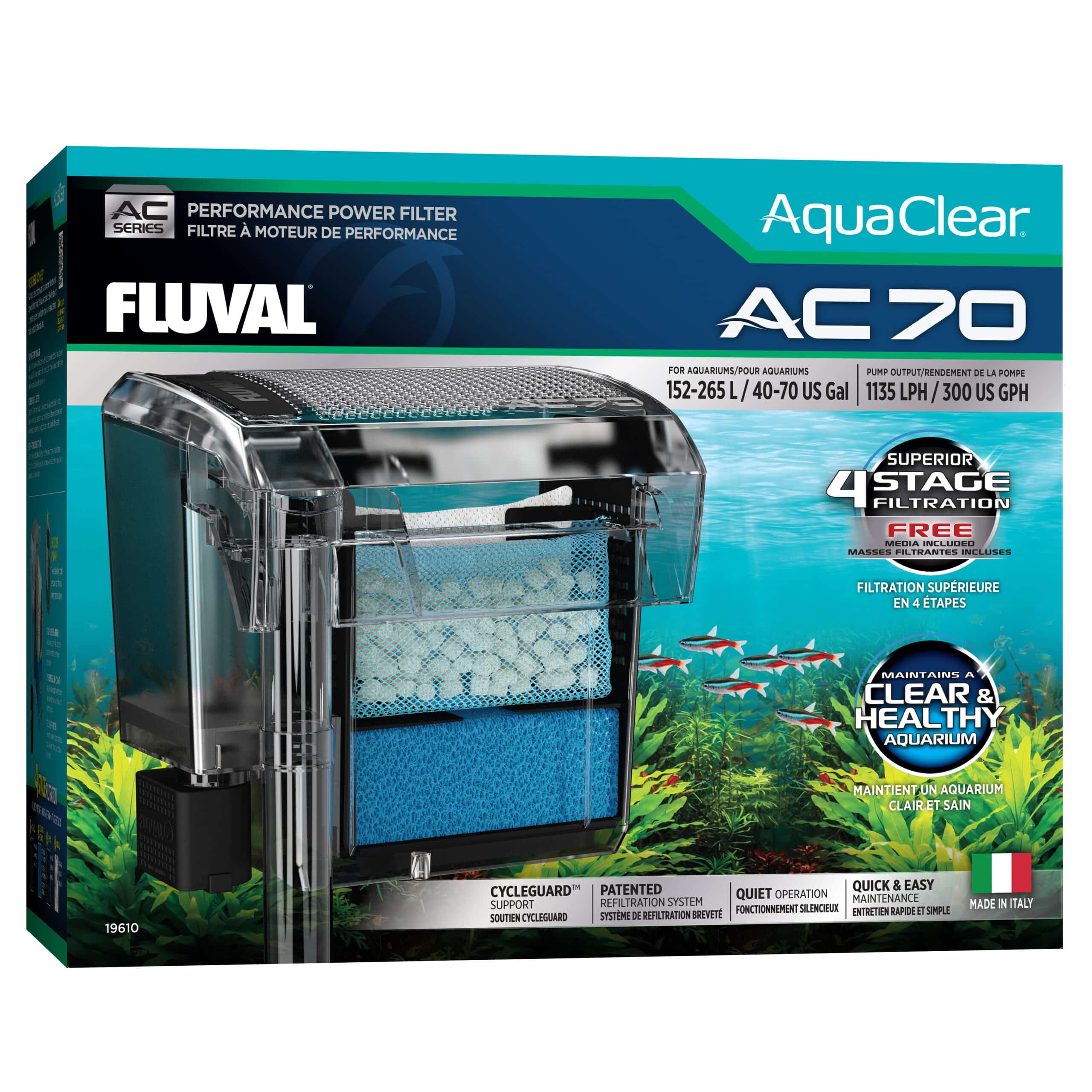
Maximum circulation in an aquarium helps keep the water clean and fresh. It moves water around quickly, which is very good for fish and plants.
Using a strong filter that supports maximum circulation improves the whole aquarium environment. It makes sure water stays healthy for all aquatic life.
Improved Oxygenation
Circulating water helps oxygen spread evenly across the tank. Fish and plants need oxygen to live and grow well.
Good oxygen levels keep fish active and healthy. It also helps plants make food through photosynthesis.
Waste Removal Efficiency
Strong water movement pushes waste and debris toward the filter. This makes cleaning easier and faster.
Removing waste quickly stops harmful chemicals from building up. It keeps the water safe for fish and other animals.
- Prevents ammonia and nitrite spikes
- Reduces algae growth
- Keeps water clear and healthy
Healthier Aquatic Environment
Maximum circulation balances temperature and nutrients in the tank. This creates a stable home for all aquatic life.
Fish face less stress and disease with steady water flow. Plants receive good nutrients and light, helping them thrive.
Credit: fluvalaquatics.com
Credit: www.vevor.ca
Frequently Asked Questions
What Is The Best Aquarium Filter For Water Circulation?
The best aquarium filter for circulation is one with strong flow rates and adjustable output. Canister and power filters often provide excellent water movement, ensuring even distribution of oxygen and nutrients, which supports fish health and tank cleanliness.
How Does An Aquarium Filter Improve Water Circulation?
An aquarium filter moves water through its media, removing debris and toxins. This movement creates a flow that distributes oxygen evenly, preventing stagnant areas. Better circulation promotes healthier fish and plants by maintaining clean and oxygen-rich water throughout the tank.
Can Filter Placement Affect Aquarium Circulation?
Yes, filter placement greatly affects water flow. Positioning the filter intake and output strategically ensures optimal circulation. Placing them diagonally or at opposite ends of the tank helps water move evenly, reducing dead zones and promoting better tank health.
How Often Should I Clean My Aquarium Filter For Circulation?
Clean your aquarium filter every 2 to 4 weeks to maintain efficient water flow. Regular cleaning prevents clogging and preserves the filter’s ability to circulate water effectively, ensuring a healthy environment for your aquatic life.
Conclusion
Choosing the right aquarium filter boosts water flow and keeps fish healthy. Good circulation spreads oxygen and removes waste fast. Clean water means a happier, safer tank for your fish. Remember to pick a filter that fits your tank size well.
Regular cleaning helps the filter work at its best. Enjoy a clear, lively aquarium with steady water movement. Simple steps lead to a thriving underwater world. Your fish will thank you!