
Are you looking for ways to keep your aquarium clean without driving up your energy bills? Choosing the right aquarium filter for energy efficiency can make a huge difference.
Not only will it save you money, but it will also help maintain a healthy environment for your fish. You’ll discover simple tips and smart choices that make your aquarium both eco-friendly and cost-effective. Keep reading to find out how you can enjoy a sparkling tank while using less power.
Types Of Energy Efficient Aquarium Filters
Choosing the right aquarium filter saves energy and keeps water clean. Some filters use less power but still work well.
This guide covers popular types of energy efficient aquarium filters. Learn how each type works and their benefits.
Canister Filters
Canister filters sit outside the tank and use a motor to push water through filter media. They clean well and use less energy by running at steady speeds.
These filters are good for large tanks. Their sealed design reduces water leaks and power loss.
Hang-on-back Filters
Hang-on-back filters hang on the tank’s edge. They draw water up, filter it, and return it. These filters use energy efficient pumps and are easy to maintain.
- Fit small to medium tanks
- Use low wattage motors
- Provide mechanical and biological filtration
- Simple installation and cleaning
Sponge Filters
Sponge filters work by pushing air through a sponge. This creates gentle water flow and filters debris and harmful bacteria.
| Feature | Benefit |
| Air-driven | No electricity needed, very energy efficient |
| Gentle flow | Good for small or delicate fish |
| Easy to clean | Long-lasting and low maintenance |
Undergravel Filters
Undergravel filters pull water through gravel bed. Gravel acts as a natural filter and helps beneficial bacteria grow.
Energy efficiency tips for undergravel filters:
- Use a low wattage air pump
- Keep gravel clean to avoid clogging
- Combine with other filters for best results
Key Features To Save Power
Aquarium filters clean water and keep fish healthy. Choosing energy-efficient filters helps save power.
Filters with smart features use less electricity. This lowers your energy bills and helps the environment.
Low Wattage Motors
Low wattage motors use less power to run. They still clean water well but save energy every day.
These motors are good for small to medium tanks. They reduce electricity use without losing strength.
- Consume minimal electricity
- Operate quietly and efficiently
- Ideal for long-term use
Adjustable Flow Rates
Adjustable flow rates let you control water speed. Lower flow uses less energy and suits different fish.
You can reduce power by slowing the flow when full speed is not needed. This saves energy daily.
- Set flow to match tank size
- Save power by lowering speed
- Protect fish from strong currents
Energy-saving Designs
Energy-saving filters use smart parts and shapes. These designs reduce resistance and power needs.
Filters with efficient pumps and smooth water paths run better. They use less electricity and last longer.
- Use high-efficiency pumps
- Minimize water resistance
- Built for long-lasting use
Benefits For Aquarium Cleanliness
A clean aquarium keeps fish healthy and happy. Using an energy-efficient filter helps maintain clear water. It also saves electricity while cleaning the tank.
Filters remove waste and harmful substances. They improve water quality and make the aquarium look better. Let’s explore how energy-efficient filters help with cleanliness.
Improved Water Circulation
Energy-efficient filters move water smoothly through the tank. This stops debris from settling on the bottom. Good circulation spreads oxygen and nutrients evenly.
Effective Mechanical Filtration
Mechanical filtration traps solid waste and particles. It keeps the water clear and free from cloudiness. Filters use sponges or pads for this task.
- Removes leftover fish food
- Catches fish waste
- Stops algae buildup
- Prevents tank dirt
Enhanced Biological Filtration
Biological filtration uses good bacteria to break down waste. These bacteria live on filter media. They change harmful ammonia into less toxic nitrate.
| Waste Type | Effect | Filtered By |
| Ammonia | Harmful to fish | Good bacteria |
| Nitrite | Also toxic | Good bacteria |
| Nitrate | Less harmful | Water changes |
Chemical Filtration Advantages
Chemical filtration removes toxins and odors. Activated carbon is a common material used. It absorbs dissolved impurities and keeps water fresh.
- Removes chlorine
- Eliminates odors
- Absorbs discoloration
- Improves water taste for fish

Credit: www.amazon.com.au
Tips To Maximize Filter Efficiency
Keeping your aquarium filter working well saves energy and keeps water clean. Simple habits can make a big difference in filter performance.
Follow these tips to help your filter run smoothly and reduce power use.
Regular Maintenance Routine
Cleaning your filter regularly stops clogging and keeps water flow steady. This reduces the energy the filter needs to work well.
- Rinse filter pads and sponges in tank water every two weeks
- Replace filter media as recommended by the manufacturer
- Check and clean impellers monthly to avoid blockages
- Inspect hoses and tubes for build-up or damage
- Keep the filter housing free of debris and algae
Proper Filter Media Selection
Choose filter media that suits your aquarium size and fish type. Good media help trap dirt and support helpful bacteria.
| Filter Media Type | Purpose | Change Frequency |
| Mechanical (sponges, pads) | Traps debris | Every 3-4 weeks |
| Chemical (activated carbon) | Removes toxins | Every 4 weeks |
| Biological (ceramic rings) | Supports bacteria | Replace only if damaged |
Optimizing Filter Placement
Place the filter where water flows well but does not get blocked. Good placement improves cleaning and lowers energy use.
Tips for filter placement:
- Keep the intake away from substrate to avoid sucking in debris.
- Position the filter outlet to create gentle water circulation.
- Avoid placing the filter in corners where water may become stagnant.
Comparing Energy Costs
Aquarium filters keep water clean and fish healthy. They run all day and use electricity.
Knowing how much energy each filter uses helps save money on electricity bills.
Running Costs Of Different Filters
Different aquarium filters use different amounts of power. Some use more watts and cost more.
Here are common filter types and their typical energy use:
| Filter Type | Power Use (Watts) | Daily Cost (USD) |
|---|---|---|
| Hang-on-back (HOB) | 5-10 | $0.06 – $0.12 |
| Canister Filter | 10-20 | $0.12 – $0.24 |
| Sponge Filter | 1-3 | $0.01 – $0.04 |
| Internal Filter | 3-7 | $0.04 – $0.08 |
| Undergravel Filter | 5-15 | $0.06 – $0.18 |
Daily cost based on $0.12 per kWh electricity rate and 24-hour use.
Long-term Savings Potential
Choosing a filter with low power use saves money over time. Small savings add up in months.
Energy-efficient filters cost less to run and help lower your electric bills each year.
- Lower wattage means less energy used daily
- Less energy use means smaller electricity bills
- Energy-efficient models often last longer
- Long-term savings can be significant for large tanks
Smart Technologies In Filters
Modern aquarium filters use smart technologies to save energy. These features help maintain a healthy environment for fish.
Filters now include advanced settings for more efficient operation. This means less energy waste and lower electricity bills.
Automatic Flow Adjustments
Automatic flow adjustments optimize water circulation. This feature adapts to the needs of your aquarium.
- Detects clogging and adjusts flow rate
- Maintains consistent water quality
- Prevents over-filtering to save energy
Energy Monitoring Features
Energy monitoring features track how much power the filter uses. This helps you understand and control energy consumption.
| Feature | Benefit |
| Real-time tracking | See immediate power use |
| Usage reports | Analyze monthly trends |
| Alerts for high usage | Prevent energy spikes |
Quiet Operation Benefits
Quiet operation keeps your home peaceful. It ensures the filter does not disturb you or your fish.
Choosing The Right Filter For Your Tank
Choosing the right aquarium filter is important for a healthy tank. You need to consider several factors to ensure your filter is energy efficient and meets your needs.
Filters help keep the water clean and safe for fish and plants. Picking the right one depends on your tank size, the needs of your fish and plants, and your budget.
Tank Size Considerations
The size of your tank plays a big role in filter choice. A small tank needs a filter that does not create too much current. Larger tanks need stronger filters to clean more water.
- Small tanks: Look for gentle filters
- Medium tanks: Choose medium power filters
- Large tanks: Opt for high capacity filters
Fish And Plant Needs
Different fish and plants have different needs. Some fish prefer slow-moving water. Others need strong currents to thrive. Plants may need specific water conditions.
Know your fish and plant needs before choosing a filter. This ensures a healthy environment for them.
Budget And Energy Goals
Filters come in various price ranges. More expensive filters might have energy-saving features. Consider your budget and how much you want to spend on electricity.
- Set a budget for your filter
- Look for energy-efficient models
- Check the filter’s power consumption
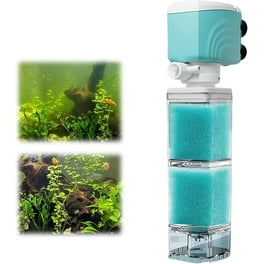
Credit: www.walmart.com
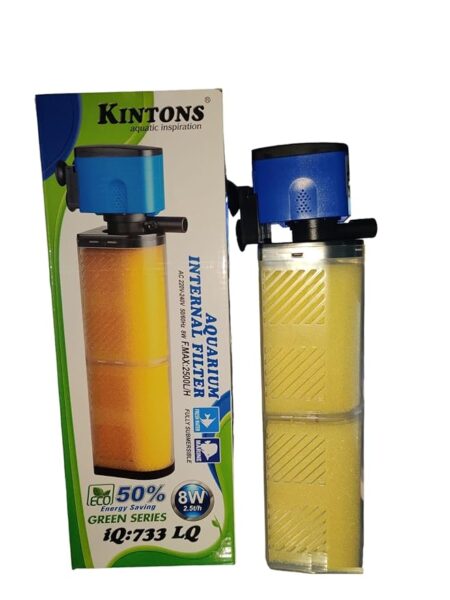
Credit: www.aquanatureonline.com
Frequently Asked Questions
What Makes An Aquarium Filter Energy Efficient?
An energy-efficient aquarium filter uses less power while maintaining effective water filtration. It minimizes electricity consumption and reduces your energy bills. Efficient motors and optimized flow rates help achieve this balance without compromising water quality.
How To Choose An Energy-saving Aquarium Filter?
Choose a filter with a low wattage motor and adjustable flow settings. Look for models with energy-efficient certifications and good customer reviews. Consider the tank size to match filter capacity for optimal performance and energy use.
Can Energy-efficient Filters Improve Fish Health?
Yes, energy-efficient filters maintain clean and oxygen-rich water, essential for fish health. They provide consistent filtration without overheating or excessive noise, creating a stable environment that reduces fish stress and disease risk.
Are Canister Filters More Energy-efficient Than Hang-on-back?
Canister filters often use less energy due to better design and larger media capacity. They provide thorough filtration with slower flow rates, saving power. However, efficiency depends on the specific model and tank requirements.
Conclusion
Choosing an energy-efficient aquarium filter saves power and keeps fish healthy. It cleans water well while using less electricity. You help the environment by reducing energy waste. Quiet operation makes your aquarium peaceful and enjoyable. Regular filter care keeps it working at its best.
Small changes in equipment make a big difference over time. Your fish stay happy in clean, clear water. Save energy and protect your aquatic pets easily. Simple steps lead to a better aquarium experience.