
If you care deeply about your sensitive aquatic pets, you know that clean water is more than just a necessity—it’s their lifeline. But simply changing the water isn’t enough.
You need a water conditioner designed specifically for sensitive species, one that protects your fish from harmful chemicals and stress. You’ll discover how the right water conditioner can transform your aquarium, making it a safe, healthy haven for your delicate aquatic friends.
Keep reading to learn the simple steps that will ensure your sensitive species thrive like never before.

Credit: www.amazon.com
Why Sensitive Species Need Special Care
Some aquarium species need very clean water to live well. Their bodies cannot handle dirty water or strong chemicals. These species need special care to stay healthy.
Water conditioners help keep water safe by removing harmful substances. This care is important for sensitive species to avoid stress and illness.
Common Sensitive Species In Aquariums
Many fish and invertebrates are sensitive to water changes. They need stable water conditions and gentle care.
- Discus fish: Need soft, acidic water.
- Neon tetras: Sensitive to chlorine and temperature changes.
- Amano shrimp: Require clean water with low toxins.
- Betta fish: Can get stressed with poor water quality.
- Goldfish: Produce a lot of waste and need careful water treatment.
Effects Of Poor Water Quality
Dirty water harms sensitive species quickly. It causes stress and diseases that may kill fish and shrimp.
| Water Problem | Effect on Sensitive Species |
|---|---|
| High ammonia | Burns gills and skin, causes breathing problems |
| Chlorine and chloramine | Damages slime coat and irritates fish |
| High nitrate | Weakens immune system, causes algae growth |
| Low oxygen | Causes suffocation and stress |
| Sudden pH changes | Leads to shock and death |

Credit: www.amazon.com
Key Features Of Effective Water Conditioners
Water conditioners help protect sensitive species by making water safe. They remove harmful substances and balance the water’s chemistry.
Good water conditioners work quickly and target specific pollutants. This keeps fish, plants, and other aquatic life healthy.
Removing Harmful Chemicals
Water may contain chemicals that hurt aquatic life. Effective conditioners break down these chemicals into harmless parts.
They target pesticides, ammonia, and other toxic substances. This protects gills and skin from damage.
Neutralizing Chlorine And Chloramine
Tap water often contains chlorine and chloramine to kill germs. These chemicals are harmful to fish and plants.
Water conditioners convert chlorine and chloramine into safe compounds. This prevents stress and illness in sensitive species.
- Chlorine is quickly neutralized
- Chloramine requires longer treatment
- Both chemicals become non-toxic
Heavy Metal Detoxification
Heavy metals like copper, lead, and zinc can poison aquatic life. Conditioners bind these metals to stop their harm.
They make heavy metals safe by changing their form. This stops metals from entering fish or plant tissues.
- Binds metals to neutral compounds
- Prevents metal absorption by species
- Reduces long-term toxicity risks
Choosing The Right Water Conditioner
Water conditioners help make tap water safe for fish and plants. They remove harmful chemicals and toxins.
Choosing the right conditioner is important, especially for sensitive species. Use the best type for your aquatic life.
Compatibility With Sensitive Species
Some fish and plants are sensitive to water changes. Use conditioners made for delicate species to keep them safe.
Check the conditioner label for compatibility. Avoid products with harsh chemicals that may harm sensitive animals.
- Look for conditioners labeled safe for sensitive fish
- Avoid conditioners with ammonia or chlorine harsh treatments
- Test water regularly after adding conditioner
Natural Vs. Chemical Conditioners
Natural conditioners use plant extracts or minerals to clean water. Chemical conditioners use synthetic agents.
Natural options are gentler but may work slower. Chemical conditioners act fast but can be strong for some species.
- Natural conditioners: safer, slower, eco-friendly
- Chemical conditioners: fast, effective, may irritate sensitive species
- Choose based on your tank’s needs and species
Eco-friendly Options
Eco-friendly conditioners reduce harm to the environment. They break down naturally and avoid toxic residues.
These conditioners support healthy water cycles and protect wildlife outside your tank. They are safe for plants and fish.
- Use conditioners with biodegradable ingredients
- Choose products with no harmful chemicals
- Check labels for eco certifications
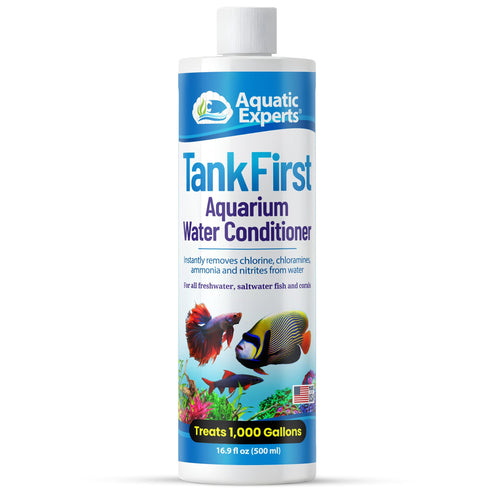
Credit: www.aquaticexperts.com
How To Use Water Conditioners Properly
Water conditioners make tap water safe for sensitive fish and plants. Using them correctly keeps your aquarium healthy.
Follow simple steps for the best results with water conditioners. These steps protect your aquatic life from harmful chemicals.
Dosage Guidelines
Always check the product label for the right amount of conditioner. Too little may not remove toxins, too much can stress the fish.
- Measure water volume accurately before dosing.
- Use a clean dropper or syringe for dosing.
- Follow the recommended dose per gallon or liter.
- Adjust dosage if you add more water later.
Frequency Of Treatment
Treat your aquarium water every time you add new water. This keeps harmful chemicals neutralized at all times.
| Action | When to Use Conditioner |
| Initial Setup | Before adding fish |
| Water Changes | Each time water is replaced |
| Adding New Water | Every addition to the tank |
| Emergency Treatment | After contamination or chemical spills |
Best Practices For Water Changes
Perform water changes carefully to protect sensitive species. Use water conditioners as part of this routine.
Follow these tips for safe water changes:
- Remove no more than 25% of water at once.
- Treat new water with conditioner before adding.
- Match the temperature of new water to the tank.
- Pour new water slowly to avoid stress on fish.
Additional Tips For Maintaining Healthy Water
Keeping water healthy is key for sensitive species. Clean water helps fish and plants stay strong and live longer.
Small actions can make a big difference. Use these tips to keep your water safe and balanced.
Regular Testing And Monitoring
Check your water quality often to catch problems early. Test for pH, ammonia, nitrites, and nitrates levels.
- Use a reliable water test kit every week.
- Record your test results to track changes.
- Adjust water conditions based on test results.
- Replace some water regularly to reduce toxins.
Filtration And Aeration Importance
Good filters remove waste and harmful substances. Aeration adds oxygen which fish and plants need.
| Type | Purpose | Benefits |
|---|---|---|
| Mechanical Filter | Removes debris and particles | Keeps water clear and clean |
| Biological Filter | Breaks down toxic waste | Maintains safe chemical levels |
| Aerator | Increases oxygen levels | Supports healthy fish and plants |
Avoiding Common Mistakes
Some habits can harm your water quality. Avoid overfeeding and adding too many plants or fish at once.
- Do not skip water changes for long periods.
- Do not add chemicals without testing water first.
- Do not crowd your tank with too many species.
- Do not use soaps or detergents near the water.
Top Water Conditioners Recommended For Sensitive Species
Water conditioners are important for keeping sensitive species healthy. They remove harmful substances from the water, making it safe for these species.
Choosing the right water conditioner can be tough. Below are some top recommendations for sensitive species.
Popular Brands And Products
Many brands offer water conditioners. Some are known for their quality and effectiveness. Here are a few popular ones.
- Seachem Prime
- API Stress Coat
- Tetra AquaSafe
User Reviews And Feedback
Users often share their experiences with different water conditioners. These reviews help in deciding which product to buy.
Many users praise Seachem Prime for its efficiency. API Stress Coat is liked for its soothing effect on fish. Tetra AquaSafe gets good reviews for easy use.
| Product | User Rating |
|---|---|
| Seachem Prime | 4.8/5 |
| API Stress Coat | 4.5/5 |
| Tetra AquaSafe | 4.6/5 |
Frequently Asked Questions
What Is A Water Conditioner For Sensitive Species?
A water conditioner neutralizes harmful chemicals like chlorine and chloramine. It makes tap water safe for sensitive aquatic species. This helps prevent stress and health issues in delicate fish and invertebrates.
Why Use Water Conditioner For Sensitive Fish?
Sensitive fish are vulnerable to toxins in tap water. Conditioners detoxify harmful substances, ensuring a safer environment. This promotes healthier behavior and reduces mortality rates in fragile species.
How Often Should I Use Water Conditioner?
Use water conditioner whenever you add or change water in the tank. This keeps the environment stable and safe for sensitive species. Regular use prevents chemical buildup and protects aquatic life.
Can Water Conditioners Harm Sensitive Species?
High-quality water conditioners are safe for sensitive species when used as directed. Overdosing can cause stress, so follow instructions carefully. Always choose products made specifically for delicate aquatic animals.
Conclusion
Choosing the right water conditioner protects sensitive species well. It keeps water safe and clean. Fish and plants stay healthy and happy. Using conditioners reduces stress and illness in aquatic life. Simple steps can create a better environment for your tank.
Healthy water means thriving species. Care for your aquatic pets with the right products. Small changes make a big difference in their world. Protect life underwater with smart water care today.