
If you want your tropical fish to thrive and show their brightest colors, feeding them the right way is key. A balanced diet isn’t just about keeping them alive—it’s about boosting their energy, improving their health, and preventing common diseases.
You might think any fish food will do, but giving your fish the proper nutrition can make all the difference. You’ll discover exactly what your tropical fish need to stay healthy and happy every day. Keep reading, and you’ll learn simple tips that can transform your aquarium into a vibrant underwater world.
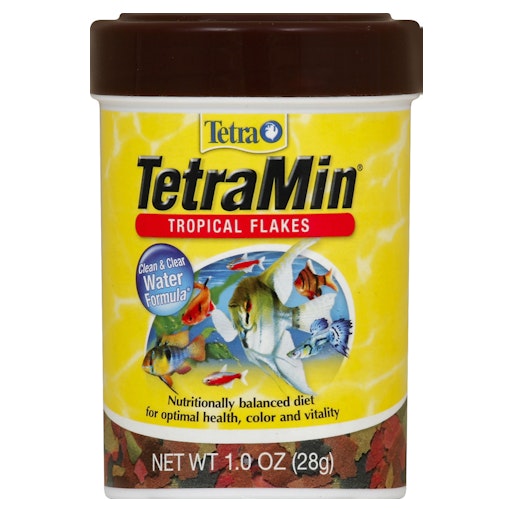
Credit: www.gianteagle.com
Key Nutrients For Tropical Fish
Tropical fish need a balanced diet to stay healthy and active. Key nutrients help them grow and fight diseases.
Understanding these nutrients helps you provide the best food for your fish tank.
Proteins And Amino Acids
Proteins build strong muscles and repair tissues in tropical fish. Amino acids are the building blocks of proteins. Fish get these nutrients from animal and plant sources.
Vitamins And Minerals
Vitamins and minerals keep fish healthy and support body functions. They help with growth, vision, and immune system strength.
- Vitamin A supports eye health.
- Vitamin D helps with calcium absorption.
- Calcium and phosphorus build strong bones.
- Iron helps carry oxygen in blood.
- Magnesium supports muscle and nerve function.
Fats And Fatty Acids
Fats provide energy and help absorb vitamins. Essential fatty acids keep the skin and fins healthy. They also reduce inflammation.
| Nutrient | Function | Source |
|---|---|---|
| Proteins | Muscle growth and repair | Insects, shrimp, algae |
| Vitamins | Growth and immunity | Vegetables, fish meal |
| Minerals | Bone and blood health | Water, plants, supplements |
| Fats | Energy and skin health | Fish oil, seeds |
Types Of Fish Food
Tropical fish need a balanced diet to stay healthy and active. Different types of food provide essential nutrients for growth and color.
Choosing the right food helps your fish live longer and look better. This guide covers common fish food types.
Flake And Pellet Foods
Flake and pellet foods are popular for feeding tropical fish. They are easy to use and store.
Flakes float on the water surface while pellets sink slowly. Both types contain proteins, fats, and vitamins.
- Flake foods suit fish that eat at the top.
- Pellet foods are good for fish that eat in the middle or bottom.
- They come in many sizes for small and large fish.
Frozen And Live Foods
Frozen and live foods offer natural nutrition to tropical fish. They mimic what fish eat in the wild.
Examples include bloodworms, brine shrimp, and daphnia. These foods boost fish health and color vibrancy.
- Frozen foods are easy to store and safe to use.
- Live foods encourage natural hunting behavior.
- Both types provide high protein for growth.
Vegetable-based Options
Some tropical fish need plant-based foods for fiber and vitamins. Vegetables help digestion and health.
Common options are blanched spinach, peas, and lettuce. These foods suit herbivorous and omnivorous fish.
- Vegetables provide essential nutrients and roughage.
- They can be fed fresh or prepared as flakes.
- Regular vegetable feeding improves fish digestion.
Feeding Frequency And Portions
Feeding tropical fish the right amount at the right times keeps them healthy. Too much or too little food can cause problems.
Understanding how often and how much to feed helps maintain a balanced diet for your fish.
Daily Feeding Schedules
Most tropical fish do well with two feedings per day. Small portions spread out keep their energy steady.
- Feed once in the morning and once in the evening
- Use small amounts that fish can eat within 2-3 minutes
- Skip feeding once a week to clear their digestive system
Avoiding Overfeeding
Overfeeding causes water pollution and fish health issues. Watch for leftover food in the tank.
| Sign | Cause | Effect |
| Uneaten food | Too much feeding | Water pollution |
| Cloudy water | Decay of leftovers | Fish stress |
| Fat fish | Excess calories | Shortened lifespan |
Adjusting Portions By Fish Species
Different fish need different food amounts. Small fish eat less than large fish.
| Fish Species | Feeding Frequency | Portion Size |
|---|---|---|
| Neon Tetras | 2 times daily | Pinch of flakes |
| Angelfish | 2 times daily | Medium flakes or pellets |
| Oscar Fish | 1-2 times daily | Large pellets or chunks |
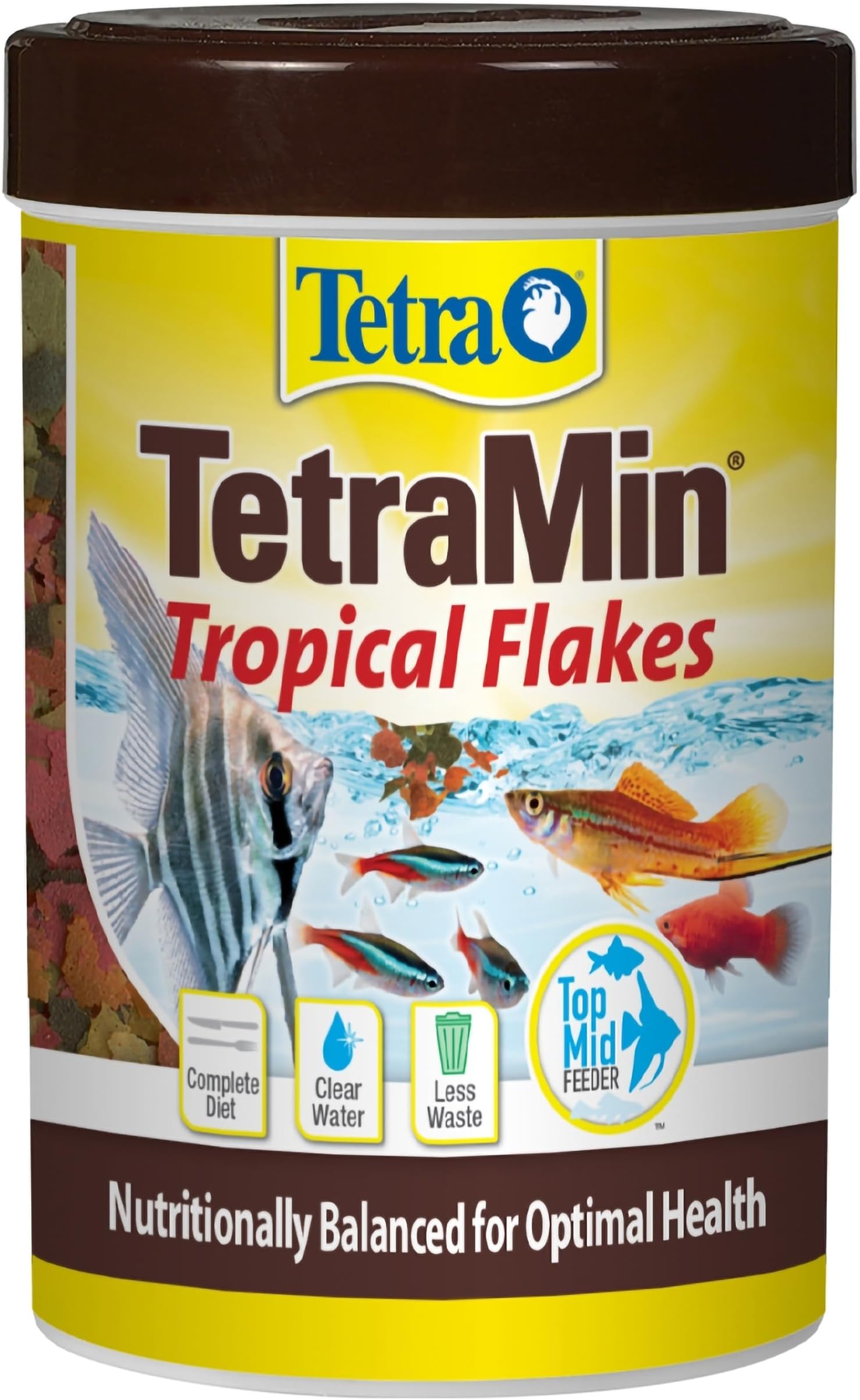
Credit: weeklywineshow.com
Special Dietary Needs
Tropical fish need a balanced diet to stay healthy. Different species have unique food needs. Understanding these needs helps keep fish active and bright.
Feeding the right food supports growth, color, and immune systems. Avoid overfeeding to prevent water problems and fish illness.
Diet For Herbivorous Species
Herbivorous tropical fish eat mainly plants and algae. Their diet should be rich in fiber and plant proteins. Common foods include algae wafers, spirulina flakes, and fresh vegetables.
- Blanched spinach or lettuce
- Zucchini slices
- Peas without skins
- Algae-based pellets
Diet For Carnivorous Species
Carnivorous fish need protein from animal sources. They eat insects, small crustaceans, and worms. High protein is key for their muscle and energy needs.
| Food Type | Examples | Feeding Tips |
| Live Food | Bloodworms, brine shrimp | Feed fresh and in small amounts |
| Frozen Food | Mysis shrimp, daphnia | Thaw before feeding |
| Pellets | High-protein sinking pellets | Use sparingly to avoid waste |
Diet For Omnivorous Species
Omnivores eat both plants and animals. Their diet should be balanced with proteins and plant matter. Variety helps meet all nutritional needs.
- High-quality flakes or pellets
- Vegetable matter like peas or cucumber
- Protein sources like bloodworms or brine shrimp
- Occasional treats such as daphnia
Signs Of Nutritional Deficiency
Tropical fish need a balanced diet to stay healthy. Lack of nutrients causes many problems. Knowing the signs helps you act fast.
Watch your fish closely for any changes. Early detection of deficiencies improves their chance of recovery.
Common Symptoms
Fish with poor nutrition show clear signs. These symptoms include dull colors and slow growth. They may also lose their appetite.
- Faded or dull colors
- Slow or stunted growth
- Loss of appetite
- Frequent hiding or lethargy
- Weakened immune response
Behavioral Changes
Behavior shifts often show nutrient lack. Fish may swim less or avoid food. Aggression or restlessness can also appear.
| Behavior | Possible Nutrient Deficiency |
|---|---|
| Reduced activity | Protein or vitamin deficiency |
| Loss of appetite | Vitamin B complex or mineral deficiency |
| Excessive hiding | General malnutrition |
| Aggression or irritability | Imbalance in fatty acids |
Physical Indicators
Physical changes help confirm nutritional problems. Look for damaged fins, swollen bellies, or white spots on skin.
- Clamped fins or fin rot
- Swollen or bloated abdomen
- White or pale patches on skin
- Abnormal swimming or floating
- Thin or emaciated body
Tips For Maintaining Water Quality
Keeping the water quality high is crucial for tropical fish health. A balanced diet plays an important role in maintaining this quality. Let’s explore some tips to ensure your fish have clean and healthy water.
Impact Of Diet On Water
What you feed your tropical fish affects the water quality. Uneaten food can decompose, leading to harmful chemicals. It’s important to feed them the right amount.
A balanced diet reduces waste. This helps to keep the water clean and safe. Choose food that is suitable for your specific fish species.
Regular Tank Cleaning
Cleaning your tank regularly keeps the water healthy. Debris and waste can build up over time. Regular cleaning prevents this.
Change a portion of the water every week. Clean the tank walls and check the filter. This routine helps maintain a stable environment.
Balancing Feeding And Filtration
Feeding and filtration need to be balanced. Overfeeding can lead to excess waste, affecting the water quality. Proper filtration helps manage this waste.
- Feed small amounts to avoid leftovers
- Ensure your filter matches the tank size
- Regularly check and clean the filter

Credit: theplecofeeder.com
Frequently Asked Questions
What Is A Balanced Diet For Tropical Fish?
A balanced diet for tropical fish includes proteins, fats, vitamins, and minerals. It promotes healthy growth and vibrant colors. Feeding varied foods like flakes, pellets, and live or frozen items ensures nutritional needs are met. Proper diet supports immunity and longevity.
How Often Should Tropical Fish Be Fed Daily?
Feed tropical fish 1 to 2 times daily. Small, frequent meals prevent overfeeding and water pollution. Offer only what fish consume in 2-3 minutes to avoid waste. Consistent feeding schedules help maintain fish health and aquarium cleanliness.
Which Foods Are Best For Tropical Fish Nutrition?
Best foods include high-quality flakes, pellets, frozen or live brine shrimp, bloodworms, and daphnia. These provide essential proteins and nutrients. Variety in diet improves digestion and enhances fish color and vitality. Avoid over-reliance on one food type.
Can Tropical Fish Eat Plant-based Foods?
Yes, many tropical fish benefit from plant-based foods. Vegetables like peas, spinach, and algae wafers provide fiber and vitamins. Herbivorous species especially need plant matter. Including plant foods promotes balanced nutrition and digestive health.
Conclusion
A balanced diet keeps tropical fish healthy and happy. It supports growth, color, and energy. Feeding varied foods meets their nutritional needs well. Overfeeding or poor diet can cause health problems. Watch your fish closely and adjust their meals as needed.
Clean water and a good diet work together for strong fish. Simple care makes a big difference in your aquarium. Your fish will thrive with consistent, balanced feeding. Small efforts lead to vibrant, lively fish in your tank.