
If you want your ornamental fish to have bright, strong fins that make them stand out, feeding them the right way is key. What you put in their tank isn’t just about keeping them alive—it’s about helping them thrive and show off their best colors and shapes.
You’ll discover simple feeding tips that will boost your fish’s fin health and make your aquarium a stunning centerpiece. Keep reading to learn how you can give your fish the nutrition they need for fins that truly shine.
Credit: medium.com
Essential Nutrients For Fin Health
Feeding ornamental fish the right nutrients helps keep their fins strong and healthy. Proper nutrition supports fin growth and repairs damage.
Strong fins improve swimming and protect fish from infections. Knowing key nutrients helps you choose good fish food.
Proteins And Amino Acids
Proteins build and repair fish fins. Amino acids are the building blocks of proteins. They help fins grow properly.
Fish need high-quality protein in their diet to keep fins healthy and strong. Lack of protein can cause weak or torn fins.
- Supports fin tissue growth
- Helps repair fin injuries
- Boosts overall fish strength
Vitamins And Minerals
Vitamins and minerals help keep fish fins bright and healthy. They support the immune system and prevent fin rot.
Vitamin C and zinc are important for fin healing. Calcium and phosphorus strengthen fin rays and bones.
- Vitamin C aids fin repair and immune health
- Zinc helps fight infections
- Calcium and phosphorus strengthen fin structure
Fatty Acids Benefits
Fatty acids keep fins flexible and prevent dryness. Omega-3 fatty acids reduce inflammation and improve fin color.
Fish oils in the diet help fins stay smooth and strong. They also support overall fish health and vitality.
- Maintains fin flexibility
- Reduces fin inflammation
- Enhances fin color and shine
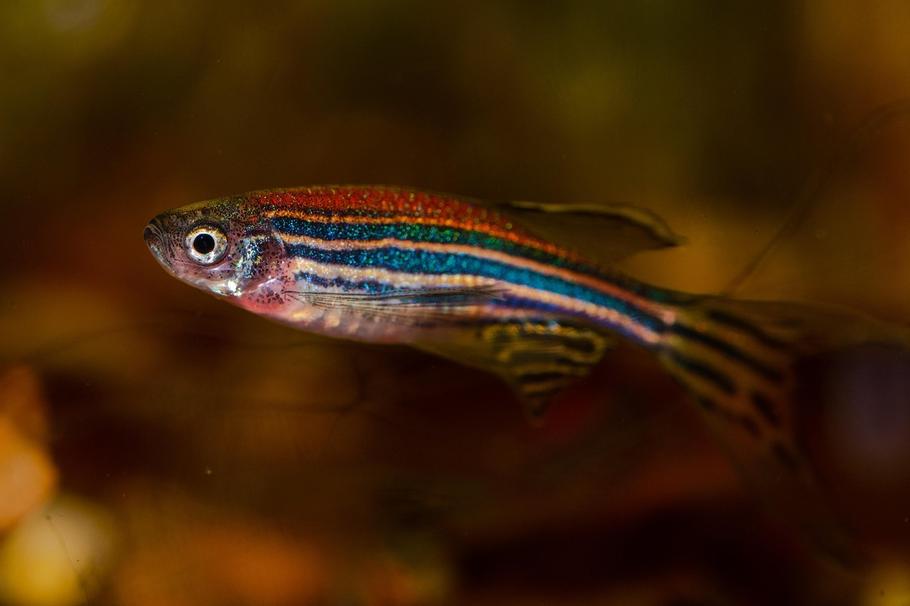
Credit: www.ratemyfishtank.com
Best Foods For Vibrant Fins
Feeding your ornamental fish the right foods helps keep their fins bright and healthy. A good diet supports strong fin growth and vibrant colors.
Different types of food provide essential nutrients. Using a mix of flakes, pellets, live foods, and plant supplements works well.
High-quality Flakes And Pellets
Flakes and pellets offer balanced nutrition. Choose brands with added vitamins and minerals to support fin strength.
- Look for foods rich in protein and omega fatty acids
- Use flakes for small fish and pellets for larger species
- Feed in small amounts to avoid overfeeding
- Check ingredients for natural color enhancers like spirulina
Live And Frozen Options
Live and frozen foods add variety and boost nutrition. They often contain nutrients that help fins stay flexible and colorful.
| Food Type | Benefit |
| Brine shrimp (live or frozen) | High protein, improves fin growth |
| Daphnia (water fleas) | Good for digestion and fin health |
| Bloodworms | Rich in iron and protein |
| Blackworms | Promotes strong fins and vibrant colors |
Plant-based Supplements
Plant-based foods add fiber and natural pigments. These help maintain fin brightness and support digestion.
Common plant-based supplements include:
- Spirulina powder for natural blue and green colors
- Algae wafers to provide fiber and nutrients
- Vegetable flakes made from spinach and kale
Feeding Schedules And Portions
Feeding your ornamental fish the right amount at the right time is key. It helps keep their fins strong and healthy.
Too much food can harm fish, while too little can weaken them. A good feeding routine supports their growth.
Frequency For Different Species
Different fish need different feeding times. Some eat once a day, others need more frequent meals.
- Goldfish: Feed 2-3 times daily in small portions
- Betta fish: Feed once or twice daily
- Guppies: Feed 2 times daily
- Tetras: Feed 1-2 times daily
- Cichlids: Feed once or twice daily
Avoiding Overfeeding
Overfeeding causes poor water quality and health issues. Fish may become lazy and their fins can get damaged.
Feed only what fish can eat in 2-3 minutes. Remove leftover food to keep the tank clean.
- Give small portions each feeding
- Feed fish two to three times a day
- Stop feeding if fish show no interest
- Clean uneaten food from the tank
Signs Of Proper Nutrition
Healthy fish have bright colors and active behavior. Their fins are strong and fully spread out.
Watch for steady growth and good appetite. These signs show your fish get enough nutrients.
- Vibrant color and clear eyes
- Strong, undamaged fins
- Active swimming and normal behavior
- Regular appetite and eating habits
Supplements To Boost Fin Strength
Strong fins help ornamental fish swim well and avoid injuries. Good nutrition plays a big role in fin health.
Adding supplements to their diet can improve fin strength and color. Let’s look at natural and commercial options.
Natural Additives
Natural additives provide vitamins and minerals that support fin growth. These supplements come from plants and natural sources.
- Spirulina powder – rich in proteins and antioxidants
- Garlic extract – helps fight infections and boosts immunity
- Chlorella – a green algae high in vitamins and chlorophyll
- Flaxseed oil – contains omega-3 fatty acids for skin and fin repair
Commercial Fin Enhancers
Many fish food brands offer fin-enhancing supplements. These are easy to use and often include essential nutrients.
| Product Type | Key Ingredients | Benefits |
| Fin Growth Tablets | Biotin, Vitamin C | Speeds fin regeneration |
| Liquid Supplements | Vitamin E, Zinc | Improves fin color and strength |
| Pellet Food Additives | Omega-3, Amino Acids | Supports healthy fin tissue |
Diy Supplement Recipes
You can make your own supplements at home. These recipes use simple ingredients to boost fin health.
- Mix 1 tsp spirulina powder with 2 tsp gelatin and warm water to form soft cubes.
- Add crushed garlic cloves to fish food once a week to improve immunity.
- Combine flaxseed oil and finely chopped vegetables for a nutritious paste.
Maintaining Water Quality For Nutrition
Ornamental fish need clean water for strong fins. Good water quality helps them absorb nutrients. It keeps them healthy and vibrant.
Water quality affects how fish eat and digest. Clean water supports their growth. It ensures they get the most from their food.
Impact Of Water On Food Absorption
Water quality directly impacts how fish digest their food. Contaminated water can cause stress. This reduces their ability to absorb nutrients.
Healthy water supports good digestion. Fish in clean water are more active and eat better. They have stronger, healthier fins.
Cleaning And Filtration Tips
Regular cleaning helps keep water clean. Use filters to remove waste and debris. This prevents harmful bacteria from growing.
- Change 10-15% of the water weekly
- Use a quality filter suited for your tank size
- Remove uneaten food to prevent decay
Balancing Tank Environment
Balance the tank environment for the fish. Proper pH levels and temperature are key. This ensures fish thrive and grow strong fins.
Monitor water conditions regularly. Adjust the environment as needed. Healthy water leads to healthy fish.
- Test water pH weekly
- Keep temperature steady
- Ensure adequate oxygen levels
Credit: medium.com
Common Feeding Mistakes To Avoid
Feeding ornamental fish the right way helps keep their fins strong. Many fish owners make feeding mistakes that hurt fish health.
Understanding what to feed and how much is important. Avoiding common errors improves your fish’s growth and fin strength.
Inappropriate Food Choices
Choosing the wrong food can cause weak fins and poor health. Avoid feeding fish only flakes or one type of food.
Some foods lack essential nutrients that help fins grow strong. Fresh, frozen, or live foods add variety and nutrition.
- Do not feed only dry flakes or pellets
- Avoid human food or bread as fish food
- Include foods rich in protein and vitamins
- Add vegetables or algae for herbivorous fish
Ignoring Species-specific Needs
Different fish species need different diets. Feeding all fish the same food causes problems.
Research what your fish species eats in the wild. Match their diet to keep fins healthy and strong.
- Carnivores need high protein food
- Herbivores need plant-based food
- Omnivores need a mix of protein and plants
- Some fish need special supplements
Signs Of Nutritional Deficiency
Watch your fish for signs of poor nutrition. Weak or torn fins often show a lack of vitamins or minerals.
Other signs include faded colors, slow growth, and low energy. Spotting these early helps fix feeding problems fast.
- Frayed or shrinking fins
- Dull or faded color
- Loss of appetite
- Slow swimming or inactivity
- Visible deformities or spots
Frequently Asked Questions
What Foods Promote Strong Fins In Ornamental Fish?
High-protein foods like bloodworms and brine shrimp boost fin strength. Include vitamins and minerals for fin health. Avoid overfeeding to prevent water quality issues.
How Often Should I Feed Ornamental Fish For Fin Health?
Feed ornamental fish 2-3 times daily in small portions. Regular feeding supports consistent fin growth and overall vitality. Remove uneaten food to maintain water cleanliness.
Can Vitamins Improve Ornamental Fish Fin Strength?
Yes, vitamins A, C, and E enhance fin regeneration and color. Use fortified fish food or supplements for best results. Balanced nutrition is key to strong fins.
Are Live Foods Better For Fin Development?
Live foods provide natural nutrients and stimulate fish activity. They aid fin growth and repair effectively. However, balance with prepared diets to avoid nutritional gaps.
Conclusion
Healthy fins show a well-fed ornamental fish. Feeding them balanced food helps fins grow strong. Nutrients like vitamins and protein keep fins bright and healthy. Avoid overfeeding to prevent water problems. Clean water and a good diet work together to support fish health.
Watch your fish daily for signs of fin damage. Small steps in feeding make a big difference. Care for your fish, and their fins will shine. Simple feeding habits lead to happy, healthy fish.