
Are you struggling to keep your fish healthy and happy? One simple change can make a big difference: following the right fish feeding schedule.
Feeding your fish at the right times and in the right amounts helps them grow strong, stay active, and live longer. But how do you know what schedule works best for your fish? You’ll discover easy-to-follow tips that fit your lifestyle and your fish’s needs.
Keep reading to unlock the secrets of perfect fish feeding schedules and watch your underwater friends thrive like never before.
Importance Of Feeding Schedules
Feeding schedules are key to keeping fish healthy and happy. They help ensure fish get the right food at the right time.
Regular feeding times also help maintain a stable aquarium environment. This stability supports fish growth and well-being.
Impact On Fish Health
Feeding fish on a set schedule helps prevent overfeeding and underfeeding. Both conditions can cause health problems.
Consistent feeding supports strong immune systems and reduces the risk of diseases. Fish grow better when their diet is steady.
Behavior And Activity Levels
Fish tend to be more active and show natural behaviors with a regular feeding routine. They learn when to expect food and stay alert.
- Regular feeding times reduce stress in fish.
- Fish display better social behavior and less aggression.
- Activity levels improve, making fish more visible and lively.
Water Quality Considerations
Feeding schedules help control waste and keep water clean. Uneaten food can pollute water and harm fish.
| Feeding Frequency | Water Quality Impact |
| Too often | Increases waste and toxins |
| Too little | Fish may starve, less waste |
| Balanced schedule | Maintains clear water and healthy fish |
Types Of Fish And Their Feeding Needs
Different fish need different foods and feeding times. Knowing their types helps you feed them right. Proper feeding keeps fish healthy and active.
This guide covers tropical fish, coldwater fish, and the difference between carnivorous and herbivorous fish diets.
Tropical Fish
Tropical fish live in warm water and eat small, frequent meals. They need a balanced diet with protein and vitamins. Overfeeding can harm water quality.
- Feed 2 to 3 times daily
- Use flakes, pellets, or frozen food
- Small portions to avoid leftovers
- Include vegetable bits for variety
Coldwater Fish
Coldwater fish eat less often than tropical fish. Their metabolism is slower, so feed them less food. Choose sinking pellets or flakes made for coldwater species.
| Fish Type | Feeding Frequency | Food Type |
| Goldfish | 1-2 times daily | Flakes, pellets, vegetables |
| Koi | 1-2 times daily | Pellets, live food |
| White Cloud Minnow | Once daily | Flakes, small live food |
Carnivorous Vs Herbivorous Fish
Carnivorous fish eat mainly meat. They need protein-rich food like live or frozen prey. Herbivorous fish eat plants and need algae or vegetable matter.
| Fish Type | Diet | Common Foods |
|---|---|---|
| Carnivorous | Meat-based | Bloodworms, brine shrimp, pellets |
| Herbivorous | Plant-based | Algae wafers, spinach, peas |
Daily Feeding Frequency
Feeding fish the right amount each day is very important. Too much or too little food can harm their health.
Different fish need different feeding schedules. Understanding how often to feed them helps keep your fish healthy.
How Often To Feed Different Fish
Small tropical fish usually eat small meals two to three times daily. Larger fish may need feeding once a day. Young fish often require more frequent meals.
- Small tropical fish: 2-3 times daily
- Large fish: once a day
- Young fish: 3-4 times daily
- Bottom feeders: feed once a day or less
- Goldfish: 1-2 times daily
Signs Of Overfeeding And Underfeeding
Overfeeding causes leftover food and dirty water. Fish may become overweight and sick. Watch for slow swimming or bloating.
Underfeeding leads to thin, weak fish that lack energy. They may hide or stop eating. Check their body shape and behavior often.
- Overfeeding signs: leftover food, cloudy water, bloated fish
- Underfeeding signs: thin fish, slow movement, hiding
- Check fish daily for changes in behavior
- Adjust feeding amounts based on fish health
Credit: www.etsy.com
Best Feeding Times
Feeding fish at the right time helps them grow healthy and stay active. Choosing the best time to feed makes a big difference in their well-being.
This guide covers morning versus evening feeding and why consistent feeding times matter.
Morning Vs Evening Feeding
Fish eat differently in the morning and evening. Feeding time can affect their digestion and energy levels.
- Morning feeding:Fish are more active and ready to eat after rest.
- Evening feeding:Some fish eat more as they prepare to rest.
- Temperature impact:Water is cooler in the morning, which can affect fish appetite.
- Light conditions:Fish may feed better in natural light during the day.
Consistency In Feeding Times
Keeping feeding times consistent reduces stress and improves fish health. Fish learn to expect food and stay calm.
| Benefit | Reason |
|---|---|
| Better digestion | Regular meals help fish digest food properly. |
| Less waste | Consistent feeding reduces leftover food in tanks. |
| Improved growth | Fish grow faster with steady feeding schedules. |
| Reduced aggression | Fish are less aggressive when fed on time. |
Choosing The Right Food
Feeding your fish properly helps them grow healthy and strong. Choosing the right food is an important part of fish care.
Different types of fish need different foods. This guide will help you pick the best options for your aquatic friends.
Pellets And Flakes
Pellets and flakes are the most common fish foods. They offer balanced nutrition and are easy to store.
- Choose flakes for small fish.
- Use pellets for larger fish.
- Check for high-quality ingredients.
Live And Frozen Foods
Live and frozen foods provide natural nutrients. They are a great supplement to pellets and flakes.
| Food Type | Benefits |
| Brine Shrimp | Rich in protein |
| Bloodworms | Boosts energy |
| Daphnia | Improves digestion |
Supplements And Treats
Supplements and treats can enhance your fish’s diet. They should be used in moderation.

Credit: www.freepik.com
Adjusting Feeding For Growth And Health
Feeding fish the right amount is important for their growth and health. Fish need different food amounts at different life stages.
Adjusting feeding schedules helps prevent problems like overfeeding or malnutrition. Watch your fish to know when to change their diet.
Feeding Juvenile Fish
Young fish grow fast and need more food than adult fish. Feed small amounts often to support their development.
Use high-quality food with more protein to help them build strong bodies. Avoid overfeeding to keep water clean.
- Feed 3 to 4 times a day in small portions
- Choose foods rich in protein and nutrients
- Remove uneaten food to prevent water pollution
- Watch growth and adjust food amount weekly
Feeding Sick Or Recovering Fish
Sick fish need gentle care and special feeding. Their appetite may decrease, so offer easy-to-digest food.
Feed small amounts more often to help recovery. Avoid overfeeding as sick fish cannot digest well.
- Offer food 2 to 3 times a day in small amounts
- Use medicated or softened food if advised
- Monitor fish behavior and appetite closely
- Keep water clean to reduce stress
Tools And Techniques For Feeding
Feeding fish can be fun and rewarding. There are different tools and techniques you can use.
Whether using automatic feeders or hand feeding, each method has its benefits. Learn about these methods to keep your fish healthy and happy.
Automatic Feeders
Automatic feeders dispense food at set times. They help maintain a regular feeding schedule.
| Feeder Type | Features |
| Rotating Drum | Adjustable portions |
| Digital | Programmable settings |
| Vacation Feeder | Long-lasting |
Hand Feeding Tips
Hand feeding allows you to bond with your fish. It’s essential to follow some simple tips to do it right.
- Feed small amounts to avoid overfeeding
- Use quality fish food for better health
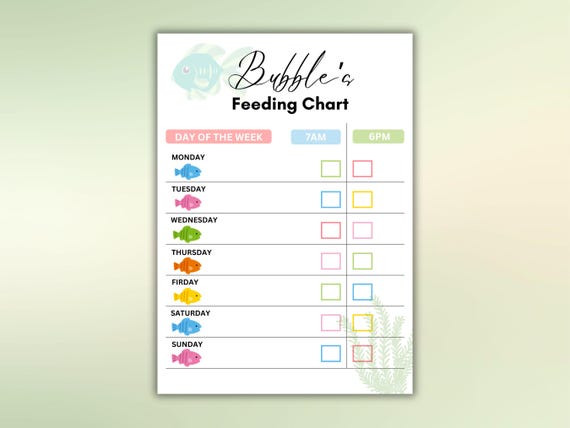
- Feed at the same time each day for consistency

Credit: www.vecteezy.com
Common Feeding Mistakes
Feeding fish seems simple but many make mistakes. These errors can harm fish health and water quality.
Knowing common feeding mistakes helps keep fish healthy and tanks clean.
Overfeeding Consequences
Overfeeding fish causes many problems. Fish may become sick or obese from too much food.
Extra food can foul the water and harm fish. It also wastes money and effort.
- Fish can get bloated and stressed
- Water pollution increases from decaying food
- More algae growth can occur
- Tank filters may clog faster
Uneaten Food And Tank Cleanliness
Uneaten food sinks to the bottom and rots. This makes the tank dirty and unsafe.
Rotting food causes bad smells and toxic water. It also invites harmful bacteria.
- Remove leftover food after feeding
- Use a siphon to clean the tank floor
- Feed only what fish can eat quickly
- Regular tank cleaning keeps fish healthy
Monitoring And Adapting Your Schedule
Feeding fish is not a one-time task. You need to watch your fish closely. This helps you know if they are healthy and happy.
Adjusting the feeding schedule keeps fish in good condition. Fish need different care at different times.
Observing Fish Behavior
Watch how your fish act during feeding time. If they eat all food quickly, it means they are hungry.
If fish swim away or ignore food, they may be full or sick. Change the amount or type of food if needed.
- Fish eating quickly: feed a little more
- Fish leaving food: feed less or check health
- Fish showing unusual behavior: consult a fish care guide
Seasonal Adjustments
Fish eat differently in each season. Cold water slows their metabolism. They need less food in winter.
In warm seasons, fish are more active and need more food. Change feeding times and amounts with the weather.
- Winter: feed less, fewer times per day
- Spring and Summer: feed more, increase frequency
- Fall: gradually reduce food as temperature drops
Frequently Asked Questions
How Often Should I Feed My Fish Daily?
Most fish benefit from feeding once or twice a day. Avoid overfeeding to prevent water pollution and health issues. Adjust feeding frequency based on fish species, age, and activity level for optimal health.
What Is The Best Time For Fish Feeding?
Feed fish during consistent times, preferably morning and early evening. Regular feeding schedules help maintain fish health and reduce stress. Avoid feeding late at night to prevent uneaten food decay.
How Much Food Should I Give My Fish?
Feed only what fish can eat within 2-3 minutes. Excess food leads to water quality problems and fish illness. Observe fish behavior to adjust portion size accordingly.
Can Fish Survive Fasting Days?
Yes, fish can handle fasting one day per week. Fasting improves digestion and prevents overfeeding-related issues. Avoid fasting for young or sick fish.
Conclusion
Feeding fish on a regular schedule keeps them healthy and happy. Small, frequent meals help avoid overfeeding and water problems. Watching your fish’s behavior shows when they are hungry or full. Stick to the feeding times you choose to build a good routine.
Good care leads to strong, colorful fish that live longer. Simple steps make fish feeding easy and stress-free. Keep your fish tank clean and enjoy a lively underwater world.