
If you have a saltwater tank, you know how important clean, balanced water is for the health of your marine life. But keeping your tank’s water just right can feel tricky.
You might be wondering how to remove harmful substances and keep the water safe without stressing your fish and corals. This guide will show you simple, effective ways to treat your saltwater tank water so your underwater world stays vibrant and thriving.
Keep reading, and you’ll discover easy steps that make a big difference for your tank’s health.
Choosing The Right Saltwater
Saltwater tanks need clean and balanced water to keep fish healthy. Choosing the right saltwater helps maintain the tank’s environment.
There are two main options for saltwater: natural seawater and synthetic salt mixes. Each has its own benefits and factors to think about.
Natural Seawater Vs Synthetic Salt Mixes
Natural seawater is collected from the ocean. It contains many minerals and natural elements that fish need.
Synthetic salt mixes are made by combining pure salt and minerals in specific amounts. They create saltwater similar to the ocean.
- Natural seawater has real ocean elements but may contain pollutants.
- Synthetic salt mixes are clean and consistent but lack some natural trace elements.
- Natural seawater can vary by location and time.
- Synthetic mixes allow precise control of water quality.
Key Parameters To Consider
When choosing saltwater, check important factors like salinity and mineral content. These affect tank health.
Other factors include water clarity, pH level, and presence of harmful chemicals. Good water supports fish growth.
| Parameter | Why It Matters |
|---|---|
| Salinity | Must match the needs of saltwater animals |
| Mineral Balance | Supports coral and fish health |
| pH Level | Keeps water stable and safe |
| Clarity | Shows water cleanliness |
| Contaminants | Can harm fish and plants |
Essential Filtration Methods
Water treatment in saltwater tanks is very important. Clean water helps fish and corals live healthy.
Filtration removes dirt, waste, and harmful chemicals. It keeps the tank water clear and safe.
Mechanical Filtration Techniques
Mechanical filtration removes solid particles from the water. It traps debris like uneaten food and waste.
Common tools include filter pads, sponges, and floss. These catch particles as water flows through them.
- Filter pads catch large debris
- Sponges trap smaller particles
- Filter floss removes fine particles
- Regular cleaning keeps filters effective
Biological Filtration Benefits
Biological filtration uses good bacteria to clean water. These bacteria break down harmful ammonia and nitrites.
Bacteria live in filter media and tank surfaces. They turn toxic waste into less harmful nitrate.
- Reduces toxic ammonia and nitrites
- Supports natural water cleaning
- Helps keep fish and corals safe
- Needs oxygen-rich environment to thrive
Chemical Filtration Options
Chemical filtration removes dissolved substances from tank water. It uses special media like activated carbon.
This filtration helps clear odors, colors, and toxins. It improves water clarity and quality.
- Activated carbon removes chemicals and odors
- Phosphate removers control algae growth
- Resins can remove heavy metals
- Replace media regularly for best results
Maintaining Water Quality
Good water quality is key for saltwater tanks. It keeps fish and corals healthy. Regular care helps avoid problems.
Monitoring water conditions lets you act early. This keeps the tank stable and clean for your marine life.
Monitoring Salinity Levels
Salinity means the salt amount in water. Fish and corals need stable salinity to live well. Check it often.
Use a refractometer or hydrometer to measure salinity. Keep it in the right range for your tank species.
- Ideal salinity is usually 1.023 to 1.025 specific gravity
- Test salinity at least twice a week
- Add fresh water to lower salinity if needed
- Add salt mix to raise salinity carefully
Controlling Ph And Alkalinity
pH shows how acidic or basic the water is. Alkalinity keeps pH stable. Both are important for tank health.
Test pH and alkalinity regularly. Keep pH between 8.0 and 8.4. Maintain alkalinity at 8 to 12 dKH.
- Use test kits to measure pH and alkalinity
- Add buffer solutions to adjust pH if needed
- Use baking soda to raise alkalinity safely
- Do water changes to keep balance
Managing Nitrate And Phosphate
Nitrates and phosphates come from waste and food. High levels cause algae and harm animals. Keep them low.
Test nitrate and phosphate weekly. Use filters and clean tank parts to control these nutrients.
- Do regular water changes to reduce nitrates
- Use protein skimmers to remove waste
- Limit overfeeding to cut nutrient buildup
- Add phosphate removers if needed

Credit: www.amazon.com
Water Conditioning Additives
Water conditioning additives help keep saltwater tanks healthy. They improve water quality and support marine life.
Using the right additives ensures a balanced environment. This supports fish, corals, and other tank inhabitants.
Using Trace Elements And Minerals
Trace elements and minerals are essential for marine creatures. They help with growth and color of corals and fish.
- Calcium supports coral skeletons and fish bones.
- Magnesium helps maintain water chemistry balance.
- Strontium aids coral growth and health.
- Iron supports plant and algae growth.
- Iodine benefits coral pigmentation and metabolism.
Role Of Buffers And Stabilizers
Buffers keep the pH level steady in saltwater tanks. They stop sudden changes that can harm tank life.
| Buffer Type | Function | Common Sources |
| Carbonate | Maintains pH around 8.0 to 8.4 | Sodium bicarbonate, calcium carbonate |
| Phosphate | Prevents pH from dropping too low | Sodium phosphate |
| Silicate | Stabilizes water chemistry and supports diatoms | Silica-based additives |
Beneficial Bacteria Supplements
Beneficial bacteria help break down waste and toxins. They improve water clarity and reduce harmful ammonia.
Benefits of Beneficial Bacteria:
- Convert ammonia to nitrite and then to nitrate
- Reduce fish stress by keeping water clean
- Support natural biological filtration
- Help maintain stable tank environment
Routine Water Changes
Changing water regularly is key to keeping saltwater tanks healthy. It helps remove waste and refreshes minerals.
Routine water changes keep the tank environment stable for fish and corals. This process supports good water quality.
Frequency And Volume Guidelines
How often and how much water to change depends on the tank size and its inhabitants. Small tanks need more frequent changes.
- Change 10-15% of the water weekly for tanks under 50 gallons.
- For tanks 50-100 gallons, change 15-20% every two weeks.
- Large tanks over 100 gallons may change 20-25% monthly.
- Adjust frequency if water tests show poor quality.
Preparing Replacement Water
Replacement water must match the tank’s temperature, salinity, and pH to avoid stress on creatures.
| Parameter | Recommended Range |
| Temperature | 78-82°F (25-28°C) |
| Salinity | 1.023-1.025 specific gravity |
| pH | 8.0-8.4 |
| Dechlorinated | Yes |
Safe Water Change Procedures
Follow these steps to keep your water change safe and effective:
- Turn off all electrical equipment near the tank.
- Use a clean siphon to remove old water slowly.
- Check water parameters before adding new water.
- Pour replacement water gently to avoid disturbing the tank.
- Restart equipment only after the water change is complete.

Credit: www.chewy.com
Dealing With Common Water Issues
Saltwater tanks need special care to keep water clean. Problems like algae, ammonia, and cloudy water can arise.
These issues affect fish health and tank appearance. Learn how to manage these common water problems.
Algae Control Strategies
Algae can cover tank surfaces and reduce water quality. Keeping it under control is important for a healthy tank.
Use algae eaters, reduce light exposure, and clean regularly. These steps help manage algae growth effectively.
- Add algae-eating fish or snails
- Limit tank light to 8 hours daily
- Remove algae manually with a scraper
Preventing Ammonia And Nitrite Spikes
Ammonia and nitrite spikes are dangerous for fish. They cause stress and can be fatal if not controlled.
Regular water testing and tank maintenance prevent these spikes. Use a good filtration system and avoid overfeeding fish.
- Test water weekly for ammonia and nitrites
- Perform partial water changes regularly
- Feed fish only what they can eat in 2 minutes
Tackling Cloudy Water
Cloudy water makes tanks look dirty and can harm fish. It often occurs from overfeeding or new tank setup.
To clear cloudy water, check the filter, reduce feeding, and allow the tank to settle. Patience is key to resolving this issue.
- Check and clean the tank filter
- Reduce feeding amount and frequency
- Allow bacterial balance to establish in new tanks
Advanced Water Treatment Tools
Saltwater tanks need special care to keep the water clean. Advanced tools help maintain a healthy environment for fish and plants. These tools ensure the water stays clear and safe.
In this guide, we’ll explore three important tools for saltwater tanks. These tools make water treatment efficient and effective.
Protein Skimmers
Protein skimmers remove organic waste from the water. They help keep the water clear and healthy. Protein skimmers work by creating bubbles that trap waste.
This tool is essential for reducing toxins in saltwater tanks. It helps prevent algae growth and keeps fish healthy.
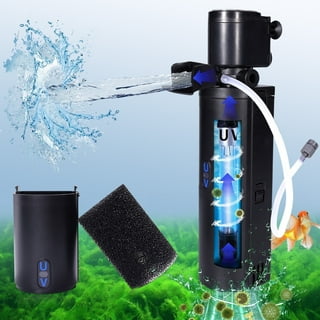
Uv Sterilizers
UV sterilizers use ultraviolet light to kill harmful organisms. This helps control bacteria and algae in the tank. UV sterilizers are effective for improving water quality.
They are a great tool to maintain a clean and safe environment. UV sterilizers are easy to use and require minimal maintenance.
Reverse Osmosis Systems
Reverse osmosis systems purify water by removing impurities. This system is important for saltwater tanks. It ensures the water is free from harmful chemicals and salts.
Using reverse osmosis systems helps create the best environment for marine life. These systems are reliable and improve overall water quality.
Credit: www.walmart.com
Frequently Asked Questions
What Is The Best Water Treatment For Saltwater Tanks?
The best water treatment involves using reverse osmosis (RO) filtered water combined with proper salt mix. This removes impurities and maintains optimal salinity. Regular testing and conditioning help keep water parameters stable for healthy marine life.
How Often Should I Treat Water In A Saltwater Tank?
Water treatment should be done during every water change, typically every 1-2 weeks. This ensures removal of toxins and replenishes essential minerals. Consistent treatment prevents buildup of harmful substances and promotes a balanced aquarium environment.
Can Tap Water Be Used In Saltwater Tanks?
Tap water is generally not recommended due to chlorine, chloramines, and heavy metals. Using RO or distilled water is safer. If tap water is used, it must be treated with dechlorinators and tested to avoid harming marine organisms.
Why Is Water Treatment Important For Saltwater Aquariums?
Water treatment removes harmful chemicals, toxins, and unwanted minerals. It stabilizes pH and salinity, essential for marine life health. Proper treatment prevents disease and supports coral and fish growth, ensuring a thriving saltwater tank.
Conclusion
Keeping saltwater tanks clean helps fish stay healthy and happy. Treating water properly stops harmful chemicals and bacteria. Regular testing and changes keep the water safe. Good water quality supports coral and plants too. Simple steps make a big difference in tank care.
Clean water means a beautiful and balanced tank. Take time each week to check your water. Your tank will thank you with vibrant life.