
Are you struggling to keep your marine fish healthy and vibrant? Watching your colorful underwater friends fall ill can be frustrating and heartbreaking.
But don’t worry—treating marine fish diseases doesn’t have to be complicated or overwhelming. You’ll discover simple, effective steps to identify and cure common illnesses. By learning how to protect your fish, you’ll enjoy a thriving, beautiful aquarium that brings you peace and joy every day.
Keep reading, because your fish’s health depends on what you do next.
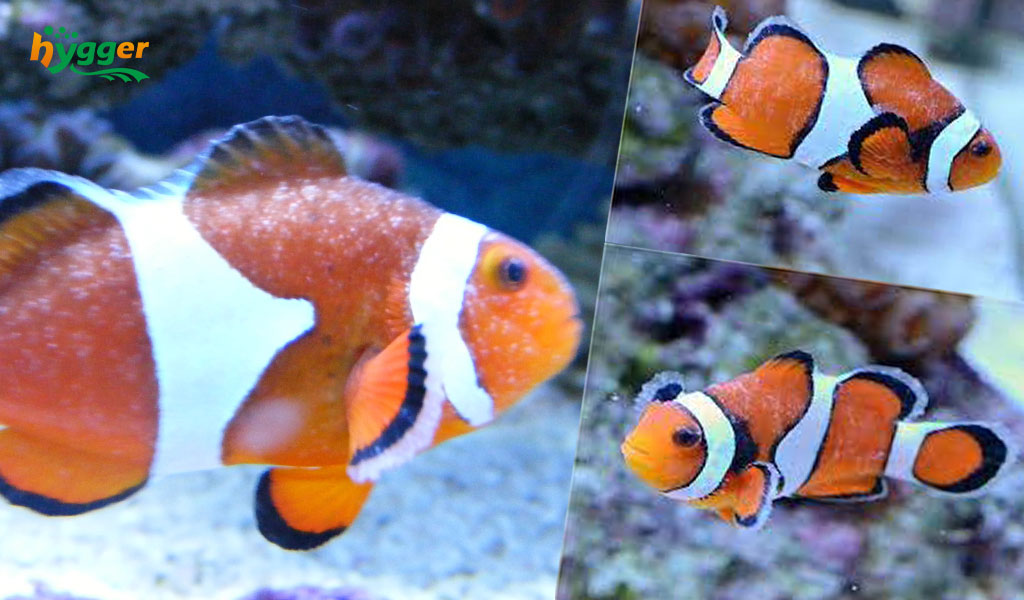
Credit: www.hygger-online.com
Common Marine Fish Diseases
Marine fish can get many different diseases. These illnesses affect their health and behavior. Knowing common diseases helps you care for your fish well.
This guide covers four main types of marine fish diseases. Learn how to spot and treat each one to keep your fish safe.
Bacterial Infections
Bacterial infections are common in marine fish. They cause wounds, redness, and swelling. These infections often happen after injury or stress.
Treatment includes cleaning the tank and using antibiotics. Keeping water clean helps prevent bacterial growth.
- Symptoms: ulcers, red spots, fin rot
- Treatment: antibiotics, salt baths
- Prevention: clean water, avoid overcrowding
Parasitic Infestations
Parasites live on or inside fish. They cause itching, flashing, and weight loss. Common parasites include flukes and protozoa.
Use medicated treatments to kill parasites. Quarantine new fish to avoid spreading parasites.
- Symptoms: scratching, white spots, rapid breathing
- Treatment: antiparasitic medications, salt dips
- Prevention: quarantine, regular tank cleaning
Fungal Diseases
Fungal infections appear as cotton-like patches on fish. They happen after injuries or poor water quality. Fungi grow quickly in dirty tanks.
Treat fungal diseases with antifungal medicines. Improve water quality and remove sick fish to stop spread.
- Symptoms: white cottony growths, lethargy
- Treatment: antifungal drugs, clean water
- Prevention: good hygiene, healthy environment
Viral Conditions
Viruses cause serious diseases in marine fish. Signs include sores, swelling, and abnormal behavior. Viral diseases are hard to treat.
Prevent viruses by keeping fish healthy and quarantining new arrivals. There are no specific cures for most viral infections.
- Symptoms: sores, swelling, loss of appetite
- Treatment: supportive care, isolation
- Prevention: quarantine, reduce stress
Symptoms To Watch For
Marine fish can get sick from many causes. Watching for symptoms early helps treat diseases faster. Knowing what to look for keeps your fish healthy.
Symptoms often show in how fish act, how they look, and how they breathe. Learn these signs to protect your tank.
Behavioral Changes
Fish may act differently when sick. They might swim less or hide more than usual. These changes tell you something is wrong.
- Loss of appetite or refusal to eat
- Resting at the tank bottom or floating near the surface
- Unusual aggression or hiding
- Erratic swimming or rubbing against objects
- Increased lethargy or inactivity
Physical Signs
Look closely at your fish for visible signs of disease. These signs can help identify the problem early.
| Sign | What It Means |
| White spots | Possible parasite infection |
| Red or inflamed areas | Infection or injury |
| Clamped fins | Stress or poor water quality |
| Swollen body or eyes | Internal infection or organ failure |
| Frayed or torn fins | Fin rot or injury |
Respiratory Issues
Fish breathe by moving water over their gills. Problems here can cause fast breathing or gasping.
Signs of respiratory issues include:
- Rapid gill movement
- Gasping at the water surface
- Gills that look pale or swollen
- Excess mucus around the gills
Diagnosing Fish Illness
Diagnosing illness in marine fish is key to proper treatment. Early detection helps keep fish healthy.
Look closely at fish and their environment to find signs of disease. Use simple tools to test water quality.
Visual Inspection Techniques
Watch fish for unusual behavior or changes in appearance. These signs can show illness early.
- Check for spots, discoloration, or sores on the skin.
- Look for clamped fins or frayed edges.
- Notice if the fish is hiding or swimming erratically.
- Observe breathing speed for rapid or labored gills.
- See if the fish has lost appetite or weight.
Water Testing Importance
Good water quality keeps fish healthy. Test water often to catch problems early.
| Parameter | Normal Range | Effect on Fish |
| pH | 8.0 – 8.4 | Maintains stable environment |
| Ammonia (NH3) | 0 ppm | Toxic if present |
| Nitrite (NO2) | 0 ppm | Harmful to gills |
| Nitrate (NO3) | < 20 ppm | Stress and poor health |
| Salinity | 30 – 35 ppt | Supports marine life |
Seeking Expert Advice
Ask a vet or experienced hobbyist if unsure about symptoms. Getting help saves fish lives.
- Take clear photos of the fish and tank.
- Record water test results and recent changes.
- Describe fish behavior and diet.
- Follow professional advice carefully.
Treatment Methods
Treating marine fish diseases requires care and the right methods. Fish owners must act fast to prevent spread. Using correct treatments helps fish recover quickly.
This guide covers key treatment methods to keep marine fish healthy. Learn about medications, salt baths, and quarantine steps.
Medications And Dosages
Medications fight infections and parasites in marine fish. It is important to use the right drug and dose. Overdosing can harm fish, underdosing may not work.
| Medication | Common Dose | Use |
| Metronidazole | 25 mg per gallon | Treats parasites |
| Kanamycin | 10 mg per gallon | Fights bacterial infections |
| Malachite Green | 0.02 mg per liter | Controls fungal infections |
| Formalin | 15 mg per liter | Parasite and fungus treatment |
Salt Baths And Water Changes
Salt baths help remove parasites and improve fish health. Use aquarium salt and not table salt. Keep baths short to avoid stress.
- Prepare salt bath with 1 to 3 grams of salt per liter
- Place fish in bath for 5 to 15 minutes
- Observe fish for signs of stress
- Return fish to clean, treated aquarium water
- Perform regular water changes to keep tank clean
Quarantine Procedures
Quarantine new or sick fish to avoid spreading disease. Use a separate tank with good filtration and aeration. Monitor fish daily for symptoms.
- Set up a quarantine tank before adding new fish
- Keep fish isolated for at least 2 weeks
- Use medications if signs of illness appear
- Maintain clean water with regular changes
- Only move fish to main tank when fully healthy
Preventing Future Outbreaks
Marine fish diseases can cause severe harm to your aquarium. Preventing outbreaks keeps your fish healthy. You must focus on daily care and good habits.
Simple steps help stop disease spread. Watch your tank and keep conditions stable. This guide covers key ways to protect your fish.
Maintaining Water Quality
Clean water is vital for marine fish health. Poor water quality causes stress and illness. Test water often and control temperature, pH, and salinity.
- Change 10-20% of the water weekly
- Use a good filtration system
- Keep ammonia, nitrite, and nitrate levels low
- Remove uneaten food and waste quickly
- Monitor water temperature daily
Proper Feeding Practices
Feed your fish the right food in correct amounts. Overfeeding pollutes water and harms fish. Use quality food suitable for your species.
| Feeding Tip | Reason |
| Feed small amounts 2-3 times daily | Prevents leftover food and water pollution |
| Use varied diet | Supports fish immune system |
| Remove uneaten food after 5 minutes | Reduces bacteria growth |
| Use feeders or feeding rings | Controls food distribution |
Tank Cleaning Routines
Regular cleaning helps prevent disease buildup. Clean tank surfaces, decorations, and substrate carefully. Avoid harsh chemicals that can harm fish.
- Use a gravel vacuum weekly
- Clean algae off glass and decorations
- Rinse filter media in tank water only
- Replace filter parts as recommended
- Remove dead plants or fish immediately
Stress Reduction Strategies
Stress weakens fish and invites disease. Create a calm, stable environment. Avoid sudden changes and keep tankmates peaceful.
| Stress Factor | Prevention Tip |
|---|---|
| Sudden water changes | Make changes slowly over hours |
| Overcrowding | Keep recommended fish numbers |
| Incompatible tankmates | Research species behavior before adding |
| Poor hiding spots | Add plants and caves for shelter |
| Excess noise or vibration | Place tank in quiet area |

Credit: www.nt-labs.com
Choosing Resistant Fish Species
Marine fish diseases can be challenging for aquarium owners. Picking the right fish species helps in managing these diseases. Some fish are naturally more resistant.
Selecting hardy fish reduces the chances of disease outbreaks. It also ensures a healthier aquarium environment.
Hardy Marine Fish Options
Some marine fish are known for their resilience. These species can better withstand changes in water conditions.
- Clownfish are popular and robust.
- Damselfish adapt well to different environments.
- Blennies have strong immune systems.
Compatibility Considerations
Choosing compatible species is vital. It reduces stress and aggression among fish. Compatibility helps maintain a peaceful aquarium.
Understanding fish behavior is key. Some fish need more space, while others prefer company.
- Pair fish with similar temperaments.
- Ensure enough space for territorial species.
- Research dietary needs before adding new fish.

Credit: www.reef2reef.com
Frequently Asked Questions
What Are Common Marine Fish Diseases?
Common marine fish diseases include ich, velvet, fin rot, and marine velvet. These illnesses cause symptoms like spots, discoloration, and lethargy. Early identification helps prevent spread and improves treatment success. Proper tank maintenance and quarantine reduce risks significantly.
How Do I Diagnose Marine Fish Diseases?
Diagnose marine fish diseases by observing symptoms such as spots, ragged fins, or abnormal behavior. Use a magnifying glass to check for parasites. Water testing for pH, salinity, and ammonia levels also helps identify environmental stress causing illness.
What Treatments Work For Marine Fish Diseases?
Treatments include medicated baths, antibiotics, and water quality improvements. Quarantine infected fish to prevent spread. Use salt baths for mild infections and consult a vet for severe cases. Always follow dosage instructions carefully to avoid harming fish.
Can Diet Affect Marine Fish Disease Recovery?
Yes, a balanced diet boosts immune response and speeds recovery. Feed high-quality, varied foods rich in vitamins and minerals. Avoid overfeeding to maintain water quality and reduce stress on fish, which supports healing from diseases.
Conclusion
Treating marine fish diseases takes patience and care. Watch your fish closely for any signs of illness. Clean the tank regularly to keep water quality high. Use the right medicines as directed to avoid harm. Quarantine new fish before adding them to the main tank.
Healthy fish need good food, clean water, and less stress. Early action can save your fish and keep them strong. Keep learning about fish care to protect your underwater pets. Small steps make a big difference in their health.