
Are you worried about the health of your ornamental fish? Seeing your colorful companions lose their sparkle or act strangely can be upsetting.
But don’t panic—knowing how to spot and treat common fish diseases can make all the difference. You’ll discover simple, effective ways to care for your fish and keep them thriving. Keep reading to protect your underwater friends and enjoy a vibrant, healthy aquarium every day.
Common Ornamental Fish Diseases
Ornamental fish can get sick from many causes. It is important to spot diseases early. Treating fish quickly helps them get well.
This guide covers common fish diseases. Learn how to identify and treat them.
Fungal Infections
Fungal infections often appear as white or gray cotton-like growths on fish. They usually occur after injury or stress.
Treat fungal infections by keeping water clean. Use antifungal medicines made for fish. Remove sick fish to a separate tank if possible.
Bacterial Infections
Bacterial infections cause redness, ulcers, or swelling. Fish may stop eating and become sluggish.
- Keep the tank clean and test water regularly.
- Use antibacterial treatments following package directions.
- Quarantine new fish before adding them to the main tank.
- Remove dead fish immediately to prevent spread.
Parasitic Infestations
Parasites like ich or flukes cause fish to scratch against objects. White spots or slimy skin may appear.
| Parasite | Symptoms | Treatment |
| Ich (White Spot) | White spots, scratching | Salt baths, anti-parasitic meds |
| Flukes | Red skin, breathing fast | Anti-parasitic treatments |
| Anchor Worm | Visible worms on skin | Remove worms, medicine |
Viral Diseases
Viral diseases are hard to treat and spread fast. Fish may lose color or have swollen bodies.
Prevention tips for viral diseases:
- Keep water clean and stable.
- Do not overcrowd the tank.
- Quarantine new fish for two weeks.
- Maintain good nutrition for fish health.
Symptoms To Watch For
Ornamental fish can get sick just like other pets. Spotting symptoms early helps you treat them fast. Watch your fish closely for changes.
This guide shows signs to watch for in your fish. Learn about behavior, looks, and water effects.
Behavioral Changes
Sick fish often act differently. They may swim oddly or stop eating. Watch for these behavior changes to catch illness early.
Common signs include hiding more or staying still. Fish might also scratch against tank surfaces.
- Loss of appetite
- Lethargy or slow movement
- Hiding or isolating
- Gasping at the surface
- Scratching against objects
Physical Signs
Look closely at your fish’s body. Changes in color or spots can mean disease. Check fins and scales for damage.
Swelling or bloating are also warning signs. White patches or fuzzy growths often indicate infections.
- Discolored or faded skin
- Red or inflamed areas
- Damaged or clamped fins
- White spots or patches
- Swollen belly or eyes
Water Quality Impact
Bad water harms fish health. Poor water can cause stress and disease. Test your tank water often for safety.
Look for cloudy water or strong smells. These signs mean your fish may get sick soon.
- Cloudy or dirty water
- Strong or foul smell
- Excess algae growth
- High ammonia or nitrite levels
- Sudden changes in temperature
Preventive Measures
Keeping ornamental fish healthy needs more than treatment. Prevention stops diseases early. Good care helps fish live longer.
Preventive steps include proper tank setup, regular water checks, and quarantine for new fish. These reduce risks.
Proper Tank Setup
Set up the tank carefully to create a safe home for your fish. Choose the right size and clean materials.
- Use a tank size that fits the number of fish
- Install a good filter to keep water clean
- Add proper lighting and plants for natural habitat
- Keep the tank covered to prevent contamination
- Place the tank away from direct sunlight and drafts
Regular Water Testing
Check water quality often. Good water keeps fish healthy and stops disease spread. Test for pH, ammonia, and nitrites.
| Water Parameter | Safe Range | Why It Matters |
| pH | 6.5 – 7.5 | Maintains fish comfort and health |
| Ammonia | 0 ppm | Poisonous to fish, causes stress |
| Nitrites | 0 ppm | Toxic, affects fish breathing |
| Nitrates | < 20 ppm | High levels cause poor health |
Quarantine Procedures
New fish can bring diseases. Keep them separate before adding to the tank. Watch for signs of illness.
- Set up a small quarantine tank
- Keep new fish there for two weeks
- Feed and observe daily for sickness
- Test water and treat if needed
- Add healthy fish to the main tank only after quarantine
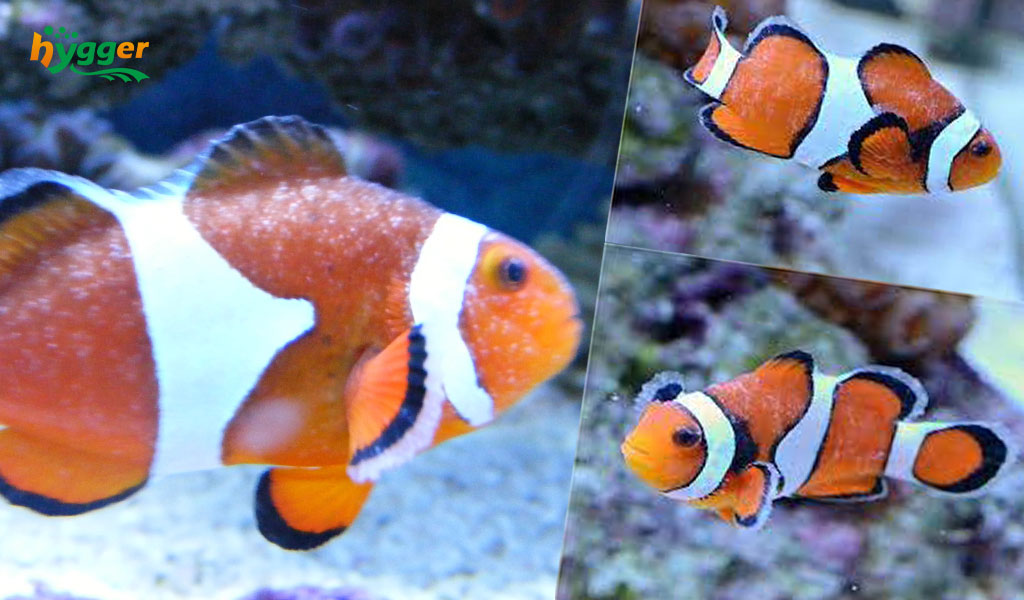
Credit: www.hygger-online.com
Treatment Methods
Treating ornamental fish diseases requires care and the right methods. Proper treatment helps fish recover quickly and stay healthy.
Different approaches suit different problems. This guide covers medications, natural remedies, and tank care during treatment.
Medications And Dosages
Medications can kill parasites, bacteria, and fungi. Use them carefully to avoid harming your fish or tank environment.
| Medication | Common Use | Dosage | Duration |
| Malachite Green | Fungal infections | 0.02 mg/L | 7 days |
| Metronidazole | Internal parasites | 25 mg/L | 5 days |
| Praziquantel | Flatworms | 2 mg/L | 3 days |
| Formalin | External parasites | 25 mg/L | 1 hour bath |
Natural Remedies
Natural remedies provide safer options. They support fish health without harsh chemicals.
- Salt baths help remove parasites and reduce stress.
- Aloe vera extract can soothe damaged skin and fins.
- Garlic boosts fish immunity and fights infections.
- Indian almond leaves improve water quality and reduce fungus.
Tank Maintenance During Treatment
Keep the tank clean and stable during treatment. Good care helps medicines work better and speeds recovery.
- Change 25% of water daily to remove toxins.
- Test water parameters often to keep safe levels.
- Remove uneaten food to avoid pollution.
- Keep filter running but avoid strong currents.
- Isolate sick fish in a quarantine tank if possible.
Nutrition And Care
Ornamental fish need proper nutrition and care to stay healthy. Good food and a clean environment help prevent diseases.
Paying attention to diet and tank conditions supports your fish’s immune system and reduces stress.
Balanced Diets
Feed fish a balanced diet with proteins, fats, and vitamins. Use high-quality flakes, pellets, and live foods.
- Include variety like brine shrimp and bloodworms
- Feed small amounts two to three times daily
- Avoid overfeeding to keep water clean
- Use foods designed for specific fish species
Supplements For Immunity
Supplements help boost fish immune systems and fight infections. Vitamins C and E are common choices.
| Supplement | Benefit | How to Use |
| Vitamin C | Improves healing and stress resistance | Add to food or water weekly |
| Vitamin E | Protects cells from damage | Mix with fish food |
| Probiotics | Supports gut health | Use as directed on package |
Stress Reduction Techniques
Stress weakens fish and makes diseases worse. Keep the tank stable and peaceful to help them thrive.
- Keep water temperature steady
- Use proper filtration and aeration
- Limit loud noises and sudden movements near tank
- Provide hiding places with plants or decorations
- Do regular water changes to maintain quality

Credit: www.amazon.com
When To Seek Professional Help
Keeping ornamental fish healthy is important. Sometimes, diseases can become severe. Knowing when to seek professional help is crucial for your fish’s well-being.
If your fish show signs of illness, it may be time to consult an expert. Let’s explore some key indicators and tips on choosing the right vet.
Signs Of Severe Illness
Observe your fish closely. Severe illness signs require immediate attention. Here are some symptoms to watch for:
- Loss of appetite or refusal to eat
- Visible sores or lesions on the body
- Unusual swimming patterns or floating
- Rapid breathing or gasping at the surface
- Faded or dull coloration
Choosing A Vet
Finding the right vet is important for your fish’s health. Not all vets specialize in fish care. Choose wisely to ensure proper treatment.
Look for a vet with experience in aquatic animals. You can also ask for recommendations from local aquarium societies or pet stores.
- Check vet’s credentials and experience
- Ask about their approach to fish diseases
- Ensure they have necessary equipment for diagnosis
Ongoing Care Plans
Once your fish receives treatment, ongoing care is essential. Follow the vet’s instructions closely to help your fish recover fully.
Regular monitoring and adjustments to the care plan may be needed. Maintain good water quality and provide a stress-free environment.
- Regularly test water parameters
- Provide a balanced diet suitable for the species
- Monitor for any recurring signs of illness

Credit: eastoceansg.com
Frequently Asked Questions
What Are Common Symptoms Of Ornamental Fish Diseases?
Common symptoms include faded colors, lethargy, loss of appetite, clamped fins, and white spots. Watch for abnormal swimming or rapid breathing as well.
How Do I Prevent Diseases In Ornamental Fish?
Maintain clean water, avoid overcrowding, quarantine new fish, and provide balanced nutrition. Regularly check water parameters to reduce stress and infection risk.
What Are Effective Treatments For Fish Fungal Infections?
Use antifungal medications like malachite green or methylene blue. Isolate infected fish and improve tank cleanliness to support recovery.
Can Water Quality Affect Ornamental Fish Health?
Yes, poor water quality causes stress and weakens fish immunity. Regular testing and water changes help prevent disease outbreaks.
Conclusion
Treating ornamental fish diseases needs patience and care. Catch problems early to stop them from spreading. Keep water clean and stable for healthy fish. Use proper medicine exactly as the label says. Watch your fish every day for any changes.
Healthy fish bring joy and beauty to your tank. Stay calm, act quickly, and keep learning. Your fish depend on you for a safe home. Small steps make a big difference in their health.