
If you run a kitchen or food business, you know how important it is to keep your fry tanks clean and efficient. But have you ever thought about the water you use in those tanks?
Proper water treatment can make a huge difference in the quality of your fried food, the lifespan of your equipment, and even your energy costs. You’ll discover simple yet powerful ways to treat water for your fry tanks that save you money and improve results.
Keep reading to learn how to protect your kitchen and serve better food every day.
Why Water Treatment Matters
Water treatment plays a key role in maintaining fry tanks. Clean water helps keep oil fresh and food safe. It also reduces costs by extending equipment life.
Understanding how water treatment affects fry tanks can improve kitchen operations. Let’s look at the main reasons why it matters.
Impact On Oil Quality
Water impurities can degrade oil quality quickly. Treating water reduces contaminants that cause oil to break down. This keeps oil clear and lasts longer.
- Removes minerals that cause oil foaming
- Prevents sludge and sediment build-up
- Maintains oil clarity and taste
- Reduces oil change frequency
Effects On Food Safety
Clean water lowers the risk of food contamination. Proper water treatment kills harmful bacteria and reduces chemical residues. This protects consumer health.
| Risk | Effect | How Water Treatment Helps |
|---|---|---|
| Bacteria growth | Foodborne illness | Removes bacteria from water |
| Chemical residues | Health hazards | Filters harmful chemicals |
| Cross-contamination | Unsafe food | Improves water purity |
Cost Benefits
Water treatment saves money over time. It reduces oil use and cuts down on repairs. Proper treatment keeps fry tanks working well longer.
- Less frequent oil replacement
- Lower equipment maintenance costs
- Reduced energy consumption
- Fewer health code violations

Credit: www.amazon.ca
Common Contaminants In Fry Tanks
Fry tanks often collect unwanted substances during cooking. These contaminants affect food quality and equipment life.
Understanding common contaminants helps maintain clean and safe fry tanks for better frying results.
Food Particles
Small bits of food break off during frying. These particles float in the oil and settle at the tank bottom.
Food particles cause oil to degrade faster and may produce bad flavors in fried food.
- Breadcrumbs and batter crumbs
- Small pieces of vegetables or meat
- Burnt residue from previous frying
Mineral Deposits
Hard water used in cleaning leaves mineral buildup inside fry tanks. These deposits appear as white or chalky layers.
Mineral deposits reduce heat transfer and damage the tank’s surface over time.
| Mineral Type | Common Source | Effect on Fry Tank |
| Calcium | Hard water | White scale on tank walls |
| Magnesium | Hard water | Rough deposits and corrosion |
| Iron | Rusty water | Brown stains and rust spots |
Microbial Growth
Bacteria and mold grow in fry tanks if oil and food debris remain for long.
These microbes spoil oil and cause health risks if not controlled.
Common signs of microbial growth include:
- Sticky or slimy film on oil surface
- Foul or sour smell from the tank
- Visible mold spots on tank edges
Methods For Effective Water Treatment
Clean water is essential for fry tanks to keep fish healthy. Proper water treatment removes harmful substances. It also keeps the water clear and safe for fry growth.
Different methods help maintain water quality. Using the right techniques ensures fry have a good environment to grow. Here are key ways to treat water effectively.
Filtration Techniques
Filtration removes dirt, waste, and other particles from water. Mechanical filters catch solid waste. Biological filters break down harmful chemicals using bacteria.
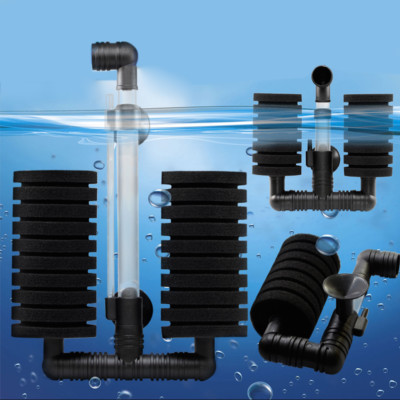
- Use sponge filters for gentle cleaning
- Install canister filters for larger tanks
- Choose biofilters to reduce ammonia and nitrites
- Clean filters regularly to keep them effective
Chemical Treatments
Chemicals help control bacteria and balance water properties. Use treatments carefully to avoid harming fry. Common chemicals include chlorine removers and pH adjusters.
| Chemical | Purpose | Usage |
| Chlorine remover | Neutralizes chlorine | Before adding new water |
| pH adjuster | Balances water acidity | Test water first |
| Antibacterial agents | Reduces harmful bacteria | Use in small doses |
Regular Water Changes
Changing water often keeps the tank clean and oxygen-rich. It removes toxins and replaces minerals. Small, frequent changes are best for fry tanks.
- Change 10-20% of water weekly
- Use dechlorinated water at the right temperature
- Check water quality before adding new water
- Clean tank surfaces during changes
Maintaining Fry Tank Hygiene
Keeping fry tanks clean is important for food safety. Clean tanks help make tasty, safe fried food.
Good hygiene in fry tanks also stops bad smells and oil problems. It helps the equipment last longer.
Routine Cleaning Procedures
Clean fry tanks every day to remove crumbs and oil buildup. This keeps the tank safe and fresh.
Drain the oil, wipe the tank with warm water and a mild detergent. Rinse well before refilling.
- Turn off the fryer and let oil cool
- Drain oil into a safe container
- Scrape out food bits and debris
- Wash tank with warm water and soap
- Rinse thoroughly to remove soap
- Dry the tank before adding new oil
Oil Filtration Practices
Filter oil daily to remove food particles. Clean oil lasts longer and cooks better food.
Use a fine mesh filter or special oil filtering machine. Filtering keeps oil clear and safe.
- Cool oil to a safe temperature before filtering
- Pour oil through a clean filter or cloth
- Remove all crumbs and debris
- Store filtered oil in a clean container
- Replace oil when it smells or looks bad
Monitoring Water Quality
Use clean water for rinsing fry tanks and tools. Dirty water can cause contamination.
Check water quality often. Hard or dirty water can leave spots or affect taste.
- Use filtered or softened water if needed
- Test water for cleanliness regularly
- Change water used for cleaning often
- Keep water containers clean and covered
- Use clean water to rinse after washing
Tips For Prolonging Oil Life
Fry tank oil breaks down with use and heat. Keeping oil fresh saves money and improves food quality.
Use these tips to extend oil life and keep your fryer working well.
Proper Frying Temperatures
Maintaining the right temperature prevents oil from burning or breaking down fast. Too high heat causes oil to degrade quickly. Too low heat lets food absorb excess oil.
- Set fryer between 325°F and 375°F for best results.
- Use a reliable thermometer to check oil temperature often.
- Avoid overheating by turning off the fryer when not in use.
Avoiding Cross-contamination
Cross-contamination lowers oil quality and can change food taste. Keep oil clean by separating different foods and wastes.
| Best Practices | Why It Helps |
| Use separate fryers for different foods | Prevents flavor mixing and oil contamination |
| Filter oil daily to remove crumbs and debris | Keeps oil clear and extends life |
| Clean fry baskets before use | Reduces leftover food particles in oil |
Using Water Treatment Additives
Water treatment additives help control water and oil quality in fry tanks. They reduce foaming and remove impurities.
Key benefits of water treatment additives:
- Reduce oil foaming for better frying
- Prevent oil oxidation
- Lower free fatty acid levels
- Improve oil filter efficiency
Credit: www.ebay.ca
Troubleshooting Common Issues
Fry tanks can face several issues that affect oil quality. Knowing how to troubleshoot these problems is important for good frying results.
This guide covers common issues like cloudy oil, unpleasant odors, and rapid oil degradation. Learn how to identify and fix these problems.
Cloudy Oil
Cloudy oil can happen when food particles are not filtered out. This affects the quality and taste of your fried foods.
Make sure to filter the oil regularly. It helps keep the oil clear and extends its life.
- Use a fine mesh filter
- Filter oil after every frying session
- Check for loose particles in the oil
Unpleasant Odors
Fry tanks can emit bad smells if the oil is old or contaminated. This can ruin the taste of the food.
Regularly changing the oil and cleaning the tank helps prevent odors. Keep the tank and oil fresh for better frying.
- Change oil every few uses
- Clean the fry tank weekly
- Use odor-neutralizing additives
Rapid Oil Degradation
Oil breaks down quickly if the temperature is too high. This leads to poor frying quality and wasted oil.
Control the frying temperature to avoid rapid oil degradation. Use a thermometer to monitor the heat.
- Keep oil temperature under 375°F
- Reduce heat when not frying
- Use high-quality oil for longer life

Credit: www.temu.com
Frequently Asked Questions
What Is Water Treatment For Fry Tanks?
Water treatment for fry tanks involves purifying and conditioning water to maintain frying oil quality. It removes impurities, controls pH, and prevents contamination. This process extends oil life, improves food taste, and ensures equipment longevity, making it essential in commercial frying operations.
Why Is Water Treatment Important For Fry Tanks?
Water treatment prevents oil degradation and reduces frying costs. It controls mineral buildup, microbial growth, and off-flavors. Proper treatment ensures food safety, consistent product quality, and efficient fryer performance, ultimately enhancing operational efficiency in foodservice businesses.
How Often Should Fry Tank Water Be Treated?
Fry tank water should be treated regularly, ideally daily or per fryer use. Frequent treatment prevents oil contamination and maintains frying quality. The exact frequency depends on fryer size, usage, and water quality, but consistency is key for best results.
What Methods Are Used In Water Treatment For Fry Tanks?
Common methods include filtration, chemical additives, and water softening. Filtration removes solids, additives control pH and oxidation, and softening reduces mineral content. Combining these methods optimizes oil life, reduces waste, and improves fried food quality.
Conclusion
Clean water keeps fry tanks running well and food tasting good. Treating water helps stop oil buildup and keeps machines safe. Regular care lowers costs and saves time on repairs. Clear water means better frying and less waste. Simple steps make a big difference in your kitchen.
Choose good water treatment to protect your fry tanks. Healthy water leads to tasty, fresh food every day.