
If you want your aquarium to stay clean and your fish to stay healthy, understanding filtration is key. An aquarium filter with mechanical filtration is the first step to keeping your water clear by removing visible debris and waste.
Imagine having crystal-clear water that lets you see every vibrant color of your fish without worrying about harmful buildup. You’ll discover how mechanical filtration works and why it’s essential for your tank’s health. Keep reading to learn how to choose the right filter and keep your underwater world sparkling.
Credit: www.vevor.ca
How Mechanical Filtration Works
Mechanical filtration removes solid waste from aquarium water. It traps dirt, debris, and particles. This keeps the water clear and healthy for fish.
The filter uses a physical barrier to catch unwanted material. Water passes through a filter medium that holds these solids.
Capturing Debris And Particles
Mechanical filtration captures floating debris and particles. These include uneaten food, fish waste, and plant matter. The filter traps them before they pollute the water.
Particles range in size from large bits to tiny dust-like pieces. The filter media acts like a net, holding these solids as water flows through.
Types Of Mechanical Media
Various materials serve as mechanical media. They differ in texture and pore size. Choosing the right media depends on your aquarium’s needs.
- Sponge pads: Soft and reusable, good for large particles.
- Filter floss: Fine fibers that catch small debris.
- Ceramic rings with holes: Trap particles and offer surface for bacteria.
- Foam blocks: Durable and porous for effective trapping.
Placement In Aquarium Systems
Mechanical filters fit into different parts of the system. Proper placement ensures good water flow and cleaning efficiency.
| Filter Location | Description | Benefit |
| Hang-on-back filter | Mounted on tank edge | Easy access for cleaning |
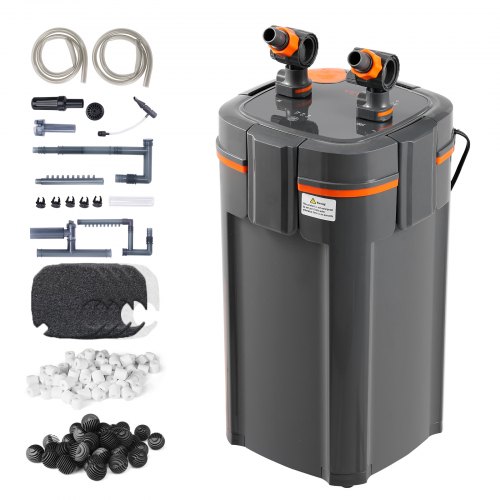
| Canister filter | External unit below tank | More space for media layers |
| Internal filter | Placed inside aquarium | Compact and quiet operation |
| Sponge filter | Air-driven inside tank | Gentle flow for small fish |

Credit: glassboxdiaries.com
Benefits Of Mechanical Filtration
Mechanical filtration removes solid waste from aquarium water. It traps debris like uneaten food and fish waste. This helps keep the water clean and clear.
Using mechanical filtration improves the tank’s environment. It supports the health of fish and plants by reducing harmful particles.
Improved Water Clarity
Mechanical filters trap tiny particles that cloud the water. This makes the aquarium look clear and bright. Clean water shows off the colors of your fish.
Clear water also helps you see any problems early. You can spot sick fish or algae growth faster.
Reduced Maintenance Needs
Mechanical filtration catches waste before it breaks down. This lowers the amount of cleaning your tank needs. Less waste means fewer water changes.
Filters with easy-to-clean media save you time. You only need to rinse or replace the filter parts regularly to keep it working well.
- Traps solid waste to avoid buildup
- Reduces how often you clean the tank
- Simple filter media is easy to maintain
Enhanced Fish Health
Mechanical filtration removes harmful particles from the water. This lowers fish stress and prevents diseases. Clean water helps fish breathe better.
It also reduces harmful bacteria growth by removing food scraps. Healthy fish are more active and live longer in a clean tank.
- Removes waste that can harm fish
- Prevents harmful bacteria buildup
- Supports strong immune systems in fish
Choosing The Right Filter
Choosing the right aquarium filter is important for a healthy tank. Filters keep the water clean and safe for fish. Mechanical filtration removes debris and particles from the water.
There are many filters with mechanical filtration. This guide helps you pick the best one by size, aquarium type, and energy use.
Filter Sizes And Capacities
Filters come in many sizes. You need a filter that matches your aquarium’s volume. A small filter cannot clean a large tank well.
- Check the filter’s flow rate, usually in gallons per hour (GPH)
- Choose a filter rated for at least your tank size
- Consider extra capacity for heavily stocked or messy tanks
- Use larger filters for bigger or more demanding aquariums
Compatibility With Aquarium Types
Not all filters work with every aquarium. Freshwater and saltwater tanks need different care. Some filters fit better in certain tank setups.
| Filter Type | Best For | Notes |
|---|---|---|
| Hang-on-Back | Freshwater, small to medium tanks | Easy to install and maintain |
| Canister | Large freshwater and saltwater tanks | High capacity and quiet operation |
| Sponge | Breeding tanks, small aquariums | Gentle filtration for fry and shrimp |
| Undergravel | Freshwater tanks with gravel substrate | Uses gravel as a filter medium |
Energy Efficiency Considerations
Energy use matters for your electricity bill. Efficient filters save power and run quietly. Look for filters with low wattage but good flow.
Tips for energy-efficient filters:
- Choose filters with adjustable flow rates.
- Look for energy star or eco-friendly models.
- Clean filter media regularly to keep efficiency high.
- Turn off filters during maintenance only, not for long periods.
Maintaining Mechanical Filters
Mechanical filters remove debris and particles from aquarium water. Keeping them clean helps fish stay healthy.
Proper care of these filters improves water flow and prevents damage to the system.
Cleaning Frequency And Techniques
Clean mechanical filters regularly to avoid clogging. The frequency depends on tank size and fish load.
- Rinse filter pads or sponges every 2 weeks.
- Use tank water to clean filter media, not tap water.
- Remove debris gently to avoid damaging the filter material.
- Check water flow after cleaning to ensure proper function.
Replacing Filter Media
Replace filter media when it no longer cleans well or is worn out. Different media last different times.
| Filter Media | Replacement Interval | Notes |
| Foam Pads | Every 3-6 months | Wash before replacing if still intact |
| Filter Floss | Every 1-2 months | Replace more often in dirty tanks |
| Cartridge Filters | Every 1 month | Follow manufacturer instructions |
Troubleshooting Common Issues
Filters may stop working well because of clogs or damage. Look for signs to fix problems quickly.
- Low water flow:Clean or replace clogged media.
- Noisy filter:Check for trapped debris or loose parts.
- Leaks:Inspect seals and connections for damage.
- Filter stops running:Check power supply and motor condition.
Combining Mechanical With Other Filtration
Aquarium filters use different methods to clean water. Mechanical filtration removes solid waste particles. Combining it with other filtration types improves water quality.
Using mechanical filtration with biological and chemical filtration creates a healthier environment for fish and plants.
Biological Filtration Integration
Biological filtration uses beneficial bacteria to break down harmful ammonia and nitrites. Mechanical filtration helps by trapping debris that can block bacterial growth.
- Mechanical filters catch fish waste and uneaten food.
- Clean surfaces allow bacteria to grow better.
- Bacteria convert toxic substances into less harmful ones.
- Combining both keeps water safe for aquatic life.
Chemical Filtration Benefits
Chemical filtration removes dissolved impurities using substances like activated carbon. Mechanical filtration prepares the water by removing particles first.
| Filtration Type | Purpose | Role with Mechanical Filtration |
| Mechanical | Remove solid particles | Prepares water for other filters |
| Biological | Break down toxins | Works better on clean surfaces |
| Chemical | Remove dissolved chemicals | More effective after particle removal |
Creating A Balanced Filtration System
A balanced system uses all three filter types to keep water clear and safe. Mechanical filtration starts the process by trapping debris.
- Trap solid waste with mechanical filters.
- Use biological filters for toxin removal.
- Apply chemical filters to clear dissolved impurities.
- Maintain and clean filters regularly for best results.

Credit: www.reddit.com
Popular Mechanical Filter Brands
Mechanical filters play a crucial role in maintaining a healthy and thriving aquarium environment. They remove debris and waste from the water, ensuring that your fish and other aquatic life stay healthy.
There are many popular mechanical filter brands available on the market, each offering unique features and benefits. Here are some of the top brands to consider:
Top Models For Freshwater Aquariums
For freshwater aquariums, you’ll want a filter that effectively removes debris and waste without over-filtering the water. Here are some top models to consider:
- Fluval C4 Power Filter– A reliable and efficient filter that removes debris and waste from freshwater aquariums.
- Eheim Classic 2217– A popular choice for freshwater aquariums, this filter offers excellent water circulation and debris removal.
- Tetra Tech 20– A compact and easy-to-use filter that’s perfect for small freshwater aquariums.
Best Filters For Saltwater Setups
Saltwater aquariums require more precise water quality management, making the right filter a critical component. Here are some top filters for saltwater setups:
- Red Sea Reefer Skimmer– A high-performance filter designed for saltwater aquariums, offering excellent water circulation and debris removal.
- Ecotech Marine Vortech MP10– A powerful and efficient filter that provides precise water quality control for saltwater aquariums.
- Deltec Skim 1500– A reliable and easy-to-use filter that’s perfect for small saltwater aquariums.
Budget-friendly Options
Not everyone needs a high-end filter, and budget-friendly options can still provide excellent performance. Here are some affordable mechanical filters:
- Aqueon Pro Series– A reliable and easy-to-use filter that’s perfect for small aquariums.
- API 20-Gallon Filter– A compact and affordable filter that’s designed for small aquariums.
- Hagen Submersible Filter– A budget-friendly filter that’s perfect for small aquariums and offers excellent water circulation.
Frequently Asked Questions
What Is Mechanical Filtration In Aquarium Filters?
Mechanical filtration physically removes debris from water using sponges or pads. It traps particles like fish waste, uneaten food, and plant matter. This keeps water clear and prevents clogging in biological and chemical filter media.
How Does Mechanical Filtration Benefit Aquarium Health?
Mechanical filtration improves water clarity and quality by removing solid waste. This prevents harmful buildup of toxins and reduces algae growth. Healthy water conditions promote fish well-being and reduce disease risks.
How Often Should I Clean Mechanical Filter Media?
Clean mechanical filter media every 2 to 4 weeks or when visibly dirty. Rinse it gently in tank water to preserve beneficial bacteria. Avoid harsh cleaning to maintain effective filtration and aquarium balance.
Can Mechanical Filtration Remove Dissolved Toxins?
No, mechanical filtration only traps solid particles. Dissolved toxins require chemical filtration media like activated carbon. Combining mechanical with biological and chemical filtration ensures complete water purification.
Conclusion
Mechanical filtration keeps aquarium water clean and clear. It traps dirt, debris, and waste effectively. This helps fish stay healthy and active. Choosing the right filter improves your tank’s environment. Regular cleaning of the filter maintains its performance. A good mechanical filter supports a balanced aquatic habitat.
Simple tools can make a big difference in water quality. Clean water means happier fish and a beautiful tank. Keep your aquarium fresh with proper mechanical filtration care.