
If you want your betta fish to thrive and show off its vibrant colors, choosing the right food is key. But with so many options out there, it can be confusing to know what’s best for your finned friend.
Are you feeding your betta the nutrients it truly needs? You’ll discover the different types of betta fish food and how each one can impact your pet’s health and happiness. By the end, you’ll feel confident picking the perfect diet to keep your betta lively and beautiful.
Keep reading—your betta’s well-being depends on it!
Betta Fish Diet Basics
Betta fish need a balanced diet to stay healthy and active. Their food should provide the right nutrients in the right amounts.
Knowing what to feed and how often helps keep your betta fish happy and vibrant.
Nutritional Needs
Betta fish require a diet high in protein because they are carnivores. Protein helps with growth and energy.
- Pellets made for bettas are a good protein source.
- Freeze-dried or live foods like bloodworms and brine shrimp add variety.
- Avoid feeding plant-based foods as they do not meet bettas’ needs.
- Include occasional treats but in small amounts to avoid overfeeding.
Feeding Frequency
Feeding your betta fish the right number of times each day is important. Too much food can harm them.
| Age of Betta | Feeding Times Per Day | Amount Per Feeding |
| Young Betta (up to 6 months) | 3 | Small pinch or 2-3 pellets |
| Adult Betta (6 months and older) | 2 | 3-4 pellets |
| Older Betta (over 2 years) | 1-2 | 2-3 pellets |

Credit: www.amazon.com
Pellets For Bettas
Pellets are a popular food choice for betta fish. They provide balanced nutrition in a small, easy-to-feed form.
These pellets float or sink slowly, making it easier for bettas to eat. They come in many types to suit your fish’s needs.
Types Of Pellets
There are several pellet types designed for bettas. Each type supports different health benefits and feeding habits.
- Floating Pellets:These stay on the surface, ideal for bettas who like to eat at the top.
- Sinking Pellets:These sink slowly, good for bettas that prefer food below water.
- Protein-rich Pellets:High in protein to support muscle growth and energy.
- Color-enhancing Pellets:Help improve the bright colors of your betta.
- Vegetable-based Pellets:Contain plant materials for added fiber and digestion.
Benefits Of Pellets
Pellets offer many benefits for betta fish. They provide a simple and balanced diet that is easy to store and use.
Pellets help keep the water clean. They produce less waste than flakes or live food.
- Contain balanced nutrients tailored for bettas
- Easy to measure and control portion sizes
- Less messy, which keeps tanks cleaner
- Long shelf life for convenient storage
- Help maintain bright colors and strong health
Flake Food Options
Flake food is a popular choice for feeding betta fish. It is easy to use and comes in many varieties. Flakes float on the water surface, making it simple for bettas to eat.
These flakes contain a mix of nutrients to keep bettas healthy. Choosing the right flake food helps your fish stay active and colorful.
Best Flake Brands
Several brands make high-quality flake food for bettas. They use ingredients that support growth and vibrant colors. Some flakes also include added vitamins and minerals.
- Brand A offers flakes with protein-rich ingredients.
- Brand B focuses on natural color enhancers.
- Brand C includes probiotics for digestion support.
Pros And Cons
Flake food has many benefits but some drawbacks too. It is convenient and easy to store. Bettas usually enjoy the taste of flakes.
- Pros:Easy to feed, good nutrition, widely available.
- Cons:Can lose nutrients quickly, may pollute water if overfed.
Live Foods
Live foods are natural and healthy for betta fish. They help keep bettas active and strong.
Many betta owners use live foods to provide variety and improve fish health. These foods offer good nutrition.
Common Live Food Choices
Several live foods are popular for bettas. These foods are easy to find and feed.
- Brine shrimp: Small and rich in protein.
- Daphnia: Good for digestion and appetite.
- Bloodworms: Favorite treat, high in nutrients.
- Micro worms: Tiny worms suitable for baby bettas.
- Fruit flies: Natural and easy to catch.
Choose live foods that match your betta’s size and appetite. Freshness is very important.
Feeding Tips
Feed live foods in small amounts to avoid overfeeding. Watch your betta’s reaction closely.
Remove uneaten food to keep the tank clean. Offer live foods two to three times a week.
- Use tweezers or feeding tools for better control.
- Rinse live foods before feeding to remove dirt.
- Mix live foods with flakes or pellets for balance.
- Keep live foods in a healthy condition before use.
Frozen And Freeze-dried Foods
Frozen and freeze-dried foods are popular choices for feeding betta fish. They provide good nutrition and mimic natural diets.
These food types help keep bettas healthy and active. They offer variety beyond flakes and pellets.
Popular Varieties
Frozen foods include bloodworms, brine shrimp, and daphnia. These are rich in protein and easy for bettas to eat.
Freeze-dried options are similar but have water removed. They last longer and are less messy than frozen foods.
- Bloodworms
- Brine shrimp
- Daphnia
- Blackworms
- Micro worms
Preparation And Storage
Frozen foods should be thawed before feeding. Use warm water to speed up thawing and avoid cold shock.
Freeze-dried foods must be soaked in water first. This softens them for easier eating and better digestion.
- Keep frozen foods in the freezer until needed
- Store freeze-dried foods in a cool, dry place
- Use airtight containers to keep foods fresh
- Discard any uneaten food to avoid water pollution

Credit: www.reddit.com
Homemade Betta Food
Betta fish thrive on nutritious diets. Homemade food can be a good option. It allows for fresh ingredients and tailored nutrition.
Making betta food at home can be simple. This approach lets you control quality and variety.
Simple Recipes
Simple recipes for betta food are easy to follow. They often use common ingredients. This makes them convenient and cost-effective.
Boiled peas can be a nice treat. Remove the skin before serving. Boiled egg yolks provide protein.
- Boiled peas, skin removed
- Boiled egg yolks, mashed
- Small pieces of cucumber
Nutritional Balance
Balanced nutrition is crucial for bettas. Their diet should include proteins and vitamins. Homemade food must cover these needs.
Include protein-rich foods like daphnia and brine shrimp. Add vegetables for vitamins. Balance helps with growth and color.
| Protein Sources | Vegetable Sources |
| Daphnia | Spinach |
| Brine Shrimp | Carrot |
Foods To Avoid
Betta fish need specific diets for good health. Not all foods are safe for them.
Some ingredients can harm your Betta fish. It is important to know which foods to avoid.
Harmful Ingredients
Avoid foods with harmful ingredients that can hurt your Betta fish.
- Foods with high-fat content can cause obesity.
- Artificial colors may lead to health issues.
- Preservatives can be toxic to fish.
Signs Of Poor Diet
Watch for signs that your Betta fish is not eating well.
Look for these symptoms:
- Faded colors
- Slow movement
- Refusal to eat
| Symptom | Possible Cause |
| Faded Colors | Poor nutrition |
| Slow Movement | Lack of energy |
| Refusal to Eat | Unhealthy diet |
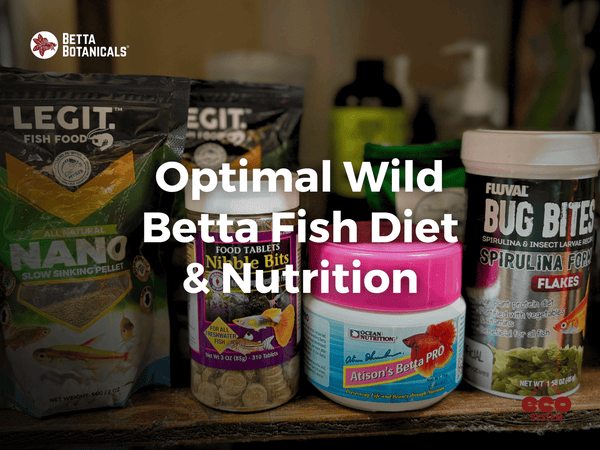
Credit: bettabotanicals.com
Tips For Feeding Success
Feeding your betta fish the right food helps them stay healthy. Choosing the right type of food is only part of the care.
Good feeding habits keep your betta active and bright. Follow simple tips to feed them well every day.
Portion Control
Give your betta small portions of food. Overfeeding can cause health problems and dirty water.
Feed your betta only as much as they can eat in two minutes. This usually means two to three pellets per feeding.
- Feed 1-2 times a day
- Use a feeding spoon or tweezers for accuracy
- Remove leftover food after feeding
Monitoring Health
Watch your betta’s behavior and appearance after feeding. Healthy fish are active and have bright colors.
Check for signs of illness like bloating, lethargy, or faded color. These can mean diet or water issues.
- Observe eating habits daily
- Note changes in swimming or color
- Adjust food type if health issues appear
Frequently Asked Questions
What Are The Best Betta Fish Food Types?
The best betta fish foods include pellets, flakes, frozen, and live foods. Pellets are balanced and convenient. Live and frozen foods like brine shrimp boost nutrition and mimic natural diet. Variety ensures better health and vibrant colors.
How Often Should I Feed My Betta Fish?
Feed your betta fish twice daily in small amounts. Overfeeding causes water pollution and health issues. Offer 2-3 pellets or equivalent per feeding. Remove uneaten food promptly to maintain tank cleanliness.
Can Betta Fish Eat Flakes Or Pellets?
Yes, bettas can eat both flakes and pellets. Pellets are preferred as they contain more protein. Choose high-quality betta-specific pellets for optimal nutrition. Flakes should be given sparingly to avoid water pollution.
Are Live Foods Necessary For Betta Fish?
Live foods are not necessary but highly beneficial. They improve betta’s digestion and stimulate natural hunting behavior. Use live foods like bloodworms or brine shrimp occasionally to enhance diet variety and health.
Conclusion
Choosing the right Betta fish food keeps your pet healthy and happy. Variety helps provide all needed nutrients. Dry pellets and flakes are easy to feed daily. Live or frozen foods add extra protein and excitement. Avoid overfeeding to prevent water problems.
Watch your Betta’s behavior to spot hunger or health issues. Feeding well supports bright colors and strong fins. Remember, simple care leads to a lively Betta fish. Enjoy watching your fish thrive with good food choices.