
If you have a single-species display tank, you know how important it is to keep your fish healthy and your water crystal clear. Choosing the right aquarium filter can make all the difference in creating a perfect environment for your aquatic friends.
But with so many options out there, how do you find the one that fits your tank’s unique needs? You’ll discover exactly what to look for in an aquarium filter designed specifically for single-species tanks. By the end, you’ll feel confident in making the best choice to keep your fish thriving and your tank stunning.
Keep reading to unlock the secrets to a cleaner, healthier aquarium that you and your fish will love.
Choosing The Right Filter
Picking the right filter keeps your single-species tank clean and healthy. It removes waste and keeps water clear for your fish.
Different filters work better depending on tank size and fish type. Choose a filter that fits your tank’s needs.
Filter Types For Single-species Tanks
There are several filter types you can use in your tank. Each has pros and cons based on tank size and fish behavior.
- Hang-on-back filters:Easy to install and maintain, good for small to medium tanks.
- Canister filters:Powerful and quiet, best for larger tanks with heavy bioload.
- Sponge filters:Gentle filtration, great for fry or delicate fish.
- Internal filters:Compact and easy to hide inside the tank.
Filter Size And Capacity
Choosing the right filter size is key. A filter too small will not clean water well. Too large can stress fish with strong currents.
| Tank Size (Gallons) | Recommended Filter Flow Rate (GPH) | Filter Type Suggestion |
| 10 or less | 100 – 150 | Hang-on-back or Sponge |
| 11 – 30 | 200 – 300 | Hang-on-back or Canister |
| 31 – 55 | 350 – 500 | Canister or Internal |
| Over 55 | 600+ | Canister |
Noise Levels And Maintenance
Quiet filters help keep your tank peaceful. Some filters make more noise due to their design or motor.
- Canister filters usually run quietly but need regular cleaning.
- Hang-on-back filters are simple but can be noisy if clogged.
- Sponge filters are silent and easy to clean.
- Internal filters may cause vibrations if not installed well.
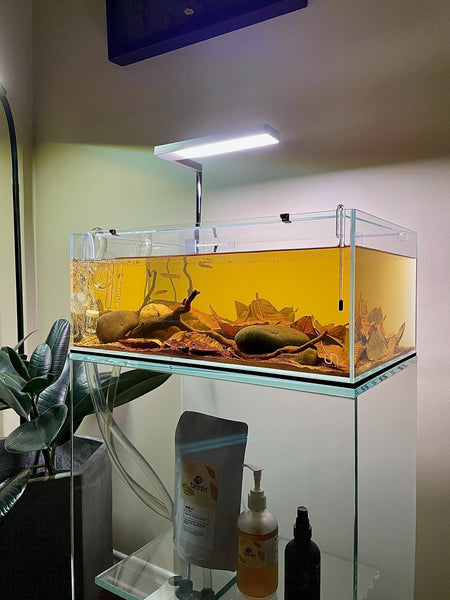
Credit: tanninaquatics.com
Benefits Of Effective Filtration
Good filtration keeps aquarium water clean and clear. It helps create a stable home for fish.
Filters remove waste and harmful substances. This makes the tank safer and healthier for fish.
Water Clarity And Quality
Effective filters remove dirt and particles from water. Clear water lets fish show their true colors.
- Removes floating debris
- Reduces cloudiness
- Keeps water fresh and clean
- Helps balance pH levels
Healthy Environment For Fish
Filters support good bacteria growth. These bacteria break down fish waste and keep water safe.
| Benefit | Effect |
| Ammonia Removal | Prevents fish poisoning |
| Nitrite Breakdown | Reduces toxic chemicals |
| Oxygen Circulation | Improves fish breathing |
| Water Movement | Stops stagnant areas |
Reducing Disease Risks
Clean water lowers chances of fish illness. Filters remove harmful bacteria and waste that cause diseases.
- Reduces harmful germs
- Limits algae growth
- Prevents buildup of toxins
- Supports fish immune health
Mechanical Filtration Options
Mechanical filtration removes solid waste from aquarium water. It keeps water clear and safe for fish. Choosing the right filter helps maintain healthy tanks.
Single-species display tanks need gentle and effective mechanical filtration. This stops debris build-up without stressing fish.
Sponges And Pads
Sponges and pads trap large particles like uneaten food and fish waste. They are easy to clean and reusable. These filters also provide a surface for beneficial bacteria.
Filter Floss And Foam
Filter floss and foam capture finer particles that sponges miss. Foam is porous and allows water to flow while trapping dirt. Floss is soft and catches tiny debris.
- Foam comes in different densities for various filtration needs
- Floss often requires replacement when clogged
- Both materials help improve water clarity
Trap Debris Efficiently
| Filter Media | Particle Size Captured | Maintenance |
|---|---|---|
| Sponges | Large | Rinse weekly |
| Pads | Medium | Replace monthly |
| Foam | Small | Rinse or replace as needed |
| Filter Floss | Very small | Replace regularly |

Credit: spec-tanks.com
Biological Filtration Essentials
Biological filtration is key to keeping single-species tanks healthy. It removes harmful waste using natural bacteria.
This process helps maintain clean water and a stable environment for your fish to thrive.
Beneficial Bacteria Role
Beneficial bacteria break down fish waste and leftover food. They convert toxic ammonia into less harmful substances.
These bacteria mainly turn ammonia into nitrites, then into nitrates. Nitrates are safer and can be removed by water changes.
Media Types For Bacterial Growth
Different filter media support bacterial growth in various ways. Some provide more surface area for bacteria to live.
- Bio balls: offer large surface areas and good water flow
- Ceramic rings: porous and long-lasting for bacteria colonization
- Sponge filters: gentle and good for small tanks
- Foam pads: trap debris and support bacteria
Maintaining Biological Balance
| Action | Purpose | Frequency |
| Clean filter media | Remove excess debris without killing bacteria | Monthly |
| Do partial water changes | Lower nitrate levels and refresh water | Every 1-2 weeks |
| Monitor water parameters | Check ammonia, nitrite, and nitrate levels | Weekly |
| Avoid overfeeding | Reduce waste that bacteria must process | Daily |
Chemical Filtration Choices
Chemical filtration helps keep aquarium water clean and safe for fish. It removes toxins and impurities that other filters may miss. Choosing the right chemical media improves water quality in single-species tanks.
There are several chemical filtration options. Each has different uses and replacement needs. Understanding these helps maintain a healthy aquarium environment.
Activated Carbon Uses
Activated carbon is a popular chemical filter media. It removes odors, discoloration, and harmful chemicals from the water. It works by adsorbing impurities onto its surface.
This media is ideal for clearing cloudy water and removing toxins from medications after treatment. It also helps keep the water clear in tanks with delicate species.
Other Chemical Media
Chemical media other than activated carbon can target specific problems. These include ammonia removers, phosphate removers, and resins that remove heavy metals.
- Zeolite: absorbs ammonia and other nitrogen compounds
- Phosphate remover: reduces algae growth by lowering phosphates
- Ion exchange resins: remove heavy metals and nitrates
- Polymer media: trap organic wastes and toxins
When To Replace Chemical Media
| Media Type | Replacement Frequency | Signs to Replace |
| Activated Carbon | Every 3-4 weeks | Water discoloration returns, odor returns |
| Zeolite | Every 2-3 weeks | Ammonia levels rise, fish show stress |
| Phosphate Remover | Monthly | Algae growth increases, phosphate test rises |
| Ion Exchange Resin | Varies by product | Water test shows heavy metals or nitrates |
Replacing chemical media on time keeps your aquarium water clean and safe. Always follow product instructions for best results.

Credit: www.amazon.com
Installation And Setup Tips
Setting up an aquarium filter is essential for keeping water clean. These tips will help ensure your filter works effectively in single-species tanks.
Proper installation and maintenance keep fish healthy and the tank clear. Follow these steps to achieve optimal results.
Positioning The Filter
The right position for your filter enhances water circulation. Place it where it can effectively pull in water from all parts of the tank.
- Ensure the filter is near a power source.
- Keep it away from heater elements to avoid interference.
- Position it for easy access during maintenance.
Priming And Starting
Priming ensures the filter begins working immediately. Without priming, air might block water flow.
Follow these steps for effective priming:
- Fill the filter with tank water before starting.
- Check all connections for leaks.
- Turn on the filter and monitor water flow.
Regular Maintenance Schedule
Regular maintenance keeps the filter running smoothly. Check the filter media and clean as necessary.
| Task | Frequency |
| Clean filter media | Every 2 weeks |
| Inspect for debris | Weekly |
| Check water flow | Monthly |
Troubleshooting Common Issues
Maintaining a single-species display tank requires attention to the aquarium filter. Filters can face common issues that need fixing.
Understanding these problems helps keep the tank clean and the fish healthy. Let’s explore some common filter issues and how to address them.
Dealing With Clogs
Clogs in aquarium filters often occur due to debris buildup. This can restrict water flow and affect the filter’s efficiency.
- Check the filter media for blockages weekly
- Rinse the filter sponge in tank water to clear debris
- Ensure hoses and tubes are free from obstructions
Filter Noise Problems
Noisy filters can disturb both fish and tank owners. It’s crucial to address noise issues promptly.
Water Flow Adjustments
Proper water flow is essential for a healthy aquarium environment. Adjusting flow rates can resolve many issues.
| Adjustment | Effect |
| Increase flow | Improves oxygenation |
| Decrease flow | Reduces stress for fish |
| Check for blockages | Ensures steady flow |
Upgrading And Customizing Filters
Keeping your aquarium filter updated helps keep water clean. Customizing filters fits the needs of your fish better.
Single-species tanks need special care. Upgrading filters improves water quality and fish health.
Adding Extra Media
Adding more filter media boosts cleaning power. You can add sponge, charcoal, or bio balls.
Extra media helps trap debris and supports good bacteria. This keeps water clear and safe.
- Sponge media traps dirt and protects small fish
- Activated charcoal removes odors and chemicals
- Bio balls grow helpful bacteria for waste breakdown
Combining Filter Types
Using two or more filter types improves cleaning. Mechanical and biological filters work well together.
Combining filters balances water flow and cleaning power. It also reduces maintenance needs.
- Mechanical filters catch large particles
- Biological filters break down fish waste
- Chemical filters remove toxins and impurities
Adapting To Tank Changes
Tank size or fish number changes affect filter needs. Adjust your filter to match these changes.
Stronger filters help larger tanks. Add media or upgrade parts if water flow slows.
- Increase filter size for bigger tanks
- Add more media for heavier fish loads
- Clean or replace parts regularly for best flow
Frequently Asked Questions
What Type Of Filter Suits Single-species Tanks Best?
A hang-on-back or sponge filter is ideal for single-species tanks. They provide gentle filtration and maintain water clarity without stressing the fish.
How Often Should I Clean My Aquarium Filter?
Clean the filter every 2-4 weeks. Regular cleaning prevents clogging and ensures optimal filtration performance, keeping your tank healthy.
Can I Use The Same Filter For Different Fish Species?
It’s best to use filters tailored to each species’ needs. Different species have varying waste levels and water flow preferences.
Does Filter Size Matter For Single-species Tanks?
Yes, filter size should match tank volume. A properly sized filter ensures efficient water circulation and maintains a stable environment.
Conclusion
Choosing the right aquarium filter keeps your tank clean and healthy. It helps remove waste and keeps the water clear. A good filter supports the fish’s well-being and reduces odors. Simple maintenance saves time and effort later. Match the filter size to your tank and fish needs.
Clean water means happy fish and a beautiful tank display. Take time to pick a reliable filter for your single-species tank. Your aquatic pets will thank you with vibrant health and activity.