
If you keep tropical fish, you know how important clean water is for their health and happiness. But treating your aquarium water can feel confusing or overwhelming.
What chemicals should you use? How often should you change the water? And how do you make sure your fish stay safe? This guide will give you simple, clear answers to help you create the perfect environment for your fish.
Keep reading, and you’ll discover easy steps that make water treatment a breeze—so your tropical fish can thrive like never before.

Credit: www.hygger-online.com
Choosing The Right Water Source
Water quality is key for tropical fish health. Using the right water helps fish grow strong.
Many water sources exist. Each has benefits and risks. Learn about tap water, reverse osmosis, and distilled water.
Tap Water Considerations
Tap water is easy to get but may contain chemicals. Chlorine and chloramine are common treatments that harm fish.
Always test tap water for pH, hardness, and toxins. Use water conditioners to remove harmful substances.
- Check local water reports for content details
- Test water regularly with aquarium kits
- Use conditioners to neutralize chlorine and chloramine
- Consider pH and hardness for specific fish needs
Using Reverse Osmosis Water
Reverse osmosis (RO) water is very pure. It removes most chemicals and minerals from water.
RO water is good for sensitive fish. You must add minerals back to keep water balanced.
| Advantage | Disadvantage |
| Removes almost all impurities | Needs mineral replacement |
| Good for delicate species | Cost of RO system |
| Consistent water quality | Requires maintenance |
Distilled Water Pros And Cons
Distilled water is pure like RO water. It comes from boiling and condensing water.
Here are key points about distilled water:
- Free from minerals and chemicals
- Can harm fish if used alone
- Needs re-mineralization before use
- Easy to buy but more expensive
Essential Water Parameters
Water quality is vital for the health of tropical fish. Keeping the water parameters stable helps fish live longer.
Fish need clean water with the right balance of chemicals. Knowing these key water parameters is important for hobbyists.
Ph Levels For Tropical Fish
The pH level shows how acidic or basic the water is. Most tropical fish prefer a pH between 6.5 and 7.5.
Different species need different pH ranges. Sudden changes in pH can stress or harm fish.
- pH below 7 is acidic water
- pH of 7 is neutral water
- pH above 7 is alkaline water
- Keep pH stable to avoid fish stress
Maintaining Proper Hardness
Water hardness measures minerals like calcium and magnesium. It affects fish health and plant growth.
Soft water has low mineral content. Hard water contains more minerals. Tropical fish usually do well in moderately hard water.
| Hardness Level | General Description | Typical Fish Preference |
|---|---|---|
| 0-60 ppm | Soft | Discus, Angelfish |
| 61-120 ppm | Moderate | Guppies, Mollies |
| 121-180 ppm | Hard | Barbs, Tetras |
Controlling Ammonia And Nitrites
Ammonia and nitrites are toxic waste products in fish tanks. They come from fish waste and uneaten food.
High levels of ammonia or nitrites can kill fish quickly. Regular water changes and good filtration keep these chemicals low.
- Ammonia should be 0 ppm
- Nitrites should also be 0 ppm
- Nitrates should be below 20 ppm
- Test water weekly to monitor levels
Water Conditioning Techniques
Water conditioning is vital for keeping tropical fish healthy. It removes harmful substances in tap water.
Proper water treatment helps create a safe environment for your fish to thrive.
Dechlorination Methods
Tap water contains chlorine and chloramine, which harm fish. Removing these chemicals is important.
Boiling water or letting it sit can remove chlorine but not chloramine. Special products work faster.
- Letting water sit for 24-48 hours removes chlorine by evaporation
- Boiling water kills chlorine but not chloramine
- Using chemical dechlorinators removes both chlorine and chloramine instantly
Using Water Conditioners Safely
Water conditioners protect fish by neutralizing harmful chemicals. Use them carefully.
Follow the instructions on the bottle. Overdosing can harm fish and plants.
- Measure water volume accurately before adding conditioner
- Add conditioner to new water before mixing with aquarium water
- Use conditioners that remove toxins but keep beneficial minerals
Removing Heavy Metals
Heavy metals like copper and lead can poison fish. They come from pipes or tap water.
Special water conditioners can bind heavy metals and make them safe for fish.
- Use conditioners that detoxify heavy metals
- Test water for heavy metal levels regularly
- Change water often to reduce metal buildup
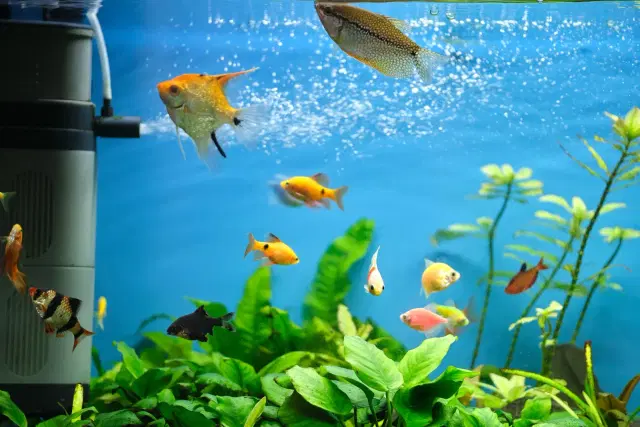
Credit: aquadecorbackgrounds.com
Filtration Systems
Filtration systems keep the water clean and safe for tropical fish. They remove dirt and harmful substances from the tank.
Good filtration helps fish stay healthy by keeping their environment stable and clear.
Mechanical Filtration Basics
Mechanical filtration removes solid particles like uneaten food and fish waste. It traps these particles in filter pads or sponges.
This type of filtration keeps the water clear and prevents debris from harming the fish.
- Uses filter pads, sponges, or floss
- Removes visible dirt and debris
- Needs regular cleaning to work well
Biological Filtration Benefits
Biological filtration uses good bacteria to break down harmful waste. These bacteria turn ammonia into less harmful substances.
This process keeps toxic chemicals low and creates a healthy environment for fish.
- Houses beneficial bacteria
- Converts ammonia to nitrites and nitrates
- Supports fish health and tank balance
Chemical Filtration Options
Chemical filtration removes impurities using materials like activated carbon. It absorbs odors, colors, and toxins from the water.
This filtration helps keep water clear and free from harmful chemicals that mechanical and biological filters miss.
- Uses activated carbon or resins
- Removes odors and discoloration
- Improves water quality quickly
Regular Water Maintenance
Keeping water clean is key for tropical fish health. Regular care helps fish live longer.
Water maintenance prevents diseases and keeps the tank environment stable. This guide covers basic tasks.
Performing Water Changes
Change part of the water weekly to remove waste and toxins. Use a siphon to clean gravel while removing water.
- Turn off electrical equipment to avoid damage.
- Remove 20% to 30% of the tank water using a siphon.
- Clean the gravel gently without disturbing fish too much.
- Replace with fresh, dechlorinated water at the same temperature.
- Turn the equipment back on and monitor the fish.
Cleaning The Tank And Equipment
Clean the tank glass and equipment regularly to prevent algae and dirt buildup. Use safe tools only.
| Item | Cleaning Frequency | Method |
|---|---|---|
| Tank Glass | Weekly | Use algae scraper or magnetic cleaner |
| Filter | Monthly | Rinse with tank water only |
| Decorations | Monthly | Clean with warm water, no soap |
Monitoring Water Quality Over Time
Check water conditions often to keep fish safe. Use test kits to measure key levels.
- Test for ammonia, nitrite, and nitrate weekly.
- Check pH to match your fish’s needs.
- Measure water hardness and temperature regularly.
- Record results to track changes over time.

Credit: www.amazon.com
Troubleshooting Water Issues
Troubleshooting water issues is essential for maintaining the health and well-being of your tropical fish. A stable aquatic environment ensures that your fish thrive and live longer.
Identifying common water problems is the first step in correcting any issues that may arise. This section will guide you through common water problems, their causes, and solutions to maintain a healthy aquarium.
Identifying Common Water Problems
- High Ammonia Levels: High levels of ammonia can be toxic to fish. Causes include overfeeding, poor filtration, or inadequate water changes.
- High Nitrite Levels: Nitrite toxicity can harm fish and even be fatal. Causes include poor filtration, inadequate water changes, or contaminated water.
- High Nitrate Levels: High nitrate levels can lead to algae growth and water quality issues. Causes include overfeeding, poor filtration, or inadequate water changes.
Correcting Ph Fluctuations
A stable pH level is crucial for maintaining the health of your fish. pH fluctuations can be caused by various factors, including water changes, fish waste, or contaminated water.
| pH Level | Causes | Solutions |
|---|---|---|
| Low pH (acidic) | Overfeeding, poor filtration, or contaminated water | Perform water changes, adjust filtration, or use pH buffers |
| High pH (alkaline) | Overwatering, poor filtration, or contaminated water | Perform water changes, adjust filtration, or use pH buffers |
Dealing With Algae Growth
Excessive algae growth can lead to water quality issues and harm your fish. Algae growth can be caused by high nitrate levels, overfeeding, or inadequate filtration.
- Increasing water circulation
- Using algae control products
- Performing regular water changes
- Reducing nutrient levels
Frequently Asked Questions
What Is The Best Water Type For Tropical Fish?
The best water for tropical fish is clean, dechlorinated, and stable. Use tap water treated with a water conditioner to remove chlorine and chloramine. Maintain proper pH and temperature based on your fish species for a healthy environment.
How Often Should I Change Water In A Tropical Fish Tank?
Change 10-20% of the water weekly to keep it clean. Regular water changes remove toxins and maintain water quality. Avoid changing too much at once to prevent stress for your tropical fish.
Why Is Water Conditioning Important For Tropical Fish?
Water conditioning removes harmful chemicals like chlorine and chloramine. It also detoxifies heavy metals and balances pH. Conditioning ensures safe water, reducing fish stress and improving their health and lifespan.
How Do I Test Water Quality For Tropical Fish?
Use aquarium test kits to check pH, ammonia, nitrite, and nitrate levels. Testing regularly helps detect harmful substances early. Maintaining balanced water parameters ensures a healthy habitat for tropical fish.
Conclusion
Clean water keeps tropical fish healthy and happy. Treating water removes harmful chemicals and bacteria. Regular water checks prevent disease and stress. Use safe conditioners and test kits often. Clear water helps fish show bright colors. Healthy fish live longer and swim better.
Good water care supports a beautiful aquarium. Simple steps lead to great fish keeping success. Keep your fish tank fresh and safe daily. Enjoy the calm and beauty of clean water.