
Keeping your aquarium clean and healthy can feel overwhelming, but it doesn’t have to be. Imagine spending just a few minutes each week to ensure your fish thrive and your tank stays sparkling.
With the right routine, you can avoid common problems like cloudy water, algae buildup, and sick fish. This weekly aquarium maintenance checklist is designed to guide you step-by-step, making your life easier and your aquarium a beautiful, stress-free space. Ready to take control of your tank’s health?
Let’s dive in!
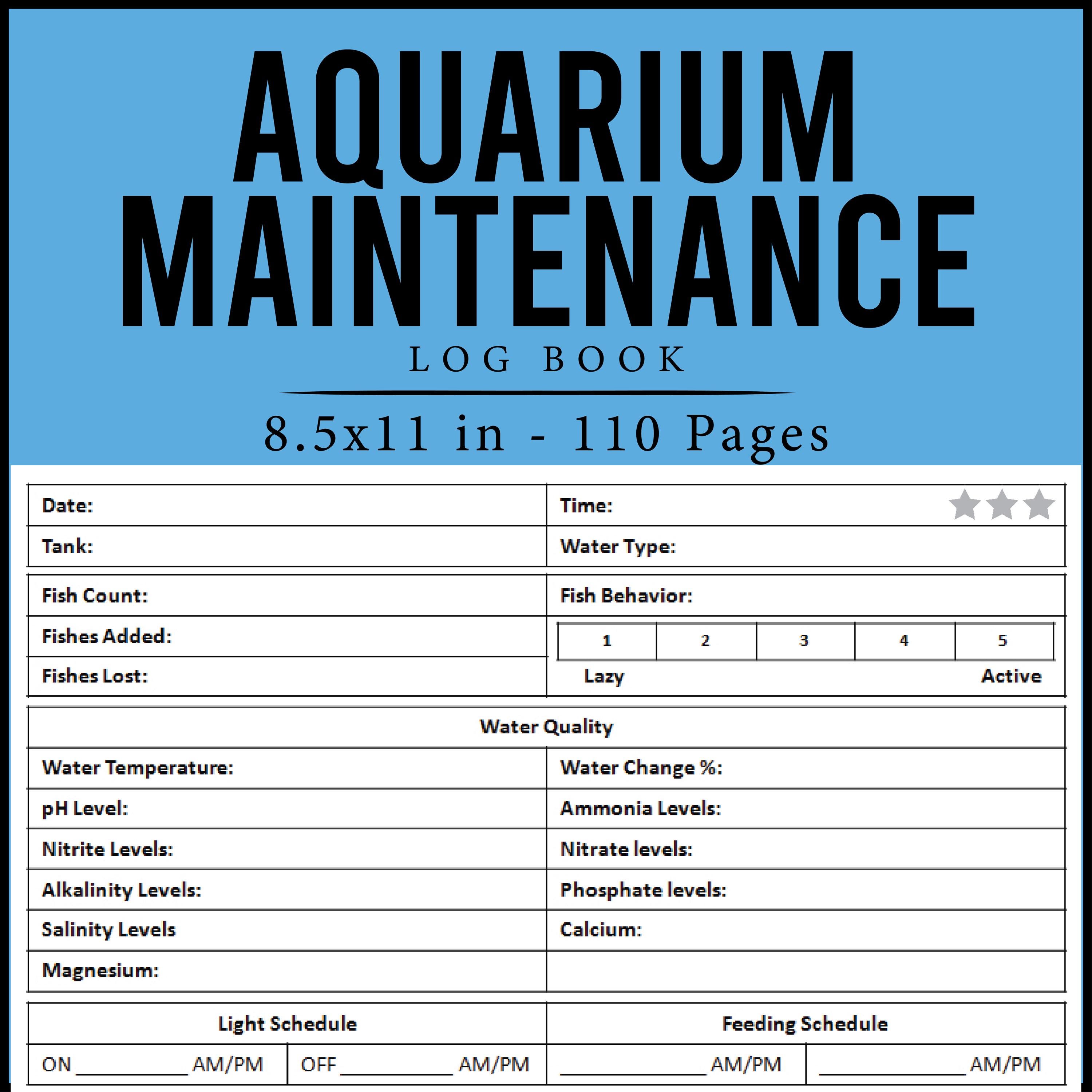
Credit: www.etsy.com
Tank Cleaning Basics
Keeping your aquarium clean helps fish stay healthy. Regular cleaning prevents harmful buildup inside the tank.
Focus on removing algae, cleaning decorations, and vacuuming gravel each week to keep the water clear.
Removing Algae
Algae can grow fast on the glass and decorations. Use an algae scraper or pad to gently clean surfaces.
- Scrape the inside glass walls carefully
- Remove algae from decorations with a soft brush
- Do not use soap or chemicals to clean algae
- Keep light exposure limited to reduce algae growth
Cleaning Decorations
Decorations collect dirt and waste over time. Clean them to keep the tank looking good and healthy.
Follow these tips to clean decorations safely:
- Remove decorations from the tank
- Use warm water and a soft brush to scrub away debris
- Avoid using soap or detergents
- Rinse decorations well before placing them back
Gravel Vacuuming
Gravel traps fish waste and uneaten food. Vacuuming removes these to keep water clean.
| How to Vacuum Gravel | Tips |
|---|---|
| Use a gravel vacuum siphon | Start with small sections to avoid stressing fish |
| Push vacuum gently into gravel | Lift debris without removing too much water |
| Repeat until gravel looks clean | Do weekly to maintain water quality |
Credit: www.etsy.com
Water Quality Checks
Keeping the water clean is very important for your aquarium. Good water quality helps fish stay healthy and active.
Regular checks make sure the water stays safe and balanced. This prevents problems before they start.
Testing Ph Levels
pH measures how acidic or basic the water is. Fish need the right pH to live well.
Test the pH level weekly using a test kit or strips. Keep the pH stable for your fish type.
- Use a fresh test kit for accurate results
- Record pH levels each week
- Adjust water with pH up or down products if needed
Monitoring Ammonia And Nitrites
Ammonia and nitrites are harmful chemicals in aquarium water. They come from fish waste and leftover food.
Test these levels weekly. High amounts can hurt or kill fish quickly.
- Use test kits designed for ammonia and nitrites
- Keep ammonia and nitrites at zero or very low levels
- Do water changes if levels rise to protect fish
Water Temperature Control
Fish need water at the right temperature to stay healthy. Too hot or cold water can stress fish.
Check the temperature every week with a reliable thermometer. Keep it steady for your fish species.
- Use a good aquarium thermometer
- Adjust heater or cooling if temperature changes
- Record temperature readings weekly
Filter Maintenance
Maintaining your aquarium filter keeps water clean and fish healthy. Regular care helps the filter work well and last longer.
This checklist covers cleaning filter media, replacing parts, and checking water flow.
Cleaning Filter Media
Filter media traps dirt and debris. Clean it carefully to avoid killing helpful bacteria.
- Rinse media in tank water, not tap water
- Use a bucket to collect tank water for rinsing
- Gently squeeze or swish the media to remove debris
- Do not clean all media at once to keep bacteria alive
Replacing Filter Components
Some filter parts wear out and need replacing. Check these items regularly.
| Component | Replacement Frequency | Signs to Replace |
| Filter Cartridge | Every 4-6 weeks | Clogged or torn |
| Carbon Media | Every 3-4 weeks | Foul odor or poor water clarity |
| Sponges | Every 2-3 months | Damaged or very dirty |
| Impeller | Every 6 months | Noise or reduced flow |
Ensuring Proper Flow
Good water flow keeps the tank clean and oxygenated. Check flow every week.
- Look for weak or uneven water movement
- Clean the intake and outflow tubes
- Remove any blockages or buildup
- Listen for unusual noises from the filter
- Adjust flow settings if your filter has them
Credit: www.etsy.com
Fish Health Monitoring
Keeping your fish healthy is key to a happy aquarium. Weekly checks help catch problems early.
Watch your fish closely to spot any changes in behavior or health. This helps prevent serious illness.
Observing Behavior
Look at how your fish swim and interact. Healthy fish swim actively and eat well.
Signs of stress include hiding, lethargy, or rapid breathing. Note any unusual actions.
- Swimming erratically or staying at the surface
- Loss of appetite or spitting out food
- Isolation from other fish
- Clamped fins or rubbing against objects
Checking For Signs Of Illness
Inspect your fish for visible signs of disease. Look closely at their skin, fins, and eyes.
Common signs include white spots, redness, or torn fins. Early detection helps quick treatment.
- White or fuzzy patches on the body
- Red or inflamed areas
- Swollen belly or bloating
- Cloudy or bulging eyes
- Frayed or discolored fins
Quarantine Procedures
Isolate new or sick fish in a separate tank. This stops diseases from spreading.
Keep the quarantine tank clean and monitor fish daily. Use this tank for at least two weeks.
- Set up a tank with proper filtration and heating
- Observe fish for any signs of illness
- Treat sick fish separately from the main tank
- Do not add quarantined fish until fully healthy
Feeding Routine
Feeding your fish is a key part of weekly aquarium care. A good feeding routine keeps fish healthy and active.
Feeding too much or too little can harm your aquarium’s balance. Follow simple steps to feed your fish properly.
Proper Feeding Amounts
Give your fish only what they can eat in 2 to 3 minutes. Feeding small amounts prevents waste and water pollution.
Feed your fish once or twice a day. Adjust the amount based on their size and species.
- Small fish need less food than big fish
- Young fish eat more often than adults
- Remove leftover food after feeding time
Choosing The Right Food
Pick food that matches your fish type. Different fish need different nutrients to stay healthy.
Use a mix of flakes, pellets, and frozen food. This gives your fish a balanced diet and keeps them interested.
- Flakes suit small or surface feeders
- Pellets are good for bottom feeders
- Frozen food adds variety and nutrition
Avoiding Overfeeding
Overfeeding causes poor water quality and fish health issues. Avoid giving extra food just in case.
Watch your fish during feeding. Stop feeding if they stop eating or food remains uneaten.
- Feed measured portions to control intake
- Use a timer or reminder for feeding times
- Clean leftover food after feeding
Plant Care Tips
Regular maintenance is crucial for the health and beauty of your aquarium plants. Neglecting their needs can lead to poor growth, discoloration, or even plant death.
Trimming Dead Leaves
Remove dead or dying leaves to prevent decay and promote healthy growth. Trimming also helps maintain the plant’s appearance and encourages new growth.
- Inspect plants regularly for dead or dying leaves.
- Use a pair of clean scissors or pruning shears to trim affected leaves.
- Make clean cuts just above a node to prevent spreading disease.
Fertilizing Plants
Fertilizing your aquarium plants provides essential nutrients for growth and development. Use a balanced fertilizer specifically designed for aquarium plants.
| Fertilizer Type | Frequency |
| Root tabs | Every 1-2 weeks |
| Water column fertilizers | Every 1-2 weeks |
Managing Light Exposure
Aquarium plants require adequate light to photosynthesize and grow. Adjust light exposure to meet the needs of your plants.
Most aquarium plants require 10-14 hours of light per day. Use a timer to ensure consistent light exposure.
Remember to monitor your plants’ response to light exposure and adjust as necessary.
Weekly Maintenance Schedule
Regular aquarium maintenance is crucial for the health and well-being of your aquatic friends. A weekly maintenance schedule helps prevent water quality issues and ensures a thriving environment.
Daily Tasks
These daily tasks help maintain a clean and healthy environment for your aquatic pets.
- Monitor water temperature and make adjustments as needed
- Check water level and top off as necessary
- Feed your fish the recommended amount
- Observe fish behavior and report any unusual activity
Weekly Tasks
These weekly tasks help maintain water quality and prevent the buildup of toxins.
| Task | Frequency |
|---|---|
| Change 10-15% of aquarium water | Weekly |
| Perform partial water changes | Weekly |
| Check and replace worn-out filter media | Weekly |
Monthly Tasks
These monthly tasks help maintain a balanced and healthy aquarium environment.
- Perform a 25-50% water change
- Check and clean the aquarium gravel
- Inspect and replace worn-out equipment
Remember to always follow proper safety protocols when handling aquarium equipment and chemicals.
Frequently Asked Questions
How Often Should I Clean My Aquarium Weekly?
Clean your aquarium once a week to maintain water quality. Remove algae, vacuum substrate, and change 10-20% of the water. Regular cleaning prevents toxin buildup and keeps fish healthy.
What Items Are Essential For Weekly Aquarium Maintenance?
Essential items include a gravel vacuum, algae scraper, water conditioner, water test kit, and bucket. These tools help clean, test water parameters, and maintain a safe environment for your fish.
Why Is Water Testing Important Every Week?
Weekly water testing detects harmful changes in pH, ammonia, nitrite, and nitrate levels. Early detection helps prevent fish stress and disease by allowing timely adjustments and water changes.
How Much Water Should I Change During Weekly Maintenance?
Change 10-20% of the aquarium water weekly. This helps remove waste and toxins without stressing the fish. Always use dechlorinated water matching tank temperature for refills.
Conclusion
Keeping your aquarium clean helps fish stay healthy and happy. A weekly checklist makes maintenance simple and clear. Regular tasks prevent problems and save time later. Clear water and a safe tank create a nice view. Stick to your routine, and your aquarium will thrive.
Small efforts each week bring big rewards. Enjoy watching your fish swim in a fresh, clean home. Consistency is key. Make maintenance a habit for lasting success.