
Are you struggling to keep your fish healthy and happy? Feeding them the right way can make all the difference.
Flake food is a popular choice, but do you know how to use it properly? You’ll discover simple, effective tips to get the most out of flake food. By following these easy steps, you’ll see your fish thrive like never before.
Keep reading to unlock the secrets that every fish owner needs to know!
Credit: www.walmart.ca
Choosing The Right Flake Food
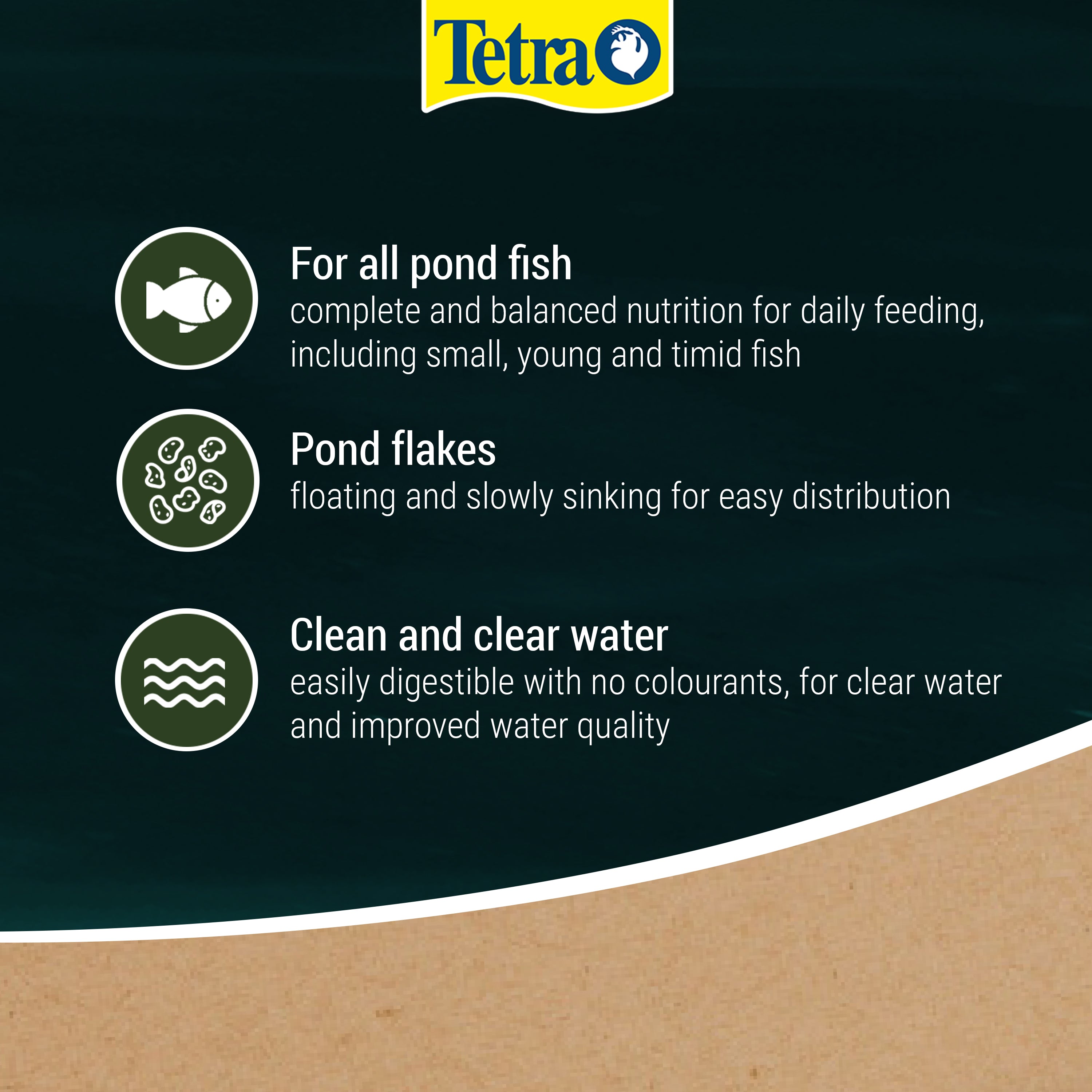
Choosing the right flake food helps keep your fish healthy. Different fish need different nutrients. Picking the right food is important for their growth and color.
Flake food comes in many types. Each type suits certain fish better. Learn about your fish’s needs before buying food.
Types Of Flake Food
Flake food varies by ingredients and purpose. Some flakes focus on color, others on growth or health. Choose flakes based on your fish’s species and diet.
- Basic flakes: for everyday feeding, balanced nutrition
- Color-enhancing flakes: boost fish colors with added pigments
- Protein-rich flakes: for carnivorous or young fish needing growth
- Vegetable flakes: for herbivorous fish needing plant nutrients
- Specialty flakes: contain vitamins or medicine for specific needs
Nutritional Needs Of Different Fish
Each fish species has unique nutritional needs. Some need more protein, while others need more fiber or vitamins. Feeding the right nutrients helps fish stay active and live longer.
| Fish Type | Protein Needs | Special Nutrients |
| Carnivores | High (40%+) | Animal protein, fats |
| Herbivores | Low to Medium (20-30%) | Plant fiber, vitamins |
| Omnivores | Medium (30-40%) | Balanced mix of protein and plants |
| Juvenile Fish | High | Extra protein and minerals |
Reading Ingredient Labels
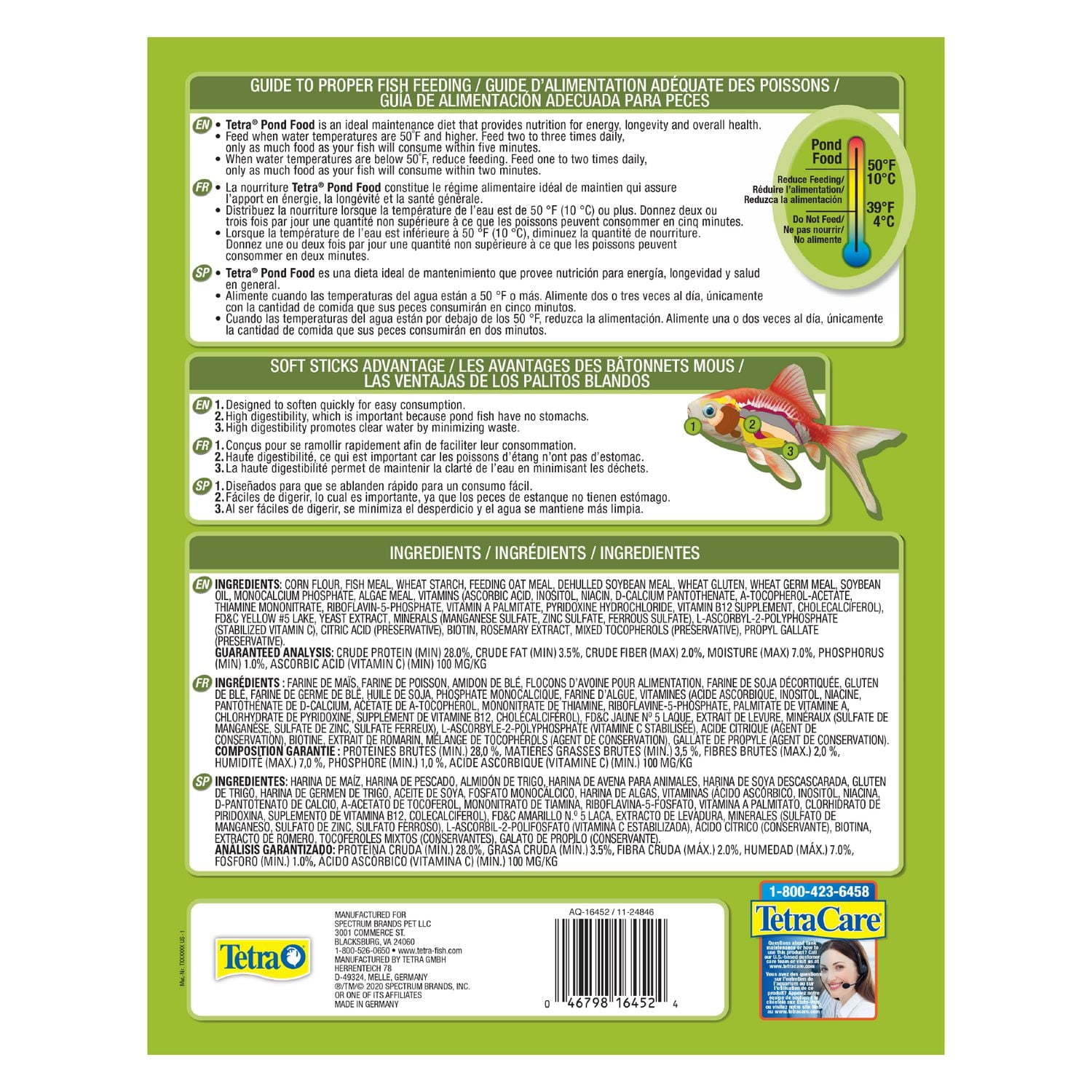
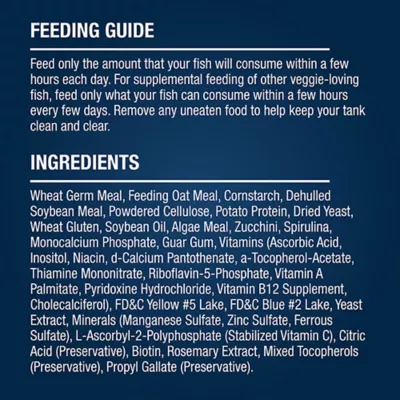
Ingredient labels tell you what is in the flake food. Look for quality ingredients first. Avoid flakes with too many fillers or artificial colors.
- Check for protein source like fish meal or shrimp
- Avoid unknown fillers or too much corn and wheat
- Look for added vitamins and minerals
- Beware of artificial dyes and preservatives
- Choose flakes with natural ingredients for better health
Proper Feeding Techniques
Feeding your fish the right way helps keep them healthy. Proper feeding prevents waste and keeps the water clean. You should know how much to feed and how often.
Following good feeding habits will avoid problems like overfeeding. This guide covers important tips for feeding your fish flakes correctly.
How Much To Feed
Give your fish only what they can eat in a few minutes. Too much food will pollute the water. Feed small amounts to match their size and number.
- Feed an amount equal to the size of your fish’s eye
- Offer food in small portions
- Remove leftover flakes after feeding
Frequency Of Feeding
Feed your fish one to two times a day. Young fish may need three small meals. Do not feed at night because fish eat less then.
| Fish Age | Feeding Frequency |
| Fry (baby fish) | 3 times per day |
| Juvenile | 2 times per day |
| Adult | 1 to 2 times per day |
Avoiding Overfeeding
Overfeeding causes water problems and fish health issues. Watch your fish while feeding. Stop if they stop eating or waste food remains.
Tips to avoid overfeeding:
- Feed only what fish eat in 2-3 minutes
- Use a feeding ring to keep flakes together
- Observe fish behavior after feeding
- Clean leftover food daily
Enhancing Flake Food Appeal
Flake food is a popular choice for many fish owners. Making it more appealing helps fish eat better and stay healthy.
There are simple ways to improve flake food’s look and taste for your fish. These tips can encourage picky eaters.
Soaking Flakes Before Feeding
Soaking flakes in water softens them and releases more smell. This makes the food easier to eat and more attractive.
Use tank water for soaking to keep water quality stable. Soak flakes for about one minute before feeding.
- Soft flakes are easier for small fish to chew
- Soaking helps flakes sink slowly for bottom feeders
- Reduces dust that can cloud the tank water
Mixing With Supplements
Adding supplements to flake food can boost nutrition and flavor. This keeps fish interested and healthy.
Mix powder vitamins or liquid supplements with flakes before feeding. Stir well so fish get all benefits.
- Vitamin supplements improve fish immune systems
- Fatty acids support bright colors and growth
- Minerals help with bone and scale health
Using Live Or Frozen Food Additions
Adding live or frozen foods makes flake meals more exciting. Fish enjoy the variety and natural taste.
Feed small amounts of brine shrimp, bloodworms, or daphnia with flakes. This mix keeps fish active and happy.
- Live foods increase feeding response
- Frozen foods add protein and nutrients
- Variety reduces boredom and improves health
Credit: warehouse-aquatics.co.uk
Maintaining Water Quality
Keeping aquarium water clean is important for fish health. Dirty water can cause stress and illness.
Proper feeding habits help maintain good water quality. Let’s look at some tips for feeding flake food.
Impact Of Uneaten Flakes
Uneaten flakes sink to the tank bottom and start to decay. This decay releases harmful chemicals in the water.
- Cloudy water due to excess waste
- Increase in harmful ammonia and nitrites
- Growth of algae and bacteria
- Stress and health problems for fish
Cleaning Tips Post-feeding
Cleaning after feeding helps keep water clear and safe. Remove leftover flakes and debris regularly.
| Cleaning Task | Frequency | Tools Needed |
| Remove uneaten flakes | Daily | Fish net or siphon |
| Gravel vacuuming | Weekly | Gravel vacuum |
| Water change | Biweekly | Bucket, water conditioner |
Balancing Feeding And Filtration
Good filtration supports water quality but must match feeding levels. Overfeeding overloads filters.
Tips to balance feeding and filtration:
- Feed small amounts that fish eat quickly
- Use a filter rated for your tank size
- Clean or replace filter media regularly
- Monitor water parameters often
Special Tips For Different Fish Species
Feeding your fish the right way helps keep them healthy and active. Different fish need different care. Their diets depend on their species and environment.
Knowing what to feed each type of fish makes a big difference. This guide covers tips for tropical fish, coldwater fish, and bottom dwellers.
Feeding Tropical Fish
Tropical fish enjoy a varied diet that includes flakes, pellets, and live food. They need food rich in protein to support their bright colors and energy.
- Feed small amounts 2 to 3 times a day
- Use high-quality flake food designed for tropical species
- Include occasional live or frozen foods like brine shrimp
- Remove uneaten food after 5 minutes to keep water clean
Feeding Coldwater Fish
Coldwater fish such as goldfish digest food slower. They need less frequent feeding but still require a balanced diet.
| Fish Species | Feeding Frequency | Recommended Food |
| Goldfish | Once or twice daily | Pellets, flakes, vegetables |
| Koi | Once daily | Pellets, grains, fresh greens |
| White Cloud Minnow | Two to three times daily | Flakes, small live foods |
Tips For Bottom Dwellers
Bottom dwellers like catfish and loaches eat food that sinks. They need special flakes or pellets that reach the tank floor.
Here are some feeding tips for bottom dwellers:
- Use sinking pellets or wafers designed for bottom feeders.
- Feed once or twice daily in the evening, when they are most active.
- Include fresh vegetables like zucchini or cucumber slices.
- Observe their eating habits to avoid overfeeding and water pollution.
Recognizing Healthy Feeding Habits
Flake food is a common choice for feeding aquarium fish. It is important to recognize healthy feeding habits to ensure fish stay happy and vibrant.
Feeding habits can give insight into the overall health of your fish. Observing these habits helps in maintaining a healthy aquarium environment.
Signs Of Good Appetite
Fish should actively seek food when it is added to the tank. They should swim to the surface or area where food is present.
Healthy fish consume flake food quickly without hesitating. They finish their meal within a few minutes.
- Fish eagerly approach food
- Meal is consumed in minutes
- No leftover flakes in water
Monitoring Fish Behavior
Observe fish behavior during feeding times. Watch for any changes that may indicate stress or illness.
Pay attention to fish that isolate themselves or show aggression. These behaviors may need attention.
- Check for changes in swimming patterns
- Note any unusual hiding
- Watch for signs of aggression
Adjusting Diet Based On Health
Adjust the diet if fish show signs of poor health. Consider adding variety or supplements to their meals.
Consult a vet if fish continue to show poor appetite or unusual behavior despite diet changes.
| Condition | Diet Adjustment |
| Loss of Appetite | Introduce live food |
| Color Fading | Add vitamin supplements |
Credit: www.petsmart.ca
Frequently Asked Questions
How Often Should I Feed My Fish Flake Food?
Feed small amounts of flake food 1-2 times daily. Only give what fish can eat within 2 minutes to avoid overfeeding and water pollution.
Can Flake Food Meet All My Fish’s Nutritional Needs?
High-quality flake food provides balanced nutrition for most tropical fish. Supplement with occasional treats like frozen or live food for variety.
What Is The Best Way To Store Flake Food?
Store flake food in a cool, dry place away from sunlight. Keep it sealed tightly to maintain freshness and prevent mold growth.
How Much Flake Food Should I Give Per Feeding?
Offer only a pinch or flakes equal to fish’s mouth size. Avoid excess food, as uneaten flakes can harm water quality.
Conclusion
Feeding flake food can keep fish healthy and happy. Feed small amounts often to avoid waste. Watch your fish eat to prevent overfeeding. Store flakes in a cool, dry place for freshness. Clean the tank regularly to maintain water quality.
Simple steps like these help your fish thrive. Enjoy watching your colorful fish grow strong. Consistent care makes a big difference. Keep learning and adjusting as your fish change. Flake food feeding can be easy and rewarding.