
If you have a planted aquarium, you know how important it is to keep your water healthy for both your plants and fish. Using the right aquarium water conditioner can make all the difference in creating a vibrant, thriving tank.
But with so many options out there, how do you choose the best one for your planted setup? You’ll discover exactly what to look for in a water conditioner, how it benefits your plants and aquatic life, and tips to keep your tank crystal clear and full of life.
Keep reading to unlock the secrets to a stunning planted aquarium that you’ll be proud to show off.

Credit: www.amazon.com
Why Use Water Conditioner In Planted Tanks
Water conditioner helps keep planted tanks safe and healthy. It prepares tap water for fish and plants.
Using water conditioner improves the overall environment inside the aquarium. It supports both plants and fish growth.
Protecting Fish And Plants
Water conditioner removes harmful chlorine and chloramine from tap water. These chemicals can harm fish and plants.
- Neutralizes chlorine and chloramine
- Reduces stress for fish
- Prevents leaf damage in plants
- Improves gill function in fish
Removing Harmful Chemicals
Tap water contains metals and chemicals that hurt your tank’s life. Water conditioner makes the water safe.
| Chemical | Effect on Tank |
| Chlorine | Harms fish gills and plants |
| Chloramine | Toxic to fish and plants |
| Heavy Metals | Damage fish organs and roots |
Improving Water Quality
Water conditioner helps balance pH and hardness. This keeps the tank water stable and clear.
- Reduces water cloudiness
- Balances minerals for plant health
- Supports beneficial bacteria growth
- Prevents buildup of toxins
Types Of Water Conditioners
Aquarium water conditioners help keep water safe for plants and fish. They remove harmful chemicals and support a healthy environment. Using the right conditioner is important for planted tanks.
There are several types of water conditioners. Each type has a special role in making water clean and healthy.
Dechlorinators And Dechloraminators
These conditioners remove chlorine and chloramine from tap water. Both chemicals can harm fish and plants. Dechlorinators neutralize chlorine quickly. Dechloraminators work on chloramine, which is harder to remove.
Many products combine both functions. They make water safe by breaking down harmful chemicals.
Heavy Metal Neutralizers
Heavy metals like copper and lead can enter tap water. These metals are toxic to fish and plants. Heavy metal neutralizers bind to these metals. This stops metals from causing damage.
- Bind harmful metals
- Prevent metal poisoning
- Protect fish and plants
- Make water safer
Beneficial Bacteria Boosters
These conditioners add good bacteria to the tank. Good bacteria help break down waste. They reduce harmful ammonia and nitrite levels. This keeps the tank clean and healthy for plants and fish.
| Benefit | How It Helps |
| Breaks down waste | Converts ammonia to less harmful substances |
| Improves water quality | Reduces toxins in the tank |
| Supports plant health | Creates a balanced environment |
Choosing The Right Conditioner
Keeping a planted aquarium healthy needs careful water care. A good water conditioner protects both plants and fish.
Picking the right conditioner helps keep your tank balanced and safe for all life inside.
Compatibility With Plants And Fish
Not all water conditioners work well with every plant or fish type. Some chemicals harm sensitive species or slow plant growth.
- Check if the conditioner is safe for your fish species
- Make sure it does not contain copper or harsh chemicals
- Choose a formula that supports plant health
- Look for products tested in planted tanks
Natural And Safe Ingredients
Natural ingredients reduce stress on fish and help plants thrive. Avoid conditioners with strong synthetic chemicals.
| Ingredient Type | Benefits | Common Sources |
| Humic substances | Enhance plant growth | Peat, leaf litter |
| Vitamin B complex | Supports fish metabolism | Yeast extracts |
| Plant extracts | Natural detoxification | Aloe vera, chamomile |
| Safe chelators | Remove heavy metals | EDTA alternatives |
Effectiveness And Reviews
Check reviews from planted tank hobbyists. Effectiveness varies by water type and tank setup.
- Look for conditioners that remove chlorine and chloramine fast
- Products that detoxify ammonia and heavy metals rank high
- Choose conditioners with consistent positive feedback
- Consider ease of use and dosage instructions
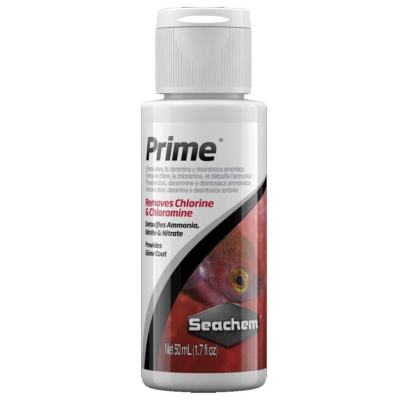
Credit: www.ebay.ca
How To Use Water Conditioner Correctly
Water conditioner is important for keeping planted tanks safe and healthy. It removes harmful chemicals from tap water.
Using the conditioner the right way helps your plants and fish thrive. Follow simple steps to apply it properly.
Dosage Guidelines
Always check the label on your water conditioner bottle for correct dosage. The amount depends on your tank size.
Use a measuring cup or dropper to add the right dose. Too much can harm plants and fish.
- Measure your tank’s water volume accurately
- Use the exact amount of conditioner recommended
- Adjust dose if you do partial water changes
When To Apply Conditioner
Apply water conditioner before adding water to the tank. This removes chlorine and chloramine safely.
Use it during each water change. Also apply when adding new water after evaporation or topping off.
- Before filling the tank with tap water
- During all partial water changes
- When topping off evaporated water
Mixing And Application Tips
Mix the conditioner with tap water in a separate container. Stir gently for even distribution.
Pour the conditioned water slowly into the tank. Avoid disturbing plants and fish too much.
- Use a clean container for mixing
- Stir water after adding conditioner
- Pour water slowly into the tank
- Do not add conditioner directly to the tank without mixing
Common Mistakes To Avoid
Using an aquarium water conditioner for planted tanks needs care. Some mistakes can harm your plants and fish. Avoiding these errors keeps your tank healthy.
This guide covers common mistakes like overdosing conditioner, ignoring water parameters, and using the wrong products.
Overdosing Conditioner
Adding too much conditioner can upset your tank’s balance. It may harm plants and fish instead of helping.
- Follow the instructions on the bottle exactly.
- Measure the water volume before dosing.
- Use a dropper or syringe for accuracy.
- Do not add extra doses unless testing shows it is needed.
Ignoring Water Parameters
Water conditions affect how conditioners work. Ignoring pH, hardness, and ammonia levels can cause problems.
| Parameter | Ideal Range for Planted Tanks | Effect of Ignoring |
| pH | 6.5 – 7.5 | Plants may suffer and conditioner may not work well |
| Hardness (GH) | 3 – 8 dGH | Mineral imbalance can stress fish and plants |
| Ammonia | 0 ppm | High ammonia is toxic and conditioner might not detoxify fully |
Using The Wrong Products
Not all conditioners suit planted tanks. Some contain chemicals harmful to plants or beneficial bacteria.
- Remove chlorine and chloramine safely
- Do not contain heavy metals
- Support beneficial bacteria
- Are labeled safe for planted tanks
Benefits Of Conditioned Water For Planted Tanks
Conditioned water is vital for the health of plants and fish in your aquarium. It removes harmful substances like chlorine and heavy metals.
Using a water conditioner ensures a safe and thriving environment for both plants and aquatic creatures.
Promoting Healthy Plant Growth
Plants need clean water to absorb nutrients effectively. Conditioned water helps them grow lush and vibrant.
- Improves nutrient uptake
- Prevents leaf discoloration
- Encourages root development
Enhancing Fish Health And Behavior
Fish thrive in water free from toxins. Conditioned water boosts their health and makes them more active.
| Benefit | Effect on Fish |
| Removes Chlorine | Prevents gill damage |
| Neutralizes Metals | Reduces stress |
| Balances pH | Improves behavior |
Reducing Algae Growth
Algae can overgrow and harm plants and fish. Conditioned water helps keep algae in check.
Maintaining A Balanced Planted Aquarium
An aquarium water conditioner is crucial for healthy plants. It keeps the water safe and clean. Proper care helps plants grow well.
To keep a balanced aquarium, several steps are important. Regular testing, good filtration, and routine water changes are key.
Regular Water Testing
Testing the water often helps maintain balance. It checks for harmful substances. Regular tests keep plants healthy.
Test kits are easy to use. They measure pH, ammonia, and nitrates. These levels affect plant growth.
- pH level should be between 6.5 and 7.5
- Ammonia levels must be zero
- Nitrates should stay below 20 ppm
Proper Filtration And Aeration
Good filtration removes waste and toxins. It keeps water clean for plants. Aeration adds oxygen, which plants need.
Filters come in different types. Choose one based on tank size. Regular cleaning ensures the filter works well.
- Use sponge filters for small tanks
- Canister filters are good for large tanks
- Check and clean filters monthly
Routine Water Changes
Changing water regularly is important. It removes dirt and adds fresh nutrients. This helps plants thrive.
Change a portion of the water weekly. This keeps the environment stable. Use a water conditioner to treat new water.
- Change 20-30% of the water each week
- Use a siphon to remove old water
- Add a water conditioner to new water

Credit: www.amazon.com
Frequently Asked Questions
What Is Aquarium Water Conditioner For Planted Tanks?
Aquarium water conditioner neutralizes harmful chemicals in tap water. It makes water safe for plants and fish. Conditioners remove chlorine, chloramine, and heavy metals, protecting delicate plant roots and aquatic life in planted tanks.
How Does Water Conditioner Benefit Planted Aquariums?
Water conditioners improve water quality by detoxifying harmful substances. They prevent plant damage and fish stress. Conditioners support healthy plant growth and vibrant aquatic ecosystems, ensuring a balanced environment in planted tanks.
Can Water Conditioners Harm Aquarium Plants?
Properly formulated conditioners are safe for aquarium plants. Avoid products with additives harmful to plants. Use conditioners specifically designed for planted tanks to protect both flora and fauna.
When Should I Add Water Conditioner To My Aquarium?
Add water conditioner during water changes and tank setup. Treat tap water before introducing it to the tank. This ensures immediate removal of toxins, maintaining a safe habitat for plants and fish.
Conclusion
Using a good aquarium water conditioner helps keep your planted tank healthy. It removes harmful chemicals and makes water safe for plants and fish. Clean water supports plant growth and keeps fish happy. Regular use prevents stress and diseases in your tank.
Choose a conditioner that works well with live plants. Healthy water means a beautiful, thriving aquarium. Simple steps lead to great results. Your plants and fish will thank you.