
If you’re serious about keeping your aquarium healthy and vibrant, choosing the right filter is a game changer. An advanced aquarium filter doesn’t just clean the water—it creates the perfect environment for your fish to thrive.
You want clear water, balanced conditions, and less maintenance. But with so many options out there, how do you pick the best one for your setup? This guide is designed to help you find the ideal aquarium filter that meets your needs and takes your tank to the next level.
Keep reading, and discover how the right filter can transform your aquarium experience.
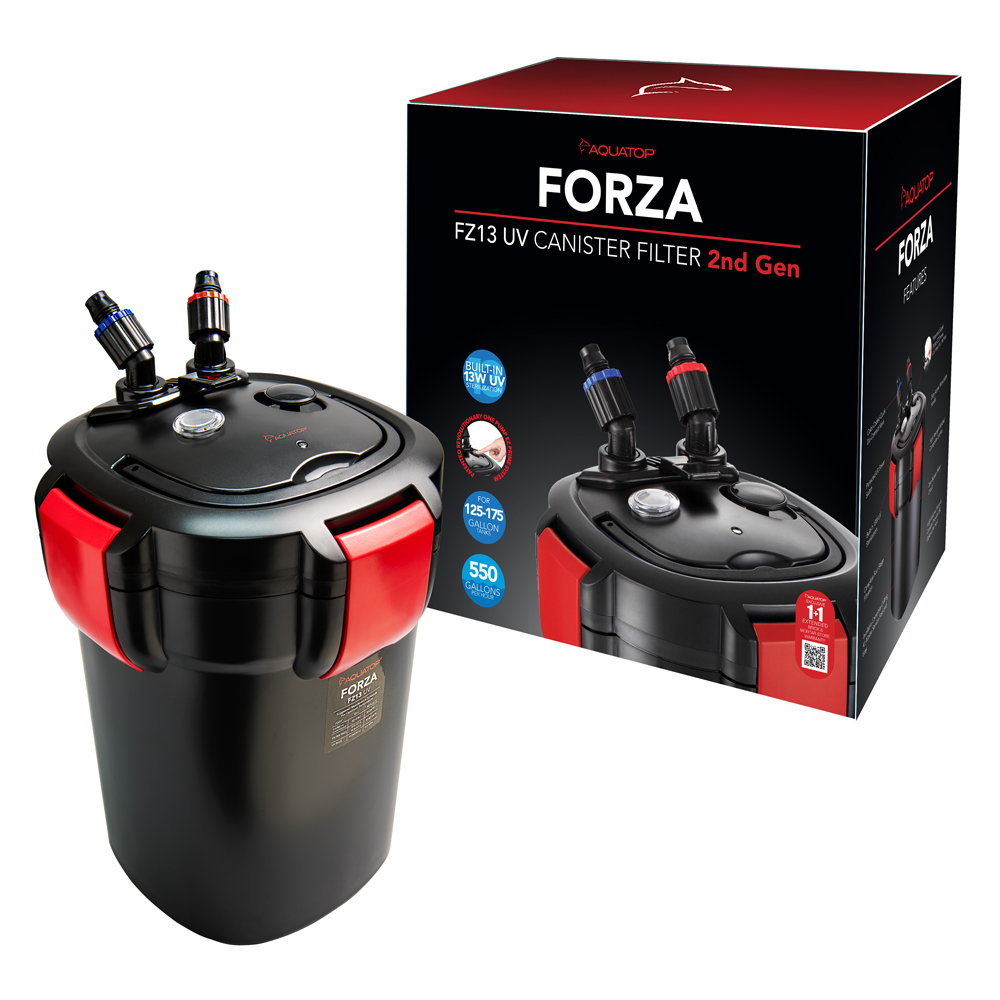
Credit: www.aquatop.com
Choosing The Right Filter
Choosing the right aquarium filter is key to keeping your fish healthy. A good filter cleans the water and keeps it safe for your aquatic pets.
This guide helps you understand filter types, tank size matching, and filter media options.
Types Of Aquarium Filters
There are several types of aquarium filters. Each type works differently to clean your tank water.
- Hang-on-back filters: Easy to install and maintain.
- Canister filters: Powerful and best for large tanks.
- Sponge filters: Gentle and good for small tanks or fry.
- Undergravel filters: Use gravel as a filter medium.
- Internal filters: Placed inside the tank for small setups.
Matching Filter To Tank Size
Choosing a filter that matches your tank size is important. A filter too small will not clean well. A filter too big may stress your fish.
| Tank Size (Gallons) | Recommended Filter Flow (GPH) |
| 10 or less | 100 – 150 |
| 11 to 30 | 200 – 300 |
| 31 to 50 | 400 – 500 |
| 51 to 75 | 600 – 750 |
| Over 75 | 1000 or more |
Filter Media Options
Filter media cleans water by trapping debris and housing helpful bacteria. Choosing the right media improves water quality.
- Mechanical media: Removes solid waste like uneaten food.
- Chemical media: Removes toxins and odors with activated carbon.
- Biological media: Provides space for beneficial bacteria growth.
- Plant-based media: Natural and eco-friendly options.
Maximizing Filter Efficiency
Aquarium filters keep water clean and healthy for fish. A well-maintained filter works better and lasts longer. Understanding how to get the best from your filter is key for advanced aquarists.
Focus on water flow, biological balance, and mechanical filtration. Each part plays a role in filter performance and fish health.
Optimizing Water Flow
Good water flow moves debris toward the filter and spreads oxygen evenly. Avoid strong currents that stress fish. Position the filter outlet to create gentle circulation.
- Keep filter intake clear of plants and decorations
- Adjust flow rate for your tank size and fish type
- Use spray bars or diffusers to spread flow
- Check for clogging in tubes and valves regularly
Maintaining Biological Balance
Beneficial bacteria break down harmful waste in the filter. Keep these bacteria healthy for clear water. Avoid cleaning all filter media at once to preserve bacteria colonies.
| Action | Effect on Bacteria |
| Rinse media in tank water | Preserves bacteria |
| Use chlorinated tap water | Kills bacteria |
| Replace media gradually | Allows bacteria to regrow |
| Maintain stable water temperature | Supports bacteria activity |
Enhancing Mechanical Filtration
Mechanical filtration traps debris and particles. Clean or replace filter pads often to keep water flowing freely. Use fine filter materials to catch smaller particles.
- Choose filter pads with different thickness for layers
- Rinse pads weekly to avoid clogging
- Replace pads when torn or worn out
- Consider adding a pre-filter sponge for large debris
Advanced Filtration Techniques
Proper filtration is vital for a healthy aquarium environment. Advanced methods help maintain clear water and balanced ecosystems. These techniques go beyond basic mechanical filtration to improve water quality.
This guide covers chemical filtration, UV sterilizers, and combining filters. Each method offers unique benefits for fish health and water clarity.
Using Chemical Filtration
Chemical filtration removes impurities through substances like activated carbon or zeolite. It helps eliminate odors, discoloration, and harmful chemicals from the water.
- Activated carbon adsorbs toxins and organic waste
- Zeolite absorbs ammonia and other nitrogen compounds
- Resins can target specific pollutants
- Regular replacement maintains filter efficiency
Incorporating Uv Sterilizers
UV sterilizers use ultraviolet light to kill harmful microorganisms. This process reduces algae, bacteria, and parasites in the aquarium water.
| Benefit | Effect |
| Algae control | Prevents green water |
| Bacteria reduction | Improves fish health |
| Parasite elimination | Reduces disease risk |
| Water clarity | Enhances visibility |
Combining Multiple Filters
Using several filtration types together improves overall water quality. Each filter targets different impurities for balanced results.
- Mechanical filters trap debris and particles
- Chemical filters remove dissolved toxins
- Biological filters support beneficial bacteria
- UV sterilizers kill harmful microbes
- Regular maintenance keeps all filters effective

Credit: glassboxdiaries.com
Maintenance And Troubleshooting
Keeping your aquarium filter clean is key for a healthy tank. Regular checks help avoid problems and keep water clear.
Understanding how to spot and fix filter issues saves time and protects your fish. Simple care can extend your filter’s life.
Routine Cleaning Tips
Cleaning your filter on a schedule keeps it working well. Use gentle methods to avoid damage.
- Turn off and unplug the filter before cleaning.
- Rinse filter media in tank water, not tap water, to keep beneficial bacteria.
- Clean the impeller and housing to remove debris.
- Check tubes and hoses for blockages or buildup.
- Replace filter media according to the manufacturer’s advice.
Identifying Filter Problems
Watch for signs that your filter is not working right. Early detection helps fix issues fast.
| Symptom | Possible Cause | Action |
| Low water flow | Clogged filter media or impeller | Clean or replace media; check impeller |
| Unusual noise | Loose parts or worn impeller | Tighten parts; replace impeller if needed |
| Cloudy water | Filter not running or clogged | Inspect and clean filter; verify pump works |
| Leaks | Damaged seals or loose connections | Replace seals; tighten connections |
Extending Filter Lifespan
Regular care and smart use keep your filter lasting longer. Avoid common mistakes.
- Do not run the filter dry; always keep it submerged or primed.
- Use the correct filter media and replace it on time.
- Keep the aquarium clean to reduce strain on the filter.
- Check electrical connections to prevent damage.
- Service the filter parts regularly according to the manual.
Upgrading For Performance
Keeping your aquarium filter efficient is key to a healthy tank. Upgrading parts can boost water quality and clarity.
This guide covers three upgrades to improve your aquarium filter’s performance and reliability.
High-flow Pumps
High-flow pumps move water faster through the filter media. This speeds up cleaning and oxygenates the water better.
- Choose pumps with strong but quiet motors.
- Check pump flow rate matches your tank size.
- Look for energy-efficient models to save power.
- Regularly clean the pump to keep flow steady.
Custom Filter Builds
Custom filter builds let you tailor filtration to your tank’s needs. You can mix mechanical, chemical, and biological media.
| Filter Type | Best Use | Benefits |
| Canister Filter | Large tanks | High capacity, easy maintenance |
| Sponge Filter | Breeding tanks | Gentle flow, biological filtration |
| Hang-On-Back | Small to medium tanks | Compact, easy to install |
| DIY Filter | Special needs | Customizable, cost-effective |
Smart Monitoring Systems
Smart monitoring systems track water quality and filter performance. They alert you to issues early.
Smart features include:
- Real-time water flow monitoring
- Alerts for filter clogging
- Water temperature and pH sensors
- Remote control and scheduling

Credit: www.amazon.com
Frequently Asked Questions
What Type Of Aquarium Filter Suits Advanced Aquarists?
Advanced aquarists benefit from canister or sump filters. These provide superior mechanical, chemical, and biological filtration. They support larger tanks and complex setups. Customizable media options enhance water quality and fish health. These filters are efficient and versatile for expert aquarium care.
How Often Should I Clean An Advanced Aquarium Filter?
Clean advanced aquarium filters every 4 to 6 weeks. Avoid over-cleaning to preserve beneficial bacteria. Rinse filter media gently in tank water, not tap water. Regular maintenance ensures optimal filtration and water clarity. Proper care extends filter lifespan and fish health.
Can Advanced Filters Support Reef Aquarium Systems?
Yes, many advanced filters are ideal for reef tanks. They maintain stable water parameters and remove impurities efficiently. Some models integrate protein skimmers and reactors for enhanced filtration. This ensures a healthy environment for corals and marine life. Choose filters designed for saltwater use.
What Are The Benefits Of Using A Sump Filter?
Sump filters increase water volume and improve filtration capacity. They hide equipment, enhancing tank aesthetics. Sumps allow easy customization with media and reactors. They boost oxygenation and stabilize water conditions. This makes them popular among advanced aquarists for complex setups.
Conclusion
Choosing the right aquarium filter helps keep your tank clean and healthy. Advanced filters support strong water flow and better filtration. They remove waste and improve water quality for your fish. Regular maintenance keeps the filter working well over time.
Clean water means happier fish and a beautiful tank. Invest time in picking a filter that suits your needs. Your aquarium will thrive with proper care and the right equipment.