
If you have slow-moving fish in your aquarium, you know feeding them can be tricky. They often struggle to compete with faster fish for food, leaving them hungry and stressed.
You want to give your fish the best nutrition without causing frustration or waste. This guide will help you discover the perfect fish food designed specifically for slow-moving fish. By choosing the right food, you’ll keep your fish healthy, happy, and thriving.
Keep reading to learn how to make mealtime easier and more enjoyable for your gentle swimmers.

Credit: www.aquariumsource.com
Traits Of Slow-moving Fish
Slow-moving fish have unique traits that affect their diet and care. They often need special food that suits their slower pace.
Understanding their traits helps provide the right environment and nutrition for their health.
Common Species
Some slow-moving fish are popular in home aquariums. These species have calm behavior and gentle swimming patterns.
- Betta fish
- Angelfish
- Discus fish
- Gouramis
- Goldfish (certain types)
Feeding Habits
Slow-moving fish eat slowly and need food that sinks or stays near them. They prefer easy-to-catch food that does not require fast swimming.
They often eat flakes, pellets, or frozen food designed for their pace. Feeding small amounts more often helps prevent waste.
- Feed small portions to avoid leftovers
- Use sinking pellets or slow-release flakes
- Include live or frozen food for variety
Environmental Needs
Slow-moving fish need calm water with low currents. Strong water flow can stress them and reduce their ability to eat well.
They also prefer tanks with hiding spots and plants. This environment helps them feel safe and reduces stress.
- Keep water flow gentle and steady
- Provide plenty of plants and decorations
- Maintain clean and stable water conditions

Credit: www.completekoi.com
Nutritional Needs
Slow-moving fish have unique dietary needs. Their food must support steady energy and good health.
Choosing the right food helps them grow and stay strong. It also keeps their immune system healthy.
Essential Nutrients
Slow-moving fish need a balanced diet. They require proteins, fats, vitamins, and minerals. Each nutrient plays a role in their survival.
- Proteins help build muscles and repair tissues.
- Fats provide energy and support cell health.
- Vitamins improve body functions and immunity.
- Minerals strengthen bones and help metabolism.
Protein Requirements
Protein is vital for slow-moving fish. It helps with growth and tissue repair. They need moderate protein levels to avoid stress on their digestion.
| Fish Type | Protein Percentage |
| Slow-moving freshwater fish | 25% – 30% |
| Slow-moving tropical fish | 30% – 35% |
| Cold-water slow fish | 20% – 25% |
Vitamins And Minerals
Vitamins and minerals keep fish healthy. They support the immune system and help with metabolism.
- Vitamin A supports eye health and skin.
- Vitamin D helps with calcium absorption.
- Vitamin C improves disease resistance.
- Calcium and phosphorus build strong bones.
- Iron aids in oxygen transport in blood.
Best Fish Food Types
Slow-moving fish need special food to stay healthy. Their eating habits are different from fast swimmers. Choosing the right food helps them get enough nutrition.
This guide shows the best types of fish food for slow-moving fish. Each type suits different needs and preferences.
Pellets And Flakes
Pellets and flakes are common fish foods. They come in many sizes and shapes. Slow-moving fish can eat soft pellets or small flakes easily.
- Pellets sink slowly, so fish have time to eat.
- Flakes float, good for fish that eat at the surface.
- Both types have balanced nutrients for daily feeding.
- Soft pellets prevent choking in slow eaters.
Frozen And Live Food
Frozen and live foods provide natural nutrition. They stimulate slow fish to move and eat. These foods are rich in protein and vitamins.
| Food Type | Benefits | Examples |
|---|---|---|
| Frozen | Easy to store and use | Bloodworms, brine shrimp |
| Live | Encourages natural hunting | Daphnia, blackworms |
Vegetable-based Options
Vegetable foods add fiber and vitamins. Slow-moving fish enjoy soft, plant-based treats. These options support digestion and health.
Common vegetable-based foods include:
- Blanched spinach and peas
- Algae wafers
- Zucchini slices
- Cucumber pieces
Choosing Food For Slow Movers
Slow-moving fish need special food to eat comfortably. Their food should be easy to reach and digest.
Choosing the right food helps keep slow movers healthy and happy in the tank.
Size And Texture
Slow-moving fish do better with soft food that is easy to chew. Small-sized pieces suit their small mouths.
Avoid hard or large pellets that can be hard for them to eat. Soft flakes or gel foods work well.
- Use small, soft flakes or pellets
- Avoid hard, large pieces
- Gel or mashed food is gentle on mouths
Floating Vs. Sinking
Slow movers may struggle to get food that floats on the water surface. Sinking food is easier for them to reach.
Choose sinking pellets or wafers that settle at the bottom where slow fish feed naturally.
- Sinking food stays near the bottom
- Floating food may be wasted
- Slow movers find sinking food easier to eat
Feeding Frequency
Feed slow-moving fish small amounts several times a day. They digest food slowly and need regular meals.
Overfeeding can pollute the tank. Feed only what they can eat in a few minutes.
- Feed 2 to 3 small meals daily
- Give only as much food as they eat quickly
- Remove leftover food to keep water clean
Top Nutritious Fish Food Picks
Slow-moving fish need food that is easy to eat and full of nutrients. Choosing the right food helps them stay healthy and active.
This guide shows the best food options for slow-moving fish. It covers trusted brands, homemade ideas, and special diets.
Brand Recommendations
Many brands offer fish food designed for slow eaters. These foods usually sink slowly or float gently near the bottom.
- Hikari Bio-Pure Sinking Wafers: Rich in vitamins and easy to digest.
- Omega One Super Color Flakes: Contains natural ingredients and omega fatty acids.
- API Bottom Feeder Tablets: Sinks slowly and suits bottom-dwelling fish.
- New Life Spectrum Thera+A: Supports immune health with balanced nutrition.
Homemade Food Ideas
Making your own fish food can give slow-moving fish fresh and healthy meals. Use simple ingredients from your kitchen.
- Blended peas: Remove skin and mash for easy eating.
- Cooked zucchini slices: Soft and digestible for slow eaters.
- Boiled spinach: Full of iron and vitamins, chopped finely.
- Small pieces of shrimp or fish: Cooked and cut to bite size.
Specialty Diets
Some slow-moving fish need special diets for health issues or natural needs. These diets support digestion and energy.
| Diet Type | Key Features | Best For |
|---|---|---|
| High-Fiber Diet | Improves digestion and reduces waste | Fish with slow metabolism |
| Protein-Rich Diet | Supports growth and repair | Slow-moving carnivorous fish |
| Low-Fat Diet | Prevents obesity and liver issues | Less active or older fish |
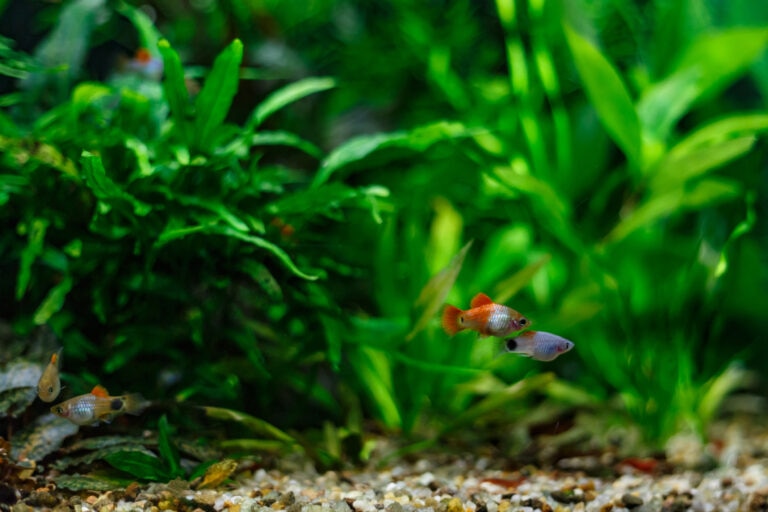
Credit: www.chewy.com
Tips For Feeding Slow-moving Fish
Feeding slow-moving fish requires special attention. Their feeding needs differ from more active species.
These tips help you maintain their health and ensure proper nutrition.
Avoiding Overfeeding
Overfeeding can lead to health issues in slow-moving fish. It is important to control the amount of food you offer.
- Feed small amounts at a time
- Remove uneaten food after feeding
- Monitor fish behavior after meals
Monitoring Fish Health
Regularly check the health of your fish. Healthy fish are active and have vibrant colors.
- Cloudy eyes
- Unusual swimming patterns
- Loss of appetite
Adjusting Diet Over Time
Fish dietary needs change as they grow. Adjust their diet to match their current stage of life.
| Fish Age | Diet |
| Juvenile | Protein-rich food |
| Adult | Balanced diet |
| Senior | Easy-to-digest food |
Frequently Asked Questions
What Type Of Food Suits Slow-moving Fish Best?
Slow-moving fish prefer sinking pellets or wafers. These foods settle at the bottom, making them accessible. Avoid floating flakes as they may be hard to reach. Choose nutrient-rich options to ensure balanced diet and healthy growth.
How Often Should I Feed Slow-moving Fish?
Feed slow-moving fish once or twice daily. Offer only the amount they can eat within 2-3 minutes. Overfeeding can pollute the water and harm fish health. Maintain a consistent feeding schedule for best results.
Can Slow-moving Fish Eat Live Or Frozen Food?
Yes, slow-moving fish benefit from live or frozen foods. Options include bloodworms, brine shrimp, or daphnia. These foods boost nutrition and mimic natural diets. Always ensure food is safe and free from contaminants.
Are Sinking Pellets Better Than Flakes For Slow-moving Fish?
Sinking pellets are better because they reach slow swimmers easily. Flakes float and may be wasted or ignored. Pellets reduce competition and stress among tank mates. Choose pellets rich in proteins and vitamins for optimal health.
Conclusion
Choosing the right fish food helps slow-moving fish stay healthy. Soft, sinking pellets work best for them. Feeding small amounts often keeps fish active and well-nourished. Avoid foods that float too fast or are hard to eat. Watch your fish closely and adjust their diet as needed.
Healthy fish show bright colors and good energy. Good care means happy fish that live longer. Simple steps make a big difference in your aquarium’s health. Keep your slow-moving fish happy with proper food every day.