
If you keep brackish fish, you know how important it is to give them the right food. A balanced diet is the key to keeping your fish healthy, active, and colorful.
But what exactly should you feed them? And how can you make sure their diet meets all their needs? You’ll discover simple tips and expert advice that will help you create the perfect meal plan for your brackish fish. Keep reading to unlock the secrets to a thriving aquarium and see your fish flourish like never before.
Credit: www.gianteagle.com
Brackish Fish Basics
Brackish fish live in water that is a mix of fresh and saltwater. This water type is found in places like river mouths and mangroves. Caring for these fish means understanding their special needs.
Feeding brackish fish a balanced diet helps them stay healthy and active. Knowing which foods are best supports their growth and bright colors.
What Are Brackish Fish
Brackish fish live in water that is partly salty and partly fresh. The salt level is between freshwater and seawater. These fish can survive in changing water conditions.
They often live where rivers meet the sea. This area is called an estuary. Brackish fish have special bodies that handle the mix of salt and fresh water.
Popular Brackish Species
Many fish species live well in brackish water. Some are popular in home aquariums. These fish are known for their unique looks and easy care.
- Figure Eight Puffer
- Mono Fish
- Scat Fish
- Green Spotted Puffer
- Archerfish
Credit: www.walmart.ca
Nutritional Needs
Brackish fish live in water with mixed salt and fresh levels. They need a balanced diet to stay healthy. Their food must have the right nutrients for energy and growth.
Understanding what nutrients brackish fish need helps keep them strong. Feeding the right diet supports their immune system and helps them thrive.
Essential Nutrients
Brackish fish need proteins, fats, vitamins, and minerals. These nutrients support their body functions and keep them active. Water quality also affects how well they use these nutrients.
- Proteins for growth and repair
- Fats for energy and cell health
- Vitamins and minerals for metabolism and immunity
Protein Requirements
Proteins are vital for muscle building and tissue repair. Brackish fish need protein from animal or plant sources. Young fish need more protein than adults.
Good protein sources include small fish, shrimp, and specially made pellets. Too little protein can cause slow growth and weak fish.
- Juvenile fish: 40-50% protein in diet
- Adult fish: 30-40% protein in diet
- Protein quality affects health and activity
Vitamins And Minerals
Vitamins and minerals help with many body processes. They support bones, scales, and the immune system. Lack of these nutrients can cause diseases.
Common vitamins needed are A, D, E, and C. Important minerals include calcium, phosphorus, and magnesium. Balanced feed usually has these nutrients.
- Vitamin A: helps vision and growth
- Vitamin D: aids calcium absorption
- Vitamin E: protects cells from damage
- Vitamin C: boosts immune health
- Calcium and phosphorus: build strong bones
- Magnesium: supports muscle and nerve function
Types Of Food
Feeding brackish fish the right foods keeps them healthy and active. These fish need a balanced diet with varied food types.
Different foods provide nutrients needed for growth, color, and energy. It is important to know the best food options.
Commercial Pellets And Flakes
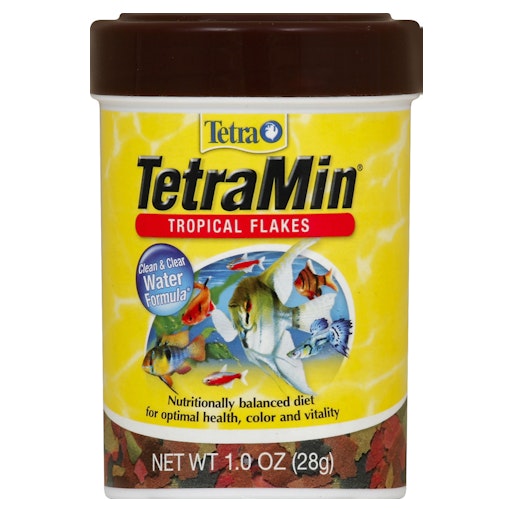
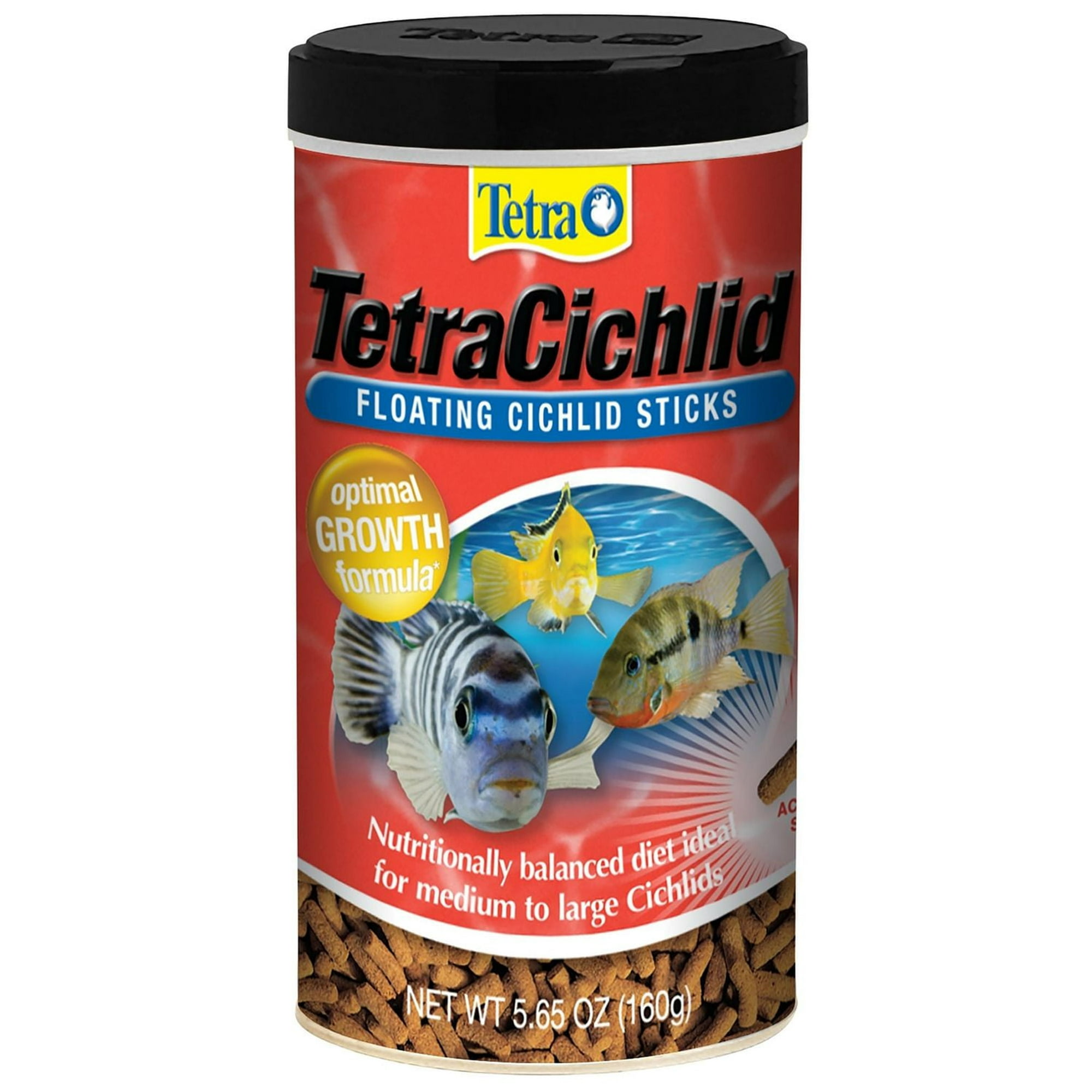
Pellets and flakes made for brackish fish are easy to use. They have balanced nutrients for daily feeding.
These foods come in many sizes and formulas. Choose pellets or flakes that match your fish size and type.
- Pellets sink slowly, good for bottom and mid-level feeders
- Flakes float, ideal for surface feeders
- Fortified with vitamins and minerals
- Help maintain fish color and health
Live And Frozen Foods
Live and frozen foods offer natural nutrition for brackish fish. They are rich in protein and promote active feeding behavior.
Common types include brine shrimp, bloodworms, and small crustaceans. These foods simulate what fish eat in the wild.
- Brine shrimp: great for young and adult fish
- Bloodworms: high in protein and easy to digest
- Daphnia: helps with digestion and reduces bloating
- Frozen options are safer and less messy
Vegetable Options
Vegetables add fiber and vitamins to the diet. Some brackish fish enjoy nibbling on plant matter.
Offer vegetables like spinach, peas, and zucchini. Blanch them first to soften and remove chemicals.
- Spinach: rich in iron and vitamins
- Peas: help with digestion and constipation
- Zucchini: low-calorie and easy to digest
- Remove uneaten vegetables quickly to avoid water issues
Feeding Frequency
Feeding brackish fish the right amount at the right times is key to their health. Proper feeding frequency helps them grow and stay active.
Giving food too often or too little can cause problems. Watch your fish and adjust feeding to fit their needs.
Daily Feeding Schedule
Feed brackish fish twice a day to keep them healthy and energetic. Morning and evening feedings work best for most species.
Make sure to give only what they can eat in a few minutes. Remove leftover food to keep the water clean.
- Feed once in the morning
- Feed once in the evening
- Remove uneaten food after 5 minutes
Adjusting Portions By Age
Young brackish fish need more food than adults because they grow fast. Give them smaller meals more often to support growth.
Adult fish require less food but still need balanced nutrition. Adjust portions to avoid overfeeding and pollution.
| Age | Feeding Frequency | Portion Size |
|---|---|---|
| Fry (young fish) | 3-4 times daily | Small, frequent meals |
| Juvenile | 2-3 times daily | Moderate portions |
| Adult | 2 times daily | Smaller portions |
Food Preparation Tips
Feeding brackish fish requires careful food preparation. Proper food helps keep fish healthy and active.
Some foods need softening or safe handling. This guide shares tips for these steps.
Soaking And Softening Pellets
Dry pellets can be hard for brackish fish to eat. Soaking softens them and helps digestion.
- Use clean, fresh water for soaking pellets.
- Soak pellets for 5 to 10 minutes before feeding.
- Drain excess water to avoid polluting the tank.
- Do not soak pellets too long; they can fall apart and waste food.
Safe Handling Of Live Foods
Live foods add nutrition but need safe handling. This prevents disease and keeps fish healthy.
| Safety Step | Description | Reason |
| Rinse Live Foods | Use clean water to rinse shrimp or worms. | Remove dirt and possible contaminants. |
| Source from Trusted Suppliers | Buy live foods from reliable stores. | Reduce risk of parasites or disease. |
| Quarantine Before Feeding | Keep live foods in a separate container for 24 hours. | Check for signs of illness or parasites. |
| Feed in Small Amounts | Offer live foods in small quantities. | Prevent leftover food that spoils water. |

Credit: jungleaquatics.com
Common Feeding Mistakes
Feeding brackish fish requires care and attention. Mistakes in feeding can harm their health and environment.
Understanding common feeding errors helps in maintaining a balanced diet for your aquatic pets.
Overfeeding Risks
Overfeeding is a frequent mistake that can lead to water pollution and fish health issues.
- Excess food decays and pollutes the water.
- Overfed fish may become obese and unhealthy.
- Uneaten food can cause harmful algae growth.
Nutrient Deficiencies
Providing a varied diet is crucial. A lack of essential nutrients can lead to poor fish health.
| Essential Nutrient | Possible Deficiency Effect |
| Protein | Stunted growth |
| Vitamins | Weakened immune system |
| Minerals | Brittle bones |
Avoiding Contaminated Food
Contaminated food can introduce toxins and diseases to your fish tank. Always ensure food quality.
Monitoring Growth
Monitoring the growth of brackish fish is key to ensuring their health. A balanced diet helps them grow well.
Healthy development signs show that your fish are thriving. It’s important to know what to look for.
Signs Of Healthy Development
Healthy brackish fish are active and have a good appetite. Their scales are shiny and smooth.
- Consistent growth in size
- Bright and clear eyes
- Responsive to feeding times
- Good coloration
When To Change Diet
Sometimes, you need to change the diet of your fish. This could be due to their age or health needs.
| Age of Fish | Diet Recommendation |
| Juvenile | Higher protein content |
| Adult | Balanced diet with varied nutrients |
| Senior | Lower protein, higher fiber |
Look for signs like slower growth or dull color. These may indicate a need for dietary changes.
Supplementing Diet
Brackish fish need a balanced diet to stay healthy. Supplementing their diet helps fill nutrient gaps.
Adding vitamins and minerals supports growth and boosts their immune system.
Use Of Vitamins And Minerals
Vitamins and minerals are essential for brackish fish health. They help with bone growth and energy.
Common supplements include vitamin C, vitamin D, calcium, and iodine. These keep fish strong and active.
- Vitamin C improves disease resistance
- Calcium supports bone and scale health
- Iodine helps with metabolism
- Vitamin D aids calcium absorption
Adding Variety For Health
Feeding different types of food keeps brackish fish healthy. Variety provides all needed nutrients.
Use frozen, live, and dry foods to add variety. This also keeps fish interested in their meals.
- Live foods like brine shrimp or bloodworms
- Frozen foods for easy storage and nutrition
- Pellets or flakes for balanced daily diet
- Vegetables like peas for fiber
Frequently Asked Questions
What Is A Balanced Diet For Brackish Fish?
A balanced diet for brackish fish includes protein, fats, vitamins, and minerals. It mimics their natural food like algae, crustaceans, and small fish. Proper nutrition supports growth, immunity, and coloration in brackish water environments.
How Often Should Brackish Fish Be Fed?
Feed brackish fish small portions 1-2 times daily. Avoid overfeeding to prevent water pollution. Adjust frequency based on fish age, size, and species activity for optimal health.
Which Foods Are Best For Brackish Fish Nutrition?
High-quality pellets, frozen shrimp, brine shrimp, and algae-based foods suit brackish fish. Include live or frozen treats occasionally. Variety ensures balanced nutrition and stimulates natural feeding behavior.
Can Brackish Fish Eat Both Freshwater And Saltwater Food?
Yes, brackish fish can consume both freshwater and saltwater foods. Their diet should reflect their natural habitat, combining protein-rich and plant-based items. This variety helps maintain their health and vitality.
Conclusion
A balanced diet keeps brackish fish healthy and active. It supports growth and strengthens their immune system. Feeding varied food helps meet all their needs. Avoid overfeeding to keep water clean and fish happy. Regular feeding routines create a stable environment for your fish.
Proper nutrition leads to vibrant colors and lively behavior. Careful diet choices make fishkeeping more rewarding and enjoyable. Simple steps ensure your brackish fish live longer and thrive. Good food is the key to their well-being.