
Are you struggling to keep your nursery tank water clean and safe for your tiny fish? Choosing the right aquarium filter is key to creating a healthy environment where your baby fish can thrive.
But with so many options out there, how do you find the perfect filter that suits your nursery tank’s unique needs? You’ll discover simple tips and expert advice to help you pick the ideal aquarium filter. Keep reading, and you’ll learn how to protect your little fish and enjoy a crystal-clear tank effortlessly.
Choosing The Right Filter
Choosing the right aquarium filter for nursery tanks is important. It keeps water clean and safe for young fish.
There are many types of filters. Size, capacity, and materials also matter for good water quality.
Types Of Nursery Tank Filters
Several filter types work well for nursery tanks. Each uses a different method to clean water.
- Sponge Filters:Gentle and safe for fry. They offer biological and mechanical filtration.
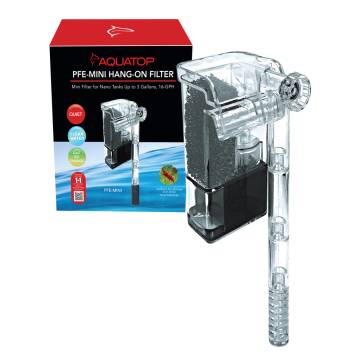
- Hang-on-back Filters:Easy to install. Provide good mechanical and chemical filtration.
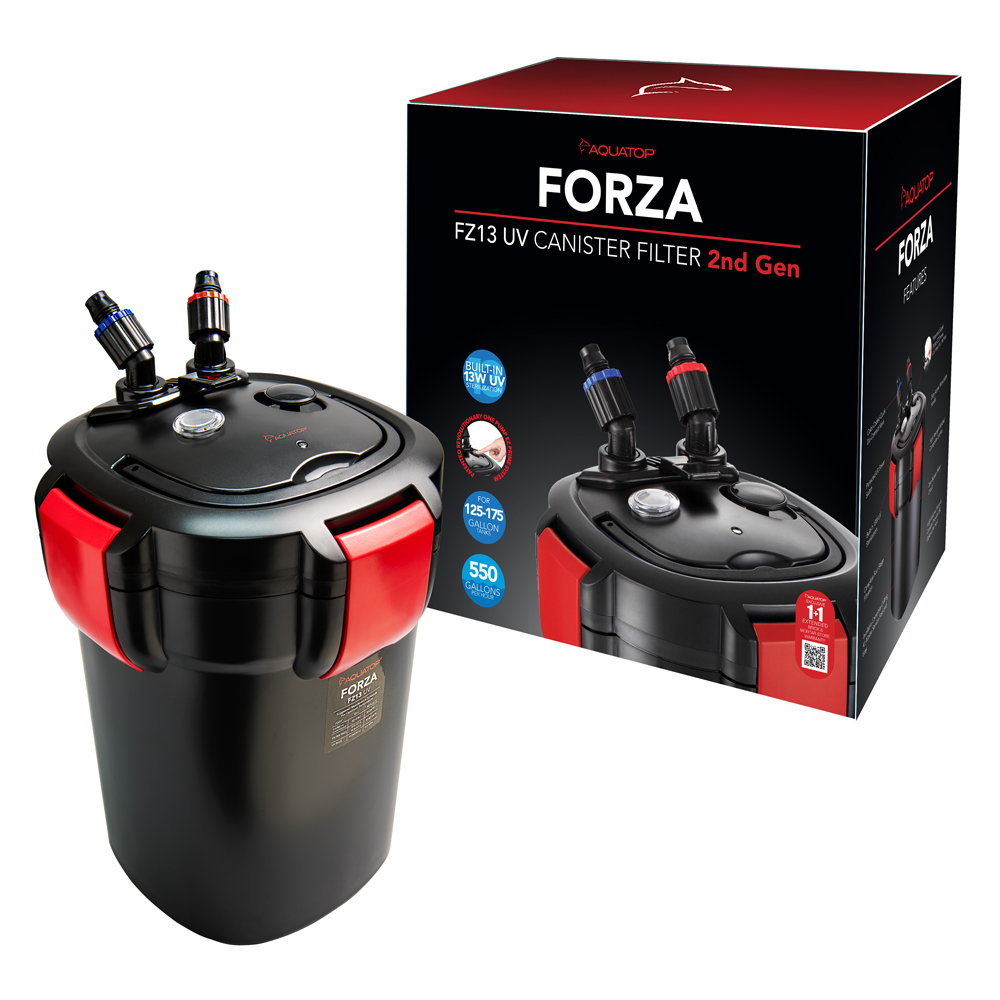
- Canister Filters:Powerful and suitable for larger tanks. Offer all three types of filtration.
- Internal Filters:Compact and placed inside the tank. Ideal for small nursery tanks.
Filter Size And Capacity
Choose a filter that fits your tank size. A filter that is too small cannot clean water well.
| Tank Size (Gallons) | Filter Flow Rate (GPH) |
| 5 to 10 | 50 – 100 |
| 10 to 20 | 100 – 200 |
| 20 to 40 | 200 – 400 |
| 40+ | 400+ |
Material And Build Quality
Good filter materials last longer and work better. Look for filters made from durable plastic and quality parts.
Check these points for build quality:
- Strong housing that resists cracks
- Easy to clean parts
- Safe materials that do not release toxins
- Reliable seals to prevent leaks
Filtration Methods Explained
A clean aquarium keeps fish healthy and happy. Filters remove waste and harmful substances. Different filters work in different ways.
Knowing how each filtration method works helps you pick the best filter for your nursery tank. Let’s explore three main types of filtration.
Mechanical Filtration
Mechanical filtration traps solid waste and debris. It uses sponges or pads to catch particles. This stops dirt from floating in the water.
- Removes uneaten food
- Filters fish waste
- Prevents cloudy water
Biological Filtration
Biological filtration uses good bacteria to break down harmful ammonia. These bacteria live on filter surfaces. They turn toxic waste into safe substances.
| Waste Type | Converted To |
| Ammonia (NH3) | Nitrite (NO2-) |
| Nitrite (NO2-) | Nitrate (NO3-) |
| Nitrate (NO3-) | Less harmful to fish |
Chemical Filtration
Chemical filtration removes odors, colors, and toxins from water. It uses materials like activated carbon. These materials attract and hold unwanted chemicals.
Chemical filtration benefits:
- Removes chlorine and chloramine
- Clears discoloration
- Reduces harmful chemicals
Setting Up Your Filter
Setting up an aquarium filter for nursery tanks helps keep water clean. Proper setup ensures healthy fish and plants.
This guide covers placement, priming, and flow adjustment for the best filter performance.
Placement Tips For Optimal Flow
Place the filter where water can flow freely without blockages. Avoid corners and tight spaces.
- Keep the filter intake away from tank decorations
- Place the filter near the water surface for better oxygen exchange
- Ensure the outflow directs water across the tank evenly
- Do not place the filter directly under strong light to reduce algae growth
Priming And Starting The Filter
Priming removes air from the filter and starts water flow. Without priming, the filter may not work well.
- Fill the filter with water before plugging it in
- Use the primer button if your filter has one
- Check that water moves through the filter tubes
- Listen for any unusual sounds that mean air is trapped
Adjusting Flow Rate
Adjust flow to suit the needs of nursery fish. Too strong flow can stress young fish.
| Flow Rate Setting | Use Case |
|---|---|
| Low | For very small or delicate fry |
| Medium | For older fry and small fish |
| High | For larger nursery tanks or more active fish |

Credit: www.ebay.com
Maintaining Clean Water
Clean water is vital for the health of nursery tanks. It keeps fish and plants safe. Proper filtration removes waste and harmful substances.
Using an aquarium filter correctly helps maintain clear and balanced water. This guide covers key tasks to keep your filter working well.
Cleaning The Filter Media
Filter media traps dirt and debris inside the aquarium filter. It needs regular cleaning to stay effective. Avoid using soap or chemicals when cleaning.
- Rinse filter media in tank water, not tap water
- Clean media every two to four weeks
- Check for damage or wear during cleaning
- Do not clean all media at once to keep beneficial bacteria
Replacing Filter Components
Some parts of the filter wear out and need replacing. This keeps the filter running smoothly and water clean.
| Component | Replacement Frequency |
| Filter Cartridge | Every 4-6 weeks |
| Filter Foam | Every 3 months |
| Activated Carbon | Every 1-2 months |
| Impeller | Check monthly, replace if noisy |
Monitoring Water Quality
Good water quality means healthy fish and plants. Test water regularly to catch problems early. Use simple tools to check key levels.
- Test ammonia and nitrite levels weekly
- Check pH balance every two weeks
- Measure nitrate monthly
- Observe fish behavior for signs of stress
Common Problems And Fixes
Aquarium filters in nursery tanks keep the water clean for young fish. Sometimes, these filters face issues that affect their work.
Here are common problems with aquarium filters and easy ways to fix them.
Filter Clogging
Filters can clog from dirt, leftover food, and fish waste. Clogs reduce water flow and filter efficiency.
Clean the filter media regularly. Rinse it gently with tank water to keep beneficial bacteria alive.
- Remove filter media and rinse with aquarium water
- Check for debris stuck in intake tubes
- Replace old or worn filter pads
Noisy Operation
Noises from filters can scare fish and bother tank owners. Noise often comes from air bubbles or loose parts.
Check that all parts fit well. Remove trapped air by tilting the filter or running it underwater before use.
- Tighten screws and fittings
- Clear air bubbles from filter tubes
- Lubricate moving parts if needed
Water Flow Issues
Low or uneven water flow harms filtration and tank health. Blockages and pump problems cause flow issues.
Inspect the pump and tubes for clogs or damage. Clean or replace parts to restore smooth flow.
- Remove blockages in tubes and impellers
- Check pump power and replace if weak
- Adjust flow rate settings if available
Credit: www.aquatop.com
Enhancing Nursery Tank Health
Keeping nursery tanks healthy is essential for young fish. Proper equipment and care can ensure their growth and well-being.
It is important to focus on water quality and feeding practices. These elements help in maintaining a thriving environment.
Complementary Equipment
Using the right equipment enhances water quality. Filters, heaters, and lighting play key roles in tank maintenance.
- Aquarium filters remove impurities from the water.
- Heaters keep the water temperature stable.
- Proper lighting supports plant growth and fish development.
Feeding And Waste Management
Feeding young fish requires attention to diet and waste. Overfeeding leads to waste, affecting water quality.
| Feed Type | Frequency |
| Pellets | Twice a day |
| Flakes | Once a day |
| Live Food | Once a week |
Regular Water Changes
Regular water changes keep the tank environment healthy. This reduces toxins and promotes better fish health.
Credit: www.aquatop.com
Frequently Asked Questions
What Is The Best Aquarium Filter For Nursery Tanks?
The best filter for nursery tanks is gentle, efficient, and safe for fry. Sponge filters are ideal. They provide biological filtration without strong currents that may harm baby fish.
How Often Should I Clean Nursery Tank Filters?
Clean nursery tank filters every 2-3 weeks or when flow reduces. Avoid harsh cleaning to preserve beneficial bacteria. Rinse filter media gently in tank water to maintain filtration.
Can I Use A Sponge Filter In Nursery Tanks?
Yes, sponge filters are perfect for nursery tanks. They offer gentle filtration and aeration. Sponge filters prevent baby fish from being sucked in, ensuring their safety and healthy water quality.
Why Is Filtration Important In Nursery Tanks?
Filtration keeps water clean and oxygenated, crucial for fragile fry. It removes waste and harmful toxins. Proper filtration helps reduce diseases and promotes healthy fish growth.
Conclusion
Choosing the right aquarium filter helps keep nursery tanks clean. Clean water means healthy fish and better growth. Filters remove waste and harmful chemicals from the water. A good filter also keeps the water clear and fresh. Small tanks need gentle filters that do not disturb fish.
Regular filter cleaning keeps it working well. This simple step supports a safe environment for baby fish. Good care today leads to strong, happy fish tomorrow. Remember, a proper filter protects your nursery tank’s future.